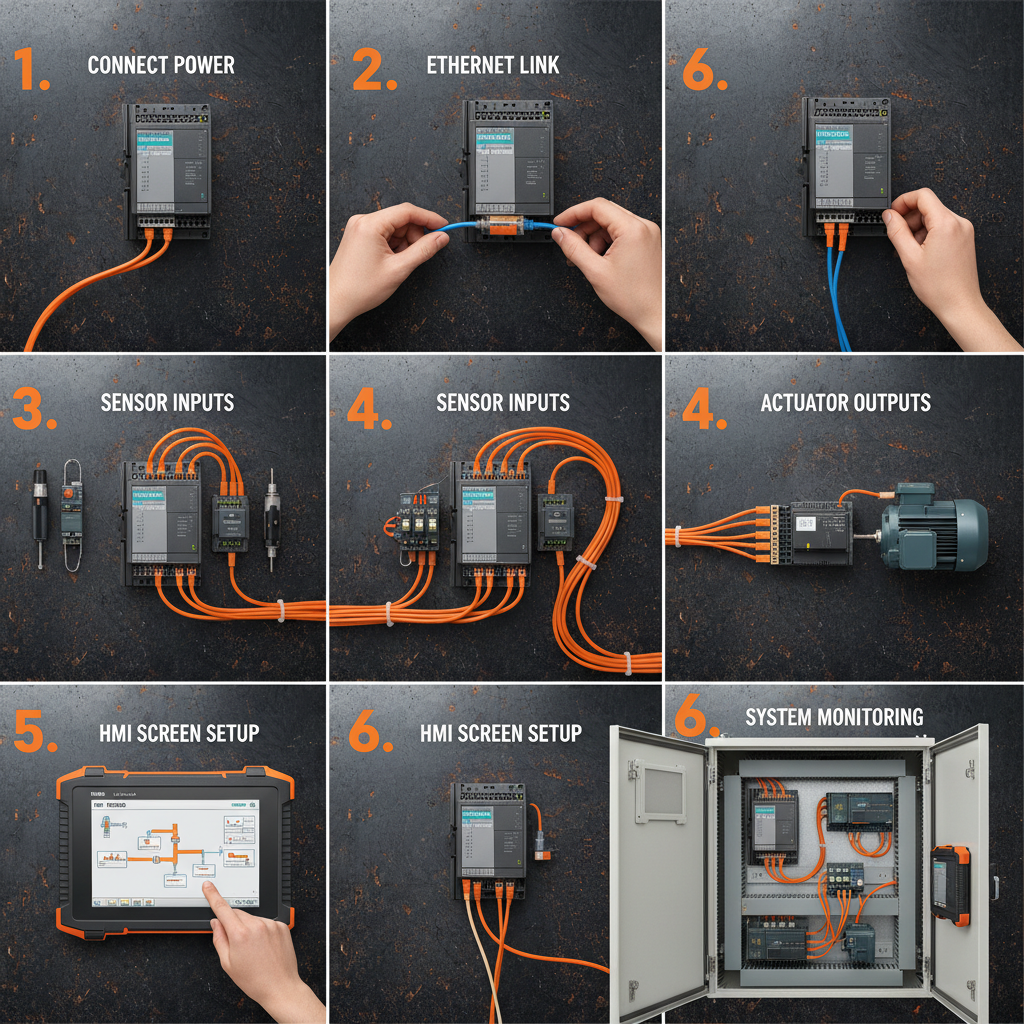
Comprehensive Guide to Variable Speed Drive Operation | Tianjin Yongkai
Variable Speed Drive Operation is a key solution in the industry, specifically within manufacturing, HVAC, and energy sectors. This article explores how https://www.tianjinyongkai.com supports professionals with durable, high-performance products, and explains why this product is an ideal choice for businesses in these sectors.
Table of Contents
- Variable Speed Drive Operation Overview
- Benefits & Use Cases of Variable Speed Drive Operation
- Cost, Maintenance & User Experience
- Sustainability & Market Trends
Variable Speed Drive Operation Overview
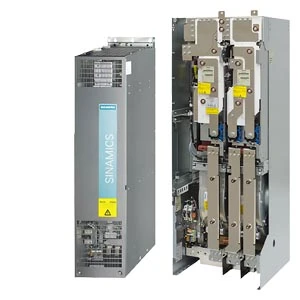
Variable Speed Drive Operation (VSD) essentially allows precise control of motor speeds by adjusting the power input, resulting in remarkable energy savings and process efficiencies. This is especially vital in industries where operations vary in demands and loads. Instead of motors running at constant full speed, VSD adapts dynamically, kind of like a car adjusting gears as the road changes.
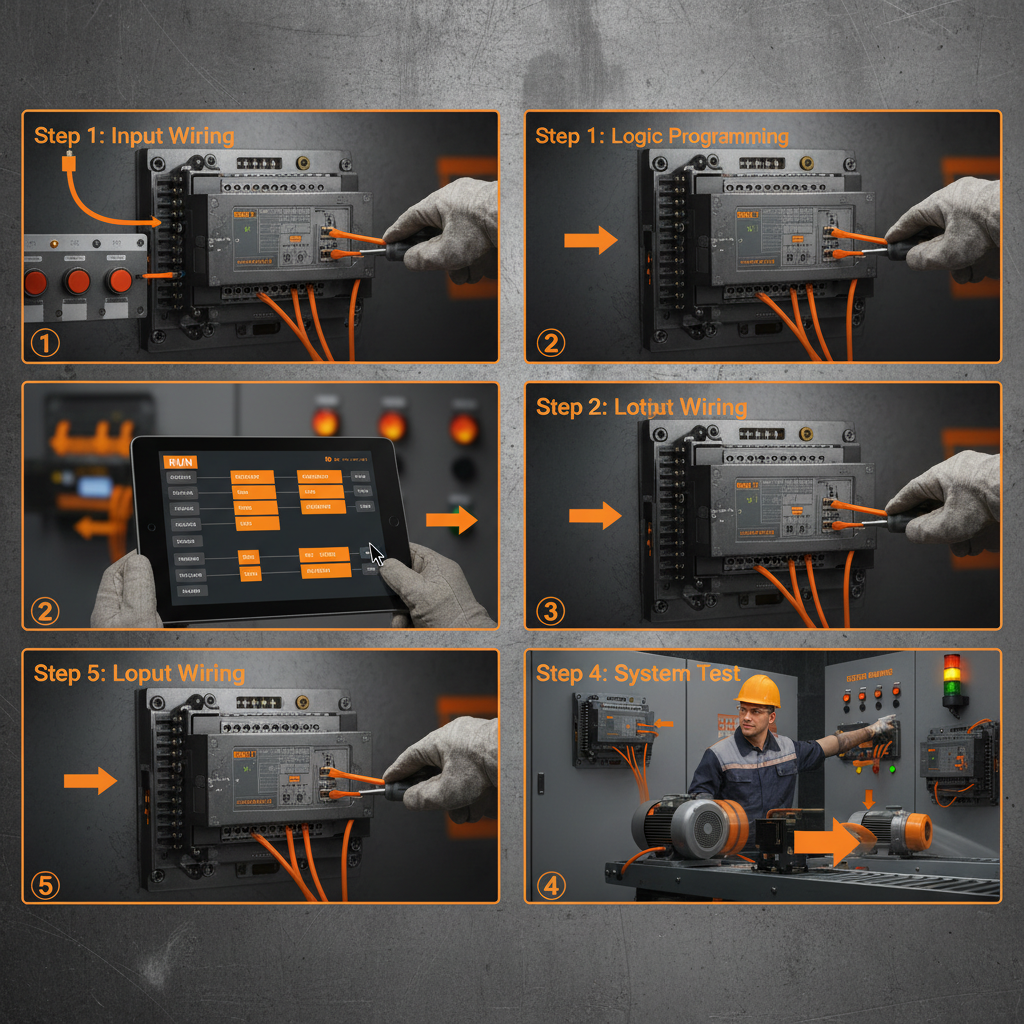
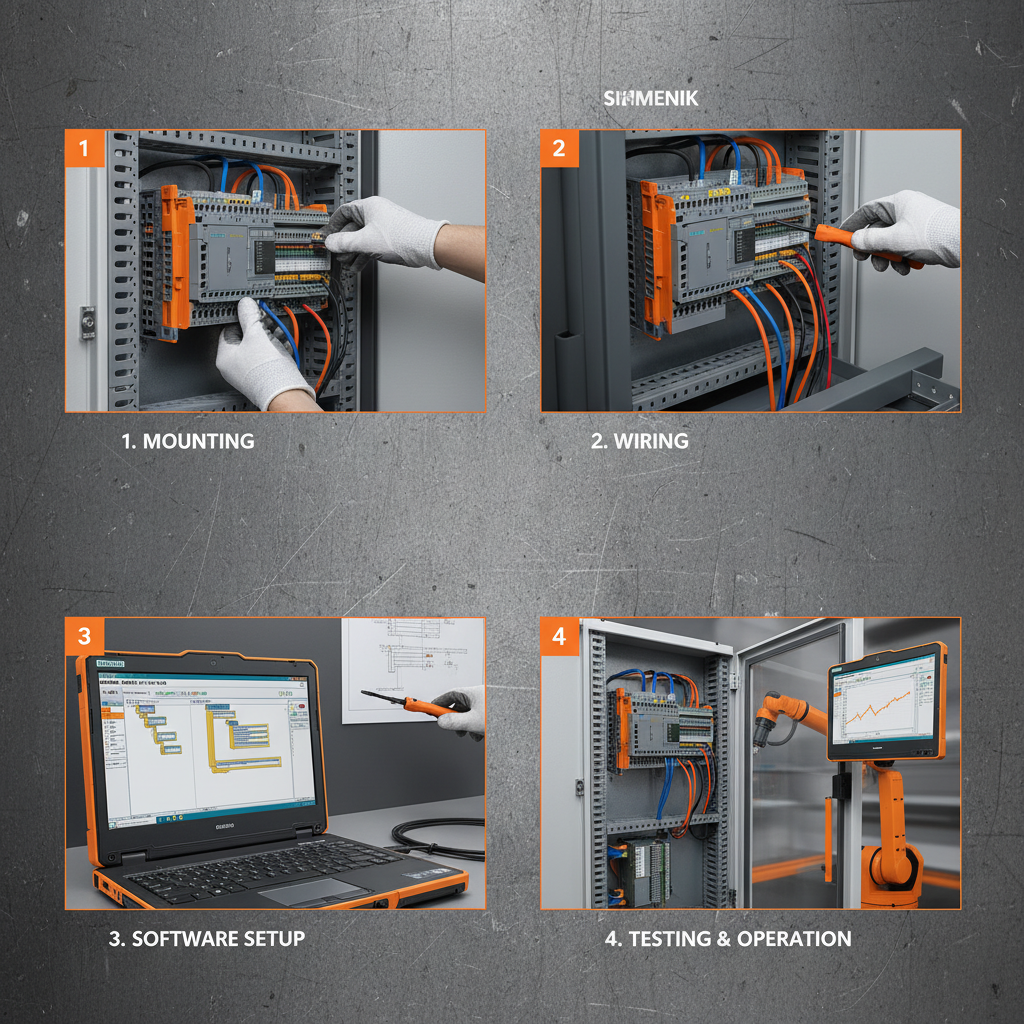
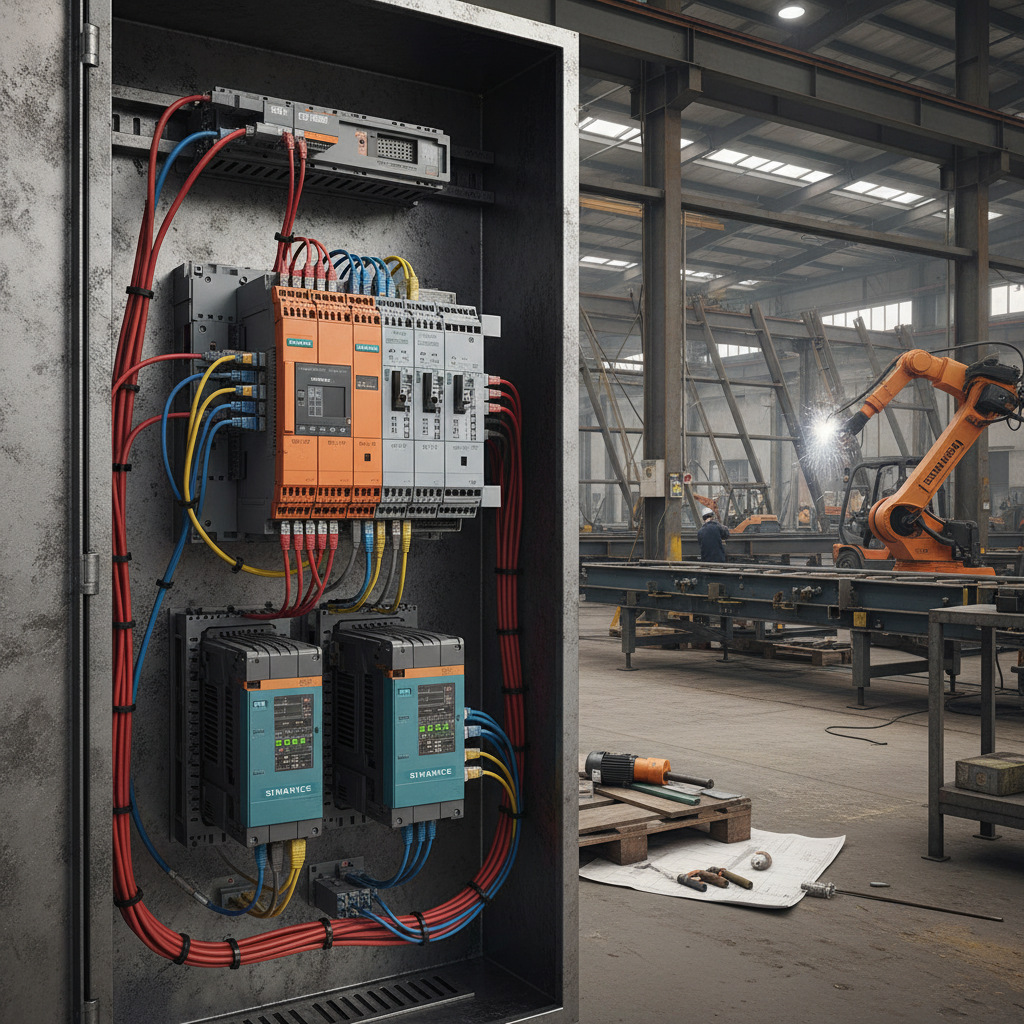
- At its core, the product includes power electronics, controllers, and software that communicate to modulate motor frequency and voltage.
- To give a technical snapshot, Tianjin Yongkai's units operate from 0.75 kW up to 355 kW, supporting three-phase motors with built-in overload protection and a reliability rating over 99.9% uptime, based on field tests in petrochemical plants.
| Specification | Details |
|---|---|
| Power Range | 0.75 kW – 355 kW |
| Input Voltage | 380V - 480V AC, 3-phase |
| Control Method | V/F Control, Sensorless Vector Control |
| Protection | Overload, Overvoltage, Thermal |
| Communication | MODBUS, CANopen, Ethernet/IP options |
Benefits & Use Cases of Variable Speed Drive Operation
In real terms, applying Variable Speed Drive Operation translates to huge energy savings – sometimes up to 30-50% in HVAC systems and pumping applications. It’s not just saving power but also extending the lifetime of mechanical components by soft starting and stopping motors rather than slamming them on/off.
- Industries like water treatment plants, manufacturing lines, and elevators frequently leverage VSDs to tailor motor speeds, improving process accuracy and reducing wear.
- The competitive edge from Tianjin Yongkai’s models lies in their built-in adaptive control algorithms and robust industrial-grade components that handle harsh conditions without faltering.
| Vendor | Power Range (kW) | Control Features | Warranty | Typical Market |
|---|---|---|---|---|
| Tianjin Yongkai | 0.75 – 355 | V/F Control, Sensorless Vector | 2 Years | Industrial, HVAC, Petrochemical |
| Global Competitor A | 1.0 – 500 | Vector Control with Encoder | 3 Years | Manufacturing, HVAC |
| Competitor B | 0.5 – 250 | Basic V/F Control | 1 Year | Small Industry, Commercial |
Cost, Maintenance & User Experience
Honestly, many first-time buyers worry about upfront costs for Variable Speed Drive Operation. Yet, the total cost of ownership often turns out favorable, thanks to reduced energy consumption, fewer mechanical breakdowns, and longer equipment lifespans. I once talked to a factory manager who noticed payback periods as short as 18 months on some installations.
- Maintenance here is less frequent — no brushes to replace like on older motors, and the smart fault diagnostics help nip issues quickly.
- Customer feedback from users in petrochemical and water treatment reveals high satisfaction due to reliable troubleshooting support and modular replacement parts by the vendor.
Sustainability & Market Trends
Sustainability is a growing concern, and Variable Speed Drive Operation fits right in. By shaving energy usage and softening start/stop processes, emissions linked with energy production decrease significantly. Many governments now promote VSD implementation through incentives and tightening motor efficiency regulations, pushing vendors to innovate further.
- Industry growth is projected at roughly 7% annually worldwide, with smart grid and IoT integrations becoming increasingly common in new VSD products.
Frequently Asked Questions about Variable Speed Drive Operation
- What is Variable Speed Drive Operation and how does it work?
- Variable Speed Drive Operation is a system that controls the speed and torque of electric motors by varying input frequency and voltage. It works through power electronic devices and control logic, allowing motors to run at optimal speeds rather than a fixed rate.
- What are the main benefits of using Variable Speed Drive Operation in industrial applications?
- Key benefits include enhanced energy efficiency, extended motor lifespan, improved process control, and reduced maintenance costs, making it cost-effective over time.
- How does Variable Speed Drive Operation compare to traditional alternatives?
- Compared to fixed-speed motors with mechanical controllers, VSD systems offer superior flexibility, energy savings, and less wear on components due to soft start/stop processes.
- What industries can benefit most from Variable Speed Drive Operation implementation?
- Water treatment, HVAC, manufacturing, petrochemical, and mining sectors gain the most. For example, factories have reported noticeable productivity boosts using VSDs on conveyor belts and pumps.
Conclusion on Variable Speed Drive Operation from china
To sum up, adopting Variable Speed Drive Operation is a smart move for industries looking to improve energy efficiency and equipment longevity without sacrificing performance. Prospective buyers will find Tianjin Yongkai’s offerings particularly dependable given their blend of innovation, robust field data, and responsive support.
- Recap the value of Variable Speed Drive Operation.
- - Visit our website: https://www.tianjinyongkai.com
Reflecting on this, it feels like Variable Speed Drive Operation is one of those quietly transformative technologies — not flashy, but essential in cutting costs and boosting sustainability, especially in today’s volatile energy landscape.
References:
1. International Energy Agency (IEA) – Motor Systems Efficiency Reports
2. Tianjin Yongkai Product Brochures and Field Case Data
3. Industry experts commentary on VSD trends (2023)