What Is a 1 to 3 Phase VFD? Benefits, Applications & Future Trends Explained
What Is a 1 to 3 Phase VFD and Why It Matters Globally
If you ever peeked inside an industrial plant or a big HVAC system, you might have come across something called a 1 to 3 phase VFD. In simple terms, it’s a variable frequency drive that transforms single-phase electrical power into three-phase power, which means a lot smoother, more efficient motor control. Why care? Because on a macro level, this translates into major energy savings, longer equipment life, and versatility in places where three-phase power lines aren’t readily available—think remote areas or developing countries.
Nowadays, energy efficiency and reducing carbon footprints are buzzwords everywhere, but devices like these actually make a measurable, technical difference in how machines run — quietly, reliably, and economically. If you’re into industrial automation, sustainability, or even humanitarian logistics, understanding how 1 to 3 phase VFDs work and what they bring to the table is kind of eye-opening.
The Global Context: Why Are 1 to 3 Phase VFDs Gaining Traction?
Industry-wide, approximately 40% of electricity consumption is attributed to motor-driven systems — from water pumps to conveyor belts. According to the International Energy Agency (IEA), optimizing motor controls can cut energy use by up to 30% globally, which isn’t trivial when you consider that the US alone wastes billions due to inefficient motor operations. But here's the rub: many rural or emerging regions rely on single-phase power supply lines because infrastructure is simpler or cheaper to build.
This creates a challenge—and an opportunity—for delivering reliable industrial-grade motor performance in such areas. Enter the 1 to 3 phase VFD. It bridges infrastructure limitations by converting single-phase input to three-phase output, enabling industries, agriculture, and municipal services to tap into advanced, energy-efficient electric motors without expensive grid upgrades. It’s like giving an old engine new wings.
Mini takeaway:
1 to 3 phase VFDs are a clever technical solution addressing energy efficiency and developmental challenges worldwide—especially where infrastructure hasn’t caught up yet.
Breaking It Down: What Exactly is a 1 to 3 Phase VFD?
At its core, a variable frequency drive (VFD) controls the speed and torque of electric motors by adjusting frequency and voltage. Typical three-phase motors are more robust and efficient but require three-phase power. However, single-phase power—which you get at home or in smaller setups—cannot run these motors directly.
A 1 to 3 phase VFD is essentially an electronic converter. It takes a single-phase AC input and generates a simulated three-phase AC output with variable frequency, allowing three-phase motors to operate seamlessly on single-phase supply systems. It’s a little marvel in transformerless control, combining rectifiers, DC bus capacitors, and inverters to make this happen.
Why is this important now? Industries that want to modernize existing single-phase setups—without costly rewiring—can upgrade performance, reduce maintenance headaches, and save on energy.
Mini takeaway:
- Transforms single-phase electricity into three-phase for efficient motor control.
- Enables variable speed operation, enhancing performance and durability.
- Ideal for industrial or commercial applications in areas lacking three-phase power.
Key Aspects of 1 to 3 Phase VFDs That Engineers Care About
1. Durability and Overload Protection
VFDs need to withstand fluctuating loads and harsh conditions. Many models incorporate robust heat sinks, protective coatings, and sensors to avoid overheating or electrical faults. You’d want a unit that can run continuous duty in dusty or humid environments without tripping.
2. Scalability and Power Range
From small 0.5 kW pumps to hefty 15 kW compressors, 1 to 3 phase VFDs come in various sizes. The ability to scale means industries of all sizes can benefit, and some devices support seamless parallel operation for higher loads.
3. Cost Efficiency and Energy Savings
While an initial outlay exists, the reduced energy consumption—sometimes up to 30%—plus less mechanical wear tends to pay back quickly. Many facilities report noticeable dip in electricity bills and maintenance downtime.
4. Noise Reduction and Smooth Motor Start/Stop
The controlled ramp-up and ramp-down of motors reduces mechanical stress and electrical noise, which prolongs motor lifespan and creates a quieter workplace.
5. User Interface and Communication
The best ones sport touchscreens or remote monitoring options, compatible with standard industrial protocols like Modbus or CANbus. This makes automation and predictive maintenance easier.
Typical Product Specifications
| Feature | Specification | Typical Value |
|---|---|---|
| Input Voltage | Single-phase AC | 220V - 240V |
| Output Voltage | Three-phase AC | 0-220V adjustable |
| Power Range | Motor output capacity | 0.5 kW to 15 kW |
| Control Method | PWM (Pulse Width Modulation) | Voltage/Frequency control |
| Protection Features | Overcurrent, Overvoltage, Overheat | Standard |
| Communication Protocols | Modbus, CANbus, RS485 | Optional |
Comparing Popular Vendors of 1 to 3 Phase VFDs
| Vendor | Power Range (kW) | Key Features | Price Range | Warranty |
|---|---|---|---|---|
| Tianjin Yongkai | 0.5 - 15 | High durability, customizable comm protocols | Competitive | 2 years |
| Siemens | 0.5 - 11 | Advanced diagnostics, integrated safety | Premium | 3 years |
| Delta Electronics | 0.75 - 15 | Compact design, remote monitoring | Mid-range | 2 years |
Where Do 1 to 3 Phase VFDs Shine? Real-World Applications
These drives are quietly revolutionizing sectors across the globe, notably:
- Agriculture: Small farms with limited power infrastructure are controlling irrigation pumps more efficiently.
- Manufacturing: Light production lines in regions without solid three-phase grids can now leverage energy-efficient motors.
- Water & Wastewater Management: Variable speed pumping in municipal water plants prevents overloads and saves energy.
- Remote Mining: Sites far from robust grids run motors with better control and less maintenance cost.
- Humanitarian Efforts: In areas hit by natural disasters, temporary power setups use 1 to 3 phase VFDs to optimize scarce electricity.
For instance, I recently learned about a water pumping project in rural Southeast Asia that replaced bulky diesel generators with electric motors powered via single-phase rural supply — made possible by 1 to 3 phase vfd converters. The project saved fuel, cut noise pollution, and improved reliability. Catching the drift?
The Long-Term Advantages of Choosing a 1 to 3 Phase VFD
- Energy Savings: Reduced electricity bills from more precise motor speed control.
- Lower Maintenance: Smooth starts reduce mechanical wear meaning less downtime.
- Environmental Impact: Decreased carbon footprint by improving efficiency and enabling alternative energy sources.
- Operational Flexibility: Retrofits old single-phase sites without requiring expensive rewiring or new transformers.
- Trust and Safety: Modern fault detection improves reliability and protects equipment and personnel.
Frankly, the emotional payoff for plant managers is peace of mind — knowing the system won’t fry the motor mid-shift or squirrel their budget away.
Future Trends: Innovation on the Horizon
Looking ahead, expect several exciting trends around 1 to 3 phase VFDs:
- Integration with IoT: Devices will increasingly connect to cloud services for predictive maintenance and remote control.
- AI-powered Optimization: Smart algorithms will fine-tune motor performance beyond human capability.
- Green Energy Compliance: Better handling for solar or wind-derived single-phase inputs, pushing renewable adoption.
- Compact & Modular Designs: Smaller, lighter drives for easier installation and scalability.
- Policy Drivers: Regulatory pushes worldwide toward energy efficiency will boost adoption.
Challenges & How to Overcome Them
It’s far from all sunshine though. Common issues with 1 to 3 phase VFDs include:
- Harmonic Distortion: Single-phase input can cause power quality issues, sometimes needing filters.
- Initial Cost: Some smaller operators hesitate at upfront investment despite long-term savings.
- Technical Skills: Installation and programming require trained personnel, often a bottleneck.
Innovations like built-in active filters, plug-and-play interfaces, and comprehensive training programs are helping. Plus, partnering with knowledgeable vendors—like 1 to 3 phase vfd experts—makes a world of difference.
Frequently Asked Questions About 1 to 3 Phase VFDs
Q1: Can I run any three-phase motor with a single-phase supply using a 1 to 3 phase VFD?
A1: Most three-phase motors can be driven by a 1 to 3 phase VFD, provided the motor rating matches the VFD’s capacity. However, start-up torque requirements and motor size should be considered to avoid overload. Consulting a manufacturer or expert for compatibility is advised.
Q2: How much energy savings can I realistically expect?
A2: Typically, variable frequency drives can reduce energy consumption by 20-30%, especially in applications with variable load like pumps and fans. Actual savings depend on operating conditions and how often you vary motor speed.
Q3: Are 1 to 3 phase VFDs difficult to install?
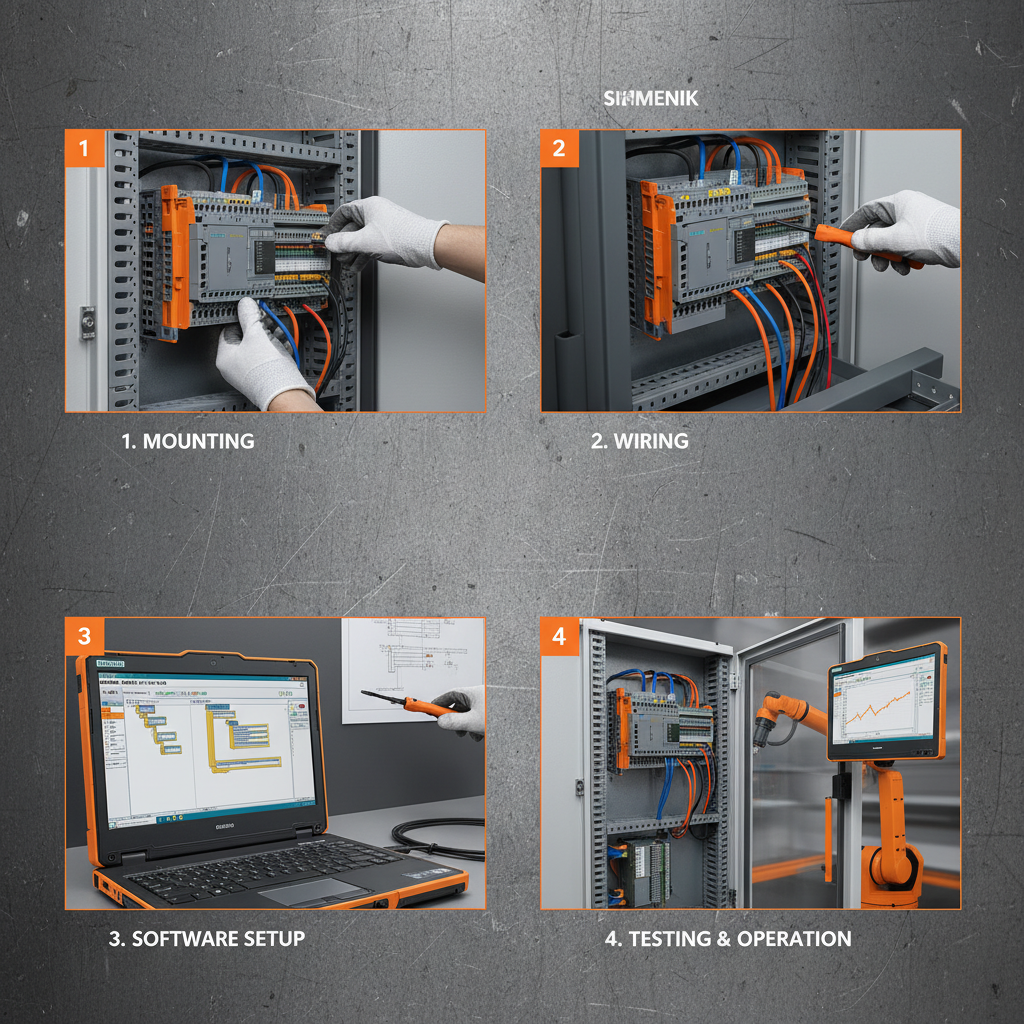
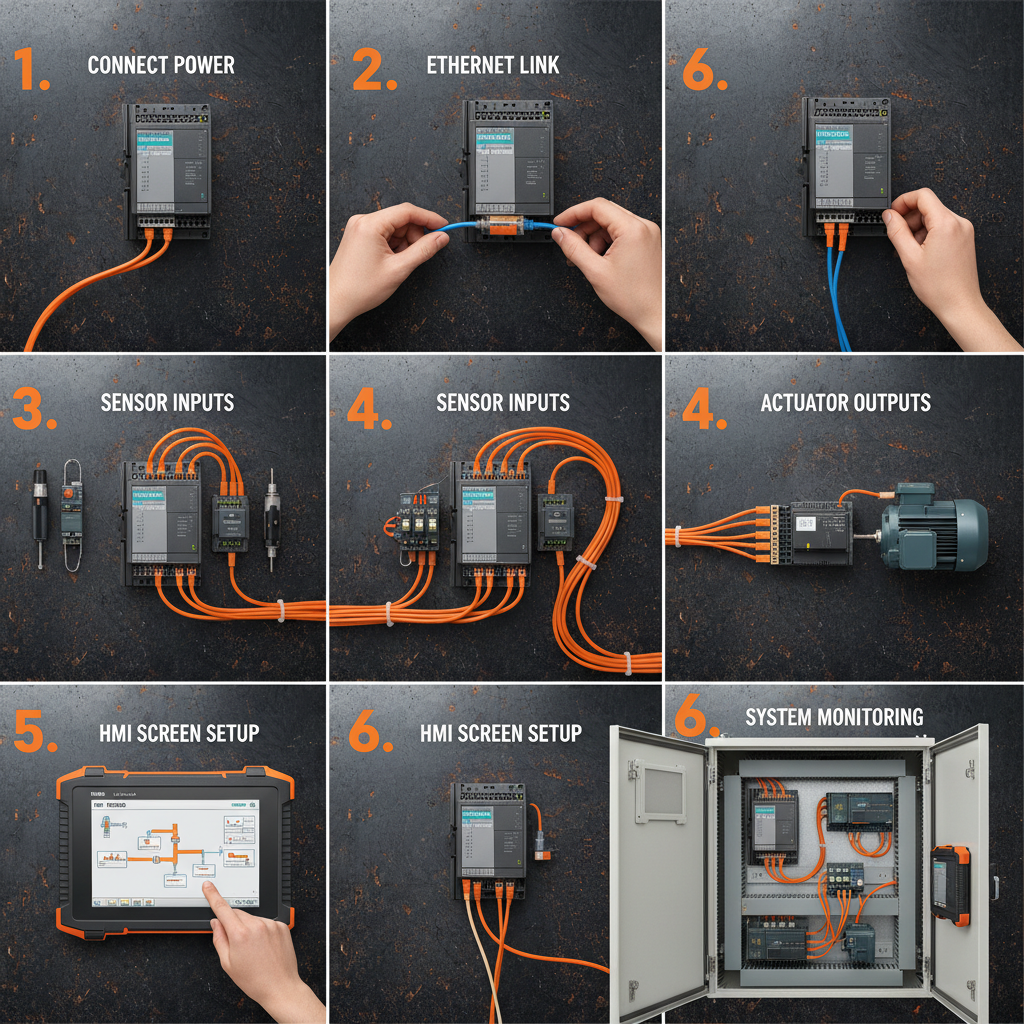
A3: Installation complexity depends on the model and application. Most modern drives come with plug-and-play features and detailed manuals, but basic electrical and control knowledge is necessary. Partnering with vendors offering training or tech support smooths the process.
Q4: Will a 1 to 3 phase VFD improve motor lifespan?
A4: Yes, by soft starting and controlling speed, the drive reduces mechanical wear and electrical stress, extending motor and equipment life.
Q5: Can these drives integrate with smart factory systems?
A5: Many modern 1 to 3 phase VFDs support common protocols like Modbus or CANbus, making integration into digital automation platforms straightforward.
Wrapping Up: Why This Matters for Your Facility
To sum it all up, 1 to 3 phase variable frequency drives turn infrastructure challenges into opportunities for efficiency, flexibility, and sustainability. Whether you’re in agriculture, manufacturing, water management, or even disaster relief logistics, they offer a practical solution that’s surprisingly cost-effective over time. So next time you hear about 1 to 3 phase vfd, remember it’s not just jargon, but a key piece of tech quietly powering a more efficient future.
If you’re interested in exploring offerings or need technical advice, visit our website: https://www.tianjinyongkai.com — we’d be glad to help you find the perfect fit for your needs.