Comprehensive Guide to 1kw VFD – Energy-Efficient Motor Control for Industries
Understanding 1kw VFD: What It Is and Why It Matters Globally
In today's fast-paced industrial landscape, a 1kw VFD — or a 1 kilowatt Variable Frequency Drive — might sound like just another technical gadget. Yet, it’s surprisingly significant, both for efficiency-conscious industries and for global sustainability efforts. Why? Because a device that can precisely control motor speed and torque while saving energy ends up being a quiet champion in reducing emissions and costs worldwide. Whether it’s in manufacturing plants, water treatment facilities, or even remote humanitarian projects, understanding the ins and outs of 1kw vfd technology is increasingly important.
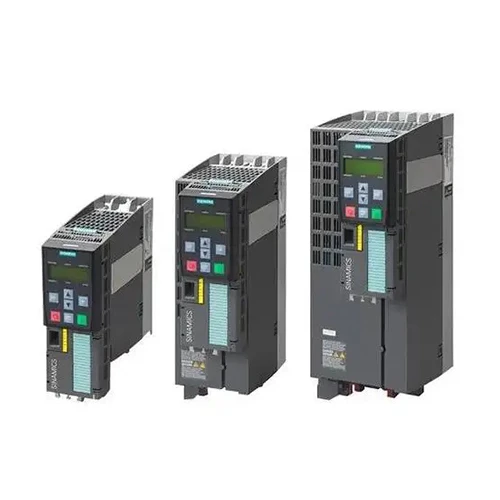
Briefly, a variable frequency drive regulates the frequency and voltage supplied to electric motors, giving you control over motor speed and power use. The 1kw size targets smaller machines or systems needing moderate power—think pumps, fans, and conveyors.
Why the Global Buzz?
Globally, energy efficiency is more than a buzzword. According to the International Energy Agency (IEA), electric motors consume nearly half of all electricity in industry worldwide, and VFDs can cut motor energy consumption by up to 30-50%. Given the UN's Sustainable Development Goals emphasizing affordable and clean energy, technologies like the 1kw vfd have direct environmental and economic impacts. But there’s also an operational challenge: industries want precise motor control to improve processes, reduce downtime, and extend equipment life — all while trimming energy costs.
Mini takeaway: A 1kw VFD isn’t just a motor controller; it represents an intersection of energy savings, operational optimization, and global sustainability.
What is a 1kw VFD?
Technically, a 1kw VFD is an electronic device that takes fixed-frequency input — typically your AC power supply — and converts it into variable frequency output for controlling AC motor speed. That might sound arcane, but its effect is straightforward: better control equals better efficiency.
Industries worldwide rely on them to tailor processes to immediate needs instead of running machines at full speed all the time. Think of a factory conveyor slowing down when there’s less product or a water pump varying flow depending on demand. In humanitarian contexts, lightweight, energy-efficient motor controls like the 1kw VFD enable reliable, off-grid powered solutions for water and sanitation, shelter construction, or small-scale power generation.
Core Components of a 1kw VFD
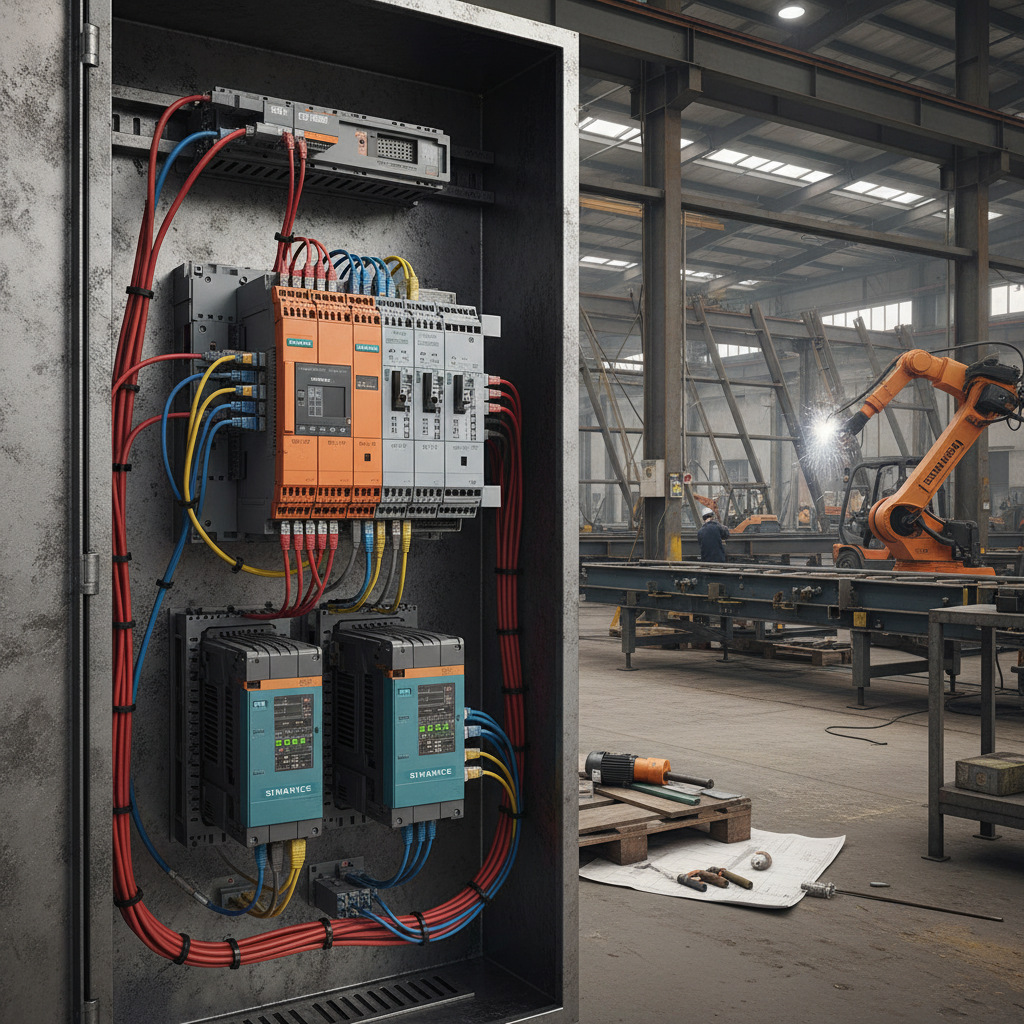
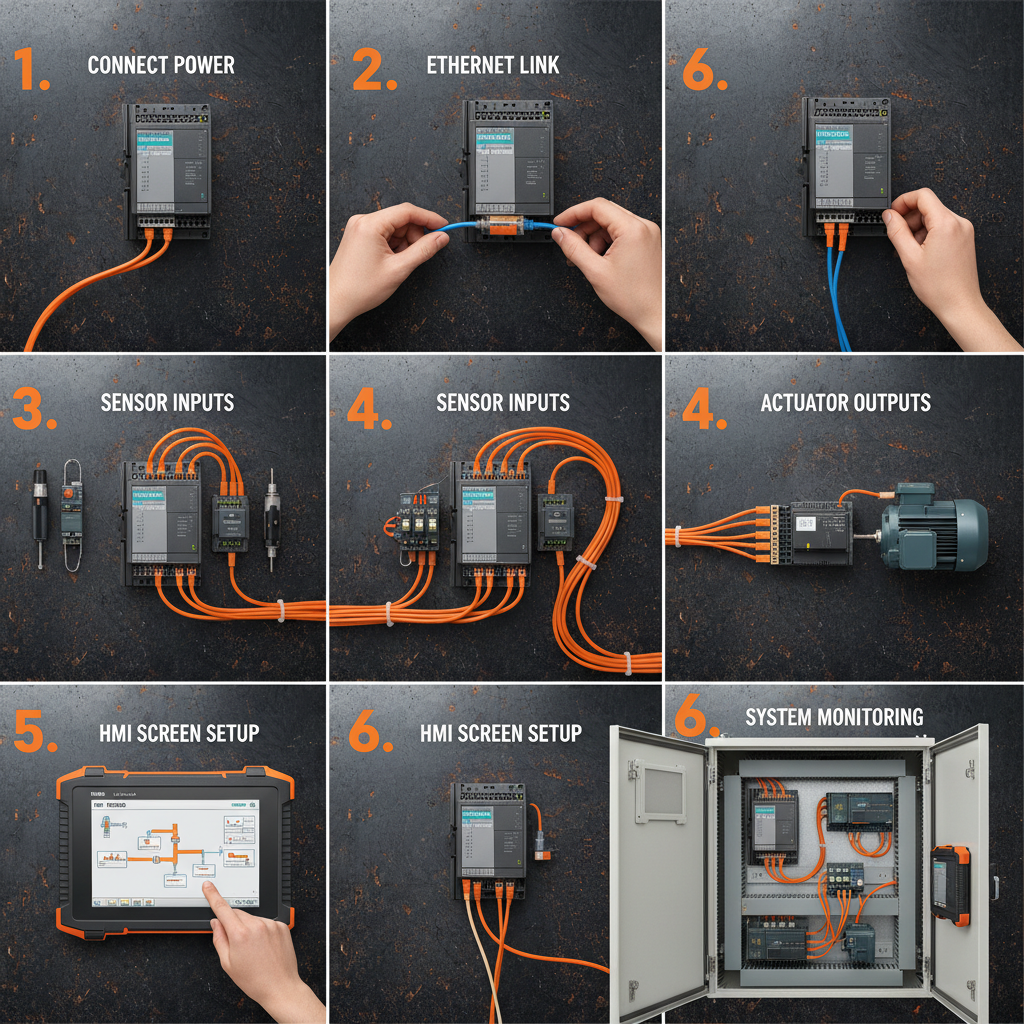
- Power Module: Converts AC to DC and then back to controlled-frequency AC to power the motor. Efficiency here is key because losses mean wasted energy.
- Control Circuit: The “brain” that adjusts frequency & voltage based on input settings or sensor feedback, enabling dynamic speed changes.
- Sensor Inputs: For monitoring motor parameters (speed, torque), helping protect the motor and optimize performance.
- Cooling System: Drives generate heat; good ventilation or heat sinks improve durability.
- User Interface: Simple digital panels or remote communication ports for easy operation and integration.
Each aspect has its role, but combined, they create a versatile, scalable system that can adapt to myriad tasks while preserving motor life and cutting electricity bills.
| Specification | Details |
|---|---|
| Power Rating | 1 kilowatt (1000W) |
| Input Voltage | 200-240V AC |
| Output Frequency | 0 – 400 Hz (adjustable) |
| Control Interface | Digital keypad, Modbus communication |
| Protection Features | Overload, overvoltage, overheating protection |
| Dimensions | 120mm x 100mm x 70mm (approx.) |
Global Applications and Use Cases
You may be surprised by the sheer variety of situations where a 1kw VFD pops up, often quietly but indispensably. Some spotlight scenarios include:
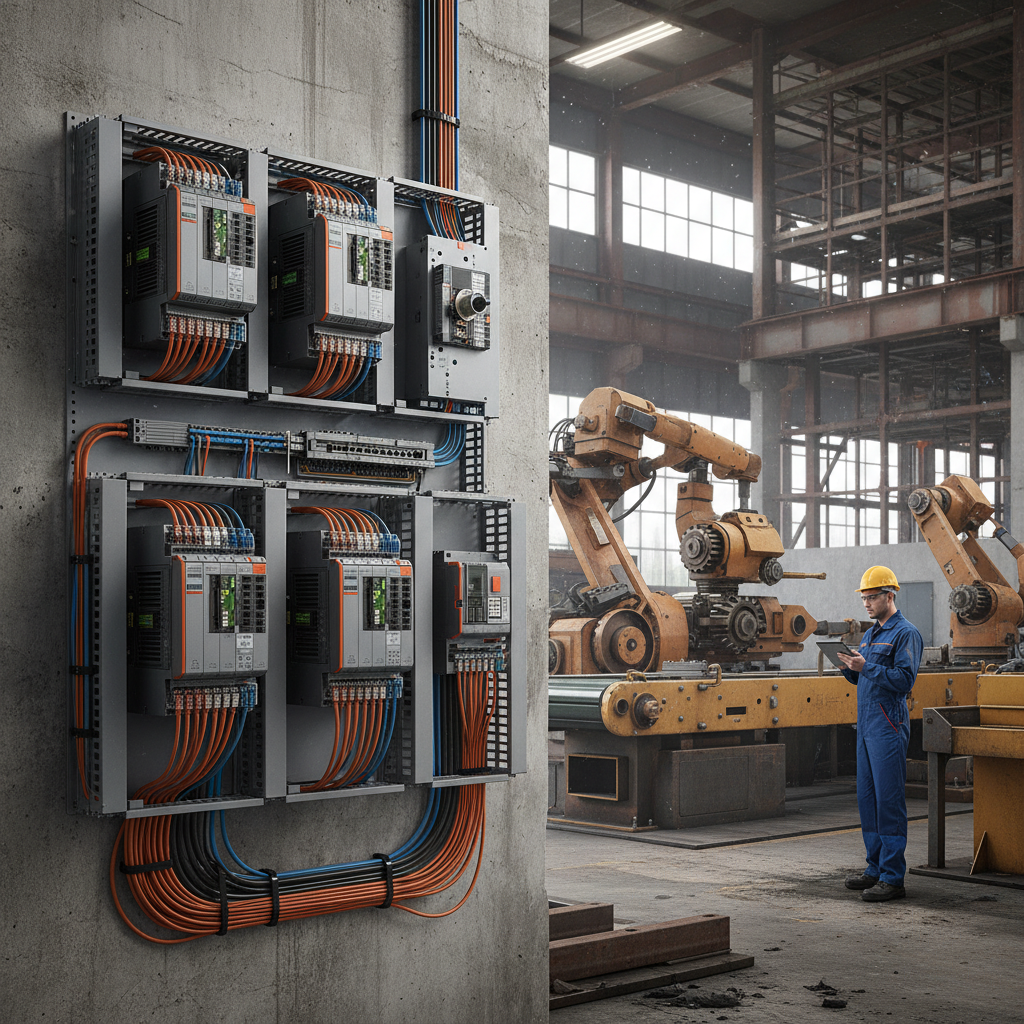
- Industrial Manufacturing: Small motor applications for conveyor belts, assembly lines, cooling fans.
- Water Treatment: Pump speed control to optimize water flow, reducing energy costs and wear.
- Agriculture: Irrigation systems that need variable water pressure depending on weather.
- Remote or Off-Grid Locations: Solar-powered water pumps or ventilation systems where power resources are limited.
- Disaster Relief Operations: Portable water purification or shelter air circulation where efficiency saves precious energy.
Oddly enough, some NGOs working in refugee camps value 1kw vfd tech for small-scale energy-efficient motor operations that reduce fuel reliance — a little shift that quickly snowballs in environmental and humanitarian benefits.
Vendor Comparison: Key Players in 1kw VFD Market
| Vendor | Price Range | Features | Warranty | Support |
|---|---|---|---|---|
| Tianjin Yongkai | $150 - $200 | Advanced features, Modbus RTU, compact design | 2 years | 24/7 technical support |
| Siemens | $180 - $230 | Robust, scalable, various communication protocols | 2 years | Global support network |
| Delta Electronics | $140 - $190 | Energy-saving modes, user-friendly UI | 1.5 years | Email and phone support |
Advantages and Long-Term Value of 1kw VFD
Framed simply, installing a 1kw vfd translates to better motor efficiency, reduced operational costs, and increased system longevity. There’s an emotional aspect as well: companies often feel more confident knowing their equipment adapts smoothly to demand, minimizing risks of sudden failures or wasteful energy use.
Plus, with rising global pressure to cut carbon footprints, VFDs play a direct part in meeting environmental regulations and supporting corporate social responsibility—kind of an operational and ethical win-win.
Future Trends and Innovations
Looking ahead, the 1kw VFD is poised to benefit from several innovative twists:
- Green Energy Integration: VFDs designed specifically for variable renewable energy sources (solar, wind), ensuring smoother power delivery.
- Digital & IoT Connectivity: Smarter drives that communicate motor health, energy use, and predictive maintenance data remotely.
- Miniaturization: More compact, lighter designs to fit versatile applications, including handheld and portable systems.
- Advanced Cooling Techniques: Using new materials or designs to improve lifespan and reduce downtime.
These directions promise a future where 1kw VFDs will be even more adaptable and sustainable.
Challenges and Solutions
Of course, VFDs aren’t magic. Some challenges linger:
- Initial Cost: While savings over time are substantial, upfront investment can be a hurdle, especially for small enterprises.
- Electrical Noise: VFDs can emit harmonic disturbances, potentially interfering with other devices.
- Complexity: Requires knowledgeable installation and maintenance; otherwise, benefits may not be fully realized.
Thankfully, many manufacturers now build VFDs with built-in filters and user-friendly interfaces, while training programs and consulting services help ease adoption pains.
FAQ: Frequently Asked Questions About 1kw VFD
- Q: How does a 1kw VFD improve energy efficiency compared to a fixed-speed motor?
- A: By adjusting motor speed based on real-time demand, a 1kw VFD minimizes unnecessary power consumption, often saving 30-50% of energy compared to motors running at constant speed.
- Q: Can I use a 1kw VFD for pumps of different sizes?
- A: Generally, a 1kw VFD matches motors up to 1 kilowatt rating. Using it for larger motors isn’t advised due to insufficient power capacity, which could cause damage or inefficiency.
- Q: Is installation of a 1kw VFD complicated?
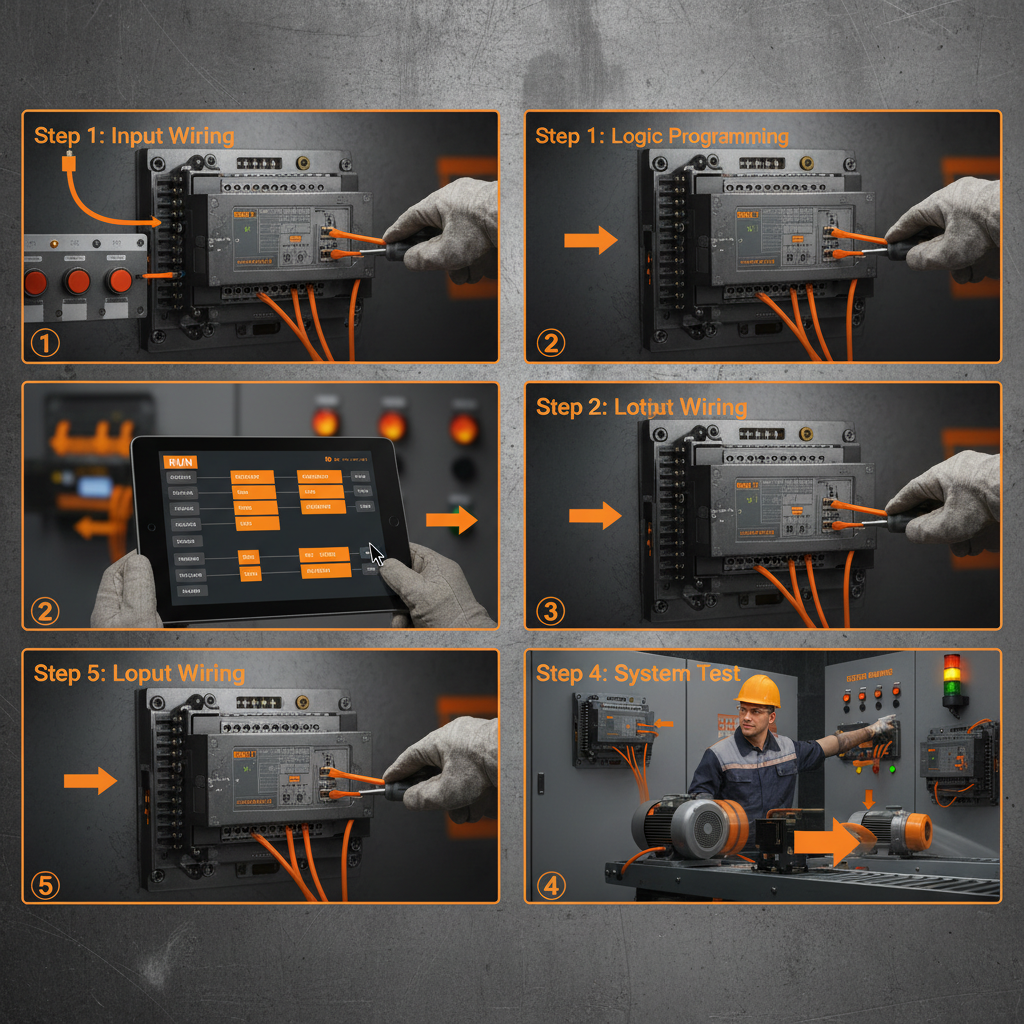
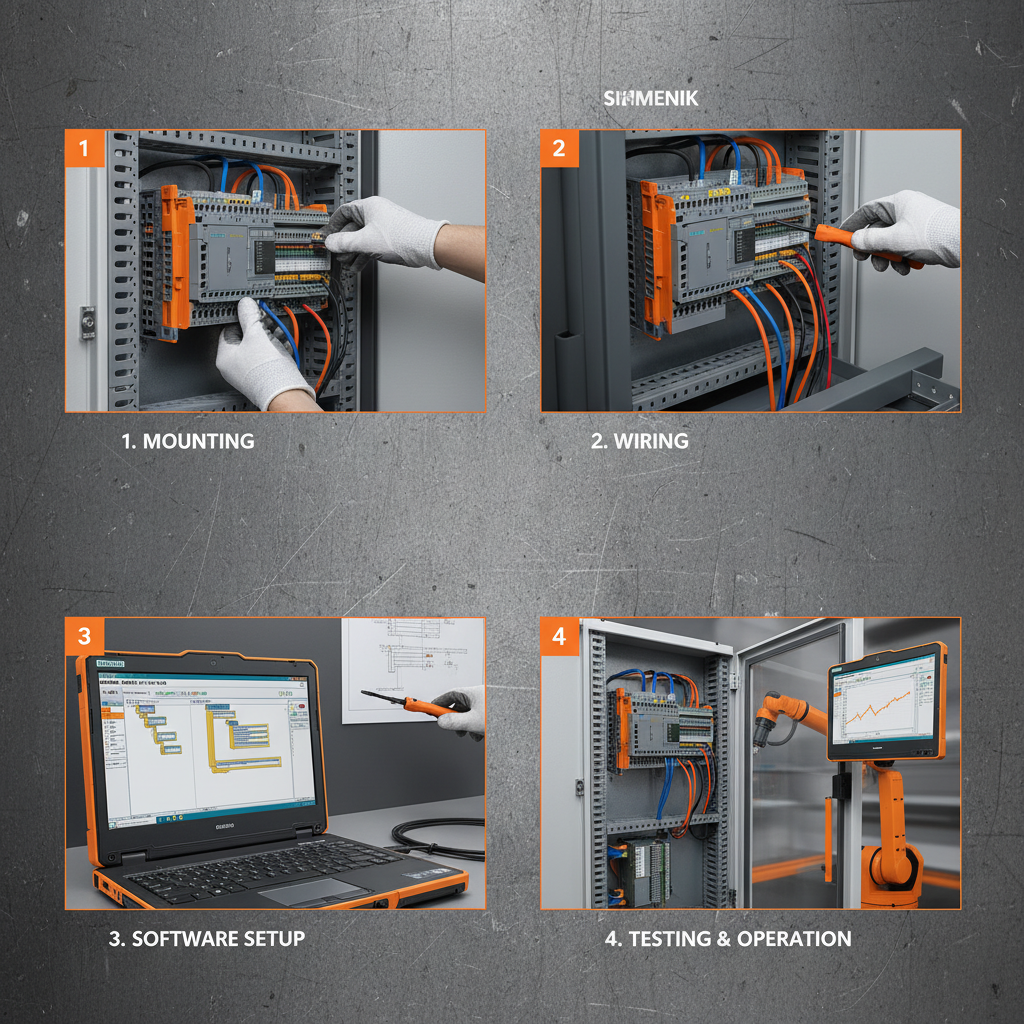
- A: It does require basic electrical expertise to ensure correct wiring, parameter settings, and integration with existing systems. Professional installation is recommended to optimize performance and safety.
- Q: Are 1kw VFDs compatible with renewable energy setups?
- A: Many modern 1kw VFDs are designed to work efficiently with solar or wind power systems, providing flexible motor control even with varying input power quality.
Conclusion and Call to Action
All in all, the 1kw vfd is not just a niche industrial accessory. It’s a small but vital cog driving efficiency, sustainability, and smarter motor control across many global contexts. If you’re looking to reduce energy costs, extend the life of your motors, or tap into the future of smart manufacturing, exploring 1kw VFD options is a wise step.
Want to learn more or find high-quality 1kw VFDs for your business needs? Visit Tianjin Yongkai’s website and explore their leading offerings with expert support.
In short: understanding and adopting 1kw VFD technology is a savvy and sustainable way forward for industries worldwide.