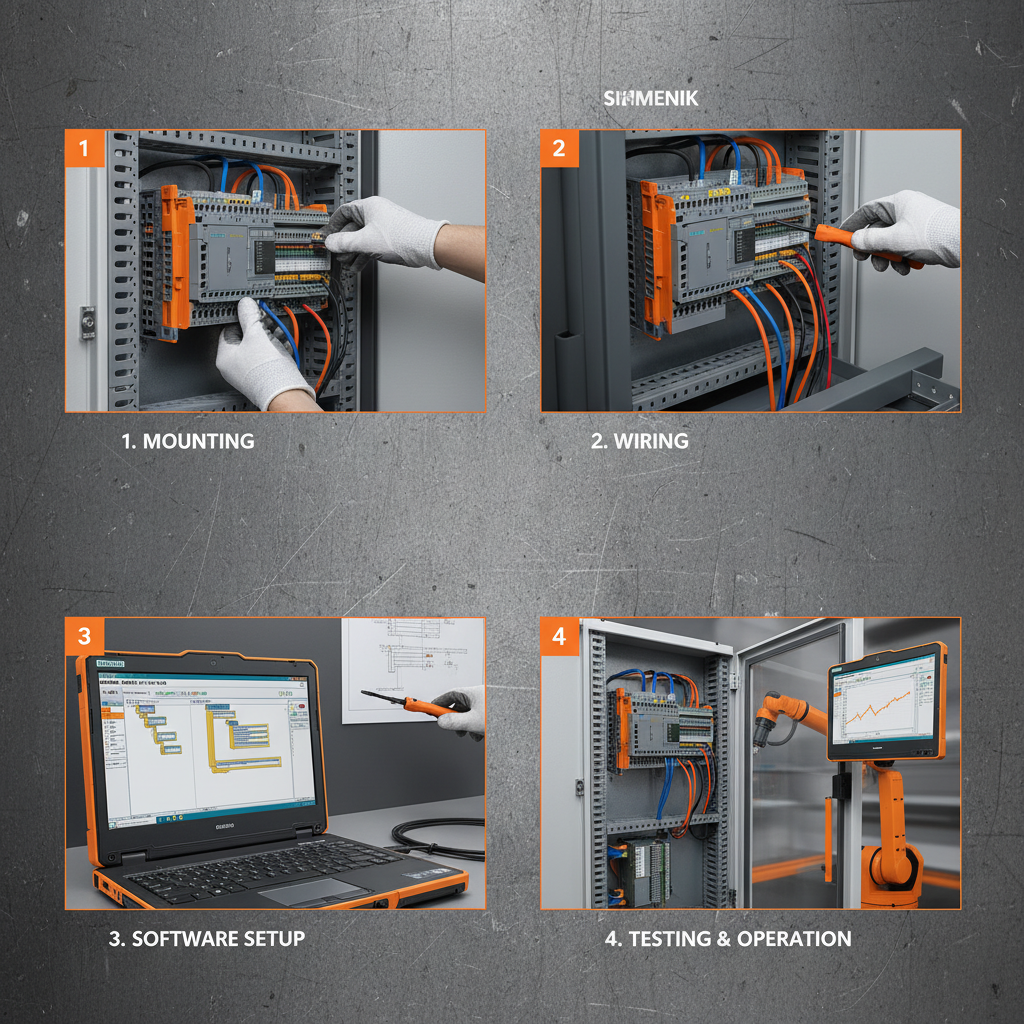
Comprehensive Guide to 2 hp Electric Motor with VFD – Efficiency & Applications
Understanding 2 hp Electric Motor with VFD: Power Meets Precision
In our increasingly electrified and energy-conscious world, the 2 hp electric motor with VFD (Variable Frequency Drive) emerges as a quiet champion of efficiency and adaptability. You might be wondering, why focus on something as “small” as a 2 horsepower motor? Frankly, these motors are everywhere, powering a swath of industrial applications with astonishing precision while saving energy and costs. Understanding their relevance is not just technical curiosity—it’s a step towards smarter, greener industry practices globally.
Introduction: A Global Perspective on 2 hp Electric Motors with VFD
Globally, electric motors consume almost half of the world’s electricity according to the International Energy Agency (IEA), with industrial motors leading the charge. Implementing Variable Frequency Drives (VFDs) enhances motor efficiency by adjusting motor speed to actual load demands rather than running at full throttle all the time. This shift is critical when you consider emerging markets’ industrial growth and environmentally conscious regulations worldwide (source: IEA).
Challenge? Motors running at fixed speed waste energy and often cause premature wear. Using a 2 hp electric motor with VFD specifically balances manageable power output with fine-tuned control suitable for small-to-mid scale operations—making it a global workhorse in manufacturing, HVAC, water treatment, and other sectors.
What Is a 2 hp Electric Motor with VFD?
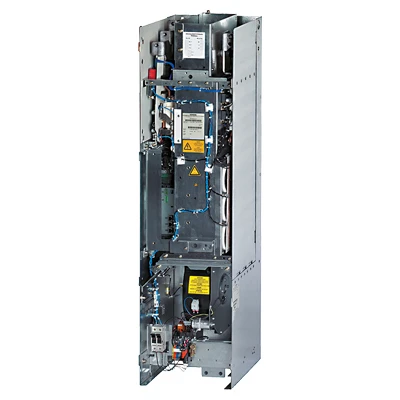
Simply put, a 2 horsepower electric motor is a relatively modest-sized motor commonly used for pumps, conveyors, machine tools, and fans. A VFD is an electronic controller that varies the input frequency and voltage supplied to the motor, thus regulating its speed and torque. Together, this combo delivers flexibility, energy savings, and reduced mechanical stress.
You can think of a 2 hp motor with VFD as a "smart motor" that adapts to real-time needs rather than forcing equipment to run at a constant speed regardless of workload. It’s incredibly relevant in modern industrial ecosystems striving for optimization, sustainability, and cost control.
Key Components That Make It Tick
- Durability: These motors are often designed with rugged bearings and sealed housings to withstand harsh environments and varying loads.
- Energy Efficiency: VFDs enable dramatic energy savings by matching motor speed to process demand rather than running full speed continuously.
- Control Precision: Variable frequency inputs change motor speed smoothly, reducing mechanical shock and improving process quality.
- Cost Efficiency: Though initial costs are higher, savings on electricity and maintenance justify the investment quickly.
- Ease of Integration: Modern VFDs come with communication protocols (like Modbus) enabling integration with automation systems.
In practical terms, these factors translate into a motor that lives longer, costs less to operate, and blends seamlessly into smarter factories.
Product Specification: Typical 2 hp Electric Motor with VFD
| Specification | Details |
|---|---|
| Power Output | 2 Horsepower (1.5 kW) |
| Voltage | 230/460 V (3-phase) |
| Speed Range | 0 to 3600 RPM (controlled via VFD) |
| Efficiency Class | IE3 Premium Efficiency |
| Enclosure | TEFC (Totally Enclosed Fan Cooled) |
| VFD Features | Programmable speed control, soft start/stop, overload protection |
Where Are These Motors at Work? A Global Look
Oddly enough, the 2 hp motor with VFD isn’t just a factory staple in the US or Europe. These motors find vital roles globally:
- Water Treatment Plants: Precise flow control in pumps improves resource use in areas with scarce water supply (e.g., parts of Africa and India).
- HVAC Systems: Variable speed drives help reduce energy in climate control for skyscrapers in megacities worldwide.
- Small Manufacturing: In Southeast Asia, these motors drive conveyor belts and tools efficiently, supporting booming industries.
- Disaster Relief: Portable pumping and power systems using 2 hp motors help get clean water flowing quickly after natural disasters.
2 hp electric motor with vfd solutions increasingly empower remote industrial zones needing reliable yet energy-efficient power.
Advantages and Long-Term Value
From a financial point of view, energy savings can easily cut operational costs by 20-50% compared to fixed-speed motors. Environmentally, this means a smaller carbon footprint per output unit, crucial in an era of climate sensitivity.
On the emotional "human" side of things, operators often report less noise and vibration — which frankly makes work more pleasant and safer. Additionally, reduced mechanical stress means fewer unexpected breakdowns, building trust in equipment reliability.
Vendor Comparison: Top 3 2 hp Electric Motor with VFD Providers
| Brand | Price Range | Efficiency Rating | Warranty | Best For |
|---|---|---|---|---|
| Tianjin Yongkai | $$$ | IE3 | 3 years | Industrial & Remote Sites |
| Siemens | $$$$ | IE4 | 5 years | High-Precision Industrial Applications |
| WEG Electric | $$ | IE2+ | 2 years | Cost-Sensitive Projects |
Future Trends & Innovations to Watch
The motor industry is not standing still. Innovations such as digital twins—virtual replicas of motors for predictive maintenance—and integration of IoT sensors are becoming mainstream. Green energy compatibility, like direct coupling with solar-powered inverters, also stands out for remote-area applications.
Policy-wise, as ISO and IEC continue tightening efficiency standards globally, even small motors with VFDs must push beyond current IE3 ratings to reduce emissions further.
Challenges & How Experts Solve Them
While VFDs bring many benefits, challenges include:
- Initial cost and complexity can deter small businesses.
- Harmonic distortion from VFDs may interfere with other equipment.
- Technical skill required for proper installation and maintenance.
Experts recommend robust training, harmonic filters, and modular installation kits to ease these hurdles. Plus, vendors increasingly offer plug-and-play VFDs with smart diagnostics, making life easier for operators and maintenance teams alike.
FAQ: Quick Answers on 2 hp Electric Motor with VFD
Q1: How much energy can a 2 hp motor with VFD save compared to fixed-speed?
A1: Typically, energy savings range from 20% to 50%, depending on the application’s load variability. Pumps and fans with variable loads see the most benefit.
Q2: Can a 2 hp motor with VFD run on single-phase power?
A2: Generally, 2 hp motors are three-phase. Some VFDs can convert single-phase input to three-phase output, but it’s best confirmed with the supplier.
Q3: What maintenance does a VFD system require?
A3: Regular inspection for dust, humidity control, and firmware updates are recommended. Keeping cooling fans functional is crucial to avoid overheating.
Q4: Are these motors suitable for outdoor use?
A4: Yes, if rated with a suitable enclosure like TEFC or IP55, which protects against dust and water ingress.
Conclusion: Why a 2 hp Electric Motor with VFD Is a Smart Choice
Long-term, adopting a 2 hp electric motor with VFD means smarter energy use, reliable performance, and alignment with global sustainability goals. Whether you're upgrading industrial machinery or deploying remote equipment, this combination delivers flexibility and savings that's frankly hard to beat.
Explore options today and discover how this technology can power your next project efficiently and responsibly.
Quick takeaway: Small horsepower motors paired with VFDs pack a big punch in efficiency and control. Keep an eye on evolving standards and smart tech integrations—they’ll only get better.