Efficient VFD Solutions for 2HP 3 Phase Motors | Tianjin Yongkai
Understanding VFD for 2HP 3 Phase Motors: Why It Matters Today
Variable Frequency Drives (VFDs) for 2HP 3 phase motors might sound like a niche technical detail reserved for engineers, but they’re much more relevant than you’d think. In industries from manufacturing to water treatment, controlling motor speed efficiently is crucial. Globally, energy consumption linked to electric motors accounts for roughly 45% of the world’s electricity use (according to the International Energy Agency), so even small improvements carry significant environmental and economic impact.
For a 2HP 3 phase motor—the sort commonly found in small pumps, conveyors, or HVAC systems—a VFD offers optimized performance, energy savings, and extends equipment lifespan. And beyond saved dollars and watts, it’s about smarter, greener industry practices at scale.
VFD for 2HP 3 Phase Motor: A Snapshot of Global Relevance
Believe it or not, the global push for energy efficiency is driving VFD adoption in places you might not expect. From industrial zones in Southeast Asia to municipal water utilities in Europe, the implementation of vfd for 2hp 3 phase motor solutions reflects a serious commitment to cutting energy waste. The United Nations’ Sustainable Development Goals also emphasize technological innovation to improve infrastructure and clean energy, of which VFDs are a part.
Yet challenges remain. The upfront integration cost and technical know-how are significant hurdles for smaller operators or in developing regions. This gap is where understanding VFD benefits becomes a game-changer—not just reducing costs, but enabling cleaner operations and scalable efficiency.
What Exactly Is a VFD for a 2HP 3 Phase Motor?
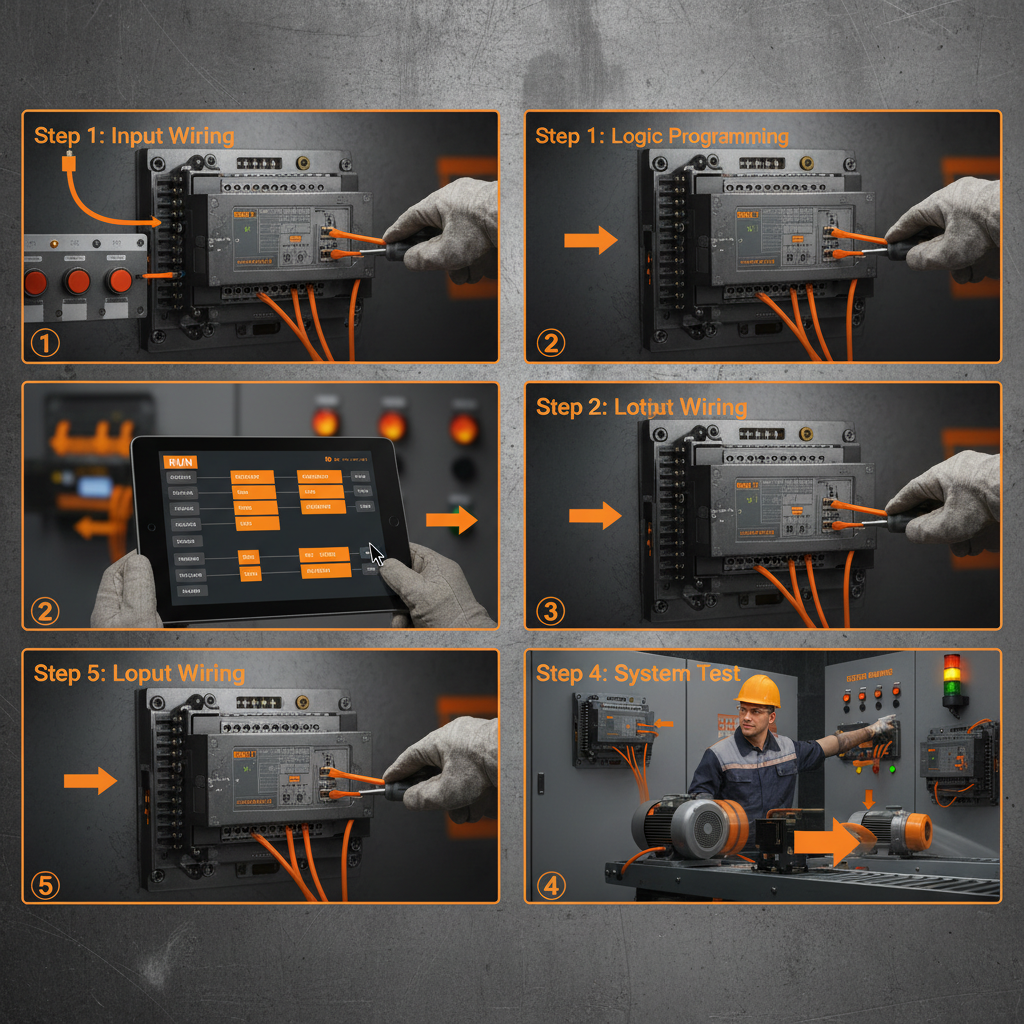
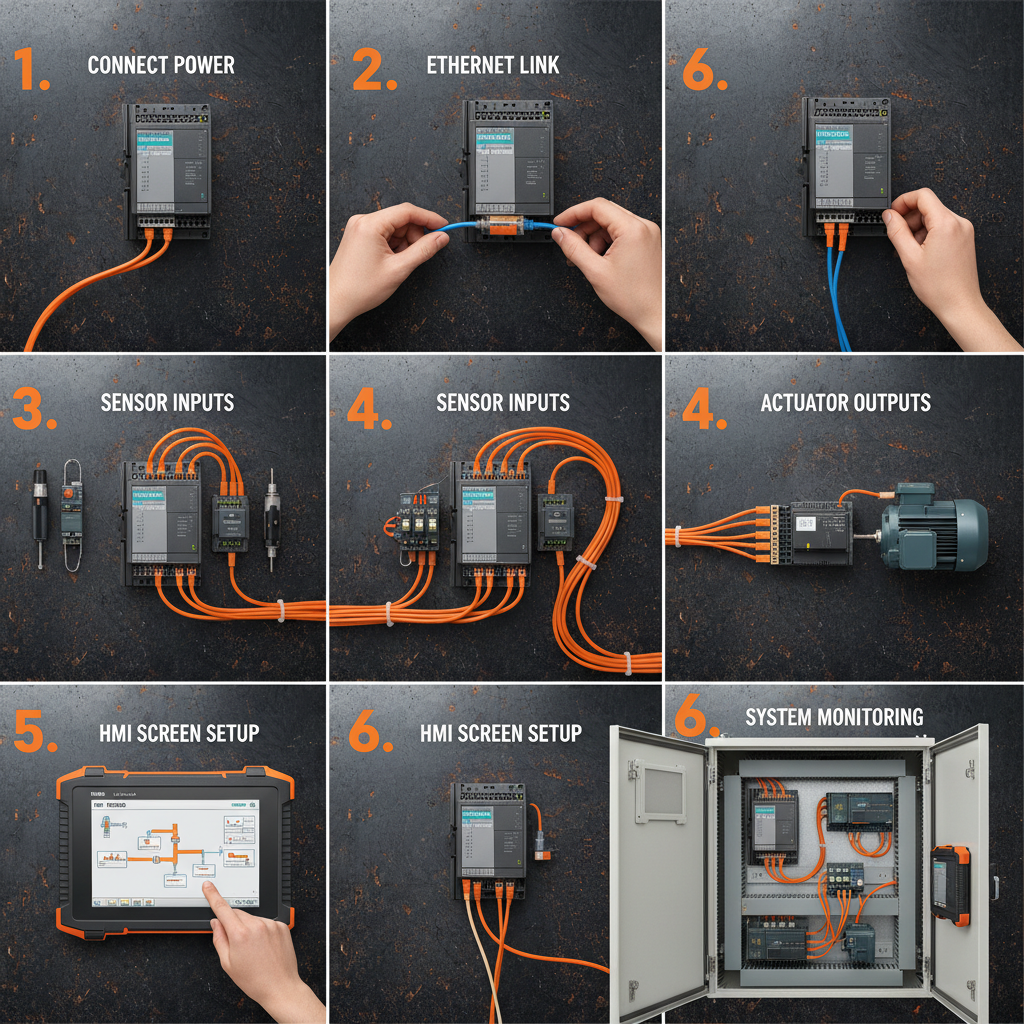
Simply put, a Variable Frequency Drive is an electronic device that controls the speed and torque supplied to a three-phase electric motor by adjusting voltage and frequency. For a 2HP 3 phase motor—which has fairly modest power—it means you’re not just turning it ON or OFF but modulating its performance to exactly what the operation demands.
This isn't just a piece of tech wizardry; it connects deeply to modern industrial goals: saving energy, reducing mechanical stress, cutting emissions, and enabling fine-tuned control that supports automation and IoT efforts today.
What Makes a Good VFD for a 2HP Motor? Key Factors to Consider
Energy Efficiency
One of the strongest draws of VFDs is the energy savings. By running motors at the speed required, not full throttle, you can drastically cut power use. This is especially important with a 2HP motor, where load variations frequently occur.
Durability and Reliability
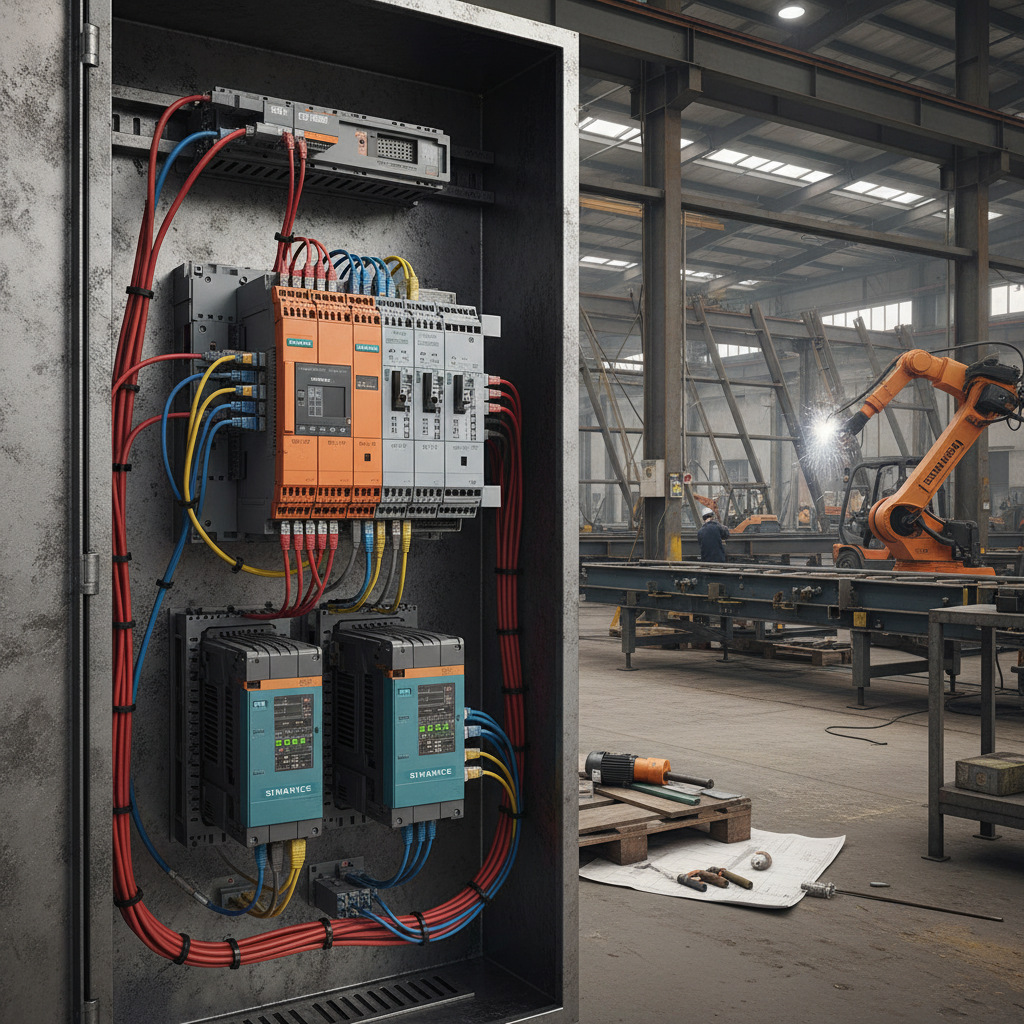
A VFD must withstand harsh industrial environments—temperature swings, dust, vibration. For everyday equipment running a 2HP motor, robustness isn’t a luxury, it’s a must.
Cost-Effectiveness
Initial costs can feel steep, but long-term operation and maintenance savings, combined with energy reductions, make VFDs economically attractive for most users.
Compatibility and Scalability
The VFD’s ability to integrate seamlessly with existing motor systems and potential future upgrades matters. Especially in modular industrial setups where replacing hardware entirely isn’t feasible.
User Interface & Controls
Simple, intuitive controls with options for remote monitoring let operators react faster and optimize processes on the fly.
Common Specifications of a Typical VFD for 2HP 3 Phase Motors
| Specification | Details |
|---|---|
| Motor Power | 2 HP (1.5 kW) |
| Input Voltage | 380–480 VAC, 3-phase |
| Output Frequency Range | 0–400 Hz |
| Control Type | V/f, Sensorless Vector Control |
| Protection Features | Overvoltage, Overcurrent, Thermal |
| Communication Protocol | Modbus RTU, Optional Ethernet |
Who’s Using VFDs for 2HP Motors and Why?
Real-world applications vary, but you’ll often find these VFDs in:
- Small manufacturing plants optimizing conveyor speeds
- Building automation for HVAC to minimize power consumption
- Agricultural irrigation systems controlling pump speeds
- Post-disaster water supply setups that need flexible operation under uncertain loads
For example, water treatment facilities in Mediterranean countries rely on 2HP motor VFDs to adjust pump output throughout the day, saving thousands of kilowatt-hours annually.
Another interesting angle: in remote industrial zones, where power is expensive or generated onsite, fine control ensures longer generator life and less fuel consumption.
Vendors and How They Stack Up
| Vendor | Key Features | Price Range | Support & Warranty |
|---|---|---|---|
| Tianjin Yongkai | Robust design, Ethernet Modbus, easy setup | $230–$280 | 2 years + global tech support |
| Siemens | Industry standard, advanced diagnostics | $300–$400 | 3 years, extensive training programs |
| Schneider Electric | Energy monitoring, user-friendly interface | $280–$350 | 2 years, global service network |
Why Should You Consider Using a VFD on Your 2HP 3 Phase Motor?
In real terms, many operators find that VFDs:
- Cut energy costs by up to 30–50% in applications with variable load
- Reduce mechanical wear thanks to soft-start functionality, leading to lower maintenance
- Improve process control, increasing productivity and product quality
- Lower carbon footprints by reducing electricity consumption and associated emissions
Honestly, these benefits combine to build trust and confidence in facilities that want to stay competitive without compromising environmental goals.
Looking Ahead: Innovations and Trends in VFD Technology
The future is bright — and digital. VFDs are evolving with features like built-in IoT sensors, AI diagnostic capabilities, and enhanced integration with renewable energy systems (think solar-powered pumps). These advances promise even better energy management, predictive maintenance, and smoother automation workflows.
More eco-friendly materials and green manufacturing practices are also emerging, making VFD equipment not just a tool of saving energy but part of a sustainable industrial life cycle.
Overcoming Challenges in VFD Deployment
It’s not all smooth sailing, of course. Some common hurdles include:
- Technical complexity: Requires trained personnel for setup and maintenance.
- Initial cost barriers: Small operators hesitate to invest upfront despite long-term gains.
- Electromagnetic interference: Needs proper grounding and shielding to avoid issues.
However, modular designs and better educational resources from vendors like Tianjin Yongkai help ease integration. Plus, grant programs and subsidies in some countries support initial investment costs.
FAQ: Your Practical Questions About VFDs for 2HP 3 Phase Motors
- Q: How much energy can I realistically save by installing a VFD on my 2HP motor?
- A: Energy savings typically range between 20% and 50%, depending on operating hours and load variability. Pumps and fans with fluctuating demands benefit most.
- Q: Is a VFD compatible with all 3 phase motors?
- A: Most standard 3 phase induction motors, including 2HP models, work well with VFDs. For specialty motors, always verify with the manufacturer.
- Q: Can I install a VFD myself, or do I need a professional?
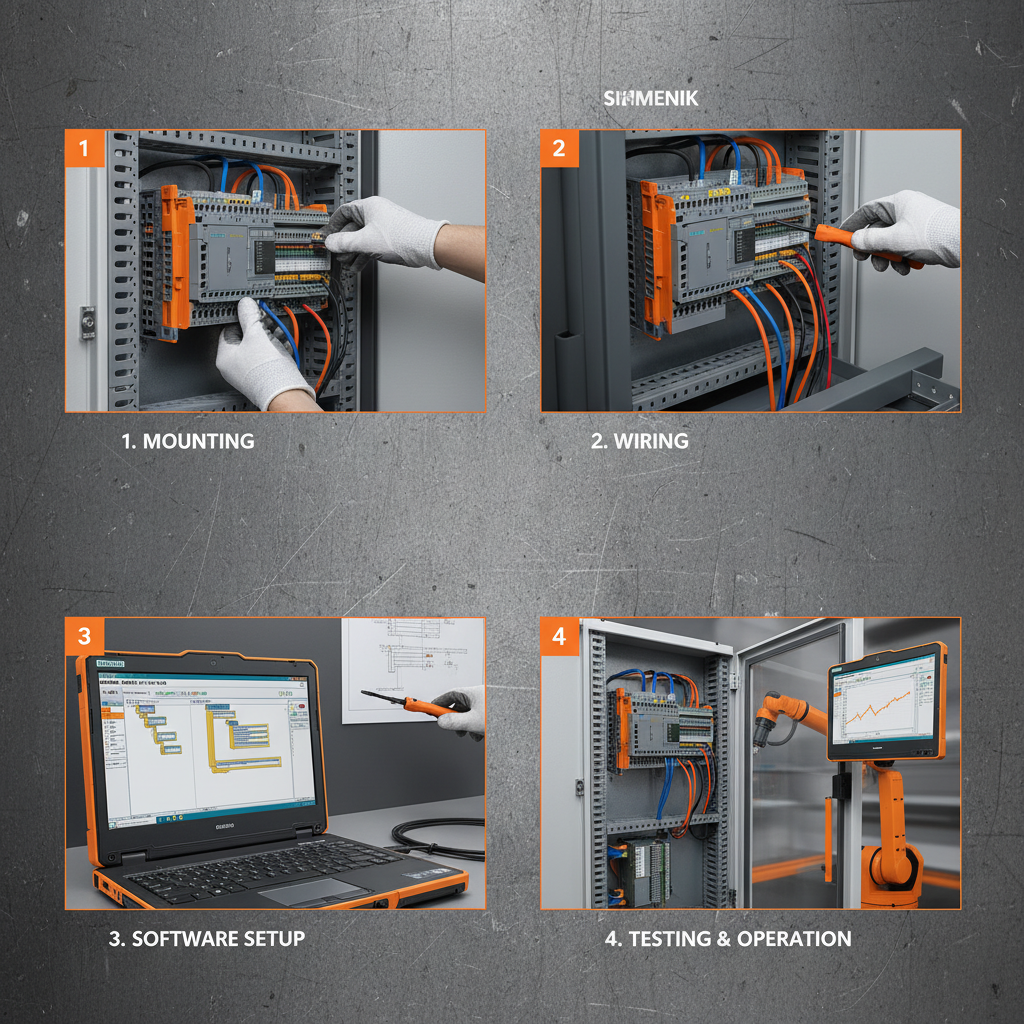
- A: While some savvy users might perform basic installations, it's strongly recommended to have a qualified technician install and program the VFD to ensure safety and optimal performance.
- Q: Are VFDs suitable for outdoor or harsh environments?
- A: Yes, many VFDs come with IP-rated enclosures and features to handle dust, moisture, and temperature extremes. Confirm specs before purchase.
- Q: Where can I find reliable vendors for VFDs targeting 2HP 3 phase motors?
- A: Trusted brands like Tianjin Yongkai, Siemens, and Schneider Electric provide robust options — check their websites or authorized distributors.
In Conclusion: Why Invest in a VFD for Your 2HP 3 Phase Motor?
All told, the case for deploying a vfd for 2hp 3 phase motor boils down to smarter energy use, better process control, and longer equipment life. Whether you’re managing a small plant, optimizing building utilities, or retrofitting irrigation systems, the advantages pay off not just in numbers but in smoother, quieter, and more sustainable operations.
For deeper insights and reliable products, feel free to visit our website — exploration always begins with the first step.
Mini Takeaway:
A VFD tuned for your 2HP 3 phase motor is more than a gadget; it’s a practical step towards an efficient and responsible future.
References: