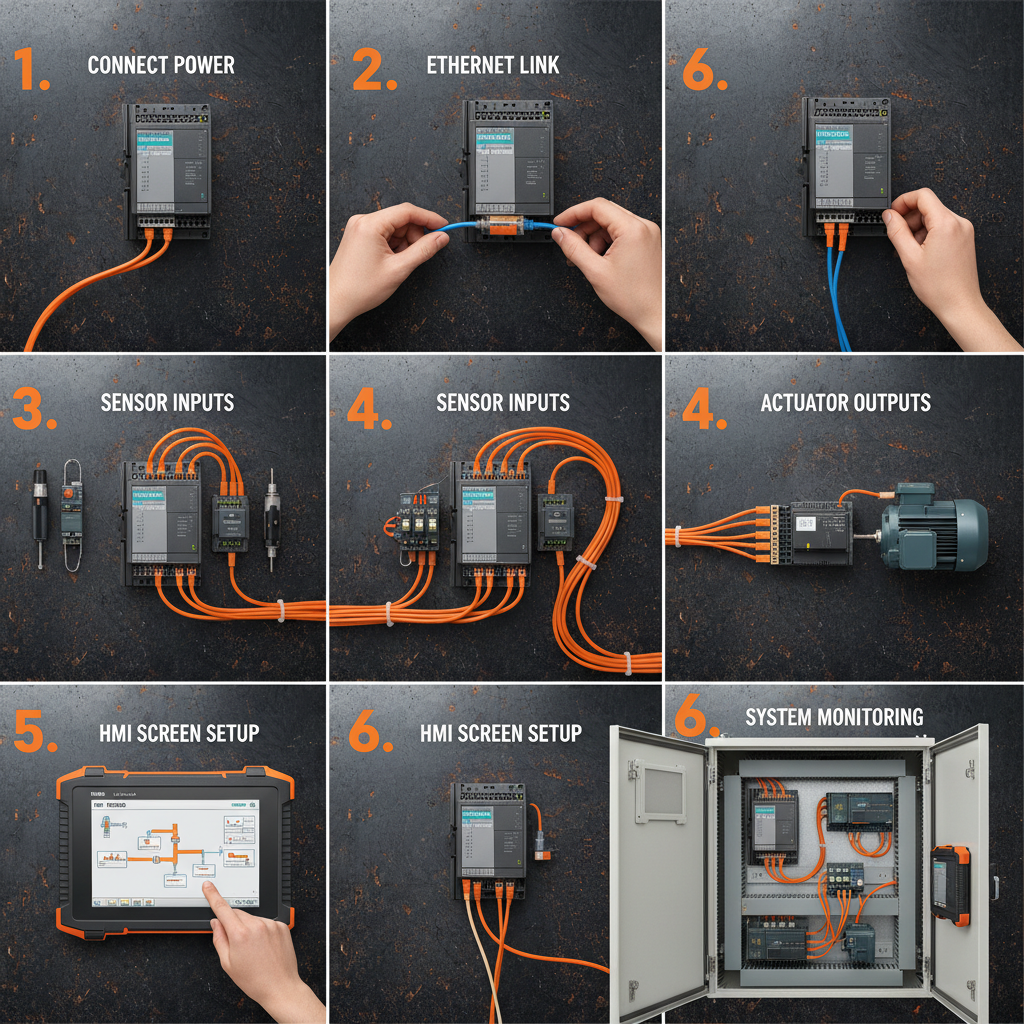
VFD Drives: Smarter Motor Control and Energy Savings
If you're working in manufacturing, HVAC, agriculture, or any system that involves electric motors, chances are you’ve heard of VFD drives—and for good reason. A Variable Frequency Drive (VFD) is one of the most efficient tools for controlling motor speed, improving performance, and cutting energy costs.
With a wide range of VFD drives for sale, now is an ideal time to explore how they work, why they matter, and what to look for when you're shopping for the right model.
What Are VFD Drives?
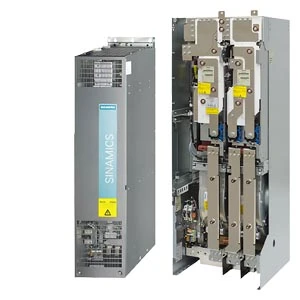
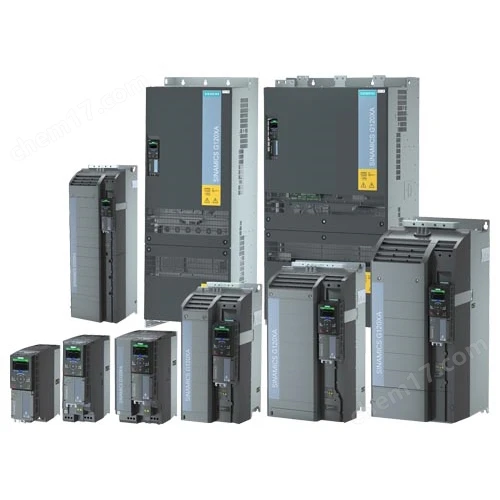
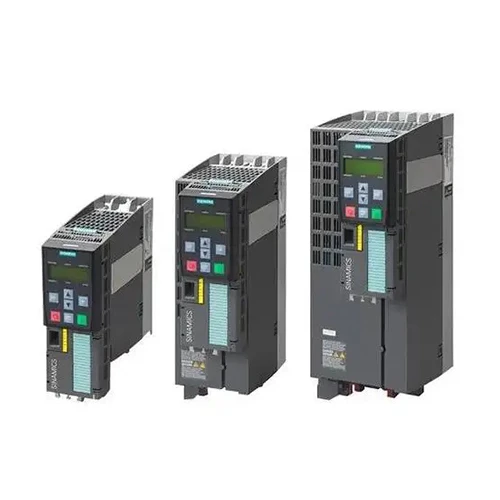
VFD drives, or Variable Frequency Drives, are electronic devices used to control the speed and torque of electric motors by varying the frequency and voltage of their power supply. They’re especially useful in applications where you don’t need a motor to run at full speed 100% of the time.
Core benefits of using VFD drives include:
Energy efficiency – Save up to 50% on energy costs in variable-speed applications
Improved motor life – Reduces mechanical and thermal stress
Smooth acceleration/deceleration – Avoids electrical and mechanical shock
Process optimization – Fine-tune speed to match demand
Remote monitoring and control – Integrated with PLCs or SCADA systems
From conveyor belts to water pumps, VFDs make motors smarter, quieter, and cheaper to operate.
Where Are VFDs Used?
You’ll find VFD drives across nearly every industry that relies on electric motors:
HVAC systems – Adjust fan and compressor speeds based on demand
Water and wastewater plants – Pump flow control
Manufacturing – Precision control of conveyors, mixers, and spindles
Agriculture – Grain dryers, irrigation pumps
Mining – Crusher and ventilation systems
Commercial buildings – Elevators, escalators, chiller systems
Whether you're optimizing a single motor or automating an entire line, a VFD for sale can be a high-ROI investment.
Key Types of VFD Drives
There are several configurations depending on the motor and application:
1. AC VFD Drives
Most common type
Used with standard three-phase AC motors
Ideal for HVAC, fans, pumps, and conveyors
2. DC VFD Drives
Less common, mostly for legacy systems
Used where DC motors are still in place
3. Single-phase to Three-phase Converters
Converts single-phase input to three-phase output using a VFD
Popular in rural or off-grid setups where only single-phase power is available
4. Sensorless Vector Drives
Offers more precise torque control without an external encoder
Useful in elevators, hoists, and cranes
What to Look for When Buying a VFD
If you're searching for a VFD for sale, keep these technical and practical considerations in mind:
|
Specification |
What It Means |
|
Voltage rating |
Match to your power supply (e.g., 230V, 460V) |
|
Horsepower/kW |
Must match or exceed the motor’s requirements |
|
Input phase |
Single-phase or three-phase input |
|
Control interface |
Keypad, analog inputs, Modbus, Ethernet |
|
Overload rating |
Handles brief power surges—important for pumps |
|
Enclosure rating |
IP/NEMA rating based on installation environment |
|
Cooling |
Fan-cooled or heatsink—depends on power and location |
|
Certification |
UL, CE, RoHS for global compliance |
Many industrial buyers look for VFD drives for sale in bulk, often in packs or panels pre-wired with contactors and breakers.
VFD Price Guide (2025)
Pricing varies based on voltage, features, and power rating. Here’s a general idea:
|
Power Rating (HP) |
Typical Use Case |
Price Range (USD) |
|
1–3 HP |
Fans, small pumps |
$90 – $300 |
|
5–10 HP |
HVAC, conveyors |
$250 – $600 |
|
15–30 HP |
Process equipment |
$500 – $1,200 |
|
40–75 HP |
Industrial applications |
$1,000 – $2,500+ |
|
100 HP and above |
High-power motors |
$2,500 – $10,000+ |
Look for VFD drives for sale from trusted suppliers, especially those who offer tech support, documentation, and application advice.
Should You Buy a VFD Online?
Online platforms often offer the widest selection and best prices for VFD drives. However, buying direct from a verified supplier or distributor ensures you’re getting:
Proper warranty coverage
Technical documentation and specs
Support for installation or programming
Faster replacements if needed
If you’re a facility manager or integrator, many suppliers offer OEM and bulk pricing with value-added services.
VFD Drives FAQs
Q1: Can I use a VFD with a single-phase input?
A: Yes, but only certain models. Some VFD drives accept single-phase input and convert it to three-phase output, ideal for running industrial motors in areas without three-phase power.
Q2: What size VFD do I need?
A: Match your motor’s horsepower and voltage. Always choose a VFD with at least 10–20% overhead to handle startup loads or voltage fluctuations.
Q3: Can one VFD control multiple motors?
A: Yes, but all motors must run at the same speed and be protected individually with overload devices. It’s more common to dedicate one VFD per motor.
Q4: Do VFDs improve energy efficiency?
A: Absolutely. In variable load applications like pumps and fans, energy savings can reach 30–50%, especially when paired with smart sensors or automation systems.
Q5: Can I install a VFD myself?
A: Technically, yes—but for safety and performance, professional installation is highly recommended, especially for units above 5 HP or involving complex integration.