What Is a Variable Frequency Drive (VFD)? | Industrial Equipment Insights
What Is a Variable Frequency Drive (VFD)?
After working in the industrial equipment sector for over a decade, I’ve seen a fair share of machinery come and go — but few technologies have impacted how we manage motors quite like the Variable Frequency Drive, or VFD for short. Oddly enough, while the acronym might sound intimidating at first, the concept behind a VFD is surprisingly straightforward, and frankly, it’s kind of a game-changer.
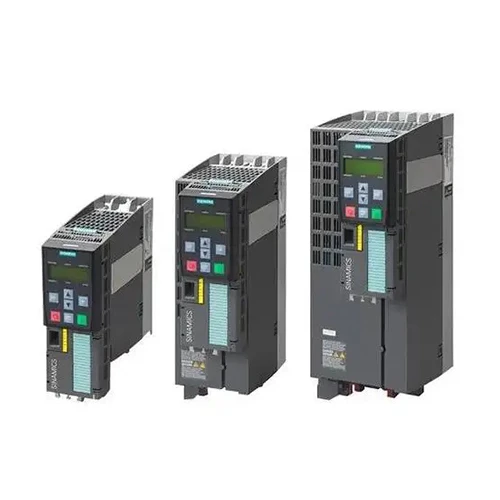
At its core, a Variable Frequency Drive is a device that controls the speed and torque of an electric motor by varying the frequency and voltage supplied to the motor. So instead of motors running at one fixed speed (which is how older systems operated), VFDs allow motors to run more flexibly, adapting to real-time demands. This capability introduces energy savings, reduces mechanical stress, and often extends the lifespan of equipment.
I remember working with a client in the manufacturing space who retrofitted their assembly line motors with VFDs. They noticed, almost immediately, a dip in their power consumption and a marked reduction in downtime. The motors weren’t constantly running at max power when they didn’t need to — it was like giving the machine a dial, rather than an on/off switch. That kind of control feels both precise and practical.
Why VFDs Matter in Industrial Settings
The industrial sector often demands heavy-duty machines to perform reliably, sometimes under challenging conditions. That means machinery is generally expected to run at full speed to meet production quotas — or so the old wisdom went. But I suppose the thing many engineers overlook is that systems hardly operate optimally running full tilt all the time. Here’s where the VFD shines.
By adjusting motor speed, VFDs reduce energy wastage and mitigate mechanical wear and tear. Plus, some plants reported noise reduction and smoother startups, which is not only easier on the equipment but also the operators. In real terms, this means lowered maintenance costs and higher uptime — factors any plant manager would love to hear about.
Oddly, the technology isn’t new — VFDs have been around since the mid-20th century — but advances in power electronics, microcontrollers, and software interfaces have made them much more accessible and reliable today.
Basic Product Specifications of a Typical VFD
| Specification | Typical Range/Value |
|---|---|
| Input Voltage | 200–600 V AC |
| Output Frequency | 0–400 Hz (adjustable) |
| Power Range | 0.75 kW to 1000 kW+ |
| Control Method | V/f, sensorless vector, closed-loop vector control |
| Communication Protocols | Modbus, Profibus, Ethernet/IP, CANopen |
| Operating Temperature | -10°C to 50°C |
Comparing Notable VFD Vendors
| Vendor | Power Range | Special Features | Industry Focus |
|---|---|---|---|
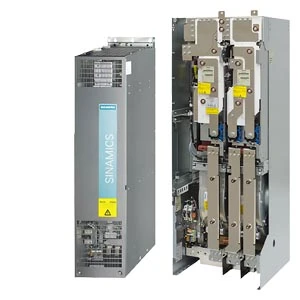
| Siemens | 0.37 kW to 630 kW | Advanced energy-saving modes, integrated safety functions | Automation, manufacturing |
| ABB | 0.18 kW to 5 MW+ | Robust design, cloud connectivity, easy integration | Heavy industry, energy |
| Tianjin Yongkai | 0.75 kW to 1000 kW+ | Cost-effective, tailored customization, reliable customer support | Various industrial applications |
One thing I like about vendors such as Tianjin Yongkai — and here’s the Variable Frequency Drive link that really gives you a peek — is how flexible and user-focused their approach can be. It always seems like they’re right there alongside the buyer, tuning options to fit specific industrial needs without unnecessary frills.
You know, working hands-on with VFDs, I’ve noticed a few recurring themes: keep it simple, robust, and adaptable. It’s easy to get lost in specs and theoretical gains, but at the end of the day, what truly matters is uptime, savings, and peace of mind.
So, if you’re in manufacturing, HVAC systems, pumps, conveyors — pretty much anywhere motors run — and you haven’t yet explored the benefits of VFDs, it’s worth diving in. They’re not just controllers; they’re enablers of smarter industrial operation.
Reflections: Over the years, VFD technology has matured into a stable, must-have device in many sectors. As energy regulations tighten and efficiency becomes a priority, I imagine VFDs will only gain more ground. Meanwhile, it feels great to see old processes refreshed by smart electronics.
References:
1. IEEE Industry Applications Magazine, “Energy Savings with AC Drives”
2. “Variable Frequency Drive Basics,” Siemens Documentation
3. Tianjin Yongkai official specifications and customer case studies