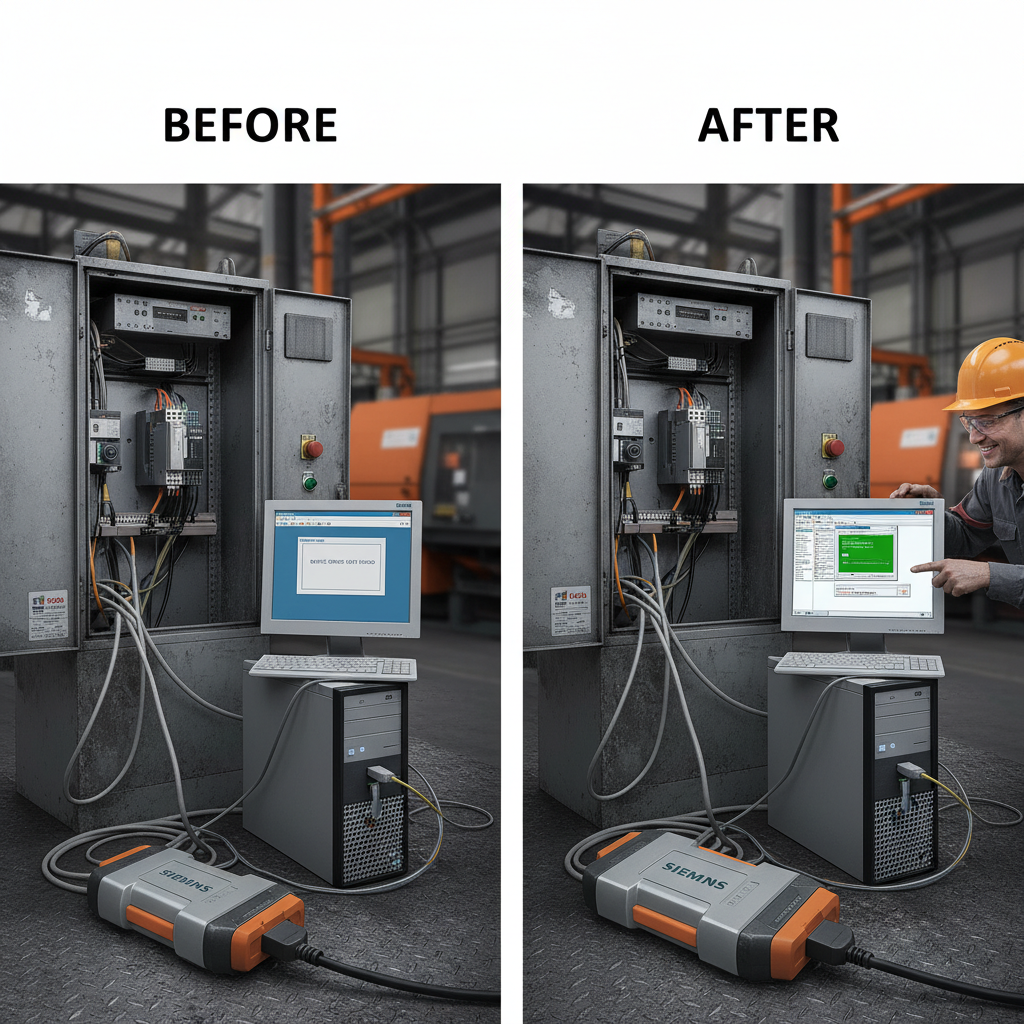
Central Processing Unit Types: Best Performance & Value?
A field guide to central processing unit types in industrial reality
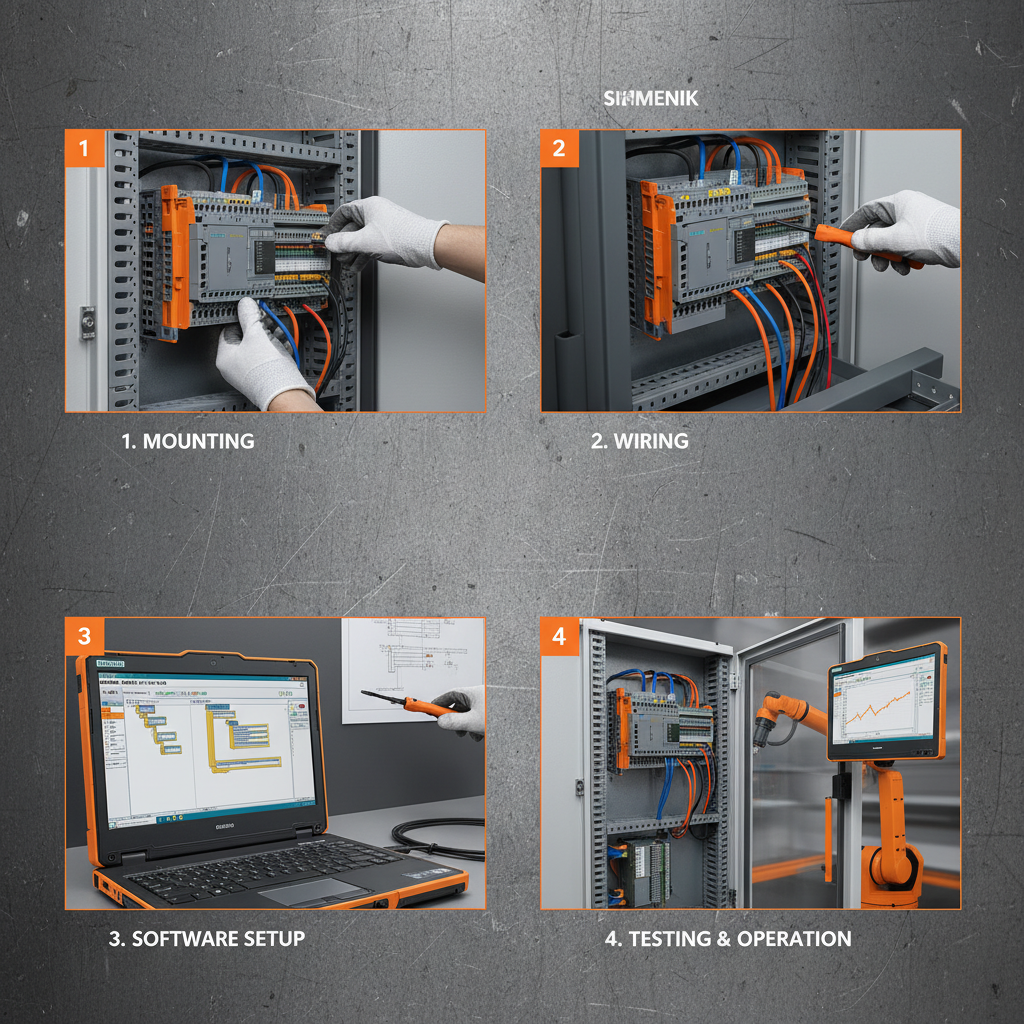
I’ve spent a good chunk of my career poking around factory floors and data halls. And, to be honest, the way CPUs are chosen in plants is very different from the way they’re chosen in laptops. In industry, reliability and certified behavior trump flashy specs. That’s exactly where these compact controllers shine: integrated I/O, pragmatic scan times, and enough determinism to keep a packaging line humming.
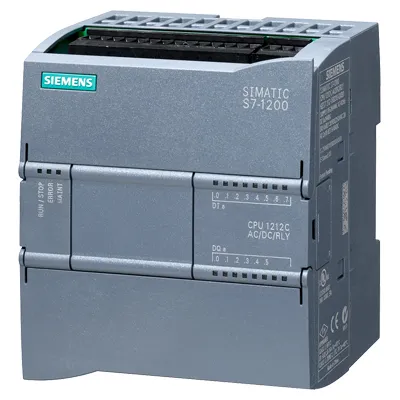
Industry snapshot: where do central processing unit types fit?
Broadly, you’ll see four practical buckets: embedded MCUs for sensors and drives; PLC/industrial CPUs (the workhorse here); edge CPUs with AI acceleration; and server-class chips for analytics. In plants, it’s mostly PLC-class devices with integrated I/O and hardened power stages—compact, space-saving, and frankly, less temperamental than consumer gear.
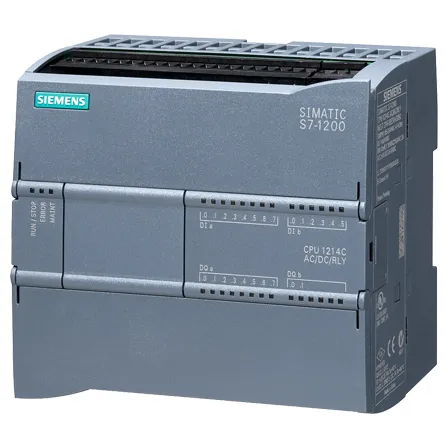
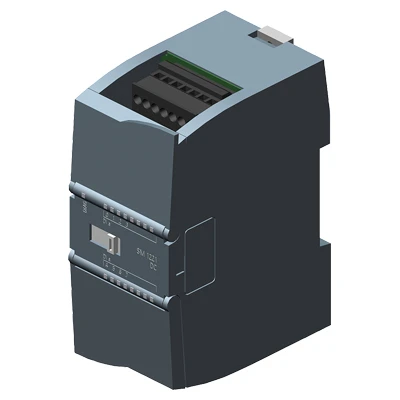
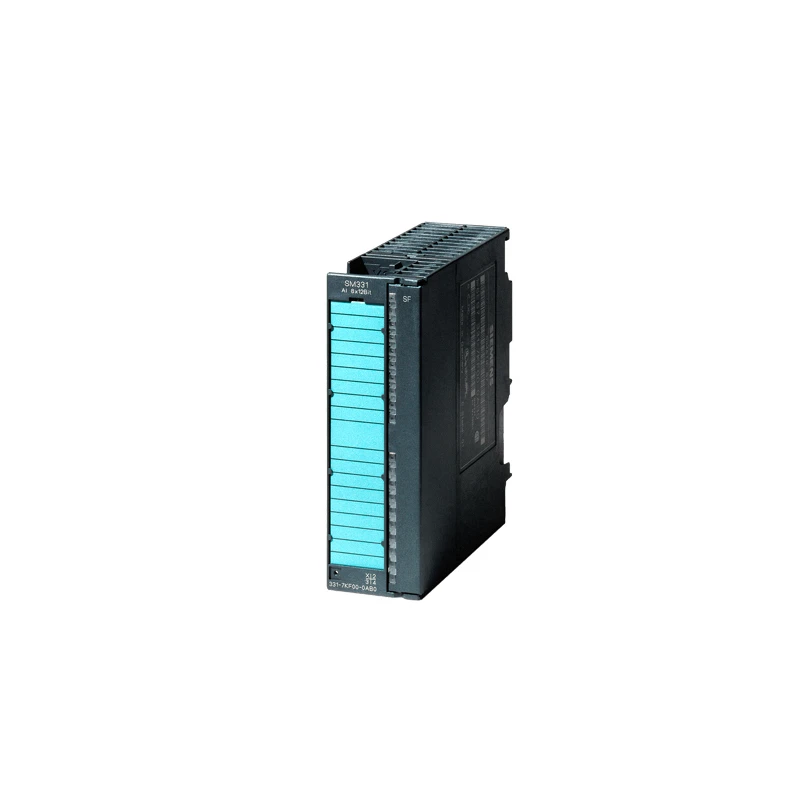
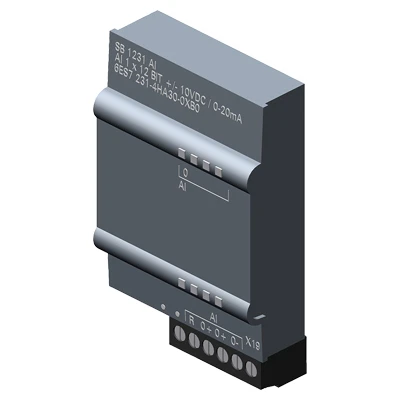
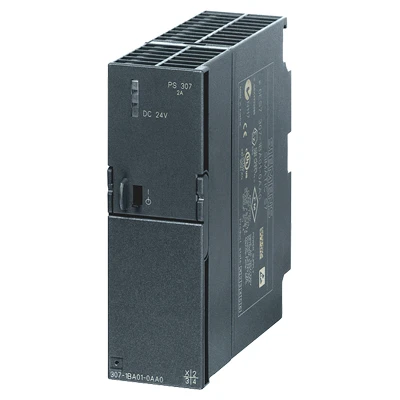
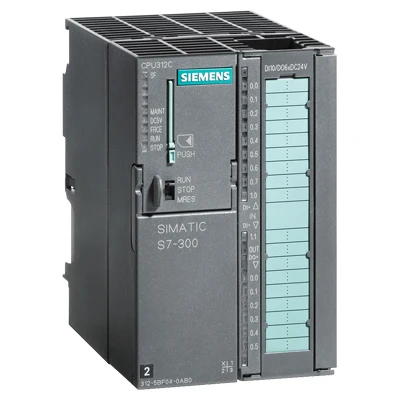
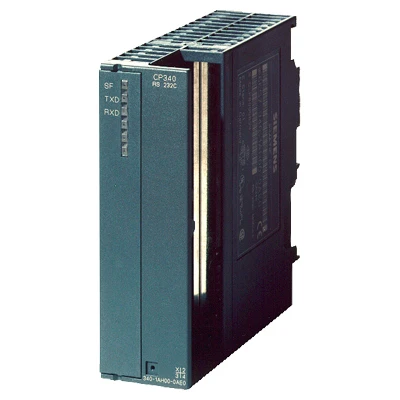
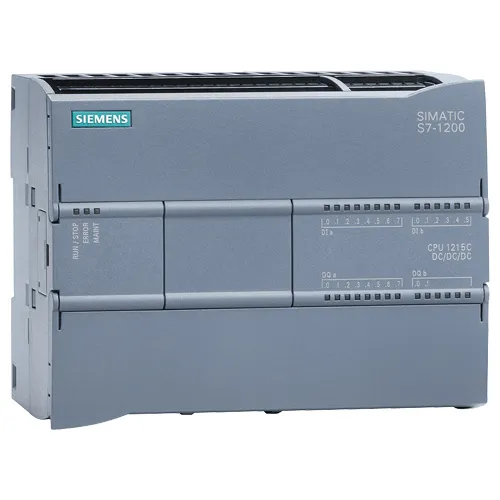
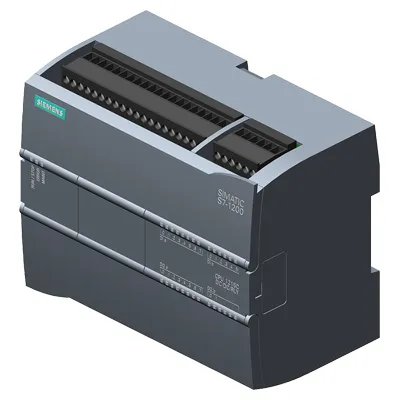
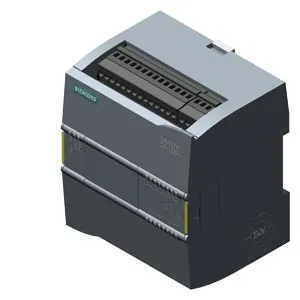
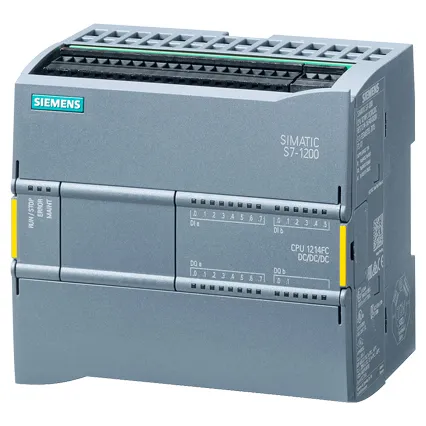
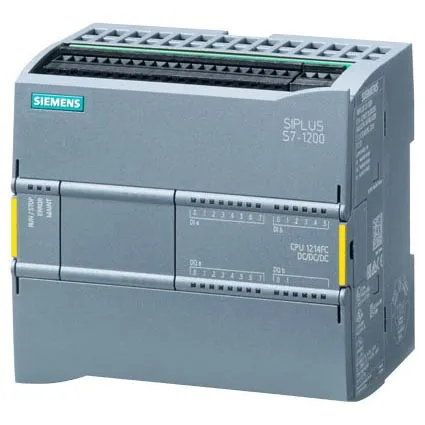
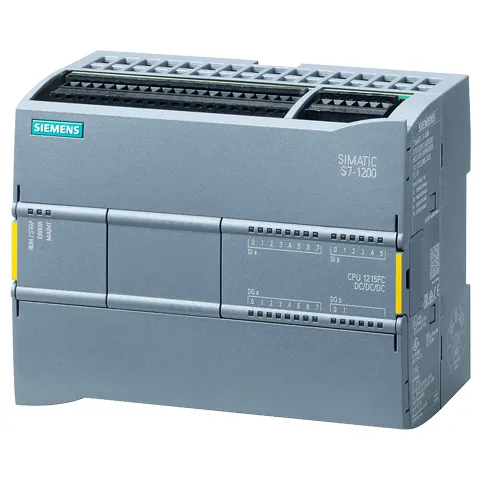
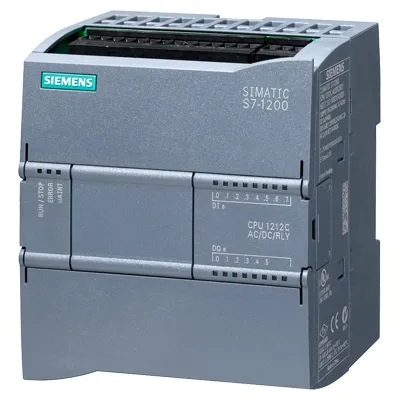
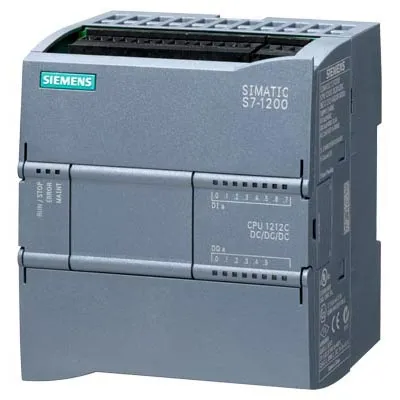
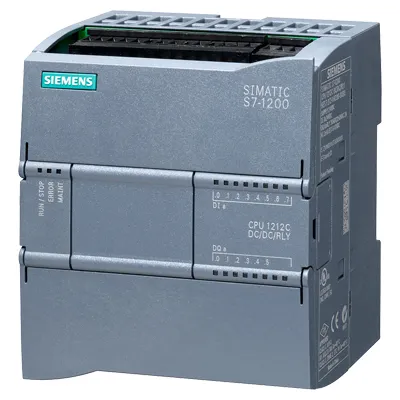
Product snapshot: Central Processing Unit (compact controller)
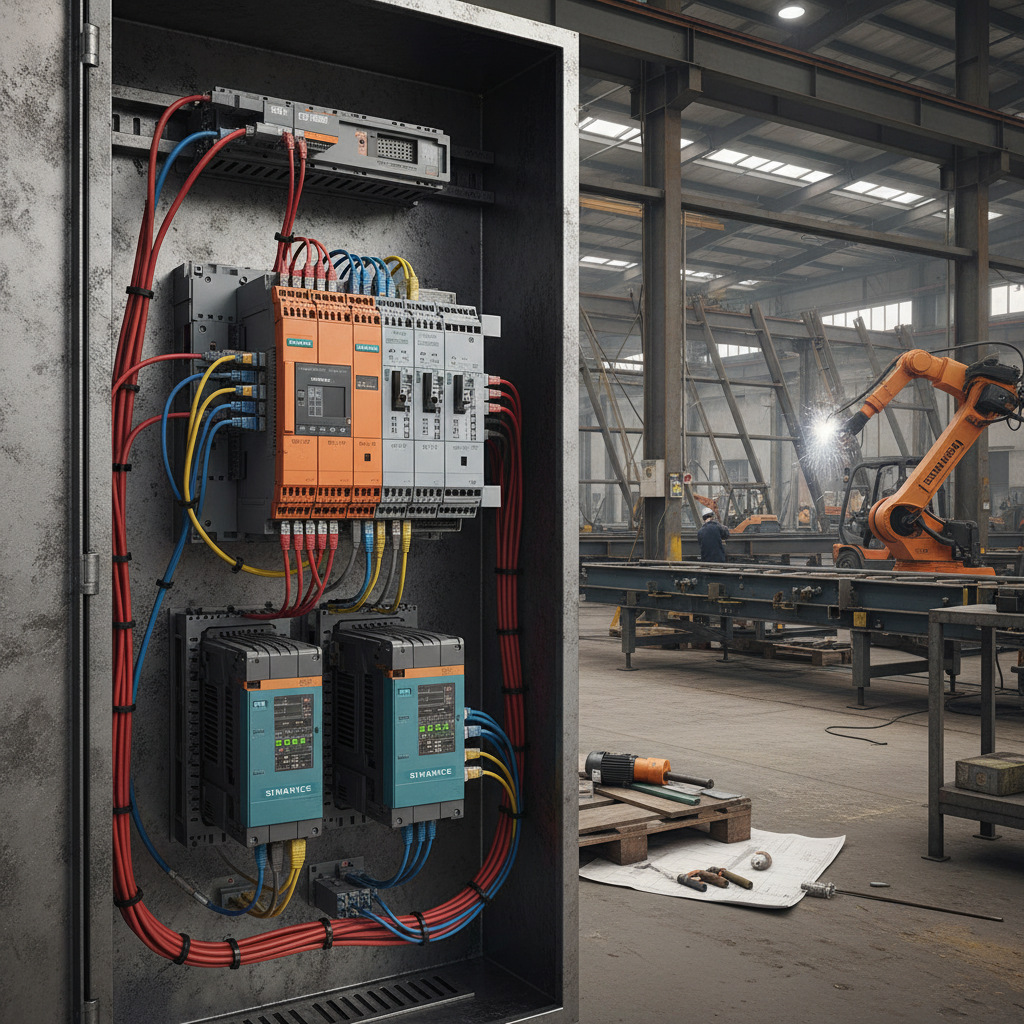
Origin: Room 1 - 543, Building E, Zhonghui Xiyuan Plaza, Central Business District, Binhai, Tianjin. These controllers have comprehensive process functions and integrated I/O in a compact format—saves cabinet space and wiring, which many customers say is the real budget saver.
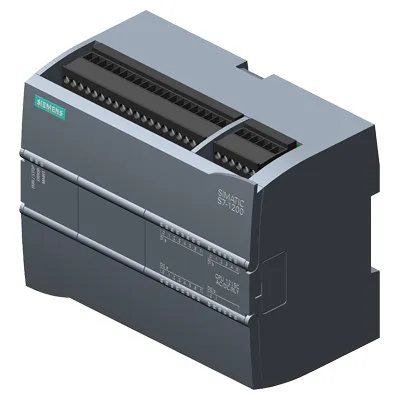
| Spec | Typical value (≈, real-world may vary) |
|---|---|
| CPU class | Industrial PLC-class MCU/SoC |
| Cycle time | ≈0.1–0.3 ms per 1k bit ops |
| User program memory | ≈50–100 KB |
| Integrated I/O | Digital/analog mix, HSC/PWM options |
| Comms | Industrial Ethernet, Modbus/TCP, Profinet |
| Operating temp | −20 to +60 °C |
| Power | 24 VDC, |
| MTBF | >200,000 h (calculated) |
| Certifications | CE, RoHS, REACH; IEC/UL test regimes |
Process flow, materials, and testing
-
- Materials: FR-4 PCBs (≥4 layers), high-Tg resin, ENIG finish; conformal coating for humidity.
- Methods: SMT + selective solder; AOI; boundary-scan; firmware provisioning; burn-in (48–72 h).
- Testing standards: IEC 61131-2 functional tests; IEC 60068 thermal/vibration; surge/EMC to EN 61000.
- Service life: around 10–15 years in typical cabinet environments, assuming clean power/ambient.
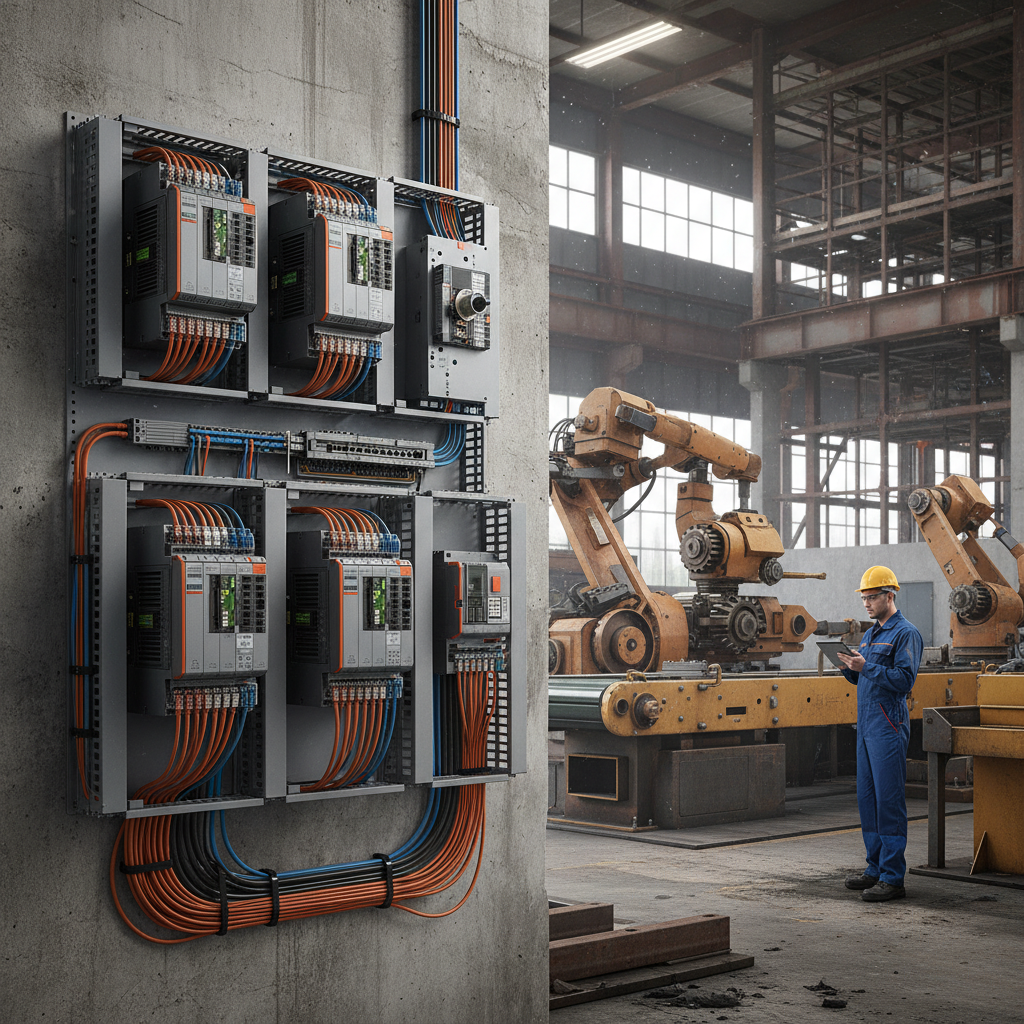
- Industries: F&B, intralogistics, water/wastewater, light assembly, packaging—anywhere tight panels rule.
Why these central processing unit types keep winning
Compact footprint, deterministic I/O, and painless networking. Integration cuts cabinet width by ≈15–30% vs. modular stacks in my experience. And yes, the commissioning time drops—fewer surprises.
Vendor landscape (quick take)
| Vendor | Strengths | Notes |
|---|---|---|
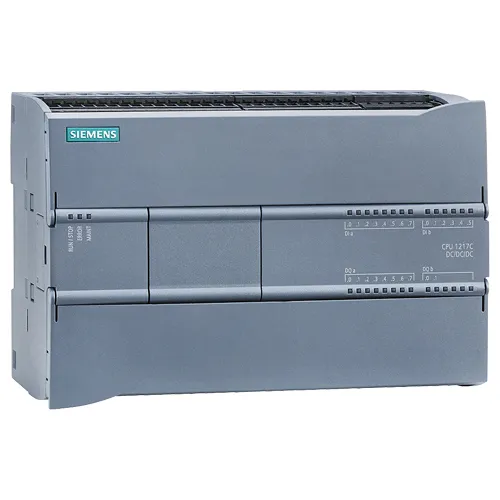
| Siemens-class compact PLCs | Wide ecosystem, stable firmware | Scan times ≈0.1–0.3 ms/k ops |
| Rockwell Compact series | North America install base | Great support, premium pricing |
| Omron/Mitsubishi/Beckhoff | Motion and modularity | Strong in Asia/EU niches |
| Local integrators | Customization, fast lead times | Cost-effective retrofits |
Customization and deployment
-
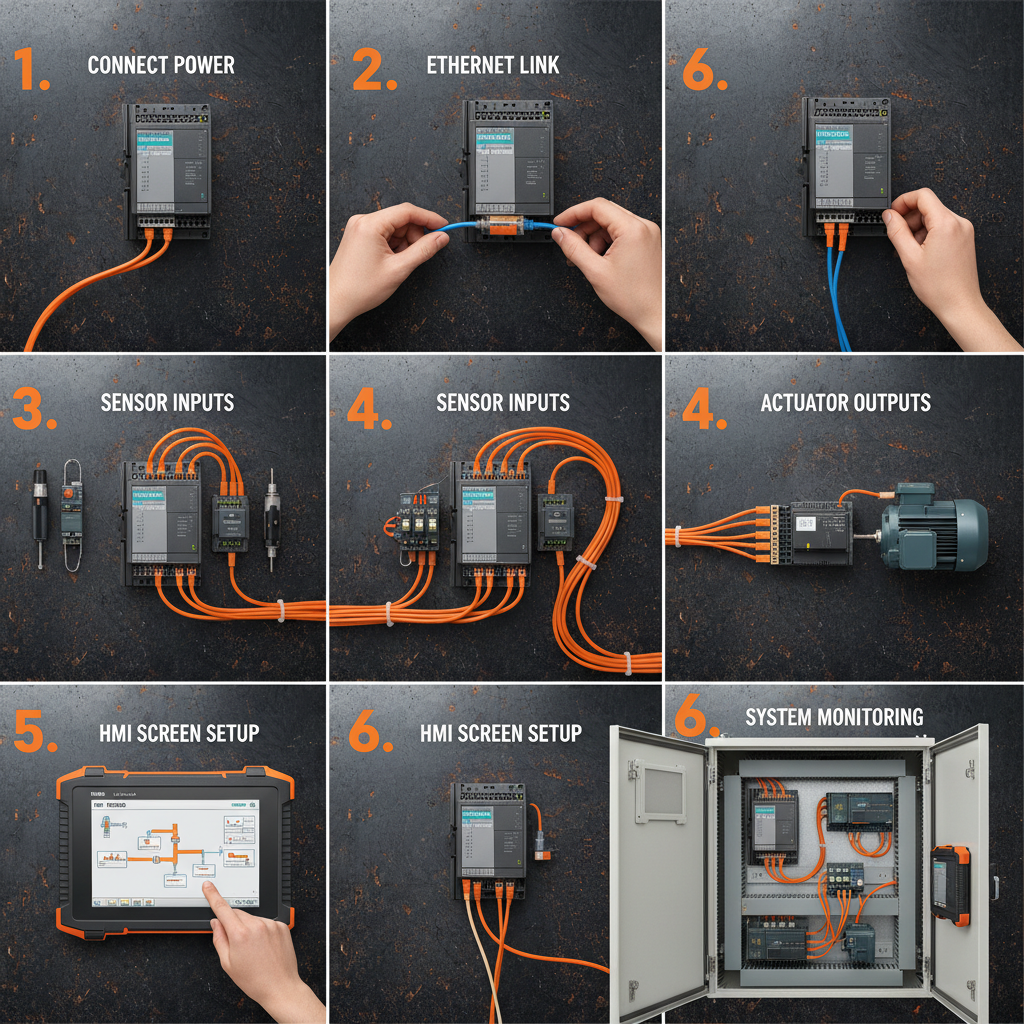
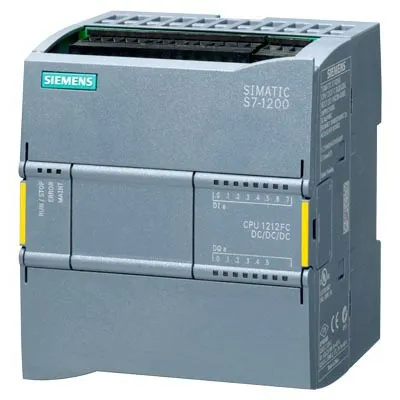
- Firmware blocks: PID, camming, counters, safety interlocks.
- I/O tailoring: high-speed counters, isolated analog, SSR outputs.
- Networking: VLANs, time sync (PTP), device-level ring.
- Docs: change logs, FAT/SAT reports, wiring schedules, as-built PLC tags.
Real-world results and test data
On a bottling line retrofit, a compact PLC cut cabinet rail length by 22% and reduced average scan from 2.6 ms to 1.4 ms, verified across 24-hour runs. Thermal cycling −20→+60 °C showed no watchdog trips across 72-hour burn-in. EMC immunity passed EN 61000-4-4 at ±2 kV on I/O with no missed interrupts.
Use cases for central processing unit types
-
- Packaging cells and small skids (fast digital I/O, HSC).
- Water kiosks/boosters (analog loops, PID).
- Conveyors with light motion sync.
- Edge data collection bridging OT to IT.
Customer feedback: “Commissioned in a day, and the integrated Ethernet meant fewer boxes in the panel.” Another engineer told me the onboard counters “just work—no fiddly add-ons.” It seems that reliability is the unsung hero here.
Compliance and safety
Designs align with IEC 61131 for PLC behavior, IEC 60068 for environmental tests, and UL 61010 for electrical safety. For green-box procurement, RoHS/REACH documentation is standard. If you need functional safety, ask for SIL-oriented variants and proof-test intervals—don’t assume.
Bottom line
If you’re evaluating central processing unit types for machines or stations, start with compact PLC-class units: integrated I/O, predictable scans, and solid compliance. Fancy compute is great; uptime is better.
Authoritative references
- IEC 61131-2/3: Programmable controllers — Equipment and programming languages. IEC Webstore.
- IEC 60068: Environmental testing — Thermal, vibration, shock series. IEC Webstore.
- EN/UL 61010-1: Safety requirements for electrical equipment for measurement, control. UL/IEC.
- EN 61000 series: Electromagnetic compatibility (EMC) immunity and emissions. CENELEC/IEC.
- EU RoHS Directive 2011/65/EU and REACH Regulation (EC) No 1907/2006. European Commission.