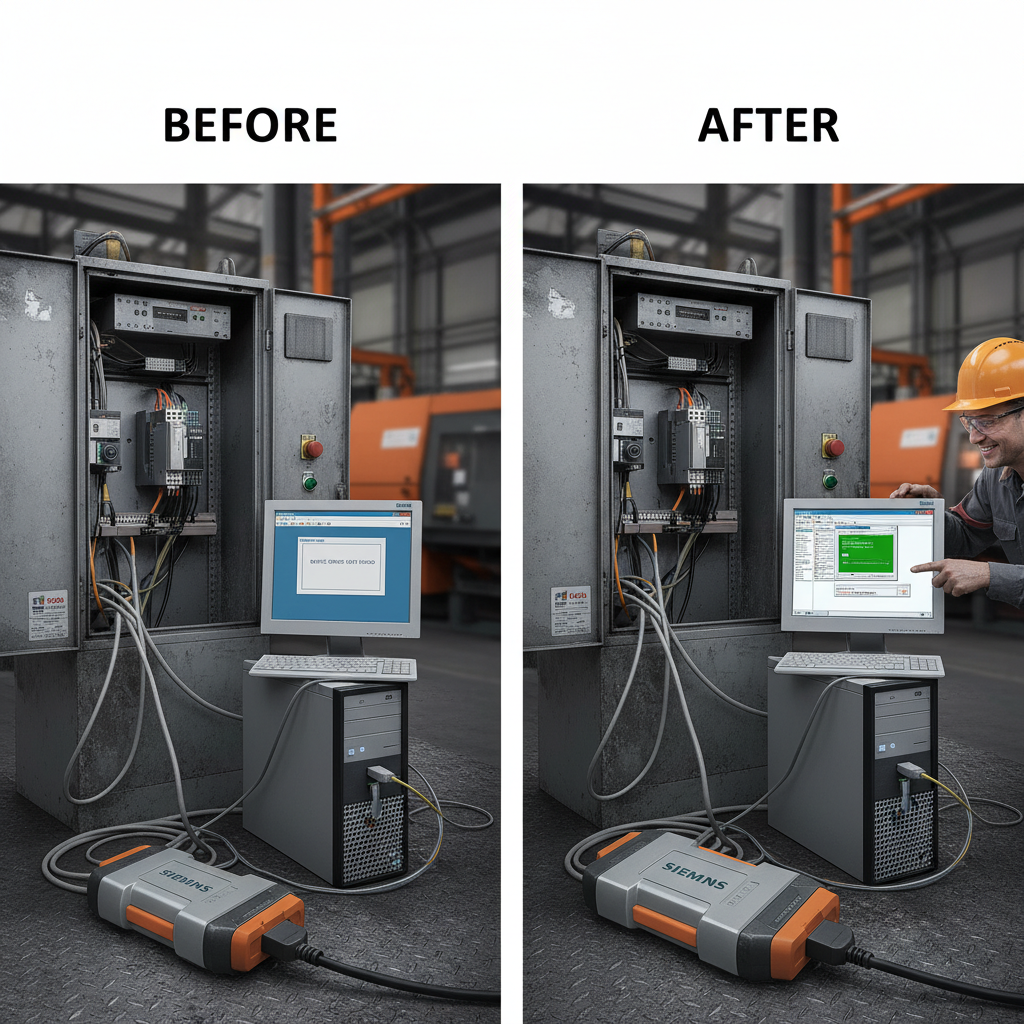
Comprehensive Guide to DPV1 PROFIBUS for Enhanced Industrial Networking
DPV1 PROFIBUS: A Comprehensive Guide for Industrial Networking
In the realm of industrial automation, reliable and efficient communication is paramount. DPV1 PROFIBUS stands as a widely adopted standard for fieldbus communication, offering robust data exchange and deterministic control. This article delves into the intricacies of DPV1 PROFIBUS, exploring its features, benefits, applications, and how it enhances industrial processes. Understanding DPV1 PROFIBUS is crucial for engineers, technicians, and professionals involved in industrial automation and control systems. We'll discuss its advantages over other protocols and its role in modernizing industrial infrastructure.
Understanding the Core Principles of DPV1 PROFIBUS
DPV1 PROFIBUS (Decentralized Peripheral V1) is a layer 2 protocol built on top of the PROFIBUS DP (Decentralized Peripheral) standard. It leverages the robust physical layer of PROFIBUS DP while adding enhanced functionalities for data exchange and diagnostics. Key to its operation is the master-slave principle, where a master station (typically a PLC or PC) controls communication with multiple slave devices (sensors, actuators, drives). DPV1 introduces cyclical data exchange, where the master regularly polls slaves for data, ensuring deterministic timing and real-time control. This makes it ideal for applications requiring precise synchronization and immediate response times. Furthermore, DPV1 PROFIBUS supports isochronous communication, providing even more predictable data delivery for time-critical tasks.
Key Highlights: DPV1 PROFIBUS offers a robust and reliable communication solution for industrial automation, built upon the established PROFIBUS DP standard. It features cyclical data exchange, isochronous communication, and a master-slave architecture.
DPV1 PROFIBUS vs. PROFINET: A Comparative Analysis
While both DPV1 PROFIBUS and PROFINET are prominent industrial Ethernet protocols, they differ in their approach and suitability for specific applications. PROFINET, being a native Ethernet protocol, offers higher bandwidth and support for more complex network topologies. However, DPV1 PROFIBUS excels in applications where deterministic behavior and reliable data exchange are critical, particularly in existing installations with established PROFIBUS infrastructure. The choice between the two depends on factors like bandwidth requirements, real-time performance needs, and existing system architecture. Integrating DPV1 PROFIBUS devices into a new or existing system offers a streamlined solution for legacy support and robust control.
DPV1 PROFIBUS vs. PROFINET:
• Bandwidth: PROFINET offers significantly higher bandwidth.
• Determinism: DPV1 PROFIBUS provides stronger deterministic behavior.
• Network Topology: PROFINET supports more complex topologies.
• Legacy Support: DPV1 PROFIBUS is ideal for existing PROFIBUS installations.
Key Advantages of Implementing DPV1 PROFIBUS
Implementing DPV1 PROFIBUS offers numerous benefits for industrial automation systems. Its deterministic behavior ensures precise control and synchronization, vital for time-critical applications. The robust communication protocol minimizes data loss and errors, enhancing system reliability. Furthermore, DPV1 PROFIBUS facilitates efficient diagnostics, simplifying troubleshooting and maintenance. The ability to integrate seamlessly with existing PROFIBUS infrastructure reduces upgrade costs and minimizes disruption. The widespread adoption of DPV1 PROFIBUS also ensures a readily available pool of skilled technicians and engineers. Tianjin Yongkai provides comprehensive solutions and support for DPV1 PROFIBUS implementation.
Applications of DPV1 PROFIBUS in Modern Industry
DPV1 PROFIBUS finds applications across a diverse range of industries. In manufacturing, it controls and monitors robotic systems, conveyor belts, and packaging machines. In process automation, it regulates valves, pumps, and sensors in chemical plants and refineries. In power generation, it manages turbines, generators, and substations. Furthermore, DPV1 PROFIBUS is widely used in building automation systems for controlling HVAC, lighting, and security systems. Its ability to handle complex control tasks and its reliable performance make it a cornerstone of modern industrial automation. Contact Tianjin Yongkai for assistance with DPV1 PROFIBUS integration and solutions.
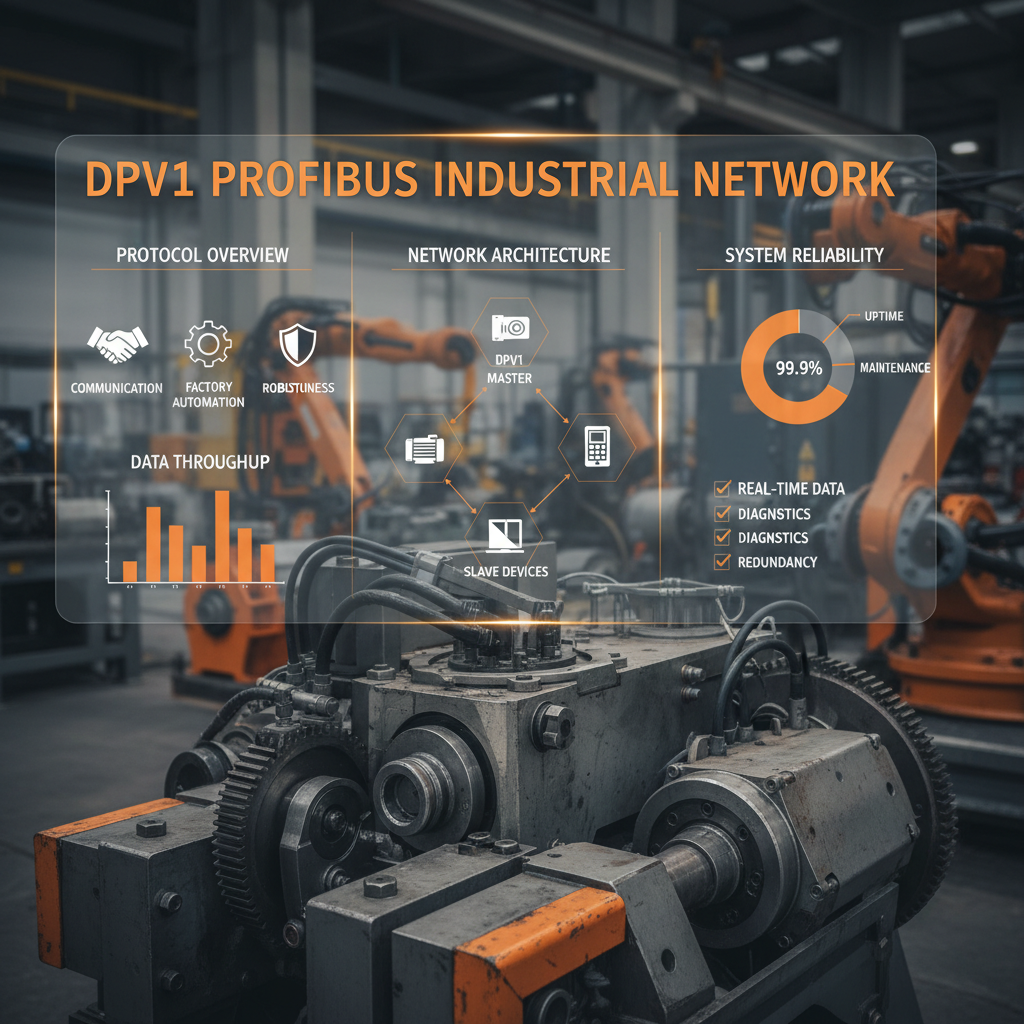
Selecting the Right DPV1 PROFIBUS Components
Choosing the right components is crucial for a successful DPV1 PROFIBUS implementation. Consider factors like communication speed, data volume, and the number of devices connected to the network. Select a master station with sufficient processing power and memory to handle the required data exchange. Choose slave devices that are certified for DPV1 PROFIBUS compatibility. Ensure proper cable selection and termination for reliable signal transmission. Finally, invest in quality diagnostic tools for troubleshooting and maintenance. Tianjin Yongkai offers a comprehensive range of DPV1 PROFIBUS components and expert guidance to help you select the optimal solution for your needs.
Conclusion: Embracing the Power of DPV1 PROFIBUS
DPV1 PROFIBUS remains a vital protocol for industrial automation, offering a robust and reliable communication solution. Its deterministic behavior, efficient diagnostics, and seamless integration with existing infrastructure make it a valuable asset for a wide range of applications. By leveraging the power of DPV1 PROFIBUS, businesses can optimize their industrial processes, improve efficiency, and enhance overall productivity.
Frequently Asked Questions (FAQs)
What is the typical communication speed for DPV1 PROFIBUS?
DPV1 PROFIBUS typically operates at communication speeds of 9.6 kbps, 19.2 kbps, 115.2 kbps, and 500 kbps, with 1.5 Mbps also possible in certain configurations. The optimal speed depends on the network length, the number of devices, and the data exchange requirements. Higher speeds generally reduce communication latency but require higher-quality cabling and more robust devices. Choosing the appropriate speed is a crucial part of the network design process.
What are the key benefits of using cyclical data exchange in DPV1 PROFIBUS?
Cyclical data exchange ensures that the master station regularly polls slave devices for data, providing a consistent and predictable stream of information. This is essential for real-time control applications where timely data is critical. It allows for rapid detection of errors or changes in process variables, enabling quick corrective actions. The deterministic nature of cyclical data exchange minimizes latency and ensures reliable communication.
How does DPV1 PROFIBUS handle error detection and diagnostics?
DPV1 PROFIBUS incorporates robust error detection mechanisms, including checksums and cyclic redundancy checks (CRCs). These mechanisms ensure data integrity and identify communication errors. The protocol also provides diagnostic information, allowing for quick identification of faulty devices or network problems. Diagnostic tools can be used to monitor network traffic, analyze error statistics, and troubleshoot connectivity issues.
Is DPV1 PROFIBUS suitable for wireless applications?
DPV1 PROFIBUS is traditionally a wired protocol. While it's not natively designed for wireless applications, it can be integrated with wireless technologies using gateways or adapters. However, implementing wireless DPV1 PROFIBUS requires careful consideration of factors like bandwidth, latency, and security. Wireless interference and signal reliability can also be challenging.