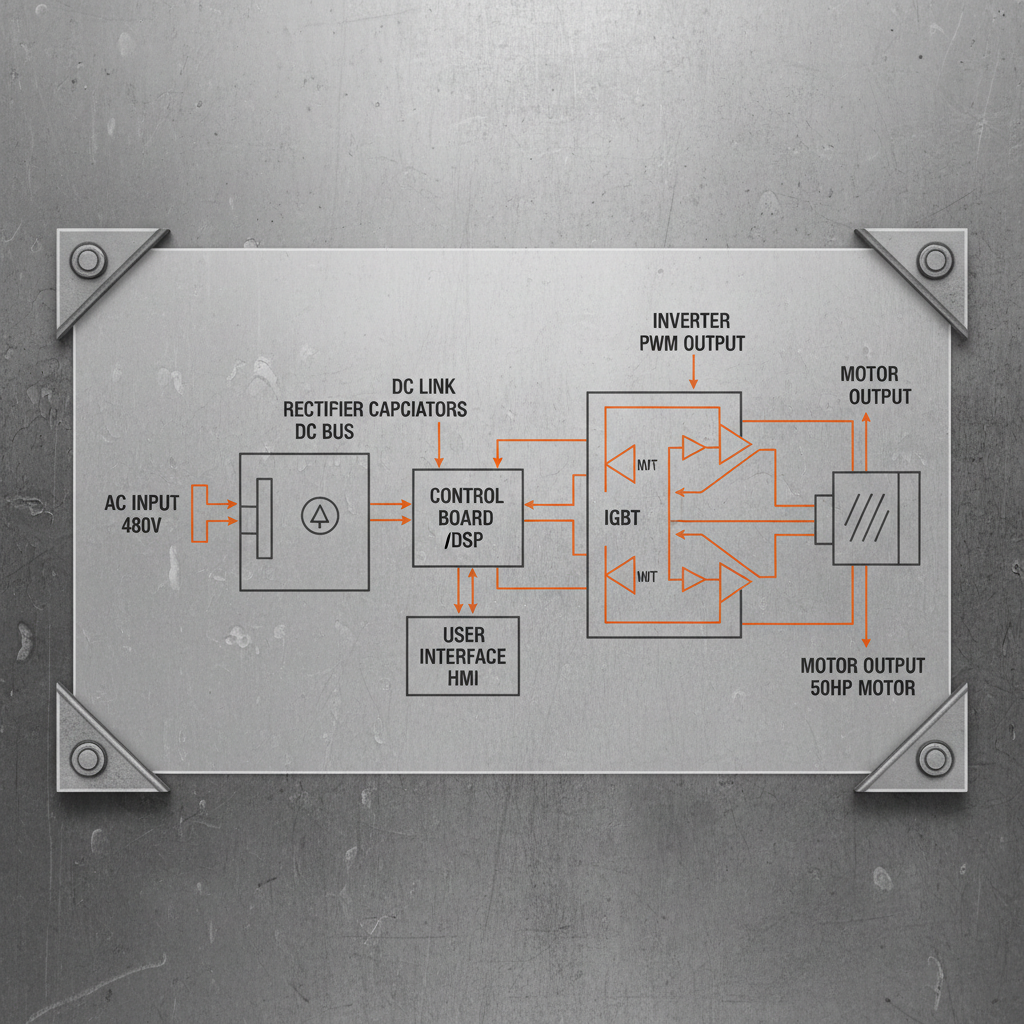
The realm of industrial power systems is constantly evolving, and the need for flexible and efficient solutions is paramount. Single phase to 3 phase VFDs (Variable Frequency Drives) are becoming increasingly vital in bridging the gap between readily available single-phase power and the demands of three-phase equipment. This is especially true for applications where three-phase power is unavailable or cost-prohibitive to install. Understanding these drives is key to optimizing performance and reducing energy consumption in a wide range of industrial settings.
Globally, businesses are actively seeking ways to improve operational efficiency and reduce their carbon footprint. The adoption of VFD technology, including single phase to 3 phase solutions, is directly correlated with these goals. According to the U.S. Department of Energy, VFDs can reduce energy consumption by up to 60% in certain applications. The demand for these drives is particularly strong in emerging economies undergoing rapid industrialization, and in regions focused on sustainable energy practices.
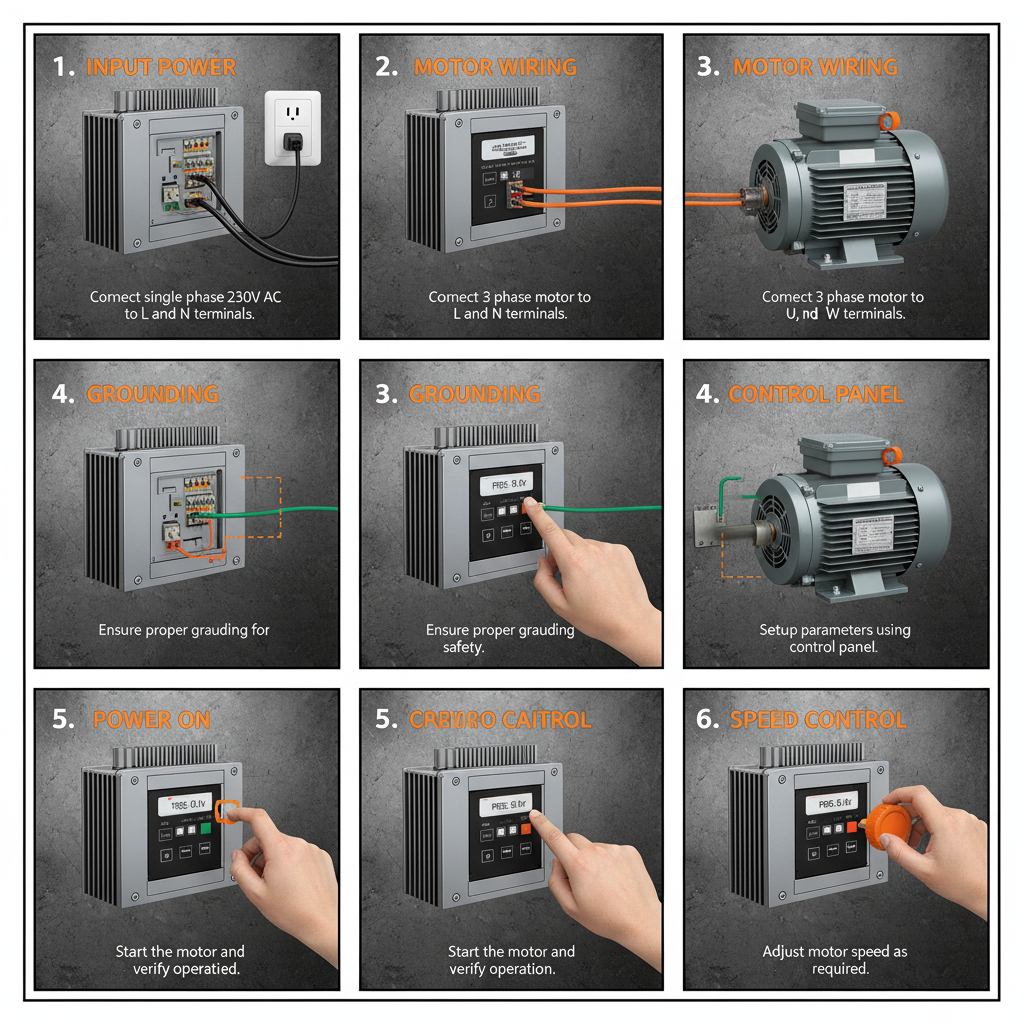
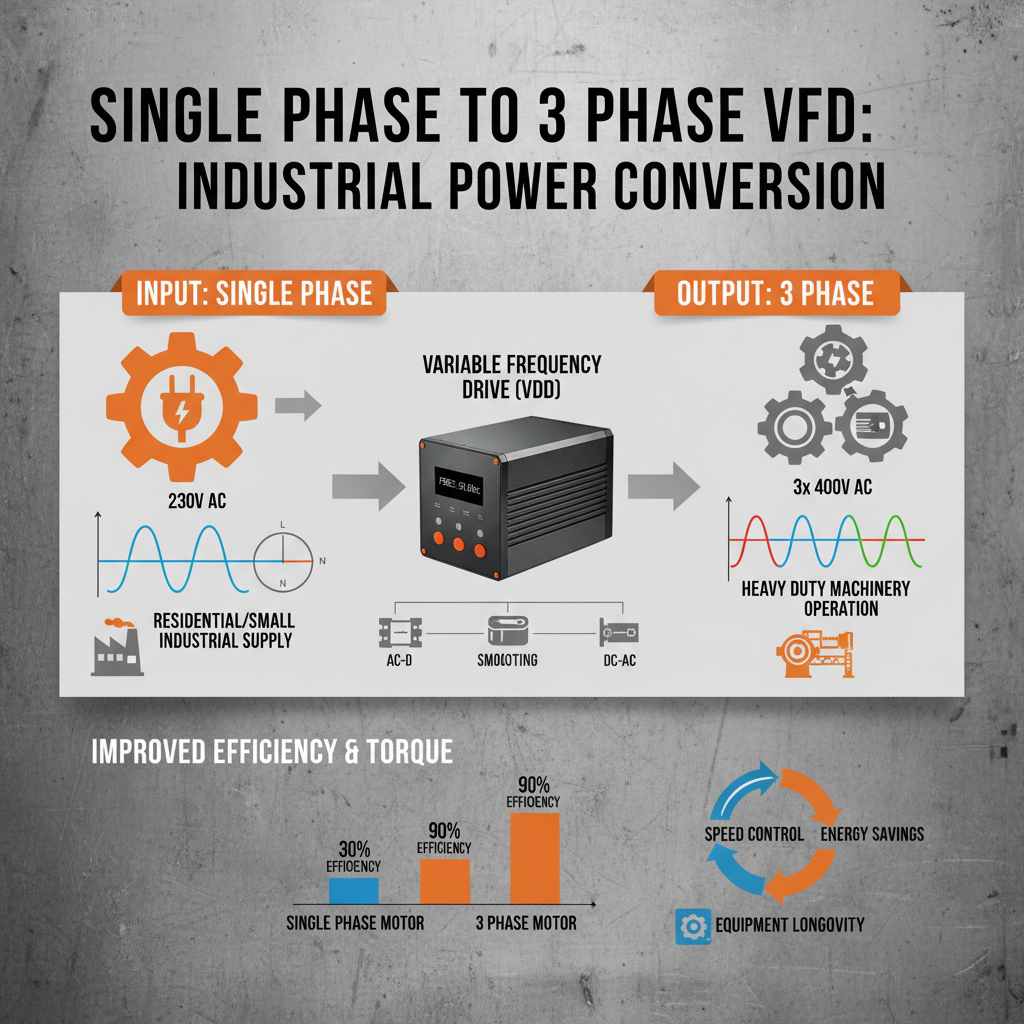
A single phase to 3 phase VFD effectively converts single-phase AC power into three-phase AC power, allowing you to operate three-phase motors from a standard single-phase power outlet. This opens up possibilities for automating processes and utilizing high-performance equipment in locations previously limited by power infrastructure, and represents a cost-effective solution when upgrading electrical services isn't feasible.
Introduction to single phase to 3 phase VFD
The growing need for adaptable power solutions has fueled the advancement of single phase to 3 phase VFD technology. These drives are becoming increasingly sophisticated, offering enhanced control and monitoring capabilities. Their ability to interface with modern automation systems makes them indispensable in the evolution of Industry 4.0.
Utilizing a single phase to 3 phase VFD often represents a significantly lower investment than a full three-phase power installation. This makes it a financially sensible option for many smaller businesses or remote locations, without compromising operational effectiveness. They provide a solution for running a wide array of equipment from pumps to compressors and beyond.
The Global Impact of Single Phase to 3 Phase VFDs
The demand for single phase to 3 phase VFDs is rising globally, driven by several factors including the increasing focus on energy efficiency, the expansion of industrial activity in emerging markets, and the need for more flexible and cost-effective power solutions. The UN Industrial Development Organization (UNIDO) actively promotes energy-efficient technologies, recognizing the crucial role VFDs play in reducing energy consumption within industrial processes.
Regions experiencing rapid industrial growth, such as Southeast Asia and parts of Africa, are witnessing a surge in demand. This growth is particularly pronounced in sectors like agriculture, where irrigation systems rely heavily on three-phase motors, and in small to medium-sized enterprises (SMEs) that often lack access to three-phase power.
This technology isn't just about efficiency; it also addresses critical infrastructure limitations. In many rural or remote areas, extending three-phase power lines can be prohibitively expensive. A single phase to 3 phase VFD allows businesses to operate effectively even in areas with limited power infrastructure.
Defining Single Phase to 3 Phase VFD Technology
At its core, a single phase to 3 phase VFD is a power electronic converter. It takes the alternating current (AC) power from a single-phase source, rectifies it into direct current (DC), and then inverts it back into AC power—but crucially, creating a three-phase output. This conversion process involves sophisticated control algorithms that regulate the frequency and voltage of the output, allowing precise control of the motor speed and torque.
This technology’s connection to modern industry is significant. It allows for the operation of high-efficiency three-phase motors in environments where only single-phase power is available. This is particularly important for applications requiring precise speed control, such as pumps, fans, and compressors. It also enables automation of processes, improving overall productivity and reducing labor costs.
The versatility and affordability of these drives make them a critical component in supporting sustainable development goals. They are integral in areas ranging from improving water management in agriculture to providing reliable power to small manufacturing operations. The rise of single phase to 3 phase vfd solutions demonstrates a commitment to accessible and efficient power management.
Key Characteristics of Effective VFDs
When selecting a single phase to 3 phase VFD, several key factors determine its effectiveness and suitability for a specific application. These include its power rating, which must be adequately sized for the connected motor; its input and output voltage compatibility; and its ability to handle the required load characteristics.
Beyond these fundamental considerations, the control features, protection mechanisms, and communication capabilities of the VFD are also crucial. Modern VFDs often offer advanced features such as programmable logic controllers (PLCs), remote monitoring, and network connectivity, enhancing their integration into automated systems.
Performance Metrics for Common Single Phase to 3 Phase VFD Methods
Applications Across Industries
The applications for single phase to 3 phase VFDs are remarkably diverse, spanning a wide range of industries. In agriculture, they are crucial for controlling irrigation pumps, optimizing water usage, and improving crop yields. In manufacturing, they power conveyor systems, fans, and compressors, enhancing production efficiency and reducing energy costs.
Furthermore, these drives play a vital role in the water and wastewater treatment sector, precisely controlling pumps and blowers to optimize treatment processes. In remote industrial zones or areas where three-phase power is unavailable, they enable the operation of essential equipment, fostering economic development and improving quality of life.
Advantages & Long-Term Value Proposition
The advantages of utilizing a single phase to 3 phase VFD extend far beyond simple motor control. The most significant benefit is often reduced energy consumption, directly translating into lower operating costs. By precisely matching motor speed to the required load, VFDs eliminate wasted energy and optimize system performance.
Moreover, VFDs enhance the reliability and lifespan of connected equipment by reducing mechanical stress and preventing motor overload. The improved process control they provide contributes to higher product quality, increased productivity, and a more sustainable operation. These drives represent a sound long-term investment, delivering both economic and environmental benefits.
Future Trends & Innovations in VFD Technology
The future of single phase to 3 phase VFD technology is poised for continued innovation. The integration of advanced sensors, machine learning algorithms, and the Industrial Internet of Things (IIoT) is enabling predictive maintenance, remote diagnostics, and optimized system control. This translates to improved uptime, reduced maintenance costs, and increased operational efficiency.
Furthermore, advancements in power electronics are leading to smaller, more efficient, and more reliable VFDs. The growing emphasis on green energy and sustainability is driving the development of VFDs that are optimized for renewable energy sources and can contribute to a more circular economy.
The trend toward digitalization and automation will also fuel demand for VFDs that seamlessly integrate with other control systems and provide real-time data for analysis and decision-making. These advancements will solidify the role of single phase to 3 phase VFDs as a cornerstone of modern industrial automation.
Summary of Challenges and Solutions Related to Single Phase to 3 Phase VFDs
| Challenge |
Impact on VFD Performance |
Potential Solution |
Implementation Difficulty (1-10) |
| Harmonic Distortion |
Reduced power quality and potential for equipment damage. |
Implement harmonic filters or use active front-end rectifiers. |
6 |
| Overheating |
Reduced VFD lifespan and potential for failure. |
Improve cooling systems or reduce load. |
4 |
| Voltage Fluctuations |
Erratic motor operation and potential for damage. |
Use voltage stabilizers or surge protectors. |
5 |
| Improper Grounding |
Safety hazard and potential for equipment damage. |
Ensure proper grounding according to local electrical codes. |
2 |
| Single Phase Input Limitations |
May restrict motor size and performance capabilities. |
Optimize VFD parameters and select appropriate motor size. |
7 |
| Communication Issues |
Difficulty integrating with automation systems. |
Ensure compatible communication protocols and proper network configuration. |
6 |
FAQS
The lifespan of a single phase to 3 phase VFD generally ranges from 5 to 15 years, depending on operating conditions, load characteristics, and maintenance practices. Factors like ambient temperature, humidity, dust levels, and proper cooling contribute significantly to longevity. Regular inspections and preventive maintenance, such as cleaning and fan replacements, can help extend the VFD's operational life.
While many three-phase motors are compatible, it's crucial to verify voltage and current ratings. The VFD's output voltage and current capacity must match the motor's requirements. Additionally, consider the motor's insulation class, as VFDs can generate harmonic distortion that may affect older motor insulation. Ensure the motor is designed for VFD operation, or consult with a qualified electrician.
Common causes of VFD failure include overheating due to inadequate cooling, voltage surges or spikes, harmonic distortion, and component degradation over time. Dust and contaminants can also contribute to overheating and insulation breakdown. Proper installation, grounding, and regular maintenance can mitigate these risks. Regular monitoring of the VFD's operating parameters is also highly recommended.
Sizing a VFD requires careful consideration of the motor's horsepower (HP), voltage, and current requirements. The VFD’s continuous current rating must be equal to or greater than the motor’s full-load current. Additionally, account for potential overload conditions and ensure the VFD's input voltage is compatible with the available single-phase power supply. Consulting with a VFD supplier or electrical engineer is recommended for accurate sizing.
VFDs contain high-voltage DC components that can pose a serious electrical shock hazard. Always disconnect power before performing any maintenance or repairs. Ensure proper grounding and follow all applicable electrical safety codes. Qualified personnel should only handle VFD installation, programming, and troubleshooting. Use appropriate personal protective equipment (PPE) such as insulated gloves and safety glasses.
VFDs offer significantly more precise and flexible speed control compared to mechanical speed reducers. They eliminate energy losses associated with mechanical friction and allow for smooth acceleration and deceleration. VFDs also offer features like soft starting, which reduces stress on the motor and driven equipment, and programmable protection functions. The versatility and control offered by a VFD often justify the higher initial investment.
Conclusion
In conclusion, single phase to 3 phase VFDs represent a pivotal technology in modern industrial power management. They address the critical need for flexible, efficient, and cost-effective solutions in environments where three-phase power is unavailable or impractical. By enabling the operation of high-performance three-phase motors from a single-phase source, these drives unlock significant operational benefits, including reduced energy consumption, improved process control, and enhanced equipment lifespan.
Looking ahead, continued innovation in VFD technology, driven by the trends of digitalization, sustainability, and automation, will further solidify their importance. Embracing these advancements and integrating single phase to 3 phase VFDs into industrial strategies is not just a matter of efficiency – it’s a strategic step toward a more resilient, sustainable, and competitive future. For optimal solutions and expert advice, visit our website: www.tianjinyongkai.com.