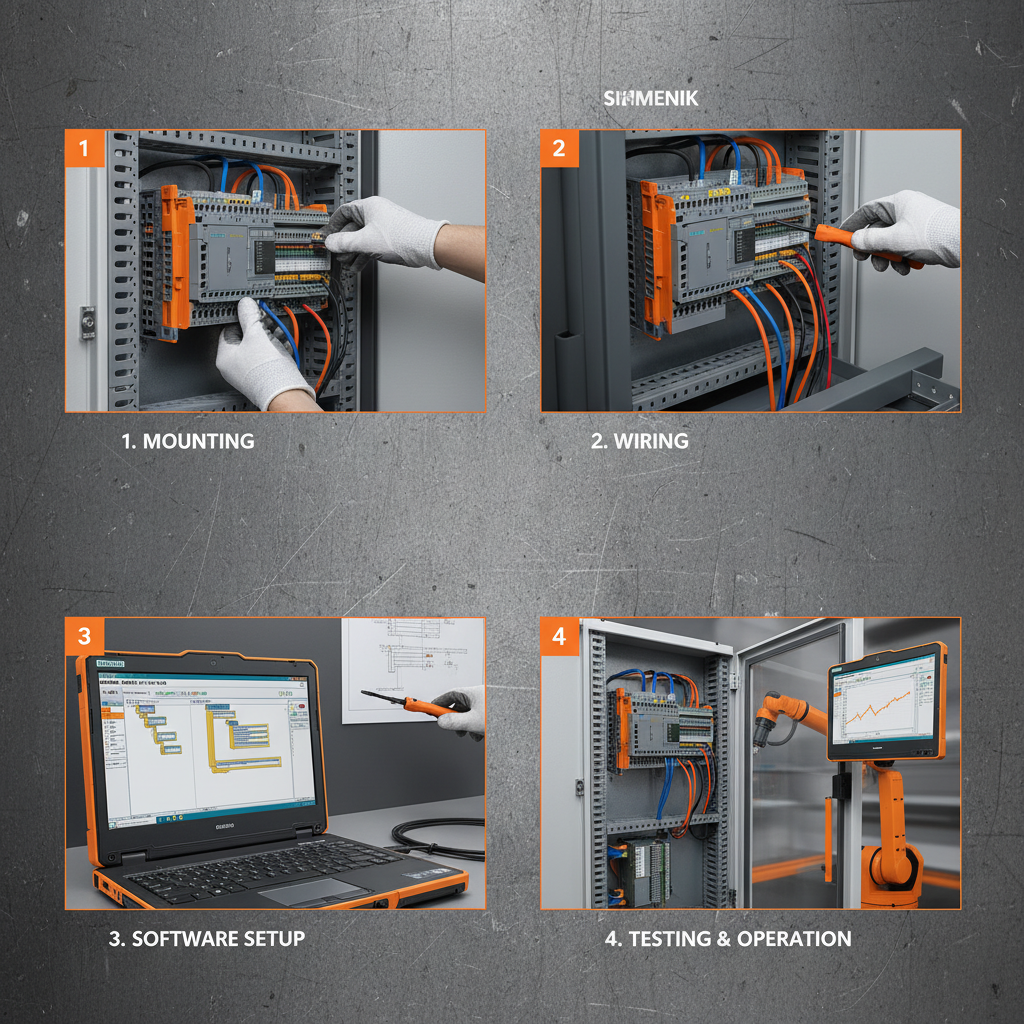
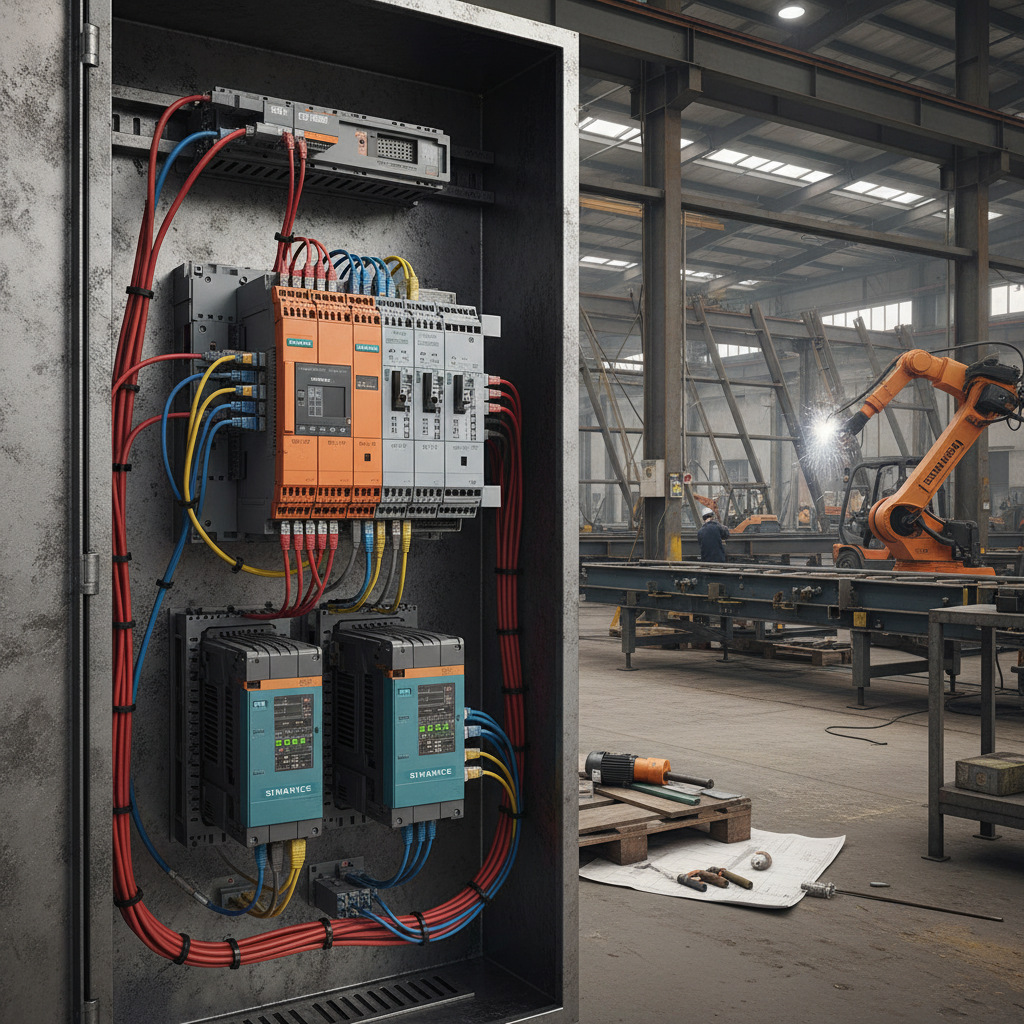
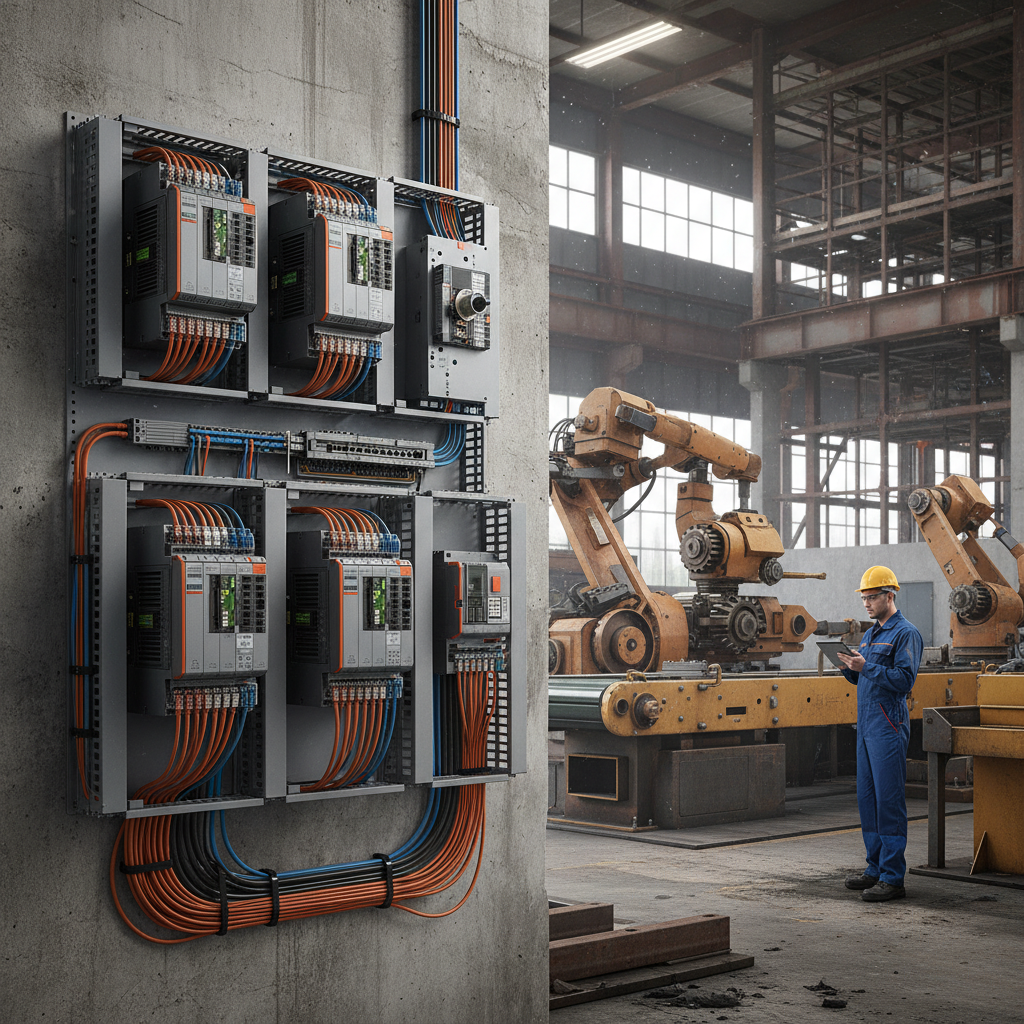
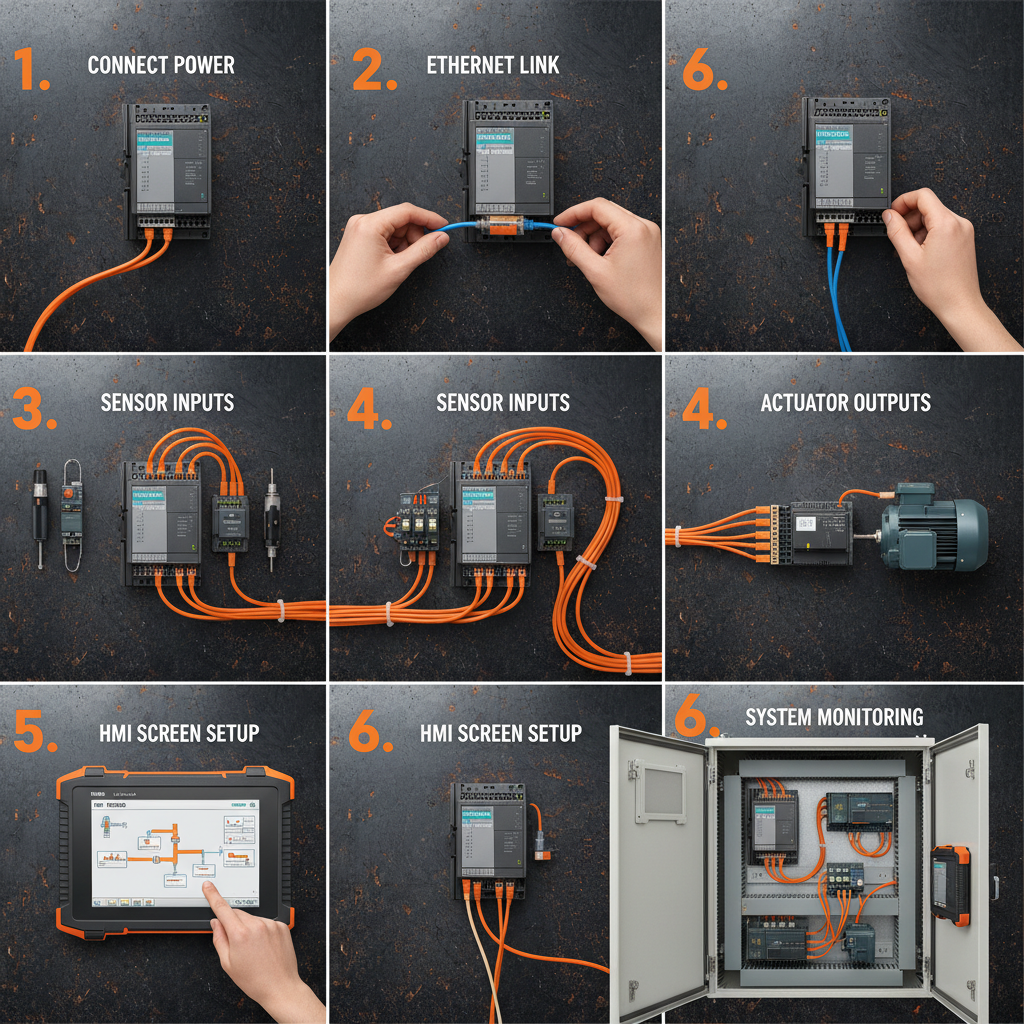
Comprehensive Guide to VFD Supply for Energy Efficiency & Industry
Understanding VFD Supply: Why It Matters Today
Variable Frequency Drive (VFD) supply isn’t just an industrial buzzword—it’s a game-changer in energy-efficient motor control. Across the globe, industries from manufacturing to water treatment are adopting VFDs to slash energy costs and improve system responsiveness. The reason this matters on such a wide scale is that electric motors consume nearly half of the world’s electricity, according to the International Energy Agency. Managing their speed smartly means big wins in cost-effectiveness, sustainability, and machine longevity.
Whether you’re an engineer looking to optimize a plant or an operations manager aiming to reduce downtime, understanding vfd supply unlocks potential that resonates beyond production lines, even towards environmental commitments.
The Global Context: Energy Challenges and the Rise of VFDs
Electric energy demand is soaring worldwide, largely due to expanding industrialization and urban growth. The World Bank estimates global electricity consumption will climb by nearly 50% by 2040. That’s a hefty challenge for utilities trying to keep grids stable and carbon footprints down.
Here, VFD supply solutions step in neatly by giving precise motor speed control and reducing wasted energy. According to the International Energy Agency (IEA), using VFDs can improve motor system efficiency by 20–50%, depending on the application. Yet many facilities still run motors at full speed regardless of load—wasting energy, increasing wear, and ultimately raising costs.
So, at its core, vfd supply isn’t just about different cables or hardware—it addresses one very real, global energy efficiency gap.
What Exactly Is VFD Supply?
Simply put, vfd supply refers to the equipment and services that provide variable frequency drives the electricity and control signals they need to operate motors efficiently. A VFD adjusts the frequency and voltage supplied to a motor, allowing it to spin slower or faster as needed, unlike traditional drives that run motors at constant speed.
This flexibility improves process control, reduces mechanical stress, and saves energy. In industry, it means conveyor belts, pumps, compressors, and HVAC systems work smarter, not harder. For humanitarian applications, such as water pumping in remote areas, reliable VFD supply can mean the difference between access to clean water or not.
Key Components That Define a Quality VFD Supply
Reliability and Durability
VFD components often work in harsh environments — dusty factories, hot climates, or even off-grid remote locations. That makes durability non-negotiable. Components must withstand voltage spikes, temperature swings, and potential humidity.
Scalability and Compatibility
From small pumps to giant industrial motors, a good VFD supply supports many power ranges and motor types (induction, synchronous, permanent magnet). This flexibility allows expansion without completely redesigning the power architecture.
Cost Efficiency
Today, cost pressures push end-users to balance upfront expenses with lifecycle savings. VFD supply solutions that offer energy-efficient components and low maintenance requirements are often winners here.
Integration and Control Features
Modern VFD supply often includes smart communication protocols (Modbus, Profibus, EtherCAT) for integrating into digital factory systems. That’s huge for remote monitoring and predictive maintenance.
Environmental Footprint
Many companies now seek VFD solutions with eco-friendlier materials and lower power losses to meet sustainability goals.
Typical VFD Supply Specifications
| Specification | Description | Common Range |
|---|---|---|
| Voltage Rating | Input voltage compatible with drive | 380 – 690 V AC, 3-phase |
| Output Frequency Range | Adjustable motor speed | 0 – 400 Hz |
| Control Protocols | Communication with PLCs/SCADA | Modbus, CAN, Ethernet/IP |
| Thermal Rating | Operating temperature range | -10 °C to +50 °C |
| Enclosure Rating | Protection from dust/water | IP54 to IP65 |
| Energy Efficiency | Losses in normal operation | Up to 98% efficient |
Global Applications: Where VFD Supply Makes a Difference
Consider the oil-rich but energy-conscious Middle East, where large HVAC systems run constantly in extreme heat. VFD supply enables hotels and malls to tune motor speeds depending on loads, saving megawatts without sacrificing comfort.
In remote mining operations in Australia or Africa, VFD supply ensures pumps and conveyors adjust to fluctuating material volumes, extending equipment life and reducing diesel generator fuel use.
Even in humanitarian contexts—say, pumping clean water in Southeast Asia or parts of Sub-Saharan Africa—solutions that marry reliability with easy maintenance are crucial. NGOs value VFD supply because it can reduce dependency on fuel and make intermittent power grids more usable.
Manufacturing giants worldwide also depend heavily on VFD supply to implement lean, energy-smart factories. It's no exaggeration to say that these drives form the backbone of modern industrial control.
Vendor Comparison: Key Players in VFD Supply Solutions
| Vendor | Strengths | Typical Industries | Eco-Friendly Focus |
|---|---|---|---|
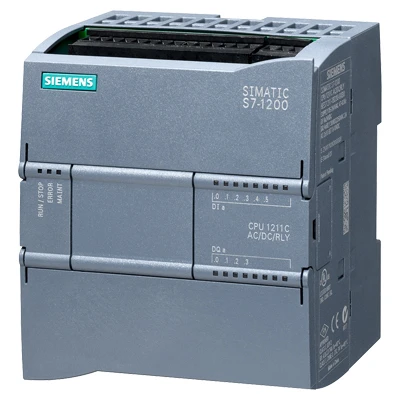
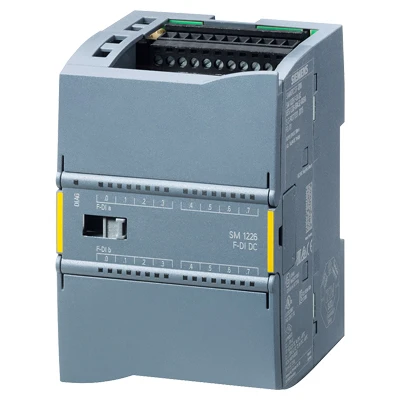
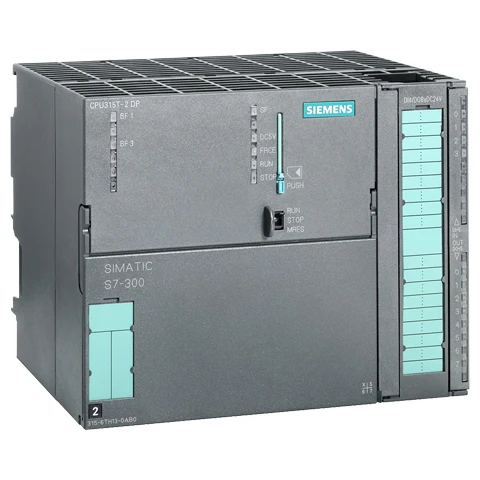
| Siemens | Robust controls, global support network | Manufacturing, HVAC, Energy | Strong, ongoing green tech initiatives |
| Schneider Electric | Smart automation integration, easy programming | Water treatment, Food & Beverage | Committed to circular economy principles |
| ABB | Energy-efficient designs, heavy industry focus | Mining, Oil & Gas, Utilities | Active R&D on low-loss components |
| Danfoss | Compact drives, strong in refrigeration | Cold storage, HVAC | Focus on CO2 refrigerant friendly products |
Advantages & Long-Term Value of Investing in VFD Supply
- Energy Savings: Lower electricity bills through precise motor speed control.
- Equipment Longevity: Ramp-up/ramp-down controls reduce mechanical stress.
- Reduced Emissions: Smarter power use means smaller carbon footprints.
- Improved Safety: Smooth motor control minimizes power surges and hazards.
- Process Flexibility: Adjust motor performance instantly as process demands vary.
Emotionally, there’s a reassuring feeling around integrating these smart drives: they give workers safer, reliable machines and help companies foster greener operations. Trust in such technology often leads to more innovation down the line.
Looking Ahead: Innovations Shaping the Future of VFD Supply
What I find fascinating is how digitalization is swirling into VFD supply with IoT-enabled drives that predict failures before they happen. Plus, advances in wide-bandgap semiconductors—like silicon carbide (SiC)—are driving down power losses even further.
There’s also growing synergy with renewable energy. VFDs are becoming essential for integrating wind turbines and solar pumps seamlessly with smart grids. As sustainability drives policy changes worldwide, the VFD supply chain adapts, embracing greener, more compact, and cost-effective designs.
Challenges & Emerging Solutions in VFD Supply
Sure, not everything is perfect. Supply chain disruptions have hit electronic components hard lately, causing delays and pricing uncertainties. Plus, the complexity of programming modern VFDs means some clients endure longer commissioning periods.
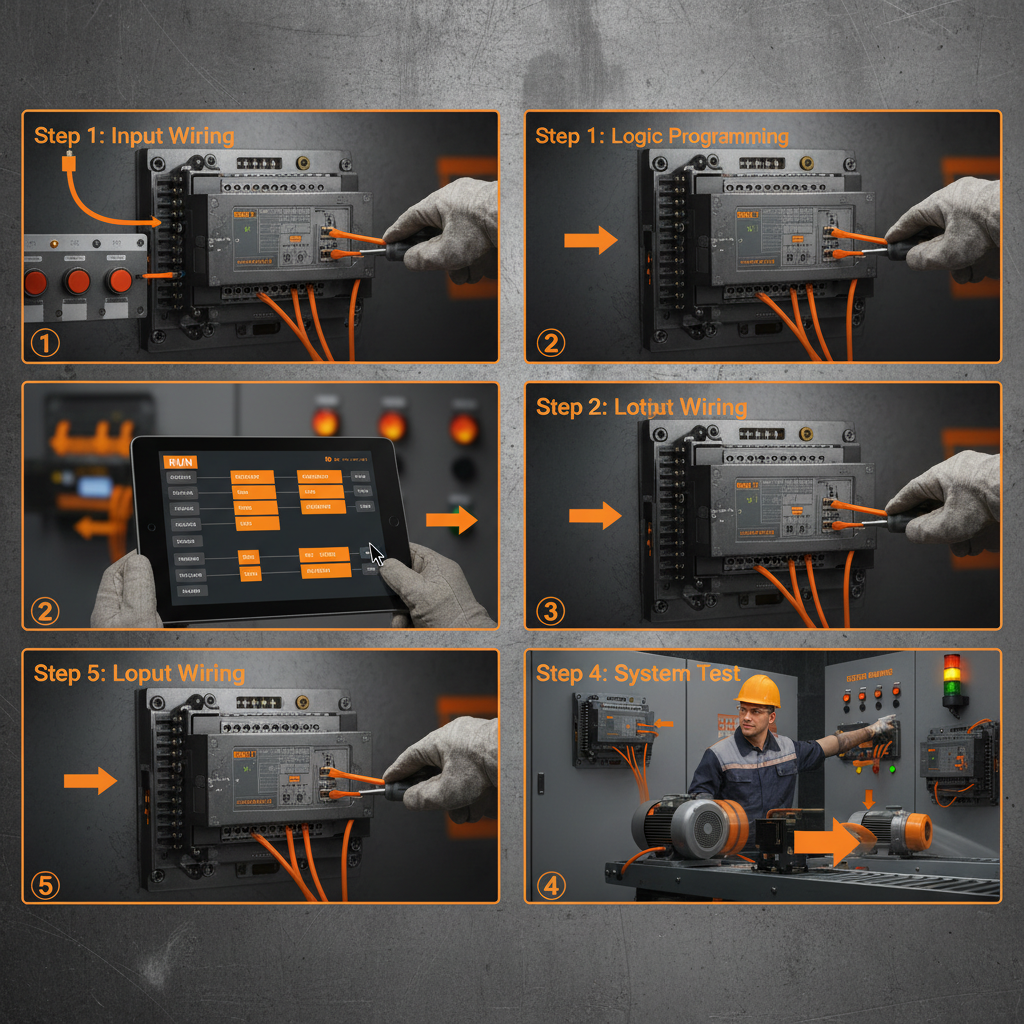
To combat these, vendors increasingly offer remote installation support and plug-and-play modules. Also, standardized protocols and better documentation reduce the learning curve. From an environmental standpoint, recycling end-of-life drives remains a puzzle many are tackling only now.
FAQ: Frequent Questions About VFD Supply
Q1: How does VFD supply reduce energy consumption?
A: By adjusting motor speed to match actual demand instead of running at full speed constantly, VFDs cut unnecessary power use, leading to typical energy savings between 20-50%, depending on the application.
Q2: Can VFDs be used in harsh outdoor environments?
A: Absolutely. High-quality VFD supply units come with IP-rated enclosures (IP54 – IP65) to protect against dust and water ingress, and are designed to operate safely in temperature extremes from -10 °C to +50 °C.
Q3: Are VFDs compatible with different motor types?
A: Yes. Most modern VFD supplies support multiple motor types including induction, synchronous, and permanent magnet motors, making them versatile across industries.
Q4: What role does VFD supply play in sustainability?
A: They reduce energy waste, lower greenhouse gas emissions, and many suppliers now focus on eco-friendly materials and recycling programs, aligning with global environmental goals.
Q5: How can small companies get started with VFD supply?
A: Partnering with experienced vfd supply vendors who provide technical support and customized solutions is often the easiest way to integrate VFDs smoothly.
Wrapping It Up: Why VFD Supply Is Worth Your Attention
At the end of the day, investing in a quality VFD supply means embracing control, efficiency, and adaptability. It’s an investment not just in machines, but in smarter energy use and more sustainable industrial processes. If you’re curious to explore offerings that fit your particular setup, visit our website — and see how the right supply can transform your operation.
Mini takeaway: VFD supply might seem technical, but its impact on global energy efficiency and industry resilience is profound and growing. The sooner you understand its nuances, the better your next project will run.