Efficient 200 hp Variable Frequency Drive Solutions for Industry & Sustainability
What’s the Big Deal About the 200 hp Variable Frequency Drive?
If you haven’t heard of a 200 hp variable frequency drive (VFD), don’t worry — it’s not just a jumble of technical acronyms meant to baffle. These drives are quietly transforming how industries manage big motors, saving untold energy, costs, and headaches worldwide. At roughly 200 horsepower scale, they’re like the muscle for medium-to-large industrial machines, pumping efficiency and control where it truly counts.
Why does this matter? Well, according to the International Energy Agency, electric motors account for around 45% of global electricity consumption. Without smarter control like what VFDs offer, much of that energy is wasted. The 200 hp VFD hits a sweet spot — powerful enough to drive heavy-duty machinery but flexible enough for varied industrial uses, from manufacturing plants in Europe to water pump stations in remote parts of Africa.
Mini takeaway: Understanding these drives isn’t just for engineers — it’s a key piece in the energy sustainability puzzle.
Global Context: How 200 hp Variable Frequency Drives Are Changing the Industry
Worldwide, the push for industrial efficiency and reduced carbon footprints is steadily growing. The United Nations' Sustainable Development Goal 7 highlights “affordable and clean energy” as a priority, and VFDs play a silent but critical role. Specifically, 200 hp VFDs have become essential in sectors requiring high horsepower with smart control, such as mining in Australia, chemical manufacturing in Germany, and municipal water treatment plants across the US.
Yet, many facilities still operate with fixed-speed motors running at constant full power, even when it's not needed. This wastes energy and leads to spike maintenance costs — an issue especially pressing in emerging economies where energy expenses can make or break competitiveness. Here's where the 200 hp variable frequency drive steps in, allowing variable motor speed and torque based on actual demand.
Simply put: this tech helps machines "breathe" naturally instead of forcing an all-or-nothing performance. It's a little like driving a car, but keeping one foot constantly on the gas pedal versus smoothly adjusting to traffic flow — not ideal, obviously.
Mini takeaway: With rising energy costs and climate goals, 200 hp VFDs address a global challenge — the need for smarter, more adaptable motor control.
Defining the 200 hp Variable Frequency Drive
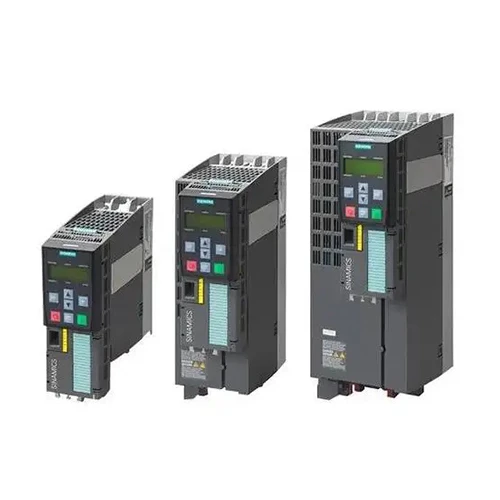
Right, what exactly is a 200 hp variable frequency drive? Broken down, a variable frequency drive is an electronic device that controls the speed and torque of an AC motor by varying the motor input frequency and voltage. The "200 hp" indicates it’s designed for motors rated around 200 horsepower — a substantial power class often used in pumps, compressors, fans, and industrial conveyors.
Think of it as the brain that tweaks the motor’s speed based on what the process demands, ensuring there isn’t unnecessary power consumption. Without it, many machines run at full speed even if the task only requires half that power.
Modern industries rely on this not just for energy savings, but also for precise process control, reducing mechanical stress, and extending equipment life. Beyond factories, humanitarian projects use these drives in water treatment or power generation in unstable power grids to maintain operation without damaging equipment.
Mini takeaway: A 200 hp VFD is more than just a motor controller — it’s a key driver (pun intended) of efficiency and operational resilience.
Core Components: What Makes a 200 hp Variable Frequency Drive Tick?
Power Electronics
This is the “heart” — typically IGBTs (Insulated-Gate Bipolar Transistors) that handle rapid switching of voltage and current. Their quality determines efficiency, heat dissipation, and reliability.
Control Unit
The VFD's “brain” that interprets speed commands, monitors load demands, and communicates with other system components. Many drives now feature advanced control algorithms (like vector control) for better precision.
Filters & Protection
Because VFDs generate electrical noise, built-in EMI filters prevent interference. Overcurrent and thermal protection ensure the device and motor aren’t damaged during faults or overloads.
Communication Interfaces
Modern industrial applications require VFDs to talk with PLCs or SCADA systems via protocols like Modbus or Profibus for real-time data and control.
Cooling System
Efficient heat management matters — usually through convection or forced fans, even liquid cooling for the larger drives.
| Specification | Details |
|---|---|
| Power Rating | 200 hp (approx. 150 kW) |
| Input Voltage | 380-480 V AC |
| Output Frequency Range | 0-400 Hz |
| Control Type | Vector / V/f Control |
| Communication Ports | Modbus RTU, Ethernet, Profibus (optional) |
| Protection Features | Overcurrent, Overvoltage, Thermal |
| Cooling | Forced air or liquid-cooled |
Mini takeaway: Though the specs look intimidating, they sum up a device designed to optimize power, safety, and connectivity for demanding jobs.
Where Do 200 hp Variable Frequency Drives Make a Difference?
Industries using these drives range widely. Mining operations in Canada depend on VFDs to regulate conveyor speeds and reduce energy spikes. In wastewater treatment plants across Europe, VFDs control pumps to exactly match treatment flow demands, improving energy use by up to 30%. Even agricultural irrigation systems in India are upgrading to load-adjusted water pumps powered by these drives, conserving precious groundwater and grid energy.
Interestingly, post-disaster relief organizations incorporate portable pump systems with 200 hp VFDs to ensure reliable water supply, even in volatile electricity environments. Remote industrial zones with unstable grids or diesel generators particularly benefit from the efficiency and reduced mechanical wear.
Oddly enough, many engineers say the biggest value of these drives comes from what you don't see—reduced downtime, lower returns on energy bills, and silent improvements in machinery life.
Advantages & Long-Term Value: More Than Just Energy Savings
- Cost Efficiency: Roughly 20-30% reduction in energy use for variable load processes, translating into substantial utility savings.
- Equipment Longevity: By soft starting and ramping motor speeds, mechanical stress and current surges are minimized, extending motor life.
- Sustainability: Lower carbon footprint aligns companies with green policies and consumer expectations.
- Improved Process Control: Increased product quality and reduced scrap due to precise speed adjustments.
- Safety & Reliability: Fault detection and protective features prevent costly breakdowns and hazards.
On a more human note, the trust built by reliability matters in manufacturing — when a line goes down, thousands of lives and livelihoods can be affected. So these drives empower industries to perform consistently, ensuring economic stability.
The Road Ahead: Innovations and Future Trends in 200 hp VFDs
Looking forward, the field is buzzing with integration of IoT and cloud connectivity for real-time monitoring and predictive maintenance. AI-powered algorithms are starting to optimize drive settings dynamically for even greater efficiency. Additionally, drives built with wide-bandgap semiconductors—like silicon carbide (SiC)—show promise in handling higher voltages with less heat loss.
Green energy applications are another exciting avenue. Solar and wind-powered microgrids often incorporate VFDs to manage variable loads and synchronize devices without waste. Meanwhile, modular and compact designs make installation and maintenance easier — a real plus in tight industrial environments or humanitarian aid deployment.
Common Hurdles & Smart Fixes
Despite all these advances, challenges linger. Harmonics generated by drives can interfere with other equipment if proper filtering isn't done. Sizing errors during installation can lead to suboptimal performance. And the initial cost sometimes discourages smaller operations.
Experts recommend thorough upfront assessments and selecting drives with built-in harmonic mitigation. Plus, many vendors now offer finance options or leasing, spreading the investment over time.
Once tuned correctly, operators often say the VFD “does the hard work,” letting them focus on core production goals. Frankly, it’s worth the learning curve.
FAQ: What You’re Really Asking About 200 hp Variable Frequency Drives
- Q1: How much energy can a 200 hp VFD save in a typical industrial setting?
- A: Savings vary based on load variability but generally range between 15-30%. Variable speed reduces mechanical stress and results in fewer maintenance issues, indirectly cutting costs too.
- Q2: Are 200 hp VFDs compatible with existing motors?
- A: Most standard AC motors work fine, but it's vital to check motor insulation and cooling ratings, especially when ramping speeds beyond nominal design.
- Q3: Can these drives operate in harsh environments?
- A: Yes, many models come with rugged enclosures rated for dust, moisture, or temperature extremes. Proper selection and additional protective measures may be needed for extreme conditions.
- Q4: How complex is installation and integration?
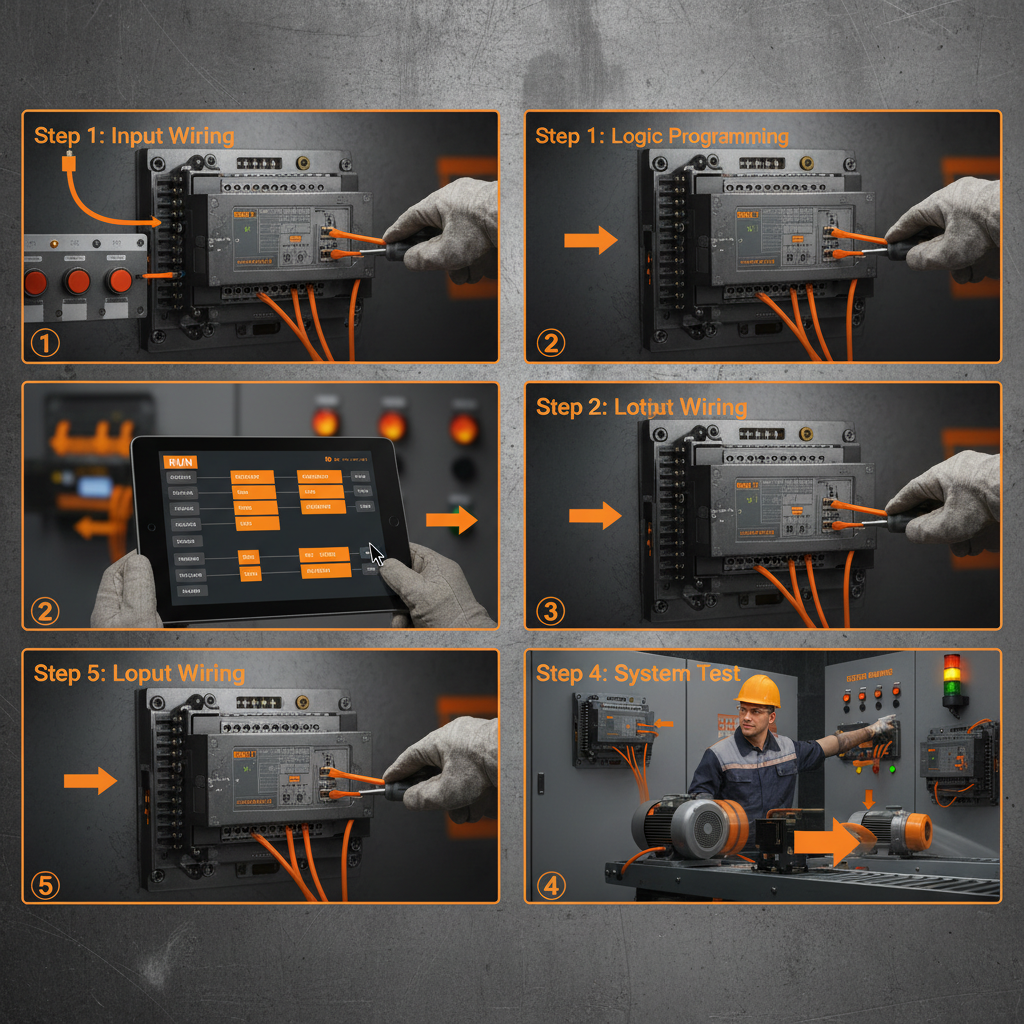
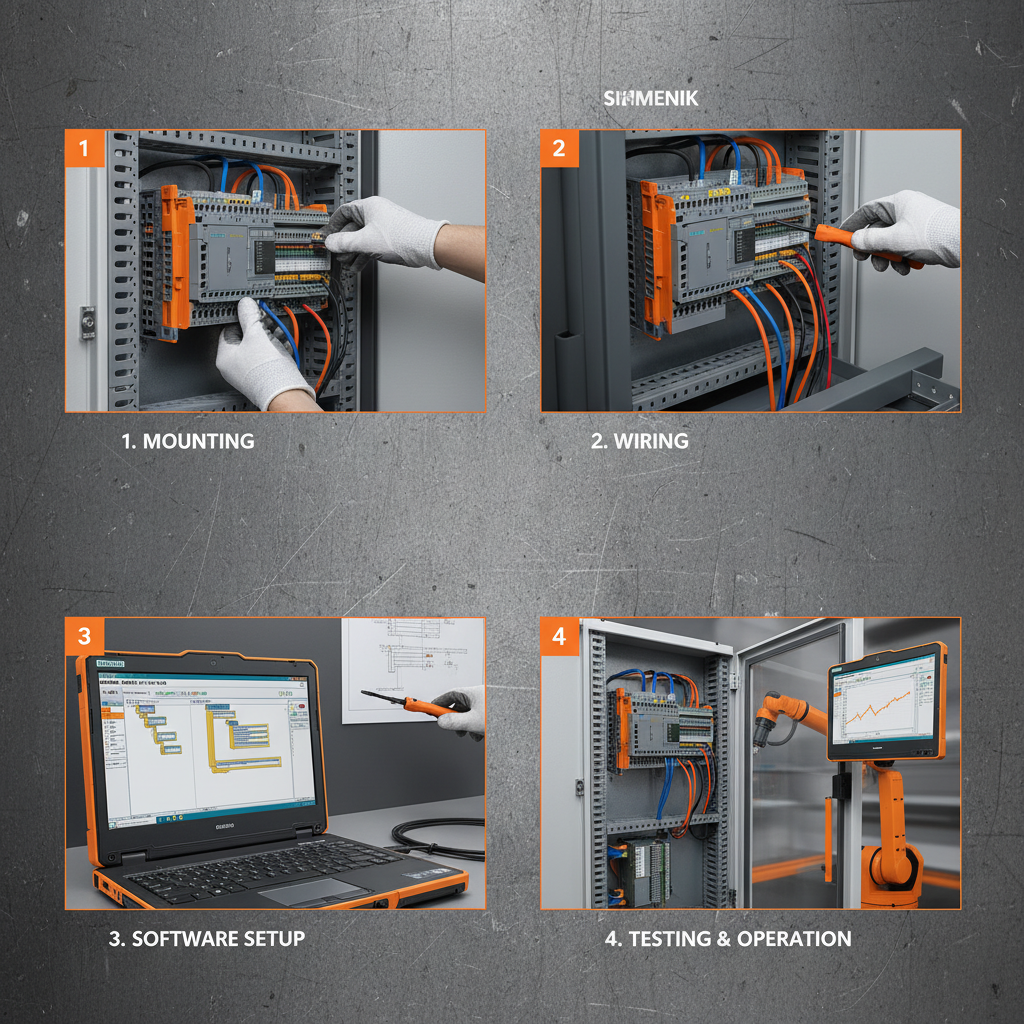
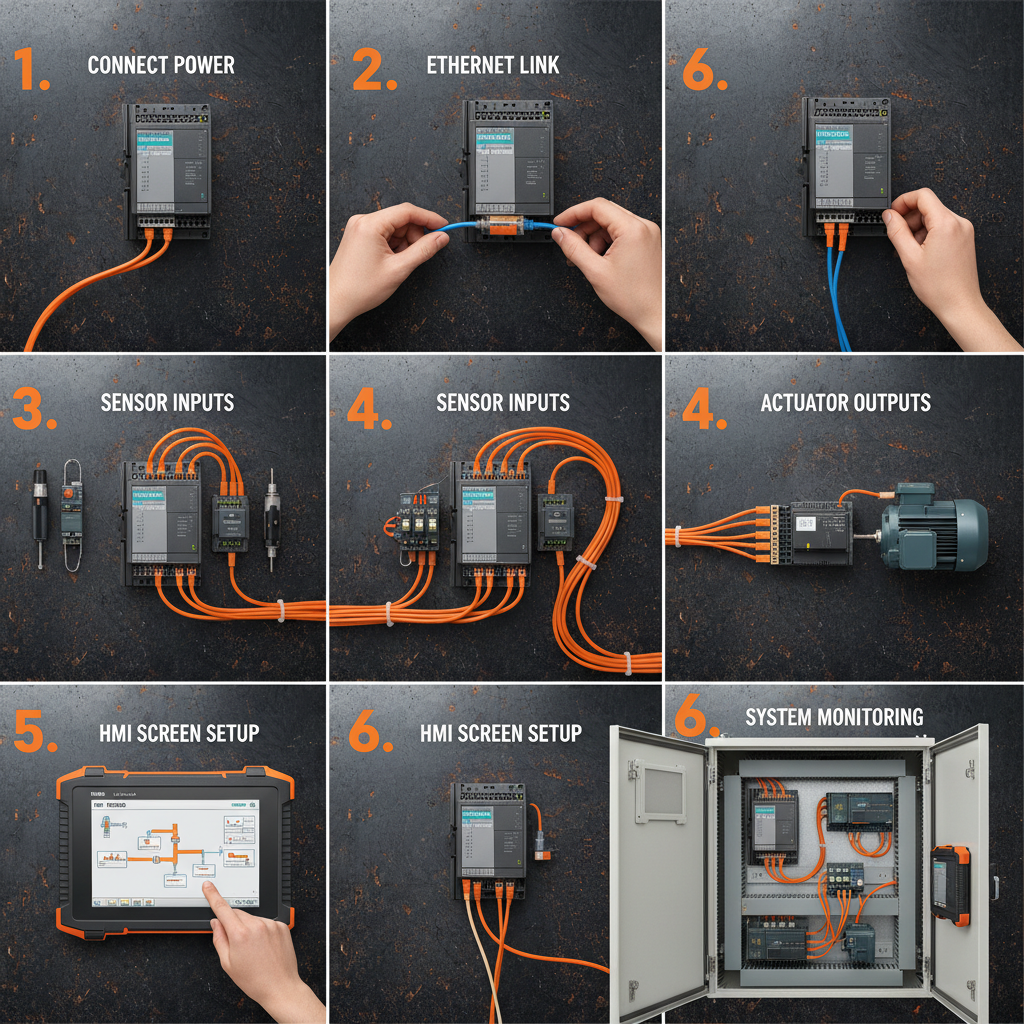
- A: Installation requires qualified technicians to ensure correct wiring, parameter setup, and programming. Many vendors provide on-site commissioning and training to smooth this.
Vendor Comparison: Choosing the Right Partner for Your 200 hp VFD
| Vendor | Key Features | Typical Price Range (USD) | Customer Support |
|---|---|---|---|
| Siemens | Robust designs, extensive software integration, global service network | $10,000 - $15,000 | 24/7 support, certified installers worldwide |
| ABB | High efficiency, advanced diagnostics, modular upgrades | $9,500 - $14,500 | Comprehensive training & on-site support |
| Danfoss | Compact design, user-friendly controls, good harmonic filtering | $8,500 - $13,000 | Strong regional dealer network |
Conclusion: Why Your Next Motor Should Probably Have a 200 hp VFD
In a world where every kilowatt counts and machinery uptime can make the difference between profit and loss, the 200 hp variable frequency drive is more than a component — it’s a strategic investment. From energy savings and sustainability benefits to improved process control and reliability, the value is both immediate and long term. If your operations involve mid-size motors, exploring these advanced drives is a no-brainer. Visit our website to find trusted solutions and expert advice on 200 hp variable frequency drive options that suit your unique needs.
Oddly enough, sometimes the quietest tech makes the loudest impact.
References: