High-Performance 120V VFD Drives for Efficient Motor Control | Tianjin Yongkai
Understanding the 120V VFD Drive: Why It Matters in Today's World
The 120v VFD drive might seem like just another acronym in the sprawling world of electrical equipment, but it's so much more. This device — a variable frequency drive designed specifically for 120-volt systems — plays a crucial role in energy efficiency, motor control, and industrial automation across the globe. Whether in a small manufacturing plant or a remote off-grid pumping station, understanding its benefits unlocks a pathway to smarter, more sustainable operations.
Globally, with the push towards energy conservation and smarter manufacturing (both backed by initiatives from organizations like ISO), variable frequency drives like these are not a novelty — they’re a necessity. From cutting costs to reducing carbon footprints, they have become an integral part of modern engineering solutions.
The Global Context: Why the 120v VFD Drive is Gaining Traction
So, why is a 120v-specific VFD drive grabbing attention? To put this in perspective, many residential and light industrial applications in North America and other regions operate on 120 volts. With more industries transitioning to digital and energy-saving technologies, retrofitting existing motor systems with a 120v VFD can yield big wins.
According to World Bank energy data, electricity demand has been rising steadily, putting pressure on grids to stabilize loads and improve efficiency. The VFD’s ability to precisely control motor speed and torque makes it a valuable tool for reducing wasted energy — especially important with rising environmental regulations.
In short, the “challenge” here is bridging traditional 120v motor setups with modern control technology to make industry and even residential solutions more adaptable and efficient — without breaking the bank.
What Exactly Is a 120V VFD Drive?
Simply put, a variable frequency drive (VFD) adjusts the speed of an electric motor by varying the frequency and voltage supplied. The 120v VFD drive is tailored for motors powered by the standard 120 volts AC, making it ideal for a range of small to medium power applications.
Think of it as a smart dimmer switch but for motors instead of lights. Instead of running a motor at full blast all the time, the VFD lets you dial the speed up or down, which helps save energy, reduce wear, and adapt to changing load needs.
From factory conveyor belts to HVAC systems and even water pumps in off-grid places, the 120v VFD is a quiet powerhouse behind the scenes — contributing to smoother operations and longer equipment life.
Key Components & Features of the 120V VFD Drive
1. Precision Motor Control
The heart of any VFD is its ability to adjust motor speed seamlessly. This precision ensures motors are not running at full speed unnecessarily, which can save 20–50% energy in many applications — quite roughly, but the real-world impact is something engineers rave about.
2. Durability in Diverse Conditions
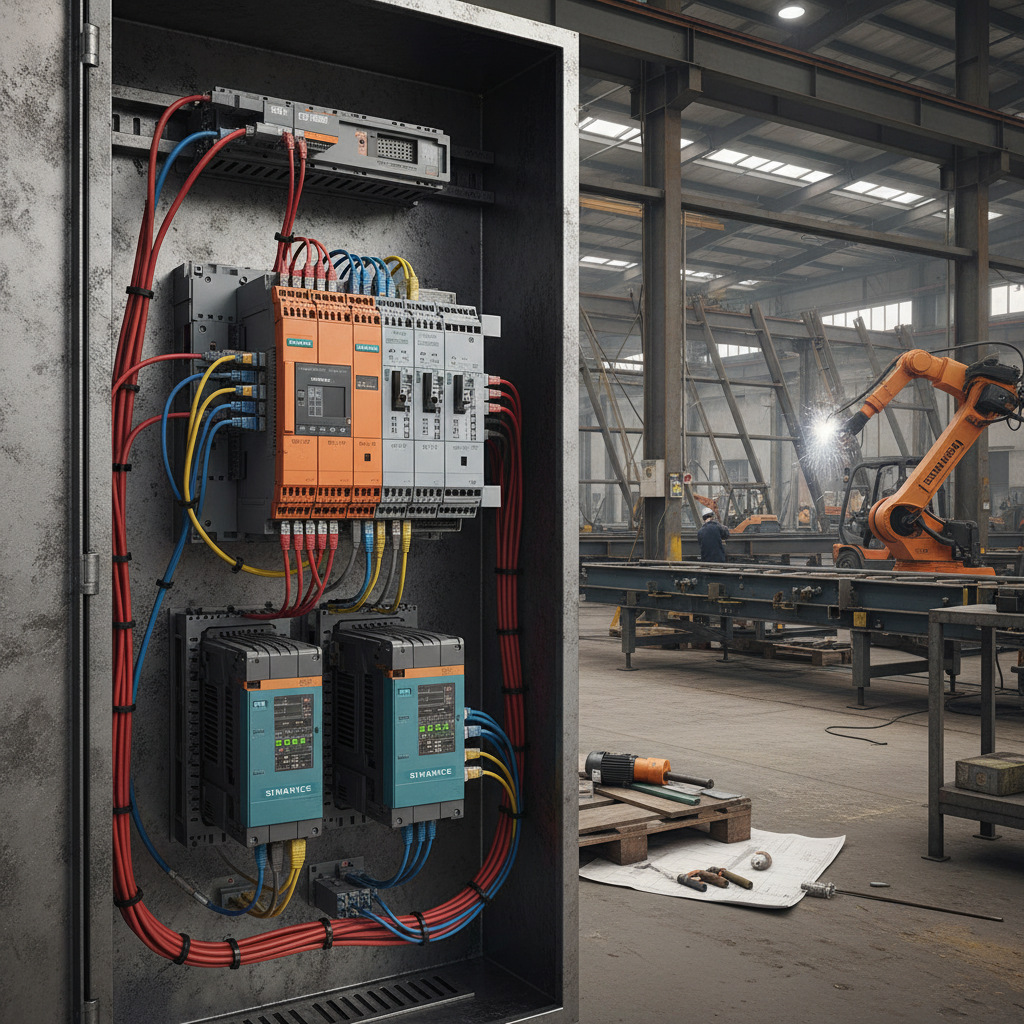
These drives are often built tough enough to handle hot, dusty, or humid environments; a 120v VFD drive intended for industrial or outdoor use will have protective coatings, NEMA or IP ratings. Durability means less downtime — key for remote or critical installations.
3. Scalability and Compatibility
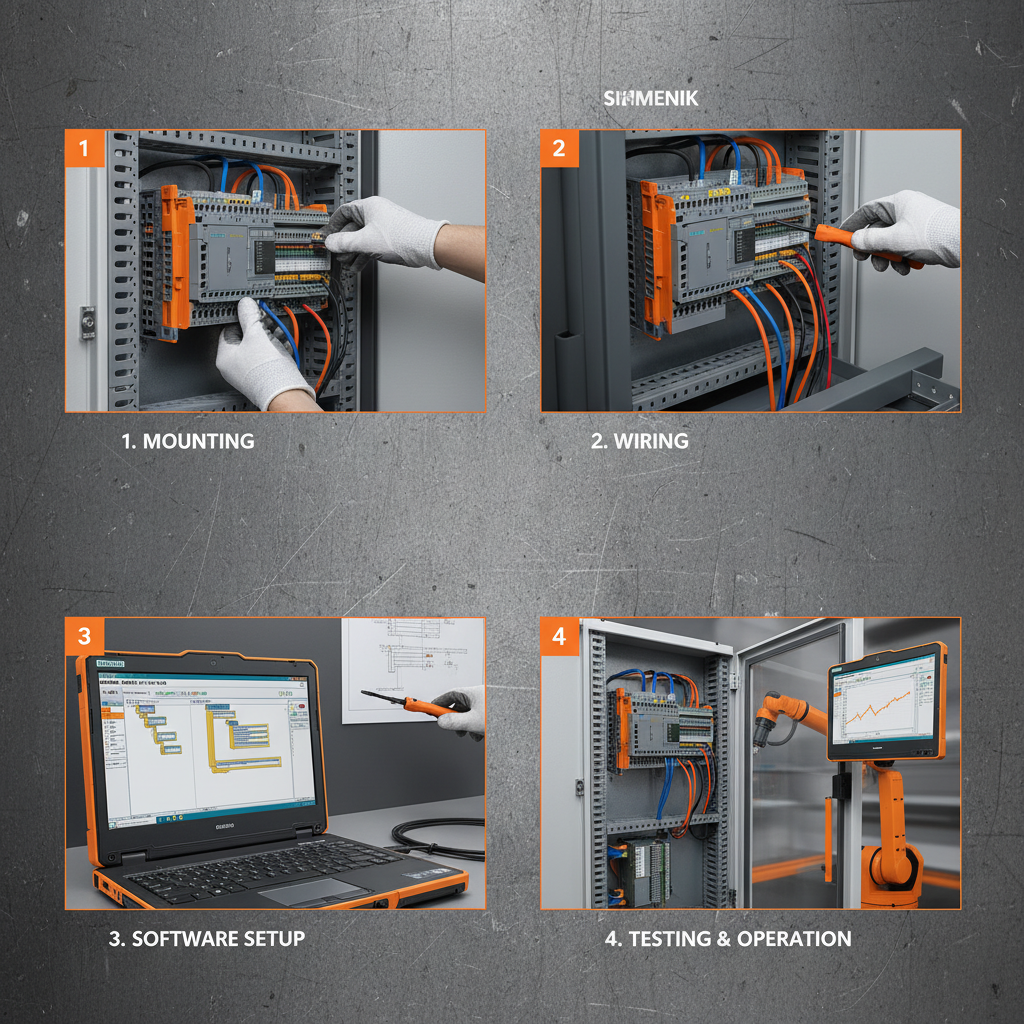
Because 120-volt motors are widespread, these drives can often integrate with existing setups without complex rewiring or upgrades, making them ideal for phased modernization projects.
4. Cost Efficiency
Compared to higher voltage VFDs, 120v drives often come at a lower price point, simplifying adoption in small businesses, residential automation, or specialized applications.
5. Safety and User-Friendly Interfaces
Most modern units come with interface options (digital displays, remote control, or even smartphone apps). Safety features like overload protection and fault diagnostics reduce risk and lower maintenance headaches.
Mini Takeaway:
The 120v VFD drive is an energy-smart, adaptable motor controller suited to widely used electrical systems. Its focus on durability, compatibility, and ease-of-use makes it a go-to device for efficient, modern operations.
Global Applications and Real-World Use Cases
Applications of the 120v VFD drive are broad, yet some use cases highlight its pretty vital role, especially beyond just factory floors.
- Remote Water Pumping: Regions without three-phase power often rely on 120-volt motors supported by VFDs to optimize pump speeds, conserving energy while ensuring water access. Think rural areas in parts of Africa or South America.
- Residential HVAC Upgrades: Replacing traditional motor starters with 120v VFDs can drastically improve energy savings for residential air conditioning units.
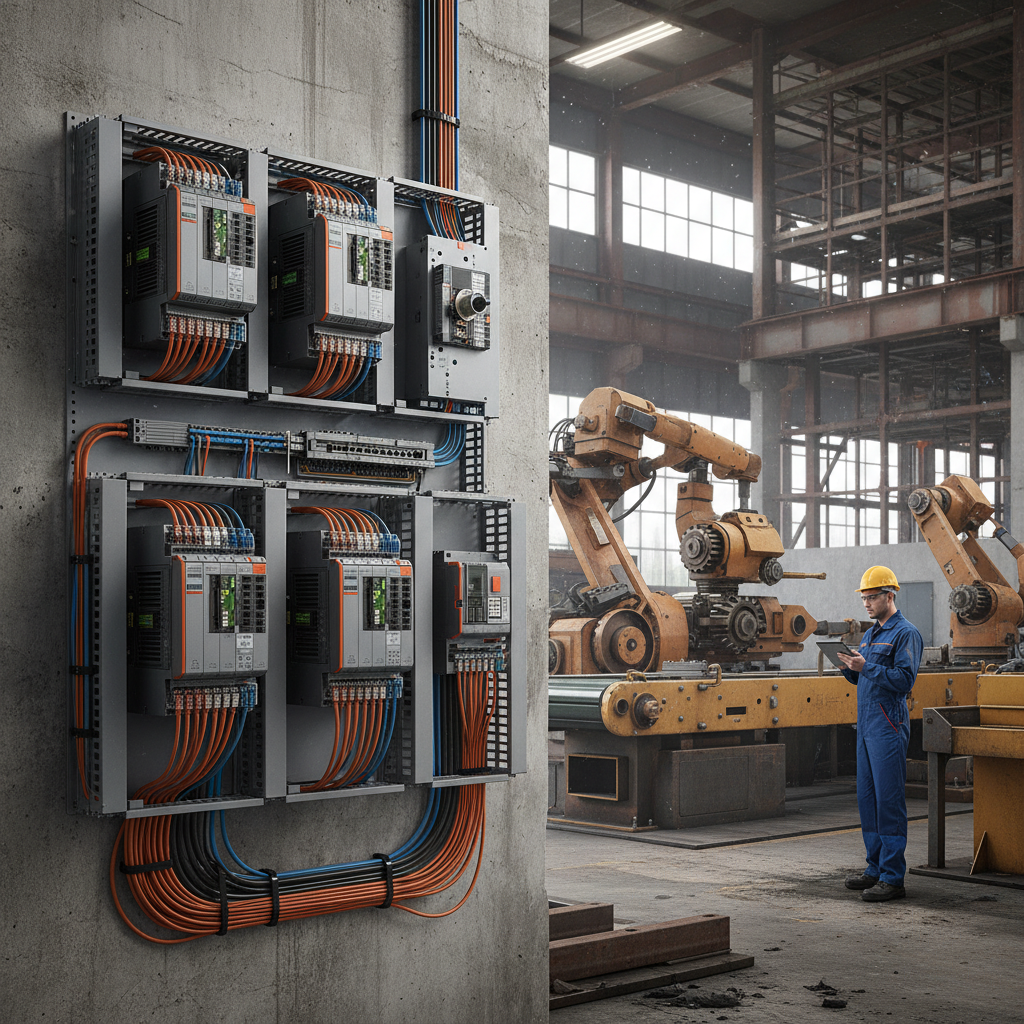
- Small Industrial Automation: Food processing plants and light manufacturing systems commonly retrofit old 120v motors with VFDs for smoother conveyor and mixer control.
- Post-Disaster Relief Operations: Mobile power systems and temporary setups often use 120v VFD-equipped motors for reliable, adaptable equipment in crisis zones.
In many cases, organizations like the UN or NGOs working toward sustainable infrastructure emphasize such technologies for decentralized power solutions to meet humanitarian goals.
Product Specification Table
| Specification | Typical Value |
|---|---|
| Input Voltage | 120 VAC ±10% |
| Output Frequency Range | 0 to 400 Hz |
| Max Motor Power | 1 HP (horsepower) |
| Control Type | PWM (Pulse Width Modulation) |
| Protection Ratings | IP20 to IP65 (depending on model) |
| Communication Interface | RS485, Modbus RTU (optional) |
Advantages and Long-Term Value of 120v VFD Drives
There are obvious tangible benefits like energy savings — but what I find fascinating is the blend of logic and emotion behind why companies and communities adopt these drives.
- Cost Savings: Lower electricity bills combined with extended motor life mean big bucks saved over time.
- Sustainability: Fewer emissions, less flashy power consumption — fits nicely into corporate responsibility agendas.
- Reliability: Preventative fault diagnostics and smooth motor control help avoid downtime and costly repairs.
- Safety & Dignity: For humanitarian use, clean, efficient motor control means infrastructure works consistently—supporting water and energy access.
- Innovation & Trust: Deploying current technology fosters confidence among stakeholders that a facility is “future-proofed.”
What’s Next? Future Trends in 120V VFD Drive Technology
As the industry evolves, the 120v vfd drive is seeing innovation in several directions:
- Green Energy Integration: More VFDs are being designed for compatibility with solar and microgrid systems, a critical step for off-grid and renewable-heavy setups.
- Smart Connectivity: IoT-enabled drives offering predictive maintenance and remote monitoring, making managing distributed assets easier than ever.
- Advanced Materials: New thermal management materials and compact designs are pushing limits on power density and efficiency.
- Policy & Regulations: Governments globally are enacting stricter efficiency regulations, which is accelerating adoption.
Challenges & Practical Solutions
Of course, not everything is smooth sailing.
One hurdle with 120v VFDs is their limited power range, which can be a problem if a business eventually scales up. Noise and electromagnetic interference (EMI) require careful installation, or else there can be headaches down the road. Some users report occasional compatibility quirks with older motors — nothing a good bench test can't catch.
To overcome these, many engineers recommend:
- Proper EMI filters and shielding during installation.
- Careful motor matching and consulting vendor specs before purchasing.
- Regular firmware updates and training for maintenance teams.
Vendor Comparison: A Quick Look
| Feature / Vendor | DriveTech Pro | VoltEase | EcoSpin |
|---|---|---|---|
| Max Motor Power | 1 HP | 0.75 HP | 1 HP |
| IP Rating | IP20 | IP54 | IP65 |
| Smart Connectivity | No | Yes (Wi-Fi) | Yes (Modbus) |
| Approx. Price (USD) | $120 | $150 | $170 |
Common Questions About 120v VFD Drives
Q1: Can I use a 120v VFD drive with any 120V motor?
Generally, yes, but you must check the motor’s compatibility, especially regarding current rating and type (e.g., induction vs. universal motor). Some older motors might not perform optimally or could even get damaged without proper settings. Always consult the drive manual or a professional.
Q2: What is the expected lifespan of a 120v VFD drive?
With suitable operating conditions and maintenance, most 120v VFD drives last between 8 to 15 years. Frequent voltage spikes, extreme temperatures, or poorly ventilated enclosures can shorten lifespan.
Q3: Are 120v VFD drives energy efficient?
Absolutely. By adjusting motor speeds instead of running them at full power constantly, these drives can reduce energy consumption by up to 50% depending on the application and duty cycle.
Q4: How difficult is it to install a 120v VFD drive in existing setups?
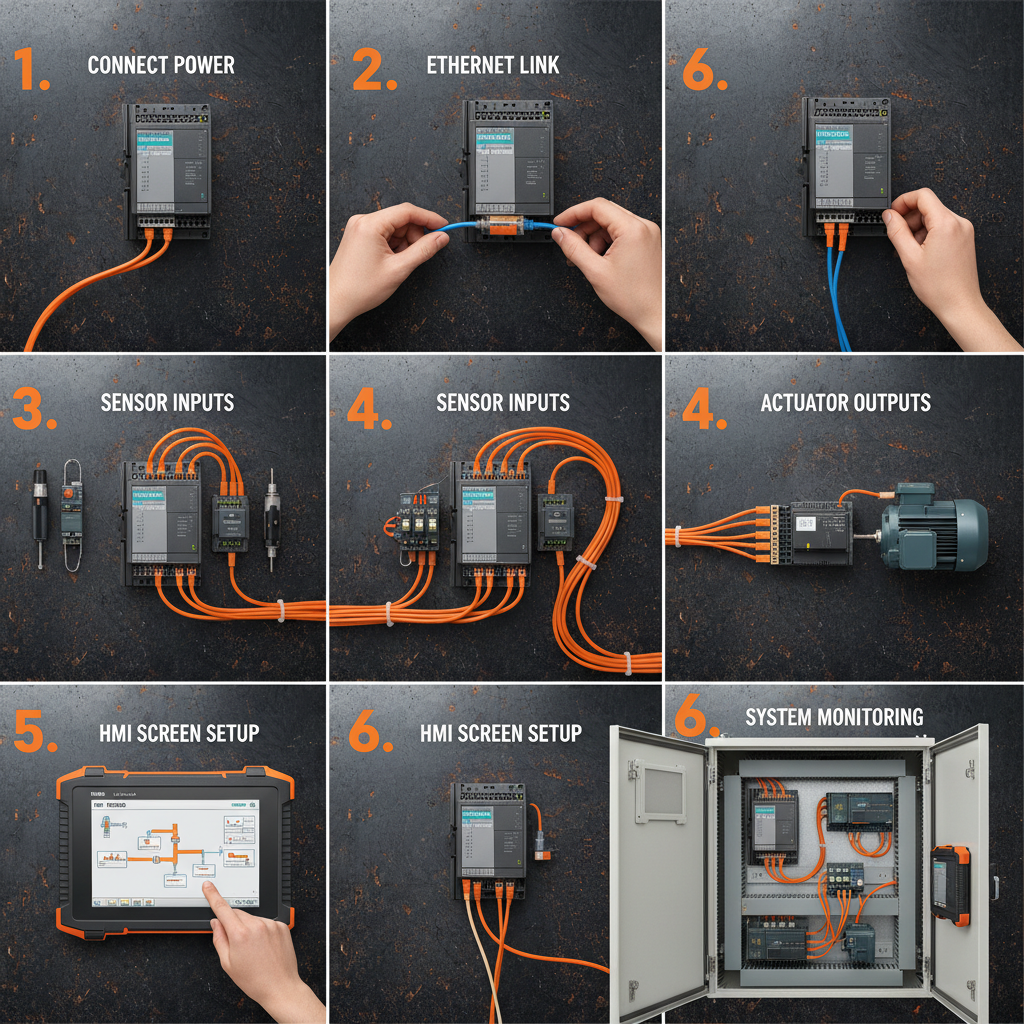
For the most part, installation is straightforward—but you should ensure proper electrical neutral grounding, check motor ratings, and sometimes reconfigure wiring. Many vendors offer kits or detailed manuals to ease this process.
Q5: Can I control multiple motors with one 120v VFD drive?
Typically, a VFD controls just one motor. For multi-motor control, you’ll need multiple drives or a centralized controller with multiple outputs—though this increases complexity and cost.
Wrapping Up: The Last Word on 120v VFD Drives
In the tangled weave of modern electricity use and automation, the 120v vfd drive quietly stands out as a practical, accessible technology. It’s a neat blend of saving energy, easing maintenance, and future-proofing equipment without requiring extensive infrastructure overhauls. Whether you're outfitting a small factory or managing off-grid equipment, it feels like this humble device will only become more important going forward.
For those curious to explore options, get specs, or start retrofitting today, check out more details at our website. Your motors (and your wallet) will thank you.