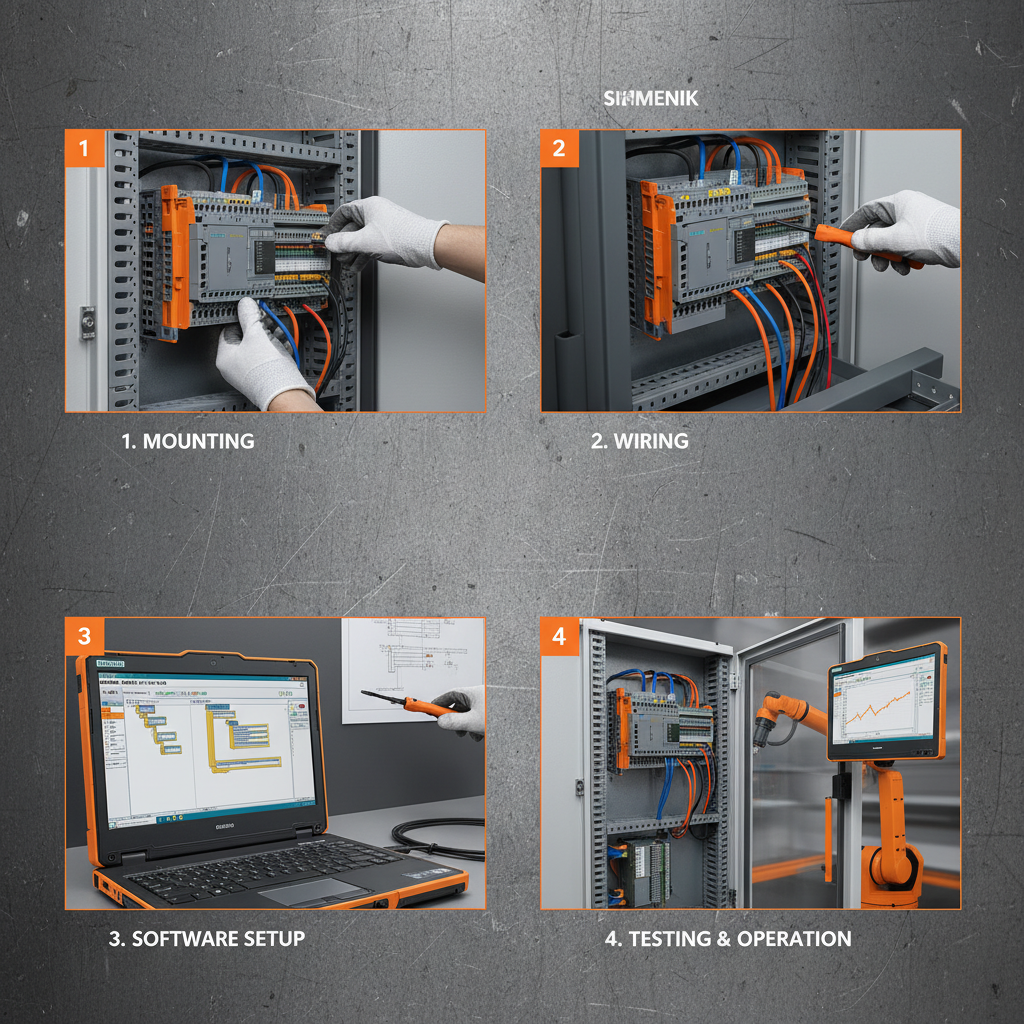
Mastering the plc step for Industrial Automation and Efficiency
Mastering the PLC Step: A Comprehensive Guide to Industrial Automation
In the rapidly evolving landscape of industrial automation, understanding every plc step is critical for ensuring operational efficiency and system reliability. Whether you are an engineer designing a new assembly line or a technician troubleshooting an existing system, the sequence of operations—the logical steps—defines the success of the entire automation process. A well-defined sequence reduces downtime, prevents mechanical failures, and optimizes throughput. In this guide, we will explore the nuances of programming steps, from initial logic design to final execution, helping you streamline your industrial workflows for maximum productivity.
The Fundamentals of a PLC Step Sequence
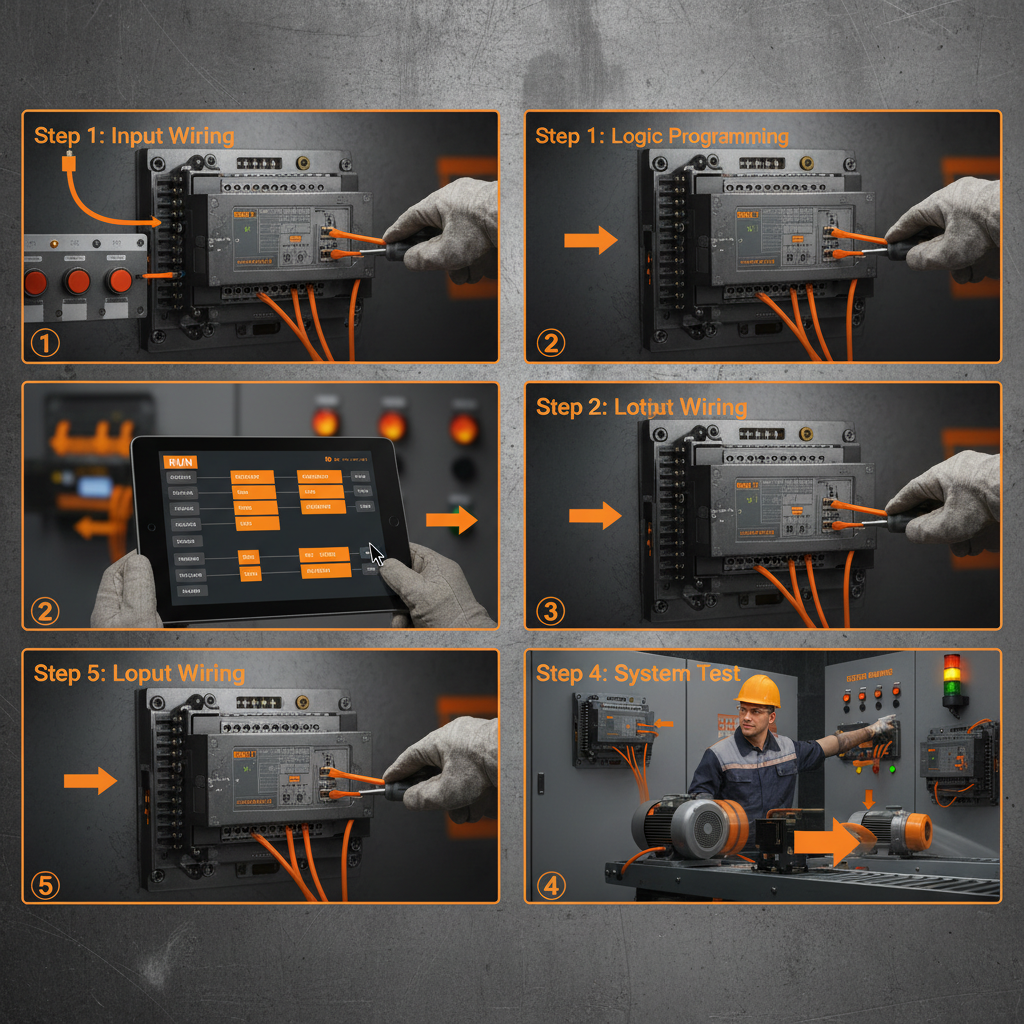
At its core, a PLC step refers to a discrete state within a sequential function chart (SFC) or a ladder logic sequence. Each step represents a specific condition that must be met or an action that must be executed before the system can transition to the next phase. For example, in a bottling plant, Step 1 might be "Position Bottle," Step 2 "Fill Liquid," and Step 3 "Seal Cap." Precision in these transitions is what separates a high-performing system from one prone to errors. By utilizing high-quality controllers and clear logic, companies can ensure that each plc step is executed with microsecond accuracy, minimizing waste and enhancing safety.
Pro Tip: Always implement a "Timeout" for every step. If a sensor fails to trigger the next transition within a set time, the PLC should trigger an alarm rather than waiting indefinitely, preventing systemic freezes.
Optimizing Your PLC Step Logic for Speed
Efficiency in automation is often measured by the cycle time of a single process. To optimize the plc step execution, programmers often move away from simple linear sequences toward parallel processing. By executing independent steps simultaneously—such as warming up a heating element while a conveyor is moving a part into place—the overall cycle time is drastically reduced. This approach requires a deeper understanding of interlocks to ensure that parallel steps do not conflict, creating a harmonious flow of movement and data throughout the facility.
Comparing Step-Based Logic vs. State-Based Logic
When designing a system, engineers often choose between a rigid step-by-step sequence and a more fluid state-based architecture. While a standard plc step sequence is easier to debug for simple machines, state-based logic allows for more complex behaviors, such as jumping back to a previous state if an error occurs. This flexibility is essential for modern "Smart Factories" where adaptability is key to maintaining a competitive edge in the global market.
Implementing PLC Step Safety Protocols
Safety cannot be an afterthought when programming a plc step. Every transition must be gated by safety interlocks. For instance, a "Clamp" step should never execute unless the "Safety Gate Closed" sensor is active. Integrating Emergency Stop (E-Stop) routines that can freeze the sequence at any given step is mandatory for compliance with international safety standards. By embedding these checks directly into the sequence, you ensure that the machinery protects both the operators and the equipment from catastrophic failure.
Technical Specifications for PLC Step Controllers
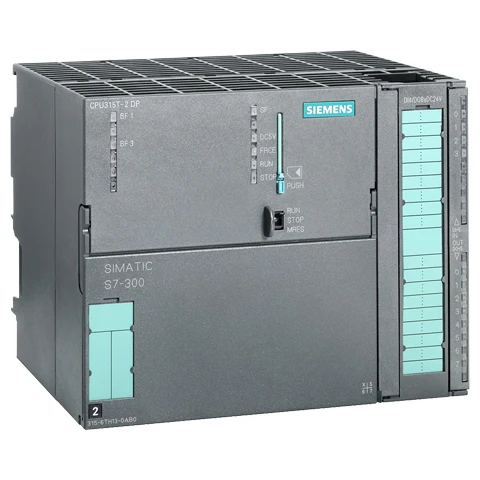
Not all PLCs are created equal when it comes to handling complex sequences. The speed at which a controller can scan its program and transition from one plc step to another—known as the scan time—is a vital specification. For high-speed packaging or precision electronics assembly, a scan time in the low milliseconds is required. Below is a general specification table for controllers optimized for sequential processing:
Conclusion: Enhancing Productivity via Precise Sequence Control
Perfecting every plc step is more than just a programming task; it is the foundation of industrial reliability. By focusing on logical transitions, parallel processing, and stringent safety interlocks, manufacturers can significantly reduce cycle times and eliminate costly downtime. Investing in the right hardware and a structured programming approach ensures that your automation system remains scalable and efficient. For those looking to elevate their industrial operations, mastering the art of the sequence is the first step toward true operational excellence.
Frequently Asked Questions (FAQs)
What happens if a PLC step fails to transition?
When a plc step fails to transition, the system typically hangs in the current state. To prevent this, professional programmers implement "Watchdog Timers." If the transition condition is not met within a predefined window (e.g., 5 seconds), the PLC triggers a fault alarm, notifies the operator, and enters a safe state. This prevents mechanical damage that could occur if a machine continues to apply pressure or heat without the part being in the correct position.
Can I run multiple PLC steps at the same time?
Yes, this is known as parallel sequencing. In advanced Sequential Function Charts (SFC), you can use "divergence" to start multiple branches of steps simultaneously. For example, while one branch is managing the conveyor movement, another branch can be checking the temperature of a boiler. This significantly reduces the total cycle time. However, it requires careful use of "convergence" to ensure all parallel steps are complete before the system moves to the final concluding step.
How do I choose the right controller for step-intensive logic?
When selecting a controller for complex sequences, prioritize those that support IEC 61131-3 standards, specifically SFC (Sequential Function Chart) capabilities. Look for a fast CPU with a low scan time to ensure that each plc step is processed without lag. Additionally, ensure the PLC has sufficient memory to store large state tables and enough I/O modules to handle all the sensors and actuators required for each stage of your sequence.
Is step-based programming better than ladder logic?
Neither is inherently "better," but they serve different purposes. Ladder logic is excellent for simple boolean operations and interlocking. However, for complex processes involving a specific order of events, a step-based approach (like SFC) is far superior. It provides a visual representation of the process flow, making it much easier for engineers to trace the current state of the machine and identify exactly which plc step is causing a bottleneck or failure.