Optimizing Industrial Automation with PLC Siemens Profinet Integration
PLC Siemens Profinet: A Comprehensive Guide
In the realm of industrial automation, Programmable Logic Controllers (PLCs) are the backbone of countless processes. Siemens PLCs, renowned for their reliability and performance, are often integrated with PROFINET – a powerful and versatile industrial Ethernet standard. This article delves into the intricacies of PLC Siemens Profinet technology, exploring its benefits, applications, and key considerations for implementation. Understanding this combination is crucial for optimizing automation systems and achieving efficient, data-driven manufacturing. We will cover everything from the basics of PROFINET to advanced configuration tips and troubleshooting strategies.

Understanding PLC Siemens and PROFINET Integration
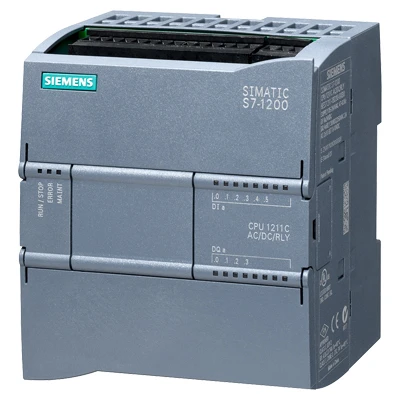
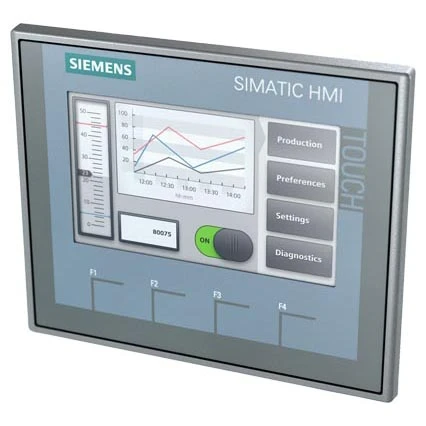
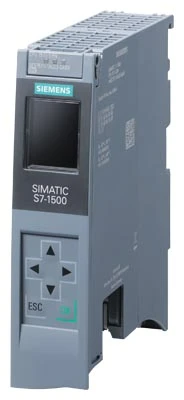
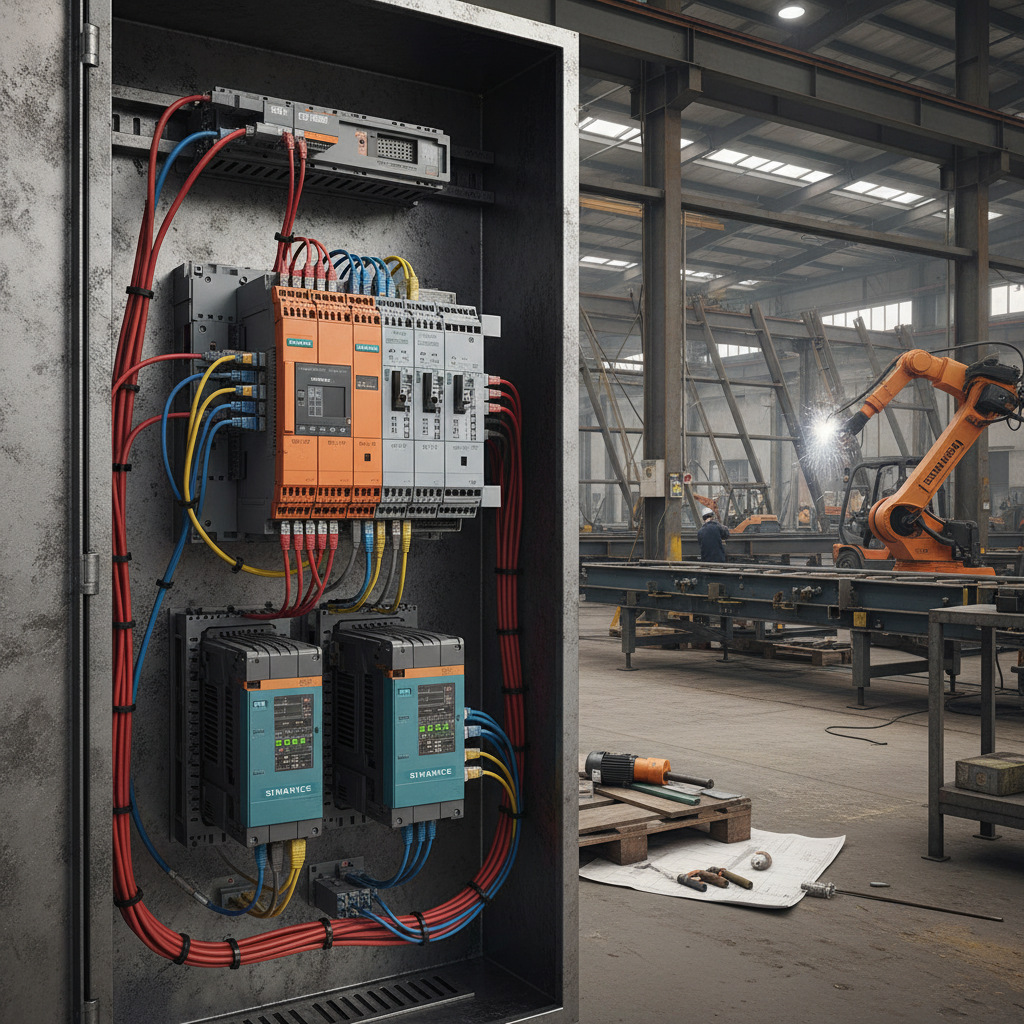
Siemens PLCs, such as the S7-1200 and S7-1500 series, are widely used for controlling automated systems. PROFINET, on the other hand, provides the communication network that allows these PLCs to exchange data with other devices like HMIs (Human Machine Interfaces), drives, and sensors. The integration of Siemens PLCs with PROFINET offers numerous advantages, including faster communication speeds, deterministic behavior (predictable timing), and real-time data access. This is essential for applications requiring precise control and synchronization, like robotics, packaging machines, and process control systems. The robust nature of PROFINET also increases system resilience and reduces downtime.
Key Benefits of Using PLC Siemens Profinet
Employing PLC Siemens Profinet yields several crucial benefits for industrial automation. Firstly, it enables faster data exchange rates, supporting demanding real-time applications. Secondly, PROFINET's inherent deterministic behavior ensures predictable system performance. Thirdly, the integration simplifies diagnostics and troubleshooting with detailed network information. Finally, PROFINET supports integrated safety functions (PROFIsafe), enhancing overall system safety. These advantages translate into improved efficiency, reduced downtime, and enhanced operational reliability.
Key Highlights: Faster data exchange, deterministic behavior, simplified diagnostics, and integrated safety functions.
PROFINET Communication Modes: RT and IRT
PROFINET offers two primary communication modes: Real-Time (RT) and Isochronous Real-Time (IRT). RT mode is suitable for applications requiring fast, but not necessarily perfectly synchronized, communication. IRT mode, however, is designed for highly demanding applications like motion control and robotics, where precise timing is critical. IRT achieves this through synchronized clock distribution across the network. Choosing the appropriate communication mode depends on the specific requirements of the application. For instance, a simple data acquisition system might function perfectly well with RT mode, while a complex robotic arm assembly line would likely benefit from the precision of IRT. Understanding these modes is vital when configuring a PLC Siemens Profinet network.
PROFINET Communication Modes:
• RT (Real-Time): Fast, suitable for general automation.
• IRT (Isochronous Real-Time): Highly precise, ideal for motion control and robotics.
Siemens PLC Profinet Configuration and Diagnostics
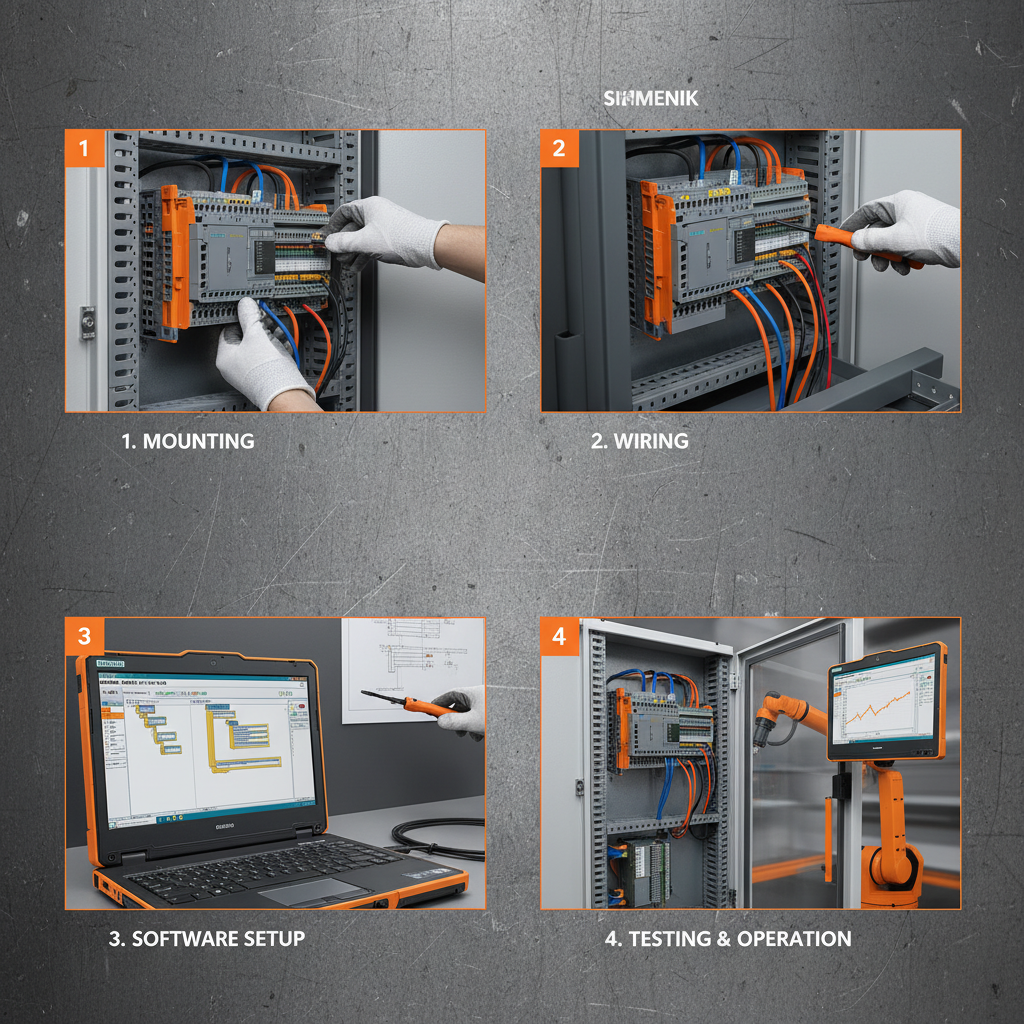
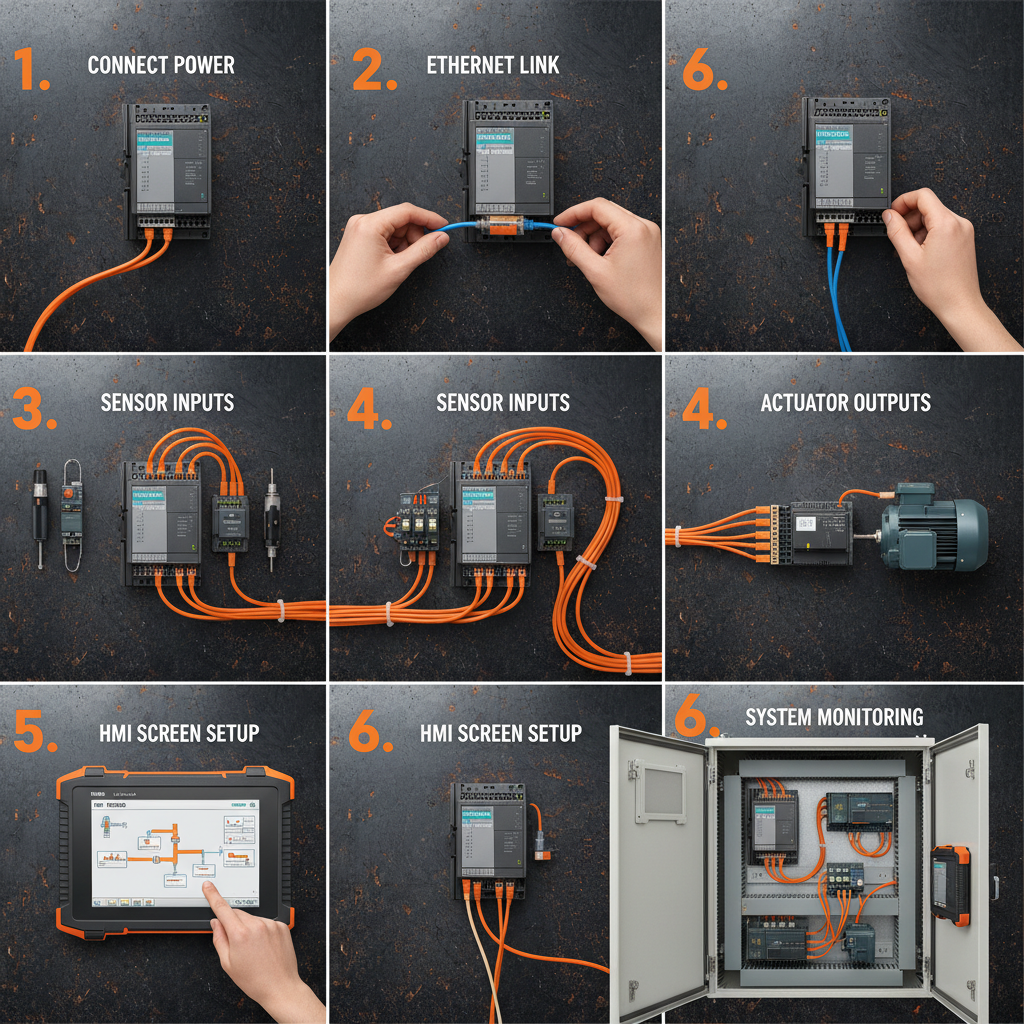
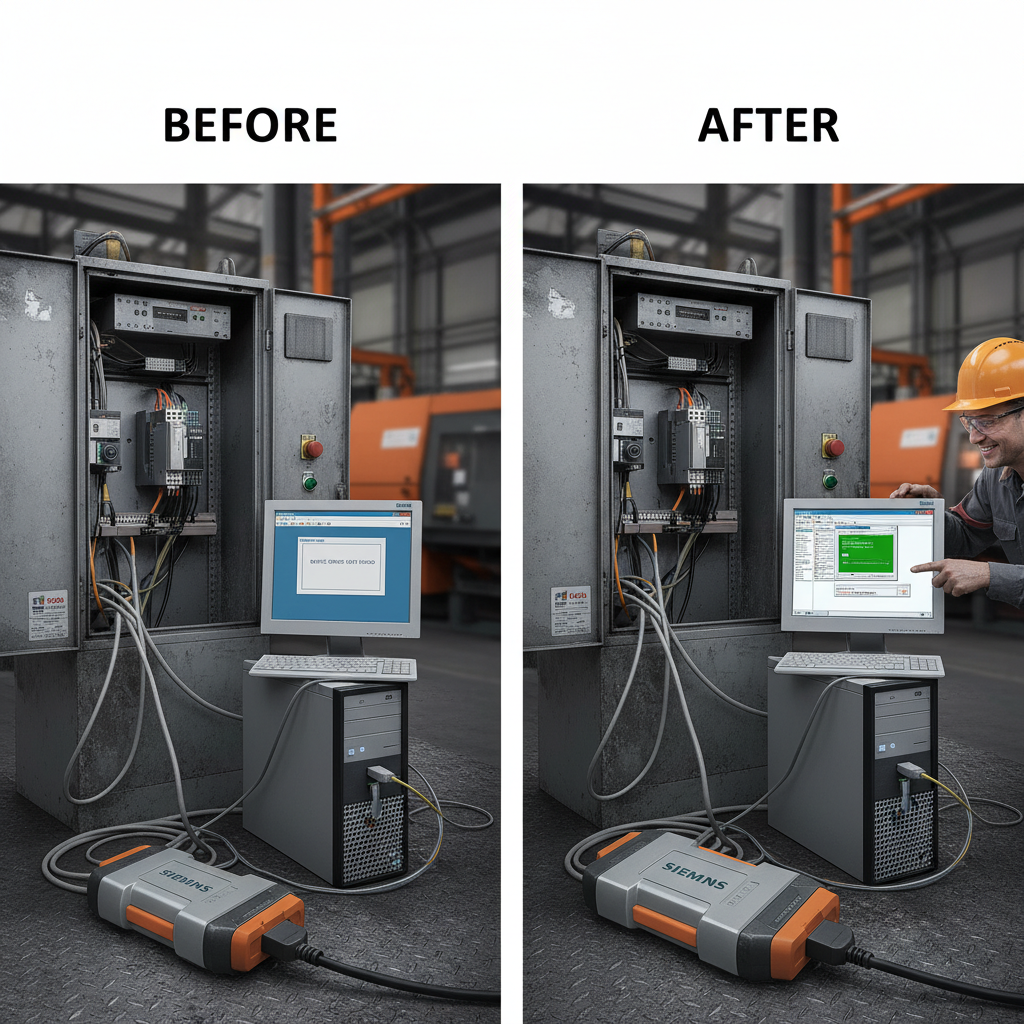
Configuring Siemens PLCs for PROFINET communication typically involves using the TIA Portal software. This powerful engineering framework allows you to define network parameters, assign IP addresses, and configure communication relationships between devices. Diagnostics are also crucial for maintaining a healthy PROFINET network. TIA Portal provides comprehensive diagnostic tools, including network monitoring, topology visualization, and error logging. These tools enable you to quickly identify and resolve communication issues, minimizing downtime. Proper configuration and regular diagnostics are paramount for reliable operation of a PLC Siemens Profinet system.
Applications of PLC Siemens Profinet in Modern Industry
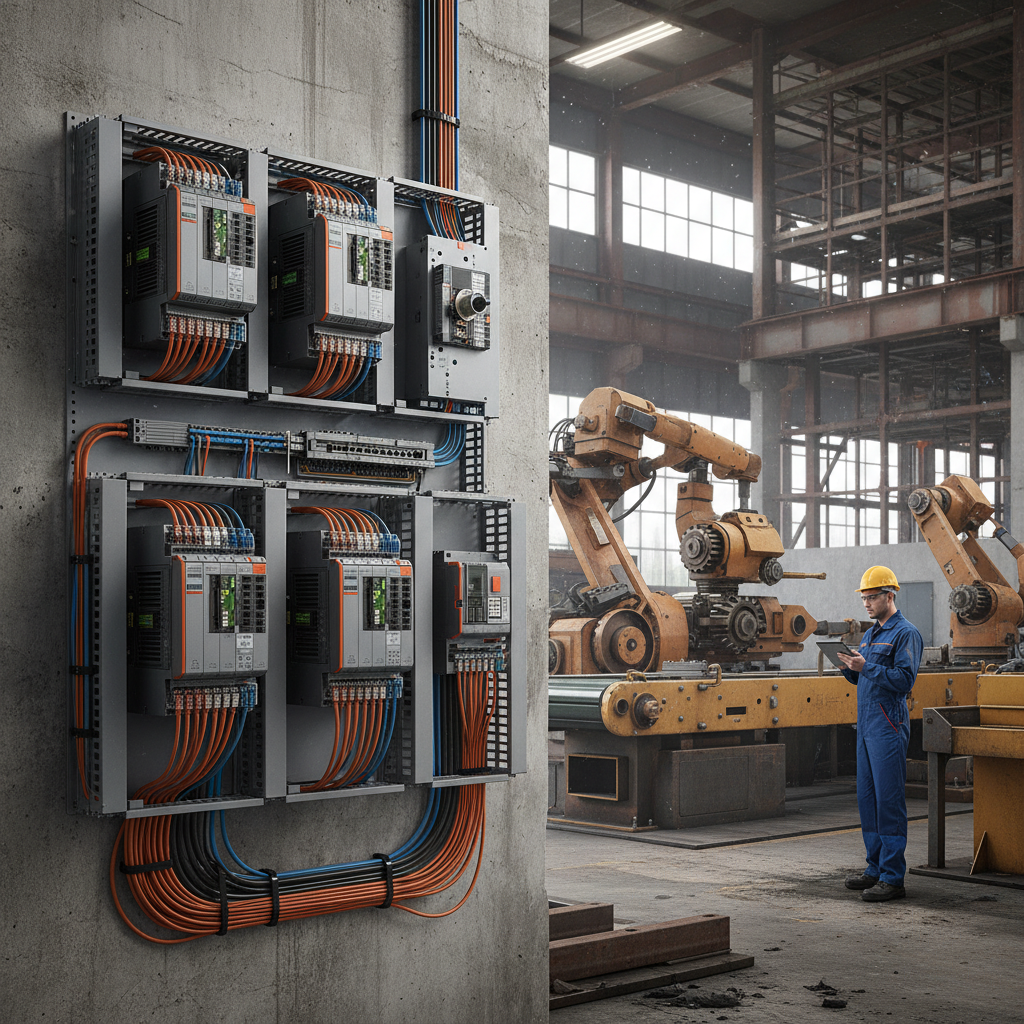
The combination of PLC Siemens Profinet is prevalent across numerous industries. In automotive manufacturing, it drives robotic assembly lines and quality control systems. In the food and beverage industry, it controls packaging processes and ensures product traceability. Within the pharmaceutical sector, it manages precise dosing and mixing operations. And in the power generation industry, it monitors and controls critical infrastructure. Its versatility and reliability make it an invaluable asset across a broad spectrum of industrial applications.
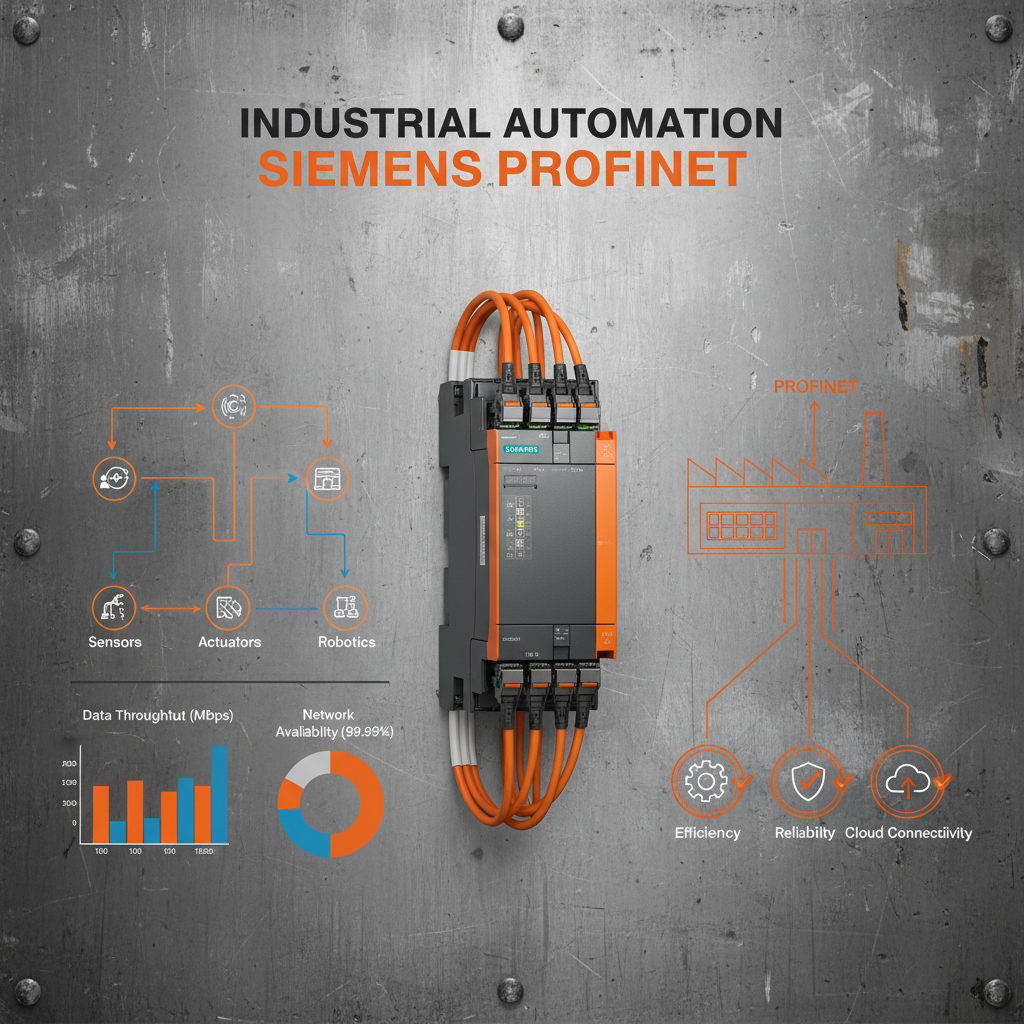
Conclusion: The Future of Industrial Automation with Siemens and PROFINET
The integration of Siemens PLCs with PROFINET represents a cornerstone of modern industrial automation. Its ability to deliver high-speed, deterministic communication, coupled with advanced diagnostic capabilities, makes it a powerful tool for optimizing processes and enhancing efficiency. As Industry 4.0 continues to evolve, the demand for robust and reliable communication networks like PROFINET will only increase. Embracing this technology is essential for manufacturers seeking to stay competitive and drive innovation. Tianjinyongkai provides expert solutions for PLC Siemens Profinet integration, helping you unlock the full potential of your automation systems.
Frequently Asked Questions (FAQs)
What are the key advantages of using PROFINET over other industrial Ethernet protocols?
PROFINET stands out due to its inherent deterministic behavior, meaning communication delays are predictable and consistent. This is vital for time-critical applications like motion control. It also supports integrated safety features (PROFIsafe) for enhanced safety, and boasts faster communication speeds compared to older protocols like PROFIBUS. Furthermore, PROFINET leverages standard Ethernet infrastructure, reducing cabling costs and simplifying network integration. Its comprehensive diagnostic tools facilitate easier troubleshooting and maintenance, contributing to reduced downtime and increased system reliability.
How do I troubleshoot a PROFINET communication error?
Troubleshooting PROFINET issues involves a systematic approach. First, check physical connections – cables, connectors, and switches. Next, use the diagnostic tools in TIA Portal to identify the source of the error, such as device status, network monitoring, and error logs. Verify IP address configurations and ensure that devices are properly synchronized. If the issue persists, consider using a PROFINET network analyzer to capture and analyze network traffic. Software updates and firmware revisions for PLCs and network components can also resolve compatibility issues.
What is PROFIsafe and how does it enhance safety in a PROFINET network?
PROFIsafe is a safety protocol integrated within PROFINET that provides a secure communication channel for safety-critical applications. It enables the transmission of safety-related data, such as emergency stop signals and safety gate status, with high reliability and integrity. PROFIsafe uses redundant communication paths and error detection mechanisms to ensure that safety functions are executed correctly, even in the presence of network failures. This significantly enhances overall system safety and helps comply with stringent safety standards.
What are the considerations for choosing between RT and IRT communication modes?
The choice between RT and IRT modes depends on the application's requirements for timing precision. RT mode is suitable for applications where deterministic behavior is important but not absolutely critical, such as general data acquisition and control. IRT mode, however, is essential for applications demanding precise synchronization and low communication jitter, like high-speed motion control, robotics, and synchronized drive systems. IRT mode requires more network configuration and specialized hardware but provides superior timing performance.