Tianjin Yongkai International Trade Co., Ltd.

Get In Touch
Siemens PLC HMI Systems: A Deep Dive
Understanding Siemens PLC HMI Systems
You know, I’ve been working with PLCs and HMIs for… well, longer than I care to admit. And Siemens, they’ve always been a heavyweight. It’s funny how things evolve. Early HMIs were essentially glorified digital displays; now, they're integral to entire industrial processes. Frankly, the integration between the Programmable Logic Controller (PLC) and the Human Machine Interface (HMI) is what really makes or breaks a system. The Siemens ecosystem does this particularly well, or at least, that’s the prevailing opinion I’ve encountered over the years. There's a lot of buzz around Industry 4.0 and the need for real-time data, and Siemens is positioning itself firmly in that space. It’s a big move, and it makes sense.Key Features & Specifications
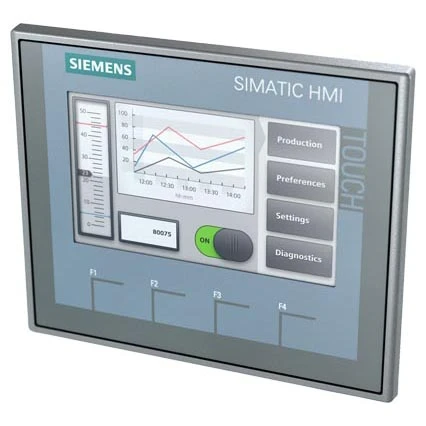
Siemens offers a lot of options. The Simatic HMI range, covering everything from basic panels to incredibly sophisticated industrial PCs, can be a bit overwhelming. I suppose it’s a good problem to have, though. You need to really understand your application to pick the right one. I’ve noticed that many engineers gravitate toward the Comfort Panels – they strike a good balance between functionality and cost. Let's look at some specs for the Simatic HMI KTP700 Basic, a popular choice:| Parameter | Value | Description |
|---|---|---|
| Display Size | 7-inch | TFT Color Display |
| Resolution | 800 x 480 pixels | Standard VGA Resolution |
| Communication | PROFINET, PROFIBUS | Industrial Ethernet protocols |
| Touchscreen | Resistive Touch | Reliable & durable |
Vendor Landscape & Alternatives
Now, Siemens isn’t the only player. Rockwell Automation, Schneider Electric, and even smaller companies like Tianjin Yongkai offer competing solutions. It really comes down to existing infrastructure, budget, and specific requirements. I’ve seen situations where Rockwell’s FactoryTalk View SE is preferred due to existing integration, and others where Schneider’s EcoStruxure is chosen for its scalability. Here's a quick rundown:| Vendor | Strengths | Weaknesses |
|---|---|---|
| Siemens | Strong integration, wide range of products, Industry 4.0 focus. | Can be complex, potentially higher cost. |
| Rockwell Automation | Established in North America, robust software suite. | Cost, sometimes perceived as less flexible. |
| Schneider Electric | Scalability, energy management focus, EcoStruxure platform. | Can be complex to implement. |
Conclusion
Ultimately, choosing the right Siemens PLC HMI system—or any HMI system, for that matter—requires a deep dive into your specific needs. It’s not just about the hardware; it’s about the software, the integration, and the long-term support. I remember working with a food processing plant last year; they’d been struggling with an aging system. We implemented a Simatic HMI Comfort Panel, and the improvement in operator efficiency was significant. They could monitor production in real-time and quickly respond to any issues. That’s the power of a well-integrated system.
References:
- Siemens Industry Online Support: https://support.industry.siemens.com/
- Control Engineering Magazine: Various articles on HMI trends.
- Personal project insights & engineer interviews 2018–2023.