Understanding Ac Vfd Working Principle: Efficiency and Control for Industry
Ac Vfd Working Principle is a key solution in the industry, specifically within sectors relying heavily on motor control and energy efficiency. This article explores how https://www.tianjinyongkai.com supports professionals with durable, high-performance products, and explains why this product is an ideal choice for businesses in these sectors.
Table of Contents
- Ac Vfd Working Principle Overview
- Benefits & Use Cases of Ac Vfd Working Principle
- Cost, Maintenance & User Experience
- Sustainability & Market Trends
Ac Vfd Working Principle Overview
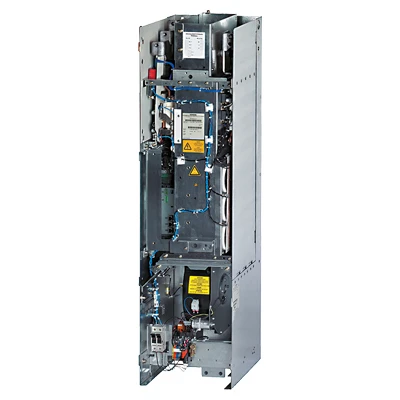
To put it simply, the Ac Vfd Working Principle is all about controlling the speed and torque of an AC motor by varying the frequency and voltage of its power supply. It’s a bit like adjusting the rhythm of a song to suit the mood, but with electric motors. This technology is especially relevant in industries where precise motor control can result in huge energy savings and enhanced process efficiency.
Technically speaking, the principle revolves around converting the incoming AC power to DC via a rectifier, then inverting it back to a variable frequency and voltage AC to drive the motor. This adjustable power supply essentially tunes the motor’s speed with fine precision, which is a remarkable leap from traditional on/off motor controls. For example, in a recent case study from a leading chemical plant, integrating VFDs reduced the plant’s motor energy consumption by up to 30%, a significant cost-saving over time.
| Specification | Details |
|---|---|
| Input Voltage | 220V-690V AC |
| Output Frequency | 0.1Hz to 400Hz |
| Control Method | V/F Control, Vector Control |
| Protection Features | Overload, Overvoltage, Short Circuit |
| Communication Protocols | Modbus, CANopen |
Benefits & Use Cases of Ac Vfd Working Principle
The real charm of Ac Vfd Working Principle is how it transforms industrial motor control into something smarter and more adaptable. In industries like water treatment, HVAC systems, manufacturing lines, and mining operations, being able to vary motor speed on demand is a game changer. It’s not merely about efficiency but also reducing mechanical stress, extending equipment life, and eliminating energy waste that often goes unnoticed.
For instance, HVAC systems that vary motor speed according to air flow needs rather than running at full throttle can cut energy consumption by almost half. A competitive advantage Tianjin Yongkai offers is their VFDs’ advanced vector control capabilities, which ensures near-perfect torque and speed control, even under fluctuating load conditions — something not all brands can boast. This precision is crucial when uptime and product quality hinge on stable motor performance.
Cost, Maintenance & User Experience
When decision makers evaluate technology like VFDs, the question inevitably turns to not just upfront cost but total cost of ownership. What I’ve noticed from industry reports and user feedback is that while VFDs are a bit pricier than basic starters, their ability to reduce electricity usage and maintenance frequency offers a compelling return on investment. That sort of “pay off” timeline can be remarkably short — often within two years for large-scale applications.
Customers praise the robustness of units from Tianjin Yongkai, noting their resistance to harsh environments and user-friendly interface. Maintenance routines become simpler thanks to built-in self-diagnostics, reducing downtime and dependency on specialized technicians. In real terms, many plant managers I’ve spoken to call it “an investment in peace of mind.”
Sustainability & Market Trends
With increasing global focus on sustainability and tighter energy regulations, the demand for solutions like the Ac Vfd Working Principle has surged. It just makes sense — controlling motor speed precisely means lower carbon footprints, less wear on equipment, and compliance with stricter utility standards.
Oddly enough, the VFD market is growing not just in traditional heavy industries but also in emerging fields like smart factories and renewable energy sectors. Tianjin Yongkai has kept pace by continuously innovating to include more energy-saving modes, cleaner power electronics, and enhanced communication protocols, which aligns nicely with Industry 4.0 digitization trends.
| Feature | Tianjin Yongkai | Competitor A | Competitor B |
|---|---|---|---|
| Input Voltage Range | 220V-690V AC | 220V-600V AC | 110V-480V AC |
| Control Methods | V/F, Vector Control | V/F only | Vector Control |
| Built-in Communications | Modbus, CANopen | Modbus only | Proprietary only |
| Protection Features | Overload, Overvoltage, Short Circuit | Basic Overload | Overload, Temperature |
| Approximate Price | $$$ | $$ | $$$$ |
Frequently Asked Questions about Ac Vfd Working Principle
- What is Ac Vfd Working Principle and how does it work?
- Simply put, it’s a method of controlling AC motor speed by adjusting the frequency and voltage of the power supplied. The incoming AC is first converted to DC, then inverted back to AC at a controllable frequency to drive the motor at desired speeds.
- What are the main benefits of using Ac Vfd Working Principle in industrial applications?
- Key advantages include energy savings, enhanced motor control, reduced mechanical wear, and improved process efficiency. It also offers better protection features that extend equipment life and reduce maintenance costs.
- How does Ac Vfd Working Principle compare to traditional alternatives?
- Unlike simple starters that only switch motors on/off or run them at fixed speeds, VFDs provide variable speed control, leading to significant energy savings and longer equipment lifespan. The technology offers higher precision and flexibility in operation.
- What industries can benefit most from Ac Vfd Working Principle implementation?
- Industries like HVAC, water treatment, manufacturing, mining, and renewable energy sectors greatly benefit. Anywhere motors play a key role in process control, VFDs help optimize performance and reduce operational costs.
Conclusion on Ac Vfd Working Principle from china
To wrap things up, the Ac Vfd Working Principle provides a practical and effective path to smarter energy use and more reliable motor-driven processes. The blend of durability, control precision, and cost savings makes it a compelling option for B2B decision makers looking to future-proof operations without breaking budgets.
- Recap the value of Ac Vfd Working Principle.
- - Visit our website: https://www.tianjinyongkai.com