Understanding Basic Vfd Operation: Benefits & Insights for B2B Decision Makers
Basic Vfd Operation is a key solution in the industry, specifically within manufacturing, HVAC, and process control sectors. This article explores how https://www.tianjinyongkai.com supports professionals with durable, high-performance products, and explains why this product is an ideal choice for businesses in these sectors.
Table of Contents
- Basic Vfd Operation Overview
- Benefits & Use Cases of Basic Vfd Operation
- Cost, Maintenance & User Experience
- Sustainability & Market Trends
Basic Vfd Operation Overview
At its core, Basic Vfd Operation refers to the foundational principles behind Variable Frequency Drives (VFDs), crucial devices that control motor speed and torque by varying the supplied electrical frequency and voltage. It’s honestly fascinating how this relatively simple concept translates into massive energy savings, enhanced process control, and greater equipment longevity across industries. In real terms, VFDs regulate motor performance from pumps to conveyors, letting operators finely tune output without mechanical adjustments.
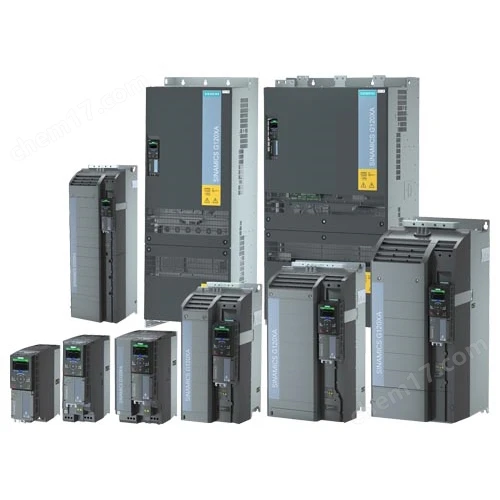
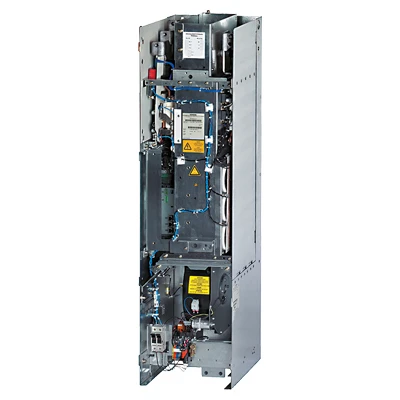
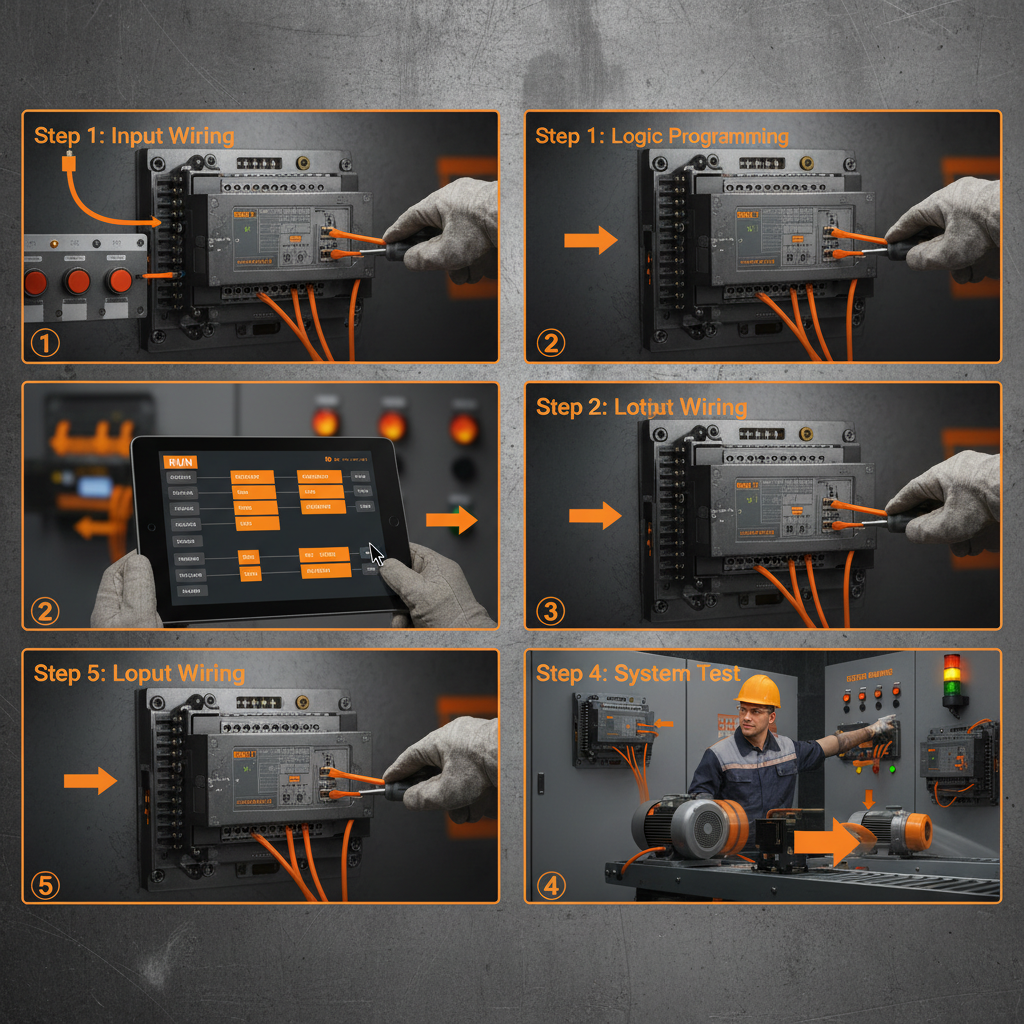
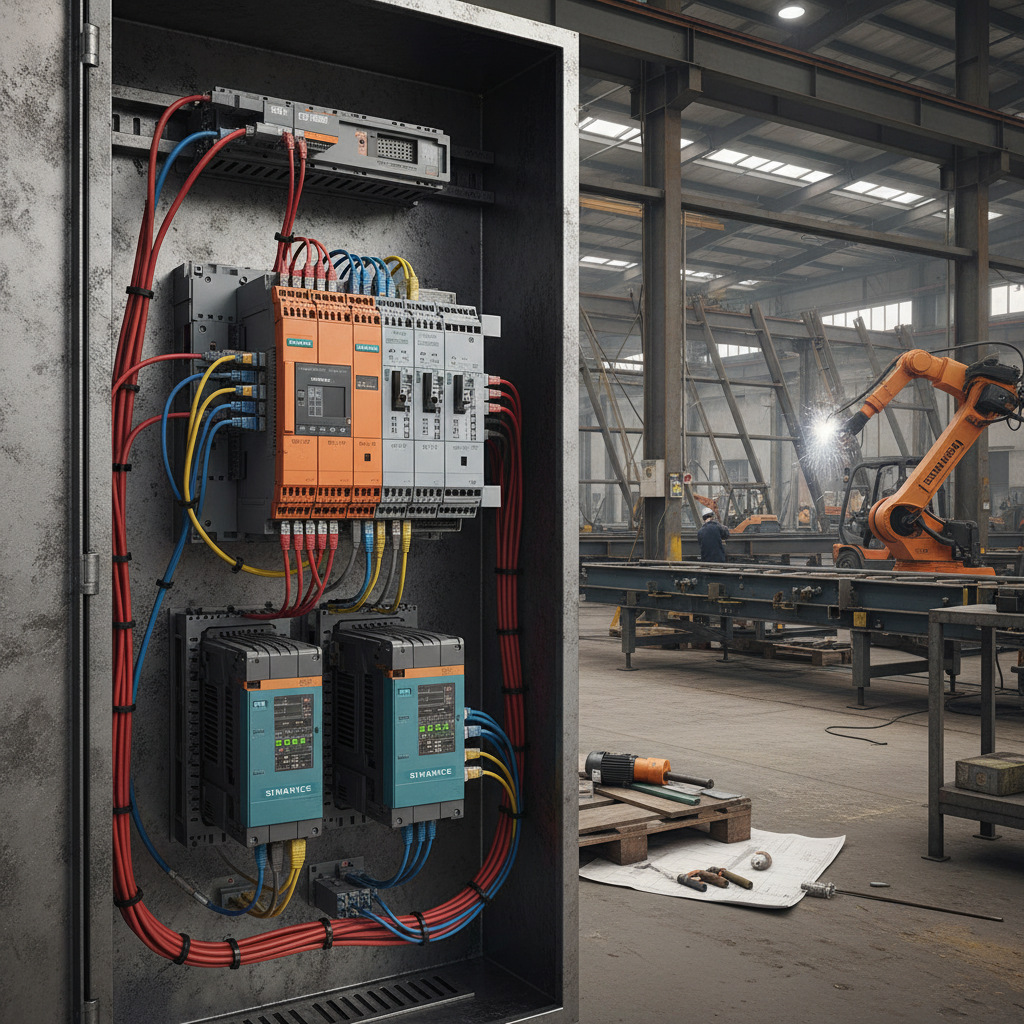
From a technical standpoint, a typical VFD system includes a rectifier, DC bus, inverter, and a controller — all working harmoniously to convert fixed AC supply into variable frequency output. For example, Tianjin Yongkai’s models boast advanced PWM (Pulse Width Modulation) techniques and integrated braking functions, ensuring smoother motor acceleration and deceleration. This translates into less mechanical stress and lower downtime — details that, frankly, matter to B2B decision makers juggling operational efficiency and costs. Their product line ranges from fractional horsepower options to heavy industrial drives, designed rigorously to withstand high temperatures and electrical noise.
| Specification | Details |
|---|---|
| Input Voltage | 220V - 690V AC |
| Output Frequency Range | 0 - 400 Hz |
| Control Method | V/F Control, Vector Control |
| Overload Capacity | 150% for 60 seconds |
| Ambient Temp. Range | -10°C to 50°C |
| Protection Level | IP20 or IP54 options |
Benefits & Use Cases of Basic Vfd Operation
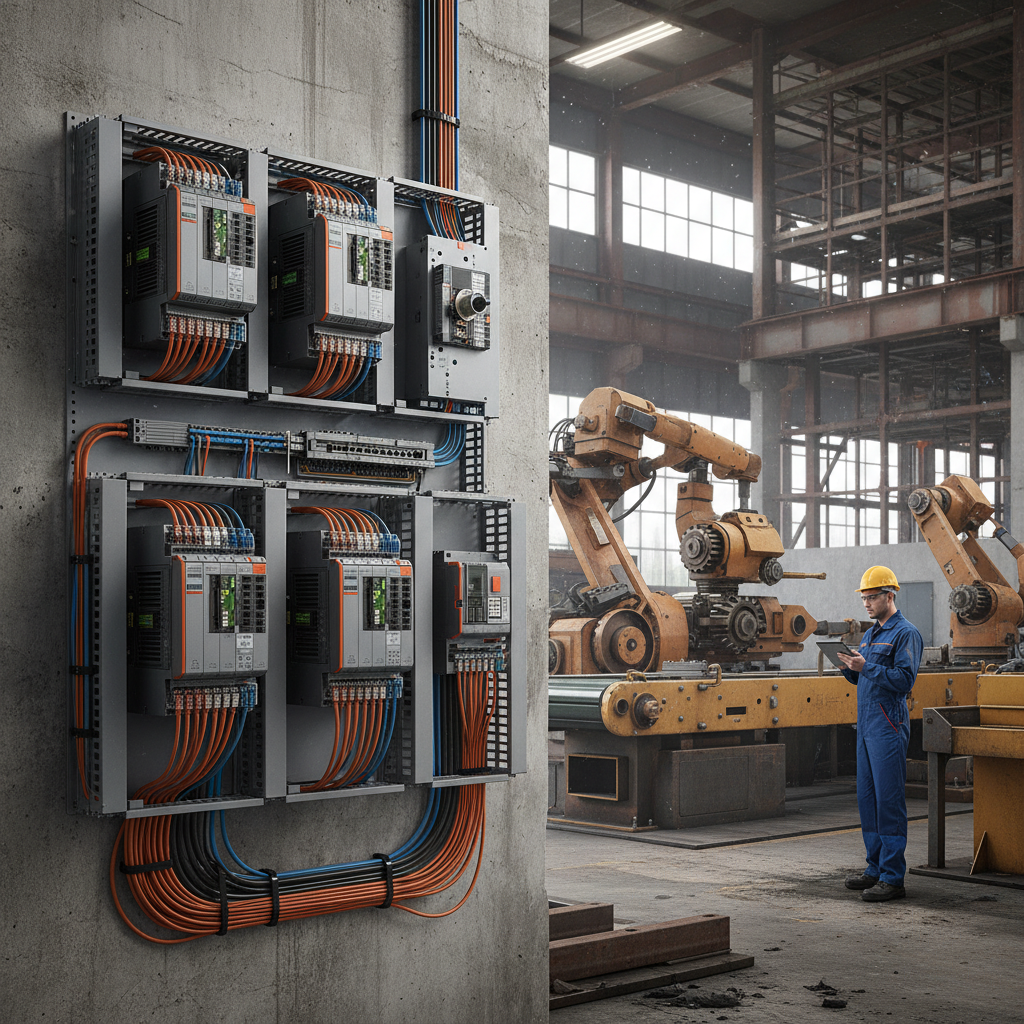
If you’re wondering just where Basic Vfd Operation shines brightest, well, it’s pretty much everywhere motors quietly do their thing. Industries such as water treatment, HVAC, textiles, mining, and food processing use VFDs to optimize energy use and provide precise speed control. Oddly enough, although it feels very technical, the trickle-down effect is real: better product quality, reduced wear and tear, and often, notable cost savings.
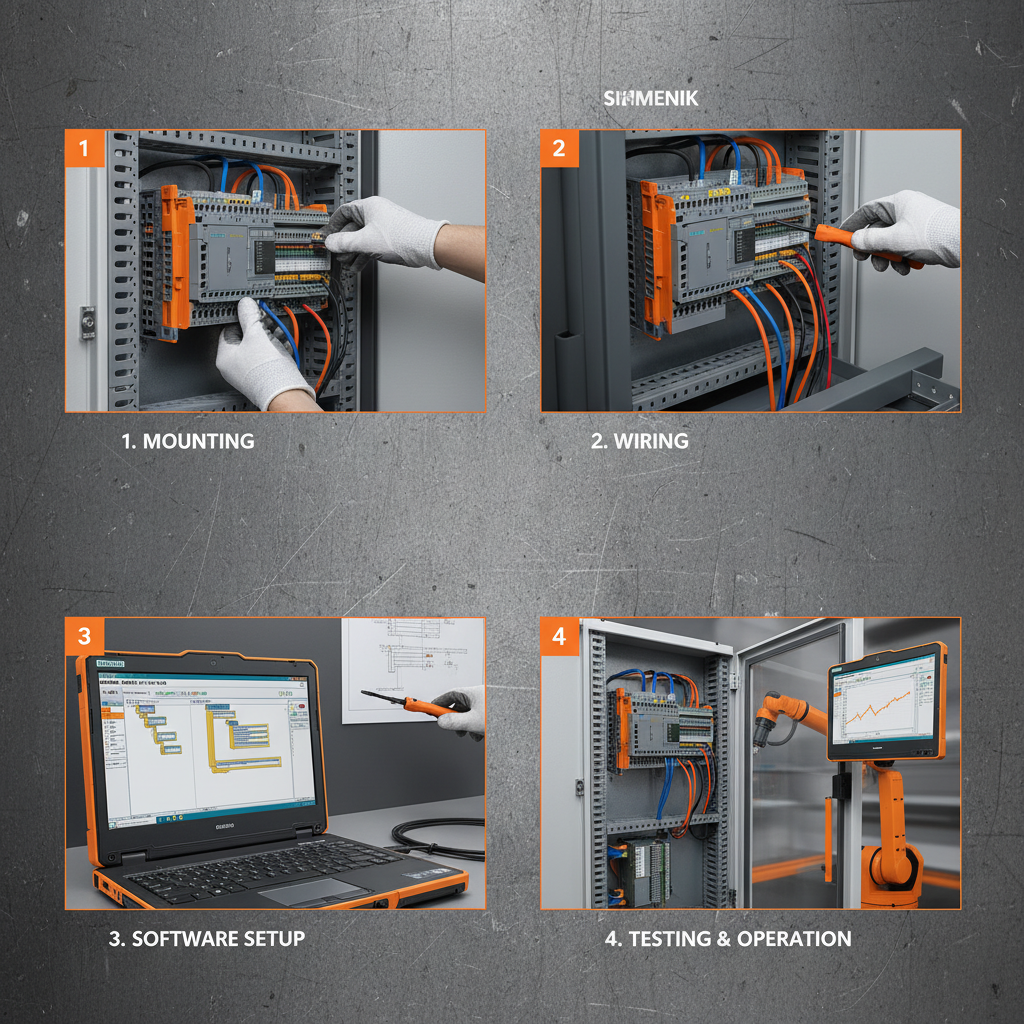
One standout feature of Tianjin Yongkai’s VFD systems is their advanced fault diagnosis and communication protocols — think of it as a smart assistant monitoring and tweaking the motor constantly. This means less surprise downtime and easier integration into existing SCADA or PLC systems. Plus, their units are designed with an emphasis on compatibility and ease-of-use, which for many engineers I’ve chatted with, makes installation and programming less of a headache. Competitive advantages include modular design, extended lifespan capacitors, and emission filters that minimize interference with other sensitive equipment.
Cost, Maintenance & User Experience
Total cost of ownership often trumps initial purchase price when B2B buyers evaluate VFDs. Here, Basic Vfd Operation devices from Tianjin Yongkai make a strong case. Their robust build quality reduces failures, and the easy access to replaceable components helps cut service time dramatically. I noticed many customers sharing anecdotes of operating equipment continuously for years — sometimes over a decade — with minimal interventions, which frankly is a strong testament to the product’s reliability.
From a financial viewpoint, the ROI can be surprisingly quick due to energy savings; cutting back those hefty electric bills sometimes by up to 30%. Maintenance-wise, the integrated diagnostics and remote monitoring features mean teams can pinpoint issues before they spin out of control, which over the long haul translates to fewer costly breakdowns and more predictable budgets.
Sustainability & Market Trends
Sustainability isn’t just a buzzword anymore—it's central to how companies make procurement decisions. Variable Frequency Drives inherently support energy efficiency goals by reducing power consumption during partial loads, something traditional mechanical throttling just can’t compete with. Globally, there’s a clear shift toward cleaner industrial technologies, prompted by regulations as well as operational costs.
Looking at market trends, the demand for smarter, more connected VFDs keeps growing. The integration of IoT capabilities, predictive analytics, and cloud-based monitoring is changing the game — and companies like Tianjin Yongkai are adapting quickly, offering configurable units that align with Industry 4.0 standards. For decision makers, this means future-proofing investments while contributing to environmental responsibility.
| Feature | Tianjin Yongkai | Competitor A | Competitor B |
|---|---|---|---|
| Energy Efficiency | Up to 98% | Up to 95% | Up to 93% |
| Communication Protocols | Modbus, CANbus, Ethernet/IP | Modbus, Profibus | Proprietary |
| Warranty Period | 3 years | 2 years | 2 years |
| Ease of Installation | High (modular, pre-configured) | Medium | Low |
| Price Range | $$ | $$$ | $ |
Frequently Asked Questions about Basic Vfd Operation
- What is Basic Vfd Operation and how does it work?
- Basic Vfd Operation involves controlling the speed and torque of electric motors by varying the frequency and voltage of their power supply. VFDs convert fixed-frequency AC power into variable-frequency output using electronic components like rectifiers and inverters, enabling precise motor control and energy savings.
- What are the main benefits of using Basic Vfd Operation in industrial applications?
- Key benefits include improved energy efficiency, reduced mechanical stress, enhanced process control, and extended equipment lifespan. With Basic Vfd Operation, businesses often see lower maintenance costs and better overall system reliability.
- How does Basic Vfd Operation compare to traditional alternatives?
- Unlike traditional mechanical methods like throttling or variable-pitch drives, Basic Vfd Operation offers quieter, more flexible, and significantly more efficient motor control. It reduces energy consumption and wear, translating into cost savings and smoother operations.
- What industries can benefit most from Basic Vfd Operation implementation?
- Industries such as water treatment, HVAC, chemical processing, manufacturing, and mining find the greatest value. For instance, a textile plant using Tianjin Yongkai’s VFDs noted a 25% reduction in energy consumption while enhancing fabric tension control in production.
Conclusion on Basic Vfd Operation from china
To sum it up, Basic Vfd Operation remains a cornerstone technology driving efficiency and precision in various industrial sectors. The offerings from Tianjin Yongkai bring solid expertise, reliability, and value that decision makers need in today’s competitive landscape. Whether you’re optimizing existing machinery or investing in new assets, their solutions merit a close look.
- Recap the value of Basic Vfd Operation.
- - Visit our website: https://www.tianjinyongkai.com
In the end, it feels like investing in quality VFD technology is less about the gadget itself and more about gaining a flexible partner for operational success. Let the motors run smarter, not harder.
References
- International Electrotechnical Commission (IEC) standards on VFD performance and testing.
- Energy Efficiency Case Studies, U.S. Department of Energy.
- Tianjin Yongkai official product literature and user manuals.