Understanding VFD Electrical: The Industrial Motor Control Essential
What is VFD electrical and Why It Matters
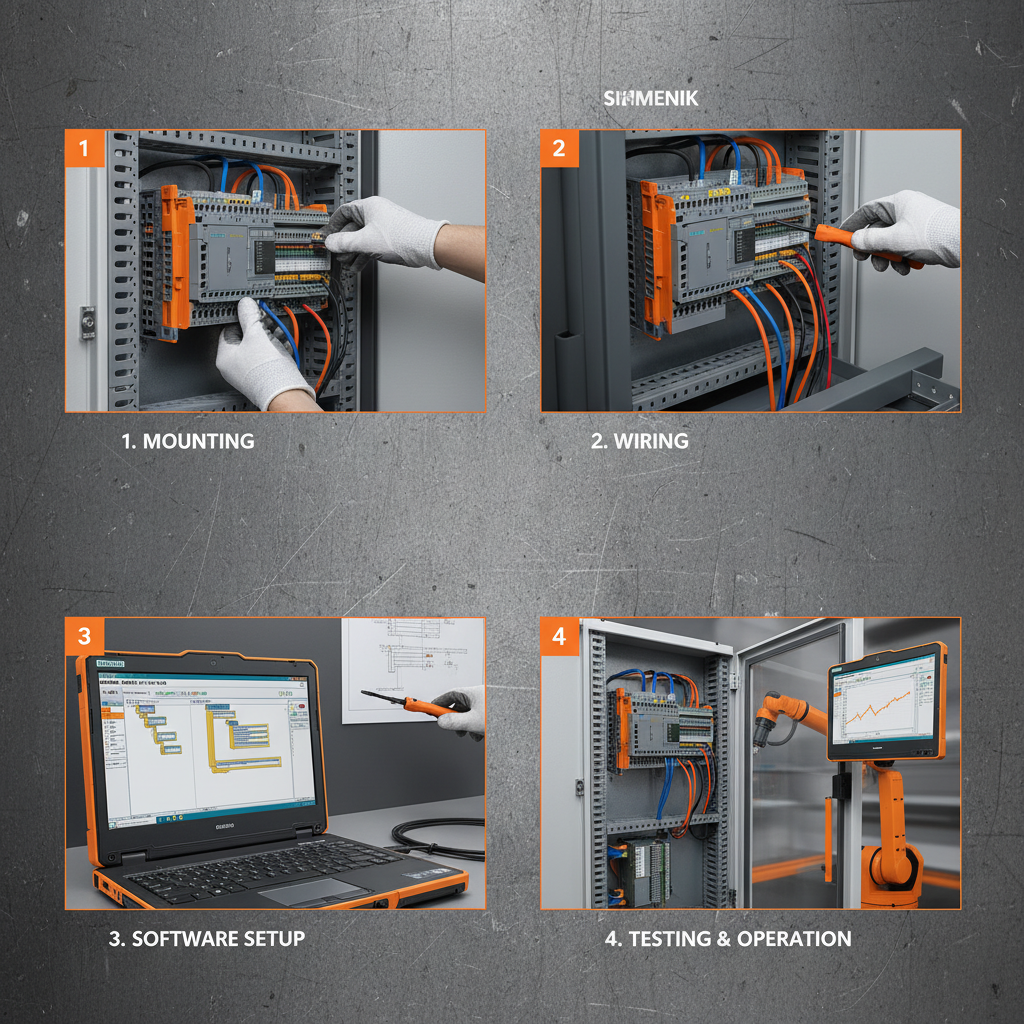
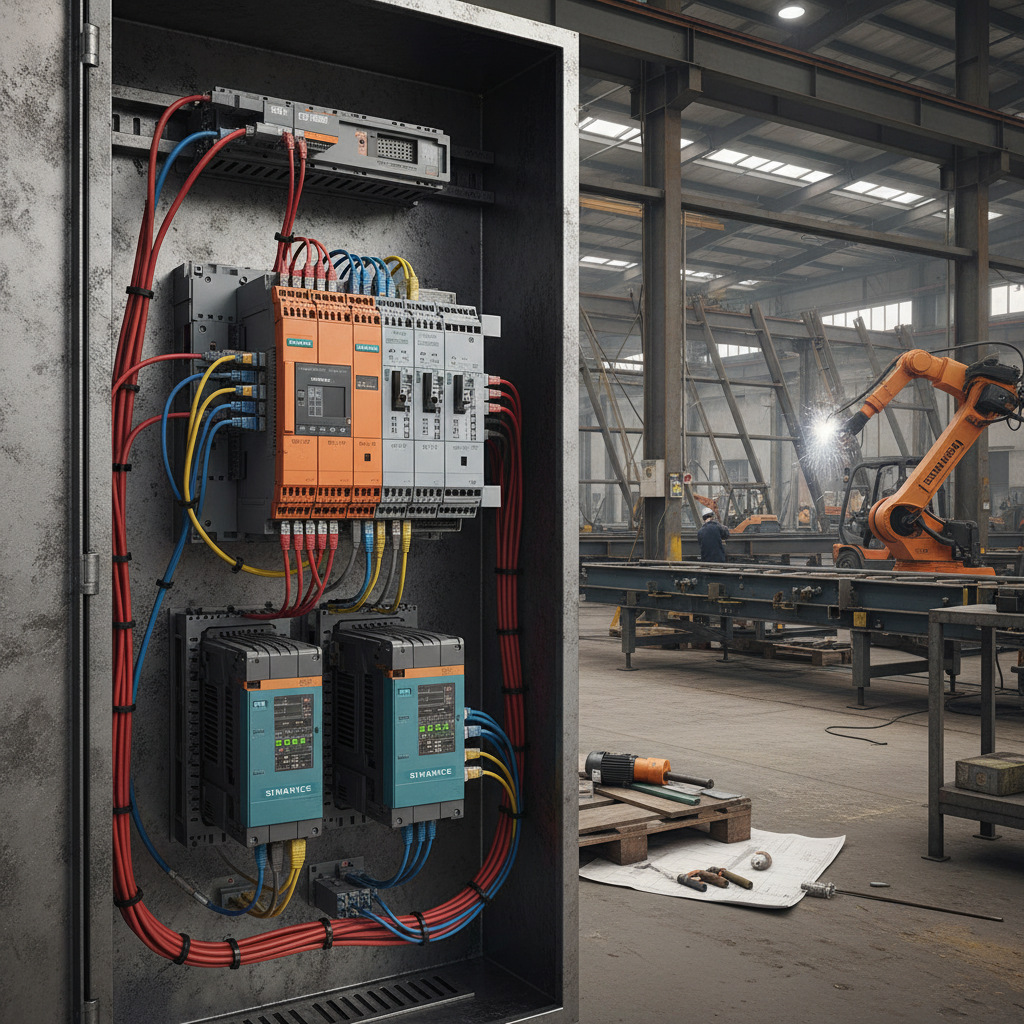
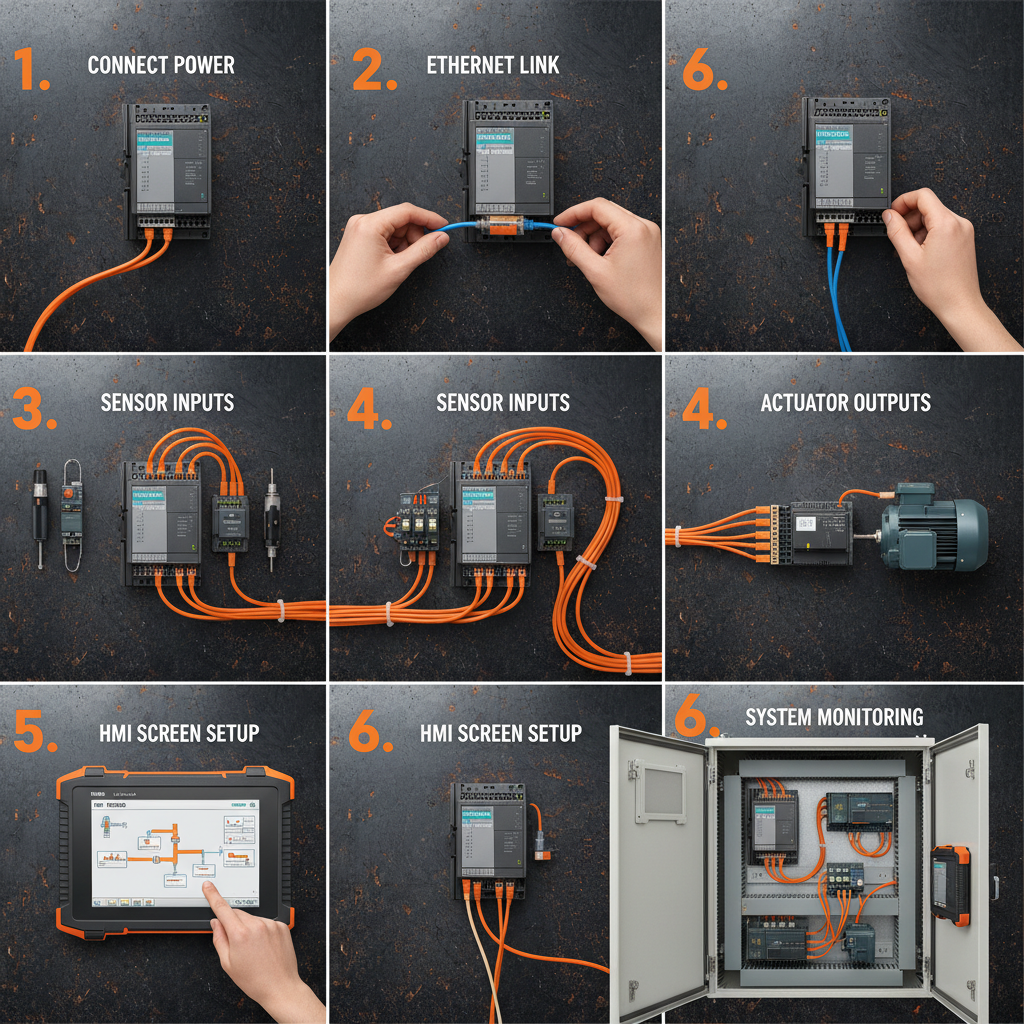
In the world of industrial equipment, a term that comes up often — and with good reason — is VFD electrical. For those not knee-deep in factory floors or control rooms, a Variable Frequency Drive (VFD) might sound a bit like jargon, but it’s one of those devices that quietly makes a huge difference.
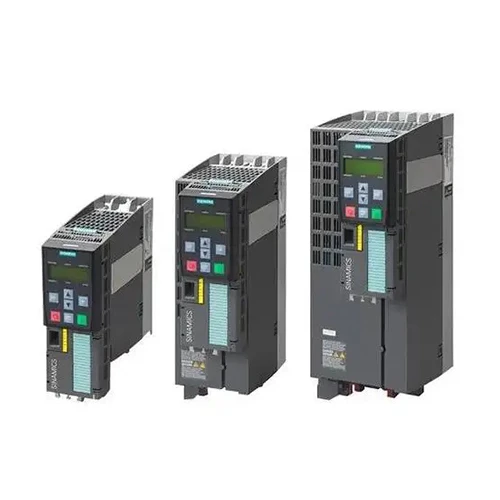
Now, to put it simply, a VFD is an electronic system designed to control the speed and torque of electric motors by varying the frequency and voltage of the power supplied to them. It’s fascinating because motors traditionally run at a fixed speed defined by their power source frequency; VFDs let us push beyond that limitation.
I’ve seen firsthand how implementing VFDs transforms processes — from energy savings to smoother machine operations. One particular instance I remember was at a bottling plant where older pumps were straining under fluctuating demands. After introducing VFD electrical controls, downtime decreased noticeably, and energy consumption dropped by nearly 20%. That kind of impact is why many engineers swear by these systems.
Why Industry Needs VFD Electrical Solutions
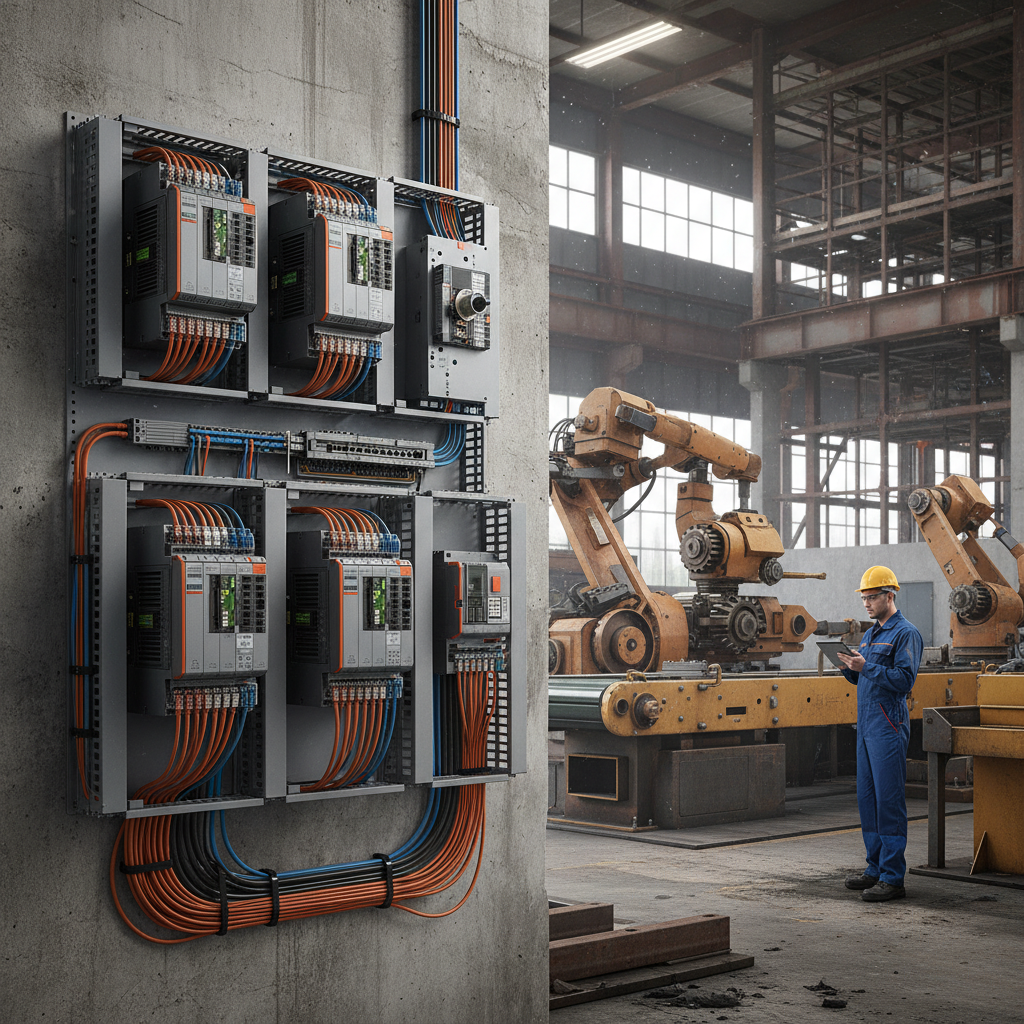
In real terms, the industrial sector is shifting towards smarter, more efficient machinery. VFDs allow customization on an unprecedented level — from speeding up conveyors to adapting ventilation fans dynamically. And frankly, this flexibility often leads to extended lifespan for motors because you’re not hammering them at full speed all the time.
However, not all VFDs are created equal. Quality components, precise software control, and rigorous testing are crucial. The materials used, especially for the inverter modules inside the VFD, have to handle heat and electrical stresses without fail — or you’re looking at early failures and potential shutdowns.
As someone who’s inspected countless VFDs, I notice some vendors focus intensely on durability, incorporating robust thermal management features and noise filtering, while others, let’s say, prioritize budget models. Choosing the right VFD is less about picking the cheapest and more about understanding the operational environment.
| Specification | Details |
|---|---|
| Input Voltage | 380V - 480V AC |
| Output Frequency | 0 to 400 Hz |
| Power Rating | 0.75 kW to 500 kW |
| Control Type | Vector Control / V/F Control |
| Protection Features | Overload, Overvoltage, Overcurrent, Under-voltage |
Comparing Popular VFD Electrical Vendors
Now, since you might be wondering who to trust for your VFD solutions, here’s a quick comparison of three well-known industrial-grade suppliers. These insights come from talks with engineers and plant managers, plus some of my own field notes.
| Vendor | Reliability | Energy Efficiency | Customization | Price Range |
|---|---|---|---|---|
| Vendor A | High | Excellent | Extensive | Premium |
| Vendor B | Moderate | Good | Standard | Mid-range |
| Vendor C | Basic | Fair | Limited | Budget |
Oddly enough, many manufacturers underestimate how much a quality VFD can save in operational costs and equipment wear. In my experience, investing in a robust VFD upfront often pays off in spades down the line.
If you’re exploring VFD electrical solutions for your applications, consider not only the specs but the support and customization options too — it truly makes a difference.
To wrap things up, VFDs might seem like “just another piece of equipment” until you see them in action. Then, you realize how pivotal they are to modern industrial efficiency and longevity.
References:
1. IEEE Industry Applications Society – Variable Frequency Drives Overview
2. Practical Electrical Motor Controls, Third Edition – Frank D. Petruzella
3. Case studies from Tianjin Yongkai Industrial Equipment