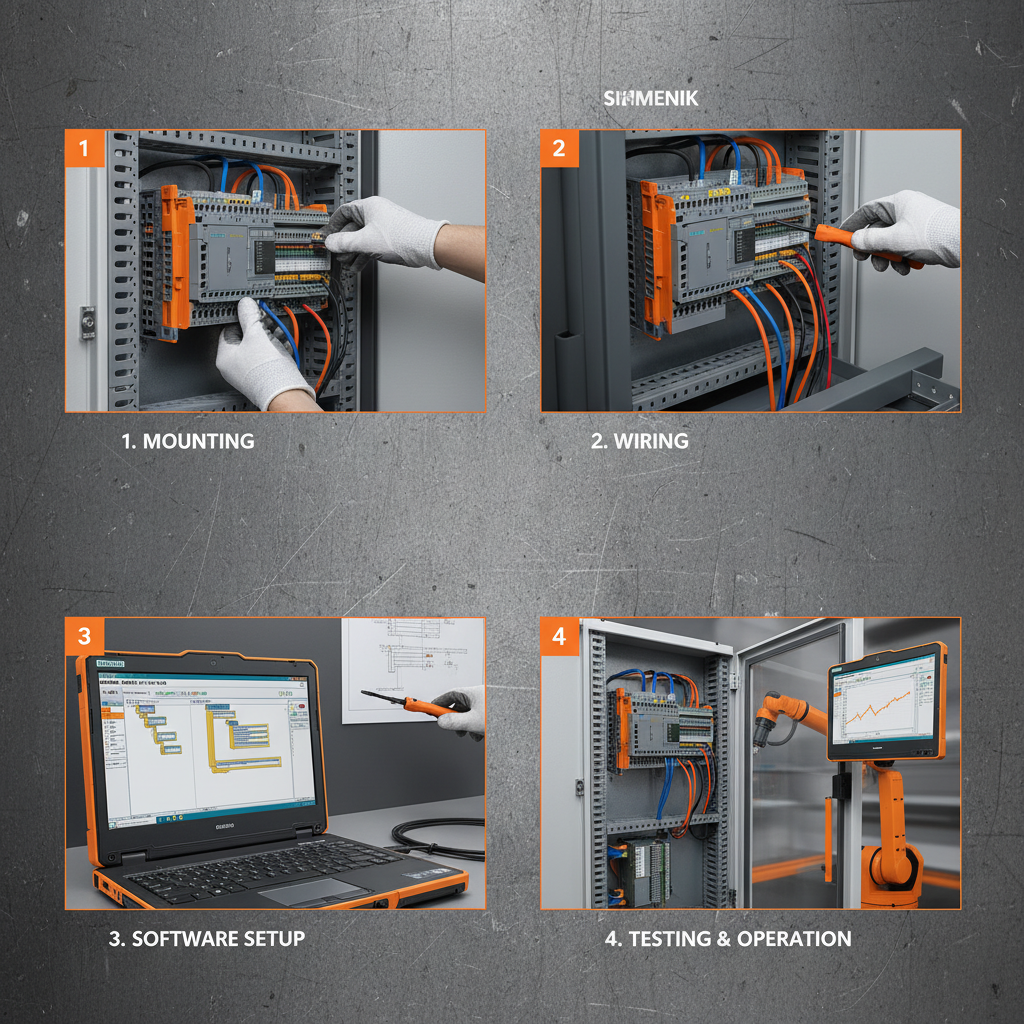
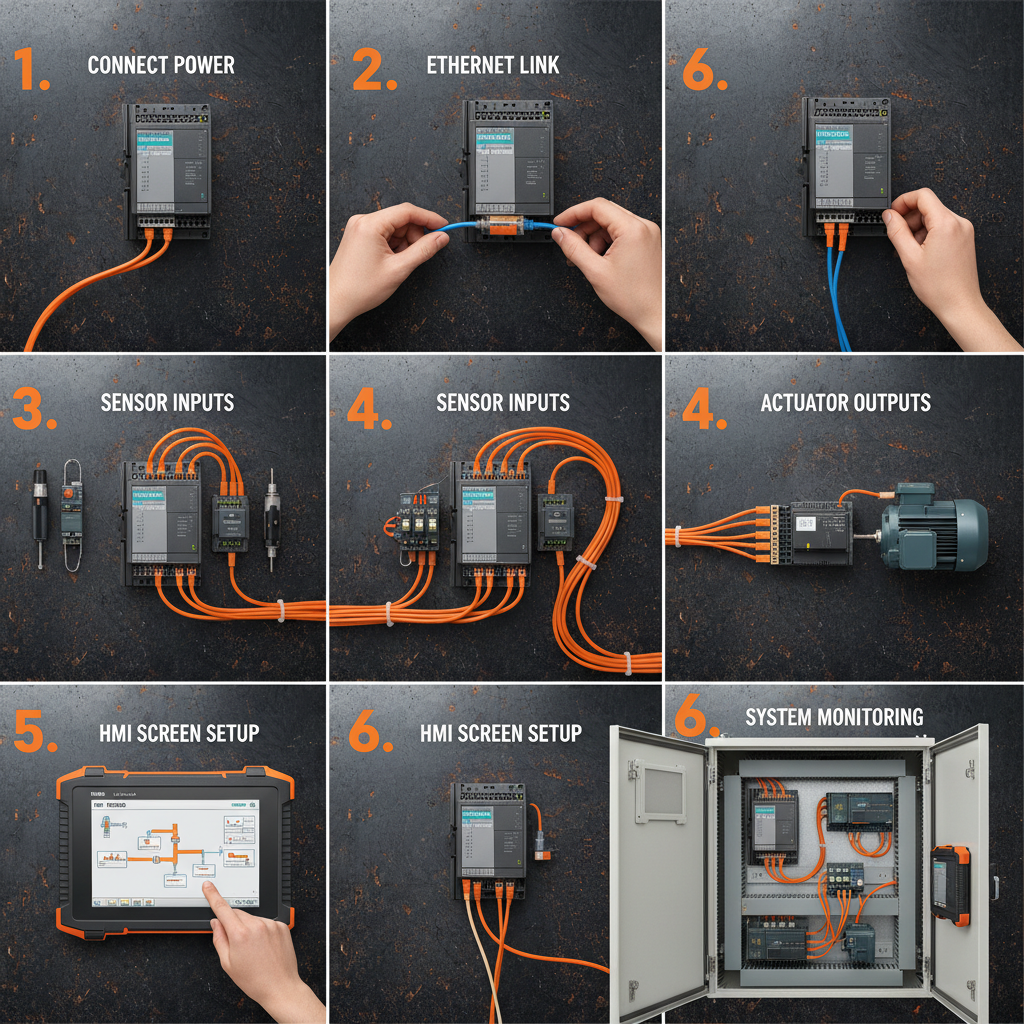
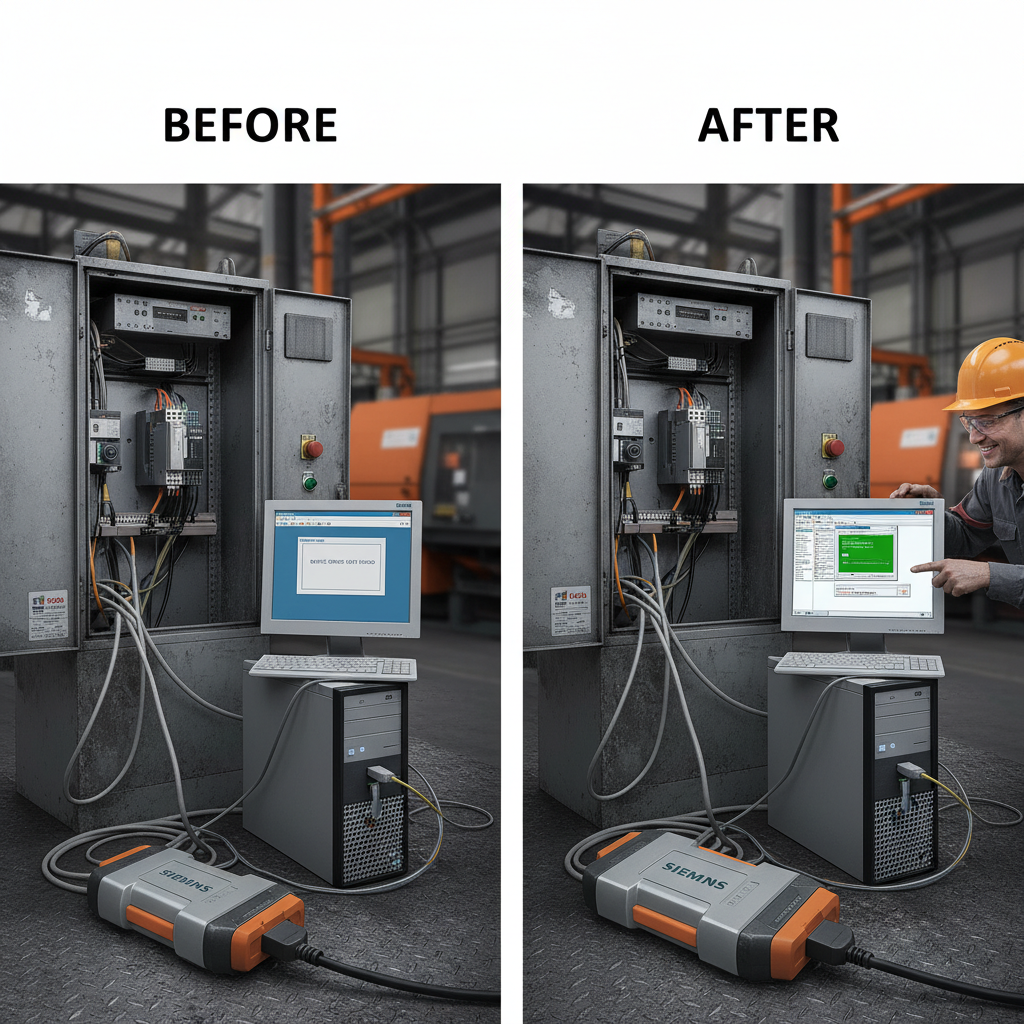
What Is Vfd How It Works | Guide for B2B Industrial Applications
What Is Vfd How It Works is a key solution in the industry, specifically within motor control and automation sectors. This article explores how https://www.tianjinyongkai.com supports professionals with durable, high-performance products, and explains why this product is an ideal choice for businesses in these sectors.
Table of Contents
- What Is Vfd How It Works Overview
- Benefits & Use Cases of What Is Vfd How It Works
- Cost, Maintenance & User Experience
- Sustainability & Market Trends
What Is Vfd How It Works Overview
A Variable Frequency Drive, or VFD, is essentially an electronic system designed to regulate the speed and torque of electric motors by varying the motor input frequency and voltage. Now, if you’re wondering what this actually means in practical terms — it’s all about control and efficiency. Instead of running a motor at full blast continuously, a VFD lets the motor “dial it back” gracefully according to the needs of the task at hand.
Technically speaking, a VFD converts incoming AC power to DC, then inverts it back to AC at variable frequency. This flexibility not only optimizes speed but also reduces energy consumption and mechanical stress. For example, in conveyor systems or HVAC setups where demand fluctuates, a VFD ensures precise motor control rather than a brute force approach.
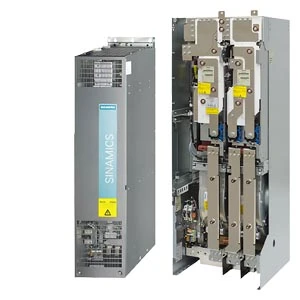
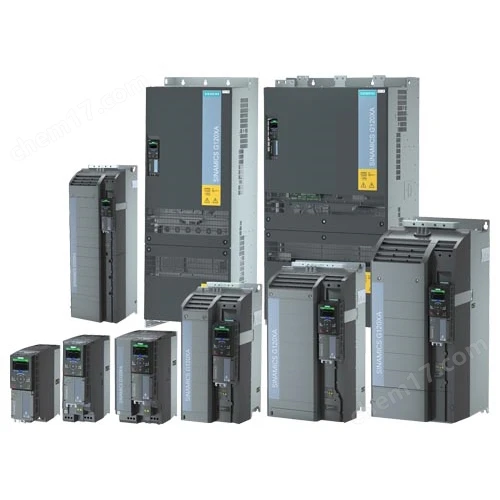
On Tianjin Yongkai, their VFD products boast rugged construction with IP protection ratings up to IP54 and support outputs ranging from fractional horsepower to several hundred kilowatts. Case studies show such units significantly cut energy bills in manufacturing plants by as much as 30% over traditional motor starters.
| Specification | Details |
|---|---|
| Input Voltage | 200V - 480V AC |
| Output Frequency | 0.1 Hz to 400 Hz |
| Rated Power | 0.5 kW - 500 kW |
| Overload Capacity | 150% for 60 Seconds |
| Protection Class | IP20/IP54 (Optional) |
Benefits & Use Cases of What Is Vfd How It Works
If you ask industry professionals, one of the biggest perks of using VFDs is the dramatic energy savings alone. But there’s more to it than that. For process control, especially in industries like water treatment, HVAC, and manufacturing, VFDs give operators unrivaled flexibility — you can adjust speed on the fly to match load requirements.
Moreover, this technology reduces mechanical wear because motors aren’t constantly starting and stopping or running at full speed unnecessarily. That translates to lower maintenance demands and longer machine lifespans. Given rising energy costs and sustainability targets, this is quite critical.
Some standout features at Tianjin Yongkai include their advanced microprocessor controls, user-friendly programming interfaces, and robust surge protection. Compared to older solutions, these VFDs provide smoother acceleration/deceleration profiles, minimizing shocks to machinery.
Vendor Comparison
| Feature | Tianjin Yongkai | Competitor A | Competitor B |
|---|---|---|---|
| Max Output Power | 500 kW | 450 kW | 400 kW |
| Energy Efficiency | 95.6% | 94.0% | 93.5% |
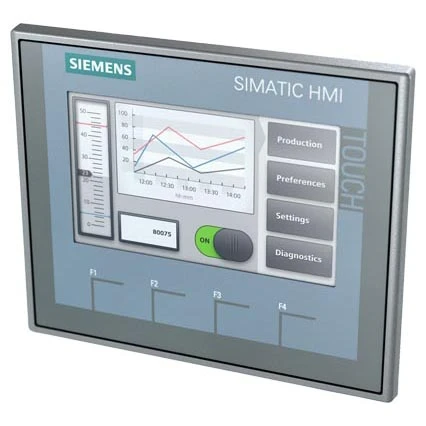
| User Interface | LCD with Touch Keypad | Basic LED Panel | LCD + Buttons |
| Protection Class | IP20/IP54 Optional | IP20 | IP21 |
| Warranty | 3 Years | 2 Years | 2 Years |
Cost, Maintenance & User Experience
In real-world terms, investing in a high-quality VFD can seem like a notable upfront cost, but the ROI isn’t usually far behind. The combination of direct energy savings and reduced mechanical wear often means companies recoup their investment within a few years. Durability also plays a crucial role — Yongkai’s drives, for instance, are built to withstand harsh industrial environments, reducing downtime and maintenance headaches.
From feedback I’ve gathered and various reports, many plant managers say the user interface is quite intuitive, making commissioning and adjustments straightforward even for teams that may not be specialized in drives technology. Plus, the remote monitoring capabilities nowadays add another layer of convenience — you can diagnose and tweak operations without necessarily sending techs onsite immediately.
Sustainability & Market Trends
Industries worldwide are waking up to their environmental footprint, and VFD technology fits perfectly into sustainability goals. By optimizing motor speed and reducing unnecessary energy consumption, VFDs lower carbon emissions indirectly. That’s becoming a priority as regulations tighten in many regions, pushing companies to adopt greener methods.
The market for VFDs is expected to expand steadily, fueled by smart factory trends and Industry 4.0 applications. Integration with IoT systems enables predictive maintenance and energy analytics, driving smarter decisions. Companies like Tianjin Yongkai are ahead here, providing VFDs compatible with modern communication protocols.
Frequently Asked Questions about What Is Vfd How It Works
- What is What Is Vfd How It Works and how does it work?
- A VFD controls the speed and torque of an electric motor by varying the frequency and voltage supplied to it. This is achieved by converting AC power to DC and then producing variable frequency AC output tailored to the motor's needs.
- What are the main benefits of using What Is Vfd How It Works in industrial applications?
- Benefits include energy savings, precise motor speed control, extended equipment life due to reduced mechanical stress, and improved process automation.
- How does What Is Vfd How It Works compare to traditional alternatives?
- Traditional motor starters typically switch motors on or off at full speed, causing inefficient energy use and increased wear. VFDs offer fine speed control, efficiency, and smoother operation, leading to lower costs and longer machinery life.
- What industries can benefit most from What Is Vfd How It Works implementation?
- Industries such as water and wastewater treatment, HVAC, food processing, mining, and manufacturing benefit significantly from VFDs because of their variable load processes and the need for energy efficiency.
Conclusion on What Is Vfd How It Works from china
In sum, understanding What Is Vfd How It Works and integrating these drives into your systems can unlock significant operational efficiencies. They’re more than just motor controllers — they’re enablers of smarter and more sustainable industrial performance. For B2B decision makers looking to optimize their processes and costs, exploring products like those from Tianjin Yongkai is definitely worth your time.
- Recap the value of What Is Vfd How It Works.
- - Visit our website: https://www.tianjinyongkai.com
A quick thought: the shift to advanced motor drives isn’t just a technological upgrade — it’s the industry’s way forward for smarter, greener factories.
References:
1. IEEE Industry Applications Magazine - Variable Frequency Drives and Energy Savings
2. Energy.gov - Variable Frequency Drives
3. Tianjin Yongkai Product Manuals and Case Studies