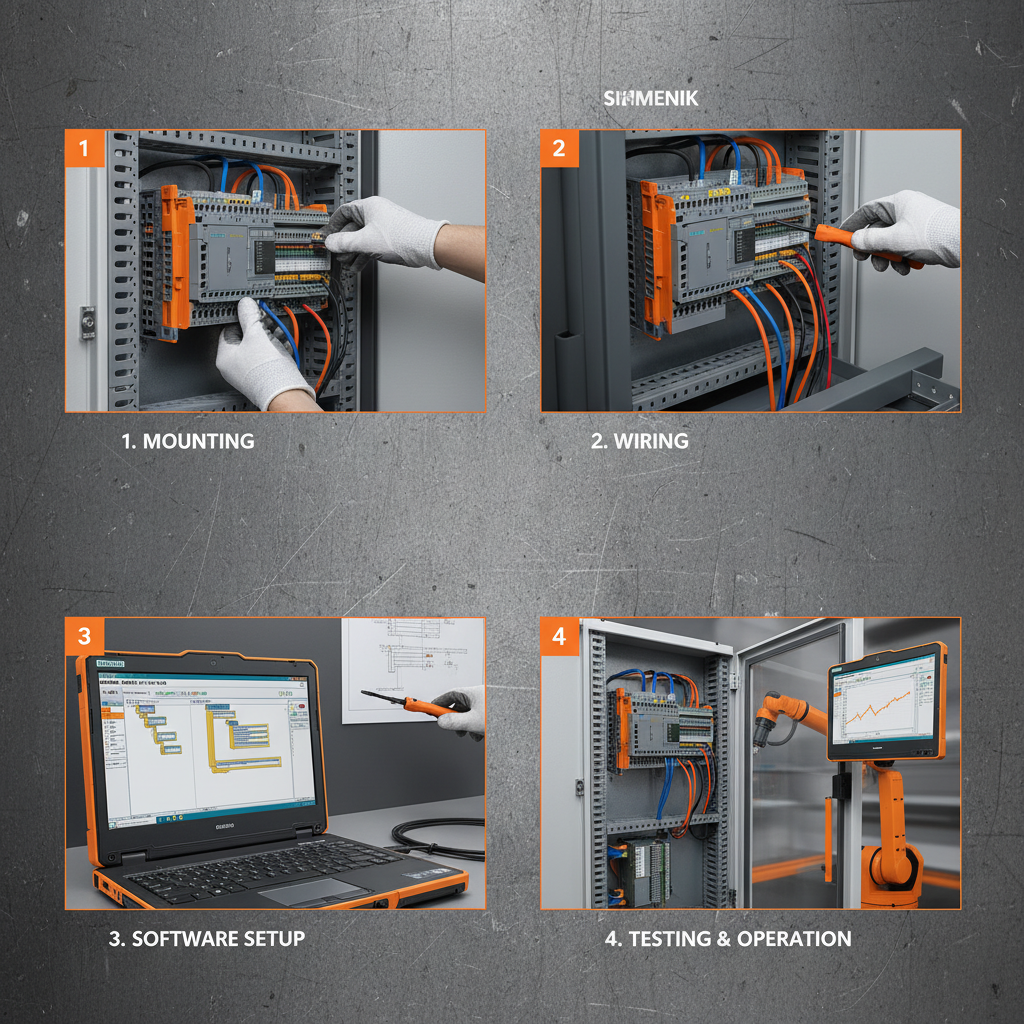
Understanding VFD Pump Systems: Energy Efficiency & Global Impact
Understanding the VFD Pump System: Why It Matters Today
If you’ve ever wondered how industries optimize their water or fluid transport while saving significant energy and costs, you’re likely touching on the realm of the vfd pump system. Variable Frequency Drive (VFD) pump systems are quietly revolutionizing everything from municipal water supply to large-scale manufacturing plants—and for very good reasons. In a world that’s progressively aiming for sustainability, efficiency, and smarter infrastructure, understanding what these systems do and why they matter globally is not just technical jargon. It’s about how we can preserve resources and improve reliability in critical sectors.
To put it bluntly, a vfd pump system allows pumps to run at just the speed needed at any given time — and with that, industries save up to 50% or more on energy consumption compared to traditional fixed-speed pumps [1]. This makes a big difference when you scale it across entire cities or production facilities.
Global Context: Why VFD Pump Systems Are No Longer Optional
According to the International Energy Agency (IEA), pumping systems consume nearly 20% of the global electricity supply [2]. That's a staggering figure. As populations grow and water demands spike, this energy use is under added scrutiny worldwide—especially with recent pushes toward carbon reduction aligned with the Paris Agreement goals.
But here's the kicker: Many existing pump installations are decades old, inefficient, and wasteful. They switch on and off fully without adjusting speed or flow—leading to shock loads and unnecessary consumption. Enter the vfd pump system, a technology that addresses these inefficiencies. It’s not just about energy savings but maintaining pressure and flow precisely where and when needed, minimizing wear and extending equipment life.
Industries, municipalities, and humanitarian agencies are all facing a common problem—how to balance efficient resource use with growing infrastructure needs. The VFD pump system is one of those solutions quietly becoming indispensable.
The Nuts and Bolts: What Is a VFD Pump System?
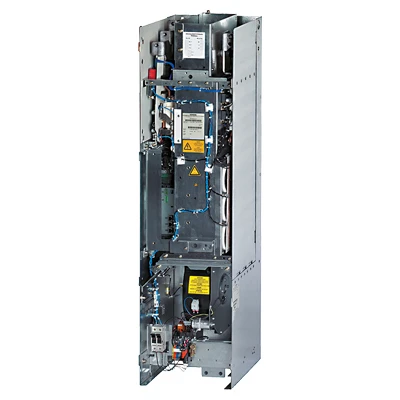
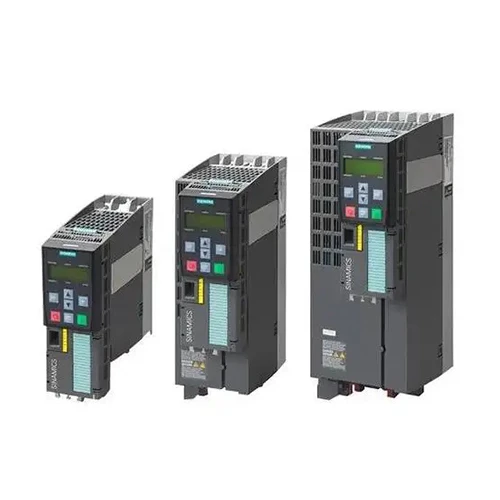
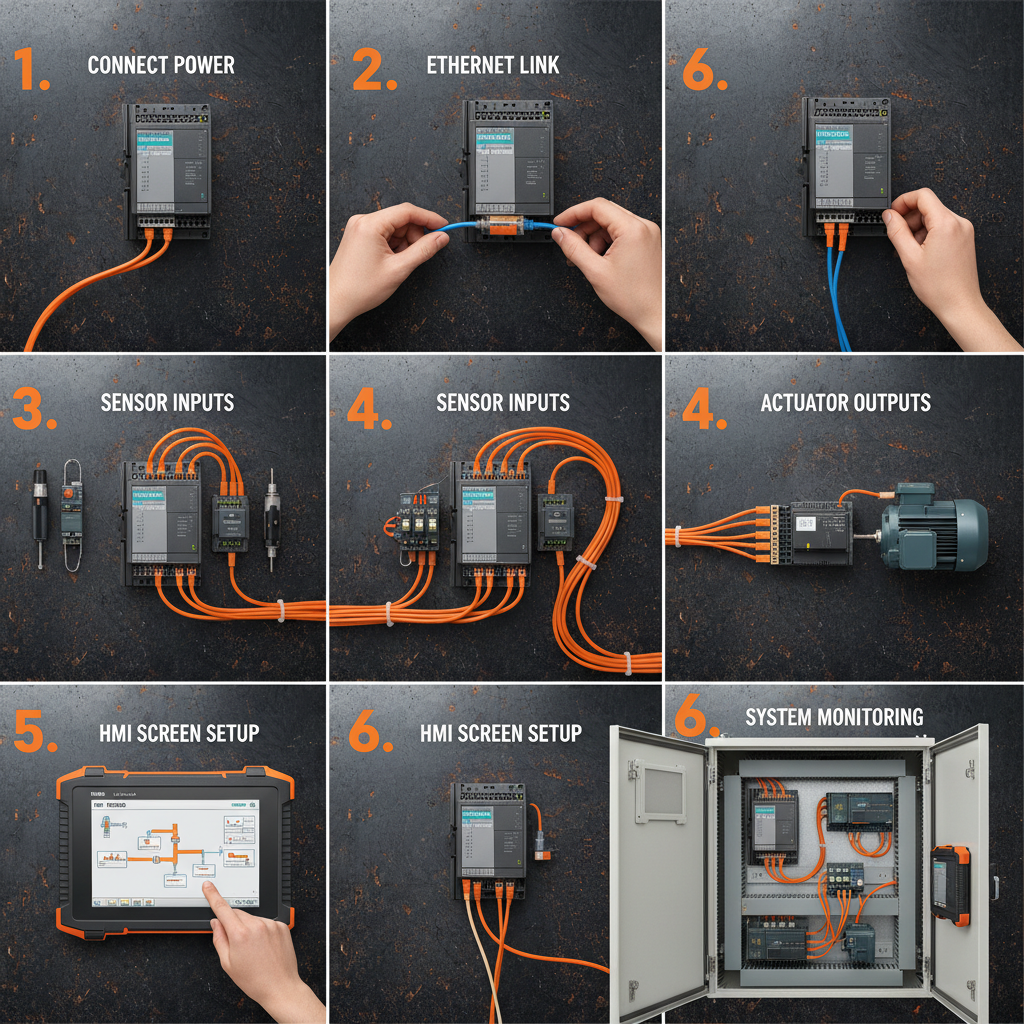
In simple terms, a vfd pump system combines a pump with a Variable Frequency Drive, a device that controls motor speed by varying the frequency and voltage supplied. Instead of a pump running full throttle or being shut off completely, the VFD modulates output.
This adaptability means the system matches performance to real-time demand. For instance, in a water distribution network, if less water is needed at night, speed drops, reducing energy use and mechanical stress. It’s a bit like a car’s cruise control but for pumps.
Actually, these systems extend beyond industry. For example, NGOs involved in post-disaster water supply rely on portable VFD-enabled pumps to preserve scarce power resources and ensure steady water pressure even under fluctuating supply conditions.
Core Advantages That Make VFD Pump Systems Stand Out
1. Energy Efficiency
By adjusting motor speed to only what’s necessary, VFDs reduce energy consumption significantly. Over time, this translates to big savings on utility bills and a reduced carbon footprint.
2. Extended Equipment Life
Soft start and stop capabilities reduce mechanical shocks on pumps and piping. This lowers maintenance costs and downtime—essential for critical infrastructure.
3. Flexibility and Scalability
Whether you’re dealing with a small industrial plant or a large municipal system, VFD pump systems can be scaled and integrated easily. Modular designs make retrofitting older pumps practical.
4. Enhanced Process Control
These systems allow precise flow and pressure management, vital for processes that demand consistency—think chemical manufacturing or irrigation.
5. Cost Effectiveness Over Time
Initial investment might be higher, but operational savings and fewer repairs mean the total cost of ownership is often lower in the long run.
Mini takeaway: The vfd pump system isn’t just a fancy add-on—it’s a smarter, more sustainable way to run pumps that can save energy, money, and headaches down the road.
Typical Product Specification for VFD Pump Systems
| Specification | Typical Value |
|---|---|
| Pump Capacity | Up to 500 m³/h |
| Power Range | 1.5 kW to 315 kW |
| Voltage | 380V - 480V (3-phase) |
| Frequency Range | 0 - 60 Hz |
| Control Type | Closed loop with PID control |
| Protection Class | IP54/IP65 (depending on model) |
Global Applications and Noteworthy Use Cases
Industries across the globe have embraced vfd pump systems, but the applications are as varied as they are impactful.
- Water Utilities: Urban centers in Europe and North America use VFD pumps to balance supply and demand, cutting energy costs by up to 40% in some districts [3].
- Agriculture: In arid regions like parts of Australia and the Middle East, VFD pumps regulate irrigation flow efficiently, conserving precious groundwater.
- Post-Disaster Relief: NGOs deploy portable VFD-enabled pumps in affected areas to ensure steady water delivery even with unstable power sources.
- Chemical and Mining Industries: These sectors use VFD systems to keep precise flow rates vital for processes, reducing waste and improving safety.
One case I noticed detailed a midwestern U.S. city retrofitting its municipal water system with VFDs—achieving a reported $300,000 annual energy saving and noticeably smoother operations.
How Do VFD Pump Systems Stack Up? Vendor Comparison
| Feature | Brand A | Brand B | Brand C |
|---|---|---|---|
| Max Power (kW) | 315 | 250 | 300 |
| PID Control | Yes | Yes | No |
| IP Rating | IP65 | IP54 | IP54 |
| Warranty | 3 years | 2 years | 3 years |
| Remote Monitoring | Available | Limited | Not offered |
Long-Term Advantages of VFD Pump Systems
I suppose the best way to understand the long-term value of the vfd pump system is to appreciate both the emotional and logical benefits. On the logical side: cost savings—in energy and maintenance—add up to real dollars and cents. Then, there's the environmental angle: less energy consumed means fewer greenhouse gases emitted. In an era where sharing the planet responsibly matters, this is huge.
But it's not just money and carbon—think about safety and reliability. Mechanical stress reduced by soft start/stop translates to fewer unexpected breakdowns. For municipalities, that might mean uninterrupted water supply. For industries, that could be avoiding costly downtime or hazardous spill scenarios. It’s about trust and peace of mind.
Emerging Trends in VFD Pump Technologies
Looking ahead, I find the integration of IoT and AI into vfd pump system controls particularly exciting. Remote monitoring and predictive maintenance can signal problems before they happen, saving even more resources. Some units even incorporate green energy compatibility, designed specifically for solar or wind power tie-ins.
There’s also a push toward more compact, modular VFD systems with improved electronics that handle wider voltage ranges and harsher environments. As sustainability policies become stricter worldwide, expect smarter, more integrated systems that play nicely with building management software and grid stabilization technologies.
Challenges and How They’re Being Tackled
Of course, no technology is without its headaches. For VFD pump systems, upfront costs and complexity can be barriers to adoption, especially in developing regions. System integration needs skilled engineers, and maintenance teams must be trained to diagnose variable speed drives properly.
But many vendors offer simplified user interfaces and better remote support these days. Plus, financing schemes and grants for sustainable tech help spread costs. In real terms, knowledge sharing and partnerships are closing these gaps, enabling wider usage where it’s needed most.
FAQs About VFD Pump Systems
- Q: Can a vfd pump system be retrofitted to existing pumps?
- A: Yes, most existing pumps can be fitted with a VFD controller if the motor is electric and compatible. Retrofitting improves efficiency without replacing all hardware.
- Q: How much energy can a VFD pump system realistically save?
- A: Depending on the application and baseline, energy savings of 20-50% are common, especially in variable flow scenarios like water treatment or HVAC systems.
- Q: Are these systems reliable in harsh industrial environments?
- A: Modern VFD pump systems come with robust IP ratings and protective features to endure dust, moisture, and temperature extremes, ensuring longevity.
- Q: What maintenance do VFD pumps require?
- A: Routine checks focus on electrical connections, motor bearings, software updates, and cooling components. Scheduled preventive maintenance can extend lifespan.
Wrapping It Up: Why VFD Pump Systems Are Your Next Smart Investment
So, to sum it all up: the vfd pump system isn’t just another piece of industrial equipment. It’s an energy-saving champion, a protector of costly machinery, and an enabler of smarter infrastructure worldwide. As we march toward greener, more efficient technologies, embracing VFD pumps feels less like a choice and more like a necessity.
If you want to see these benefits in action and explore options for your facility or project, take a look at solutions like those offered on https://www.tianjinyongkai.com. They cover a wide range of industry needs with solid expertise behind them.
And who knows, next time you simply turn on a tap or feel a cooling system hum quietly, a vfd pump system might just be working behind the scenes...
References: