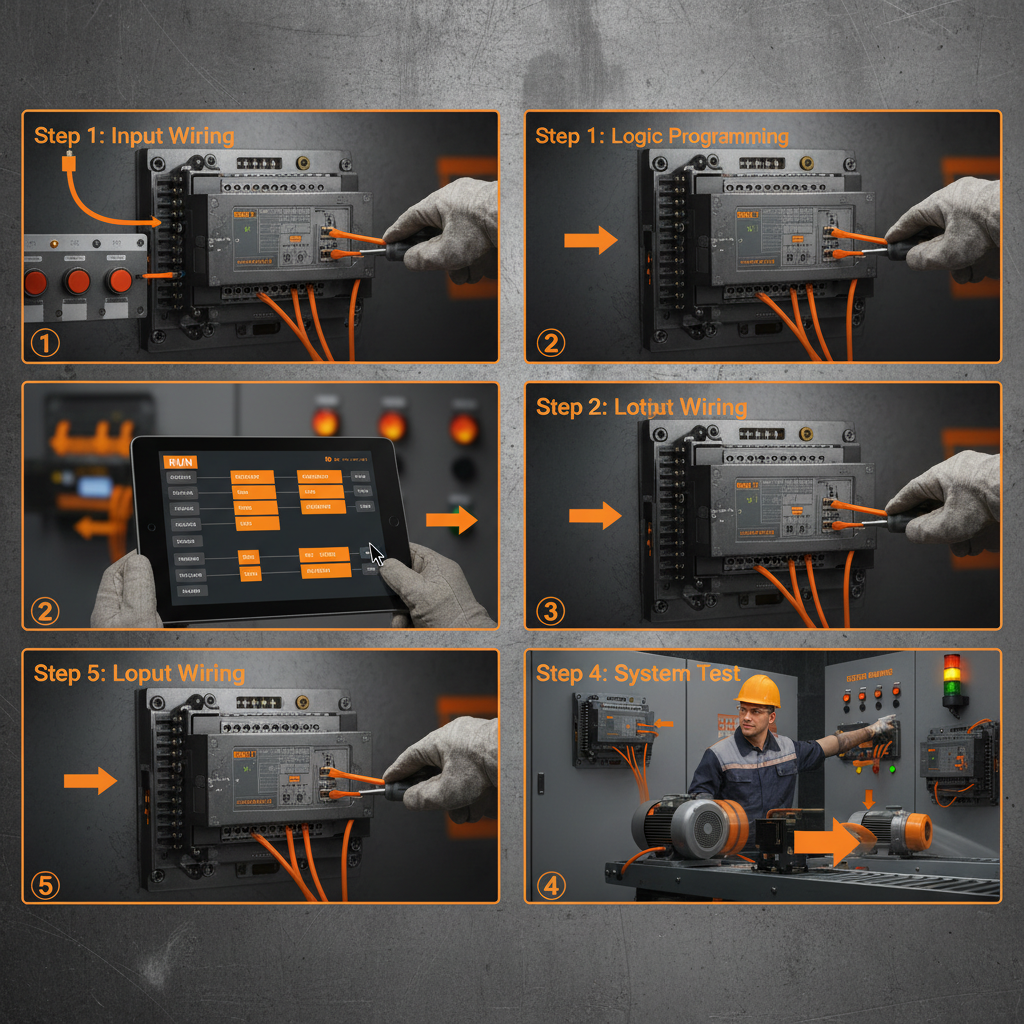
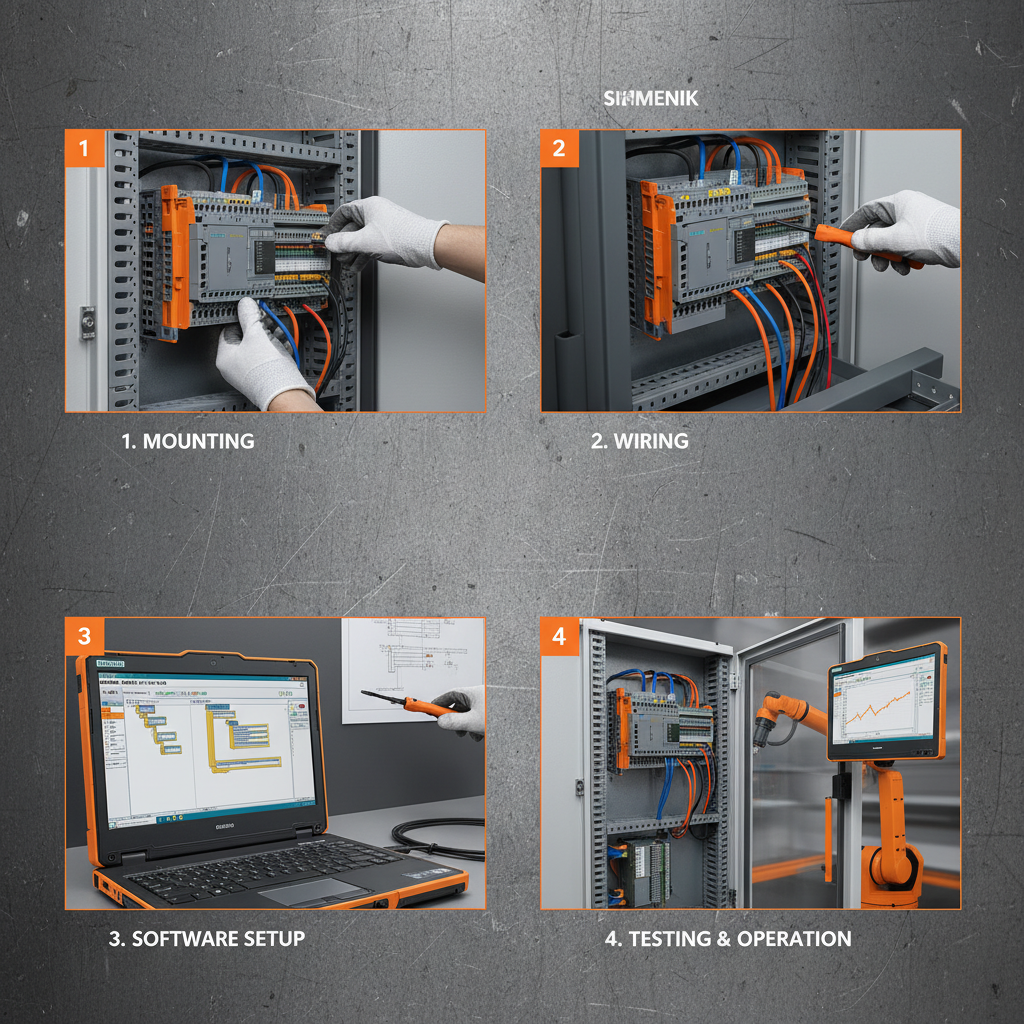
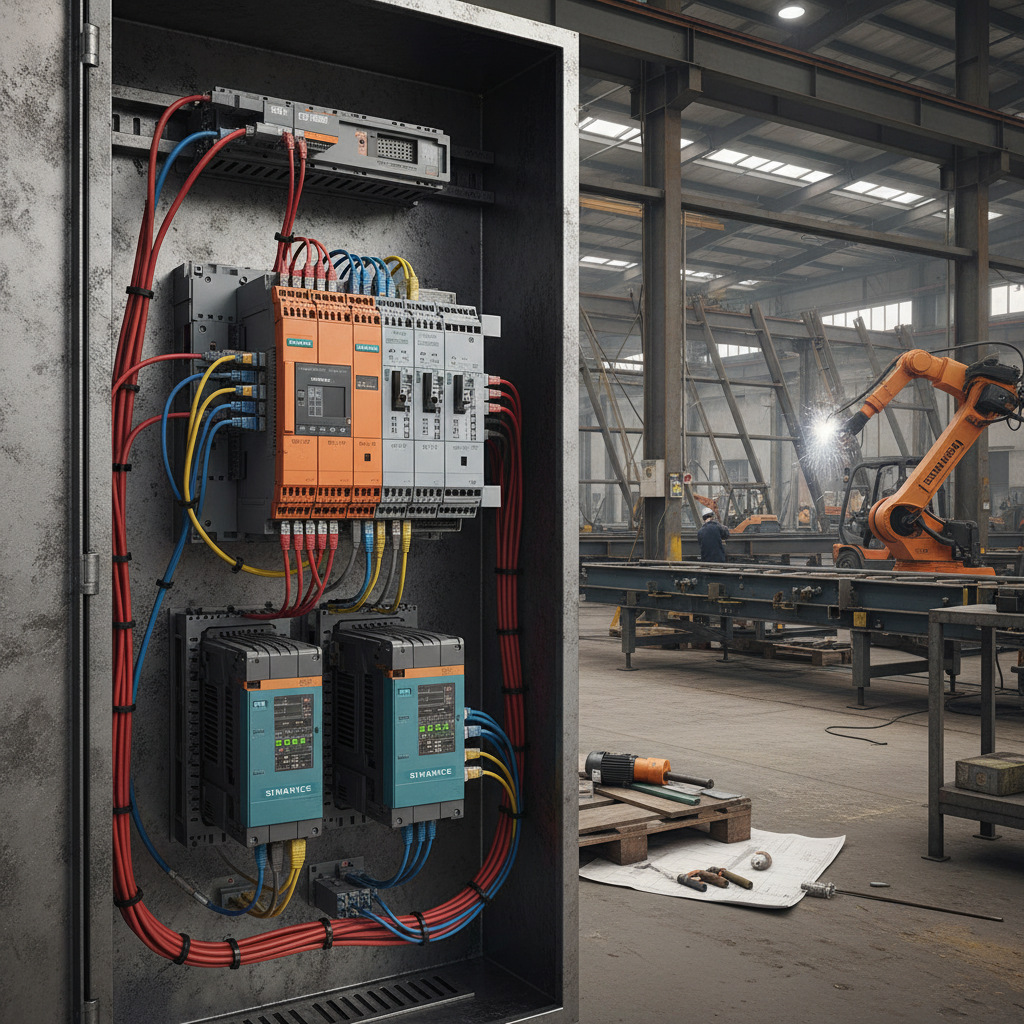
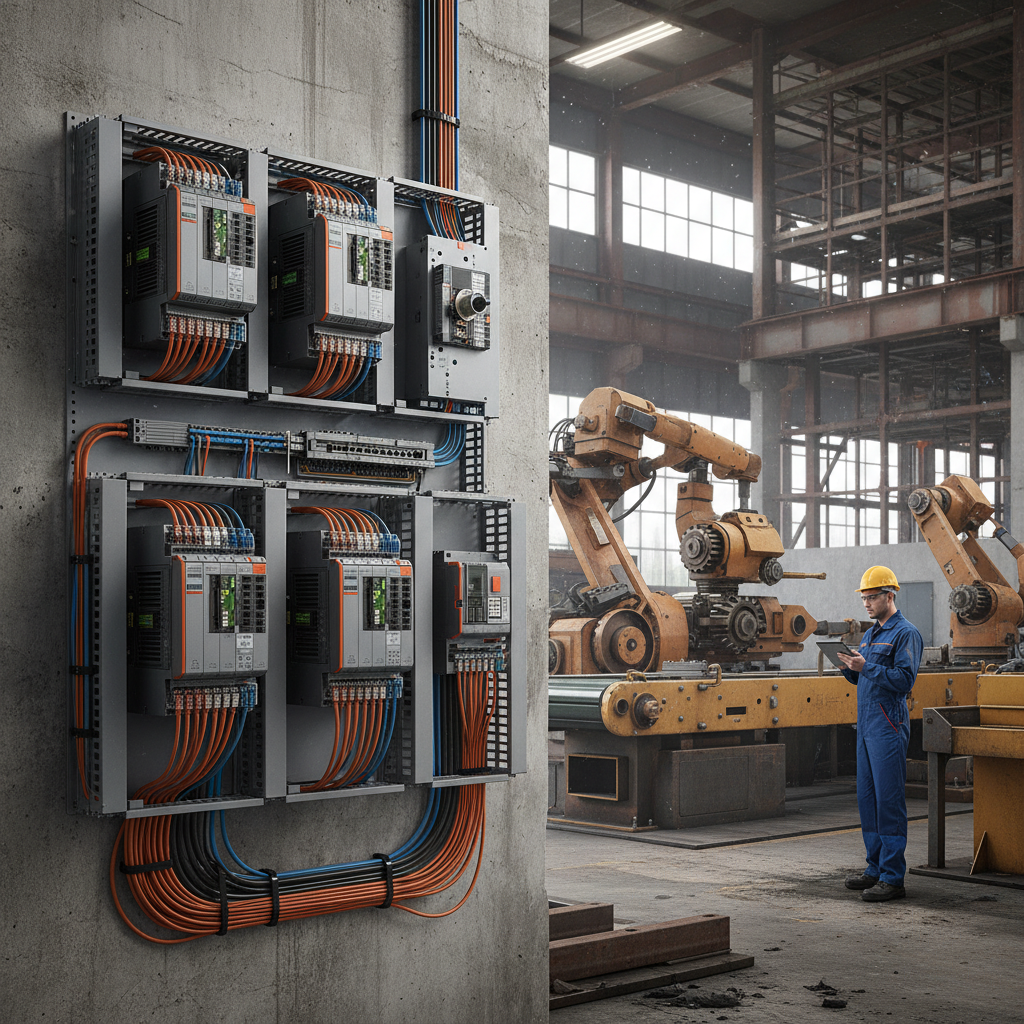
Variable Frequency Drive DIY: Build Your Own Efficient Motor Controller
Variable Frequency Drive DIY: A Hands-On Approach for Industrial Control
Having spent well over a decade in the industrial equipment sector, I've seen all sorts of innovations come and go. But few things are as satisfying as the moment you hook up your own variable frequency drive DIY project and watch a motor spring to life, smoothly adjusting speed and torque like it's almost alive. Frankly, variable frequency drives (VFDs) are game-changers when it comes to precision motor control, energy savings, and equipment longevity—and rolling your own setup can be both educational and cost-effective.
Now, don’t get me wrong. I’ve encountered a lot of folks who regard VFDs as black boxes, meant only for specialists. But the truth is, with a bit of background in electronics, some patience, and the right components, you can dive in pretty confidently. I remember the first time I built a basic VFD controller from a kit—felt like I was taming a wild horse. Nowadays, modular components and open-source control platforms make this DIY adventure far more accessible.
Let’s talk about what makes a variable frequency drive tick. In essence, a VFD converts the input AC power to DC and then back to AC at a variable frequency and voltage. This means you can vary a motor’s speed by adjusting the output wave’s frequency—a neat trick compared to older “mechanical” methods of speed control.
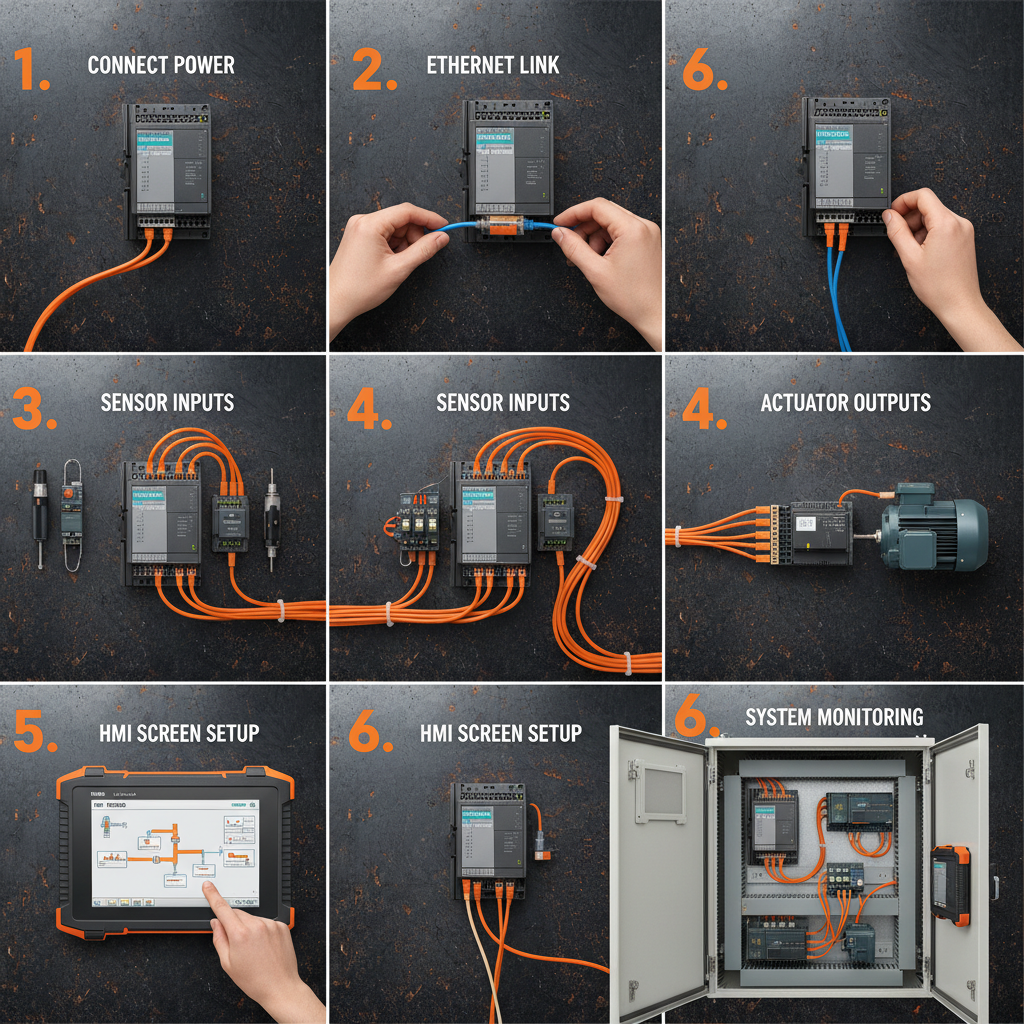
Materials and components are critical. A typical DIY VFD includes an input rectifier, a DC bus capacitor, an inverter stage (usually built with IGBTs or MOSFETs), and a control board handling PWM signals and protections. These boards often feature microcontrollers or DSPs for real-time adjustments. Honestly, I’ve tested different IGBT drivers, and while some vendors claim their products are "top-tier," in real use, thermal management and quality capacitors make all the difference.
Here’s a quick spec rundown of a mid-range DIY-friendly VFD module I’ve worked with recently:
| Specification | Details |
|---|---|
| Input Voltage | 220V AC ±10% |
| Output Voltage | 0–220V AC, 3-phase |
| Max Output Frequency | 0–400 Hz |
| Max Output Current | 10 A |
| Control Interface | PWM via microcontroller (Arduino compatible) |
| Protection Features | Overcurrent, overvoltage, thermal shutdown |
When I compare vendors offering these modules and kits, certain themes emerge: build quality, support documentation, pricing, and upgrade options. I’ve put together a quick comparison to save you some legwork:
| Vendor | Price (USD) | Documentation | Support | Modularity |
|---|---|---|---|---|
| Tianjin Yongkai | $180–220 | Comprehensive manuals, tutorials | Responsive & knowledgeable | High (modular components) |
| Generic Asian Supplier | $110–150 | Limited, mostly datasheets | Slow replies, basic support | Low (all-in-one kits) |
| Western OEM | $250–300 | Excellent, detailed engineering docs | Professional & fast | Medium (some modular options) |
In real terms, if you're building a VFD to control a conveyor motor or a pump, it's not just about raw specs. Remember the story I once heard from a plant engineer: they rigged a custom VFD setup themselves, tuned it perfectly for their unique workflow, and ended up saving 20% on energy costs in a few months. Plus, the maintenance team loved having hands-on experience with the device. That kind of insight is impossible to buy directly—it has to be earned.
One small heads-up, though: safety first. Working with AC mains requires respect—if you aren’t confident with electrical wiring, do seek professional advice. And testing your module carefully before hooking up expensive motors is vital.
Most engineers I chat with say the allure of DIY VFDs is the flexibility. You can tweak parameters, add custom interfaces, or integrate with IoT devices for predictive maintenance. You know, it’s a little like crafting your own tools rather than buying off-the-shelf gadgets. It builds knowledge, cuts costs, and with providers like Tianjin Yongkai offering solid kits, the barriers aren't as high as they used to be.
So if you’re considering a variable frequency drive DIY project, gear up with solid research, ready tools, and perhaps some community support. It’s a rewarding journey and, oddly enough, a great way to get to know your motors and machines a bit better.
All told, variable frequency drives remain one of the more exciting frontiers in industrial controls—as practical as they are fascinating. I hope sharing these insights helps your project go a little smoother.
Reflections: Building or customizing your own VFD feels like discovering a secret handshake with industrial power—definitely worth a try if you have the knack.
- Williams, R. "Understanding Variable Frequency Drives." Industrial Automation Journal, 2022.
- Tianjin Yongkai Tech Overview (https://www.tianjinyongkai.com)
- Smith, J. "DIY Industrial Motor Controls." Maker Tech Reports, 2021.