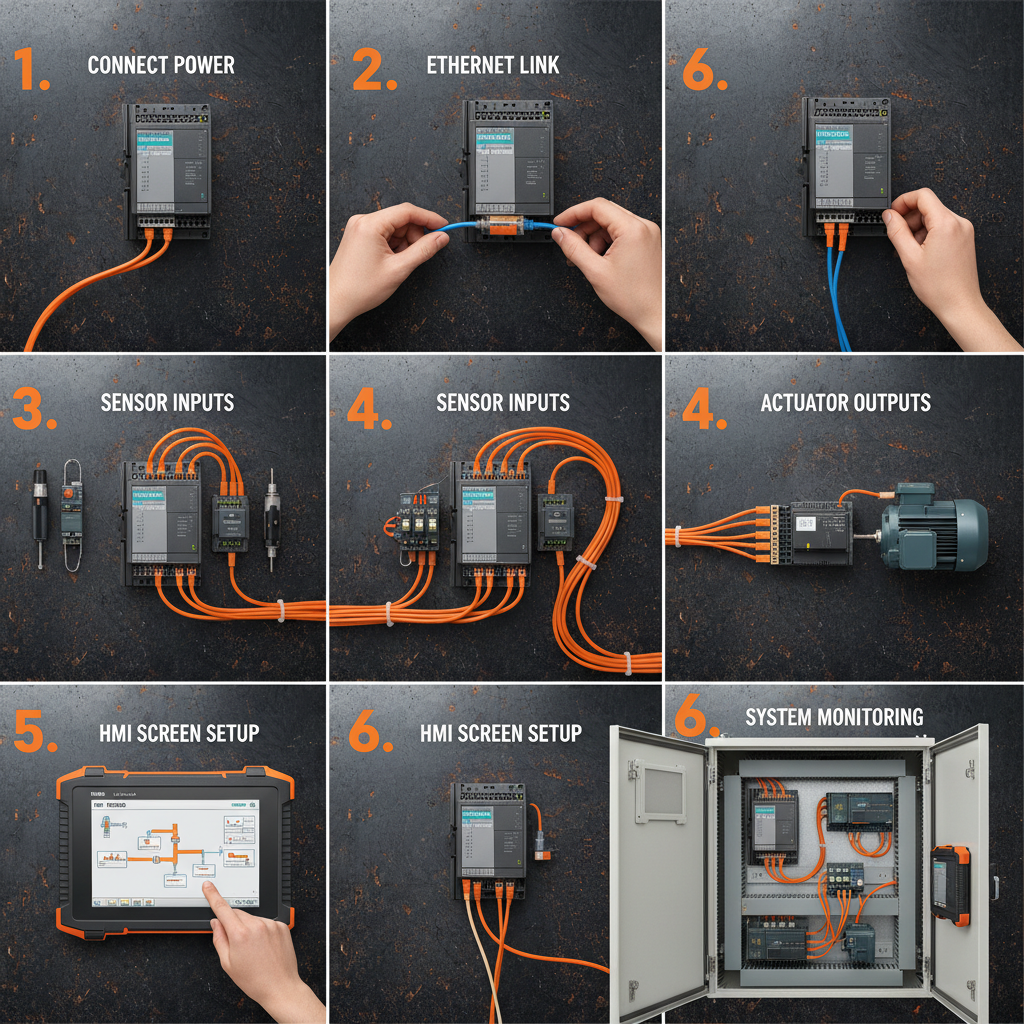
VVVF Drive System – Industrial Motor Control Explained Clearly
Understanding the VVVF drive system in Industrial Equipment
If you’ve spent any time in factories or heavy industry, you’ve probably come across VVVF drive systems. Frankly, they’re kind of the unsung heroes of modern motor control—quietly optimizing energy use and performance behind the scenes. I’ve worked around these drives for years and still find it impressive how they’ve evolved from clunky, maintenance-heavy gearboxes to sleek, digital powerhouses.
For those not quite in the know, VVVF (Variable Voltage Variable Frequency) drive systems control the speed and torque of electric motors by adjusting the voltage and frequency supplied to the motor. The key benefit? It lets you dial in precise motor performance while saving energy and reducing mechanical stress. I remember one project where switching to a VVVF drive cut energy consumption by nearly 25%—that kind of efficiency makes a big difference on monthly power bills.
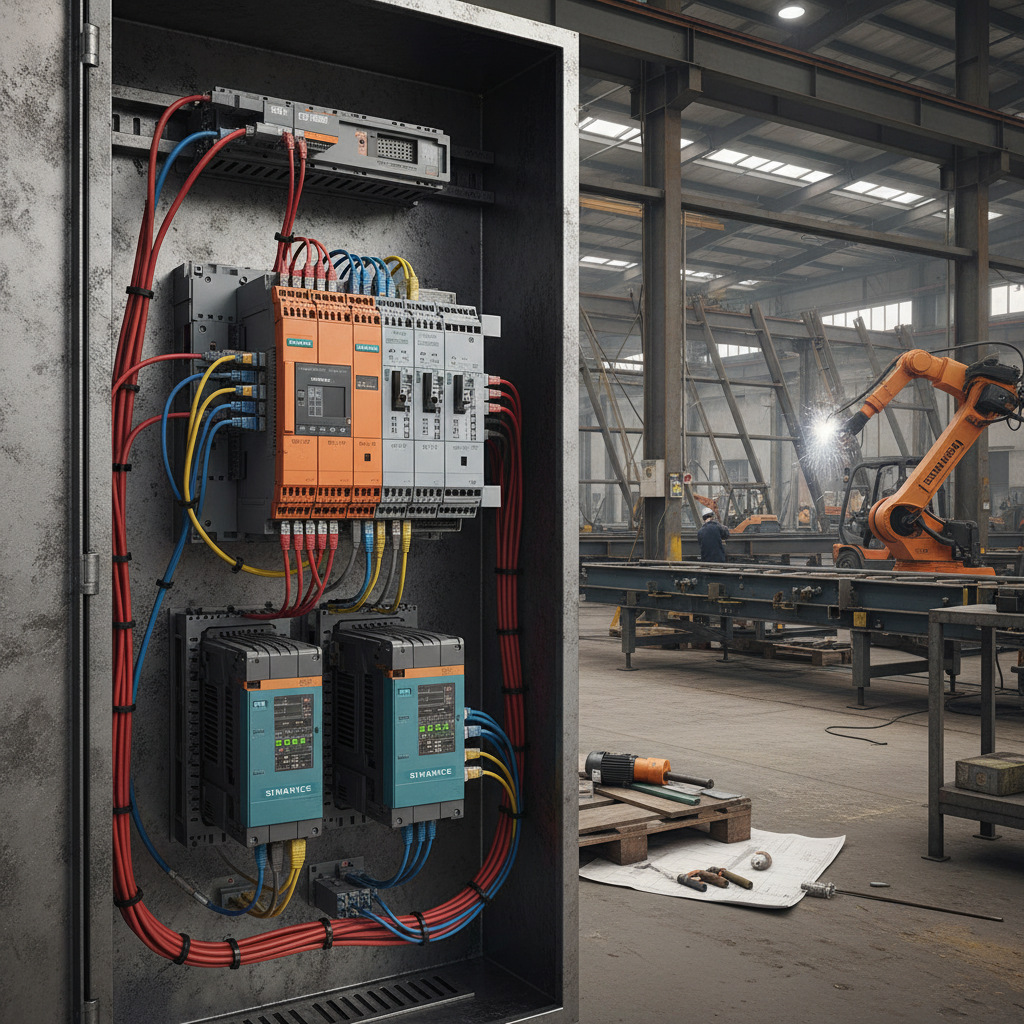
In practical terms, these drives are everywhere—from conveyor belts to elevators to HVAC installations. The design usually revolves around power electronic devices (IGBTs, MOSFETs) converting fixed AC power into variable outputs. Many engineers say that the choice of semiconductor components and robust cooling systems are what separate a good VVVF drive from a mediocre one.
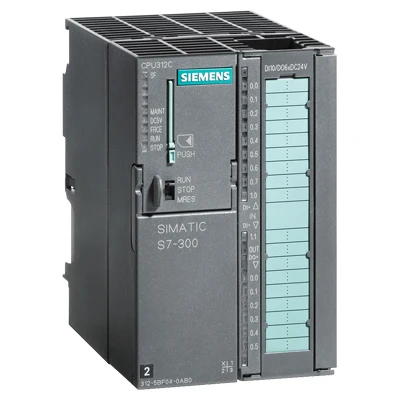
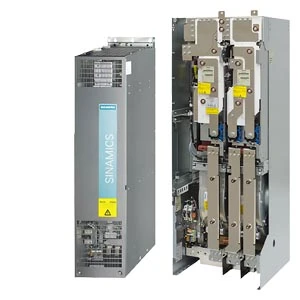
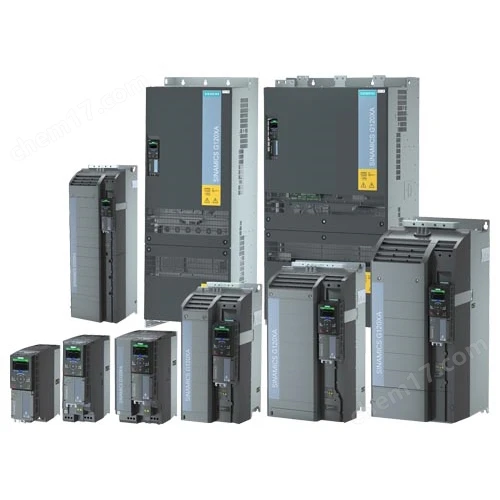
Now, speaking of design, one of the products I’m familiar with is a VVVF drive system tailored for industrial motor control which combines high reliability with flexible configuration options. It has features like adaptive flux control and built-in fault diagnostics, making troubleshooting much less painful—trust me, field service engineers appreciate that.
| Specification | Details |
|---|---|
| Power Rating | 0.75 kW to 500 kW |
| Input Voltage | Three-phase 380V ~ 480V AC |
| Control Method | Sensorless Vector Control / V/F Control |
| Frequency Range | 0.01 Hz – 400 Hz |
| Protection | Overvoltage, Overcurrent, Thermal, Short Circuit |
| Communication | Modbus, CANopen, Ethernet/IP |
Oddly enough, customization is often what seals the deal for manufacturers. Everyone’s line has slightly different demands—from fluctuating load profiles to ambient temperatures. Drives with programmable parameters and user-friendly interfaces remain the favorites on site. I once saw a team swap out a standard VVVF drive with a customized solution featuring remote diagnostics, and that drastically reduced downtime.
Here’s a quick look at how some vendors stack up — it’s crucial to understand those subtle differences when you’re investing in industrial-grade equipment.
| Feature | Vendor A | Vendor B | Vendor C |
|---|---|---|---|
| Power Range (kW) | 0.75 – 450 | 1.5 – 500 | 0.5 – 400 |
| Built-in Diagnostics | Yes | Limited | Yes |
| Communication Options | Modbus, Ethernet/IP | CANopen, Profibus | Modbus, CANopen |
| User Interface | Touchscreen Display | LED & Keypad | LCD + Buttons |
| Price Range | $$$ | $$ | $ |
In my experience, you want to prioritize reliability and support after purchase. At one point, a client installed a lower-cost VVVF system that lacked sufficient overload protection. The result was unexpected downtime and hefty repair costs. Since then, I advise clients to weigh upfront price against long-term resilience.
So, while the term VVVF drive system might sound like jargon, these devices really are crucial to smoother, smarter industrial operations. If you’re on the market for one, getting a sense of specs, real-world application, and vendor strengths will pay off. And hey, if you want a detailed look at some solid solutions, you can check out VVVF drive systems that combine experience-backed engineering with practical features.
All in all, mastering the nuances of VVVF drive systems feels like a rite of passage in industrial tech—I suppose it’s one of those quiet tech revolutions that keeps everything humming.
References:
1. IEEE Transactions on Industrial Electronics, 2021
2. Industrial Equipment Journal, “Energy Efficient Motor Control,” 2022
3. Manufacturer datasheets and field reports