What Does a Variable Frequency Drive Do? Understanding Energy Efficiency & Industrial Control
What Does a Variable Frequency Drive Do? Exploring Its Role in Modern Industry
Whatever industry you peek into—HVAC, water treatment, manufacturing—the question “what does a variable frequency drive do?” often pops up. And rightly so. VFDs quietly power much of the world's infrastructure by controlling electric motor speeds and improving energy efficiency. They’re the unsung heroes behind smooth production lines and sustainable energy use. Frankly, understanding them isn’t just technical jargon; it’s a key to unlocking smarter, greener industrial operations globally.
Introduction: The Global Relevance of Variable Frequency Drives
Addressing real global challenges requires innovation that helps save resources and reduce waste. According to the International Energy Agency, electric motors account for approximately 45% of global electricity consumption. Variable frequency drives, or variable frequency drives, play a pivotal role by adjusting motor speeds to match actual loads, rather than running at fixed rates. This not only trims energy bills but also slashes greenhouse gas emissions—a crucial factor in meeting the United Nations’ sustainable development goals.
Industries worldwide encounter the problem of inefficiency due to constant-speed motors. Running a pump or fan at full speed all the time? Inefficient and costly. Variable frequency drives offer a solution—dynamic control, energy conservation, and equipment longevity. More than a convenience, this technology addresses energy security challenges and operational reliability.
Definition & Meaning: What Exactly Does a Variable Frequency Drive Do?
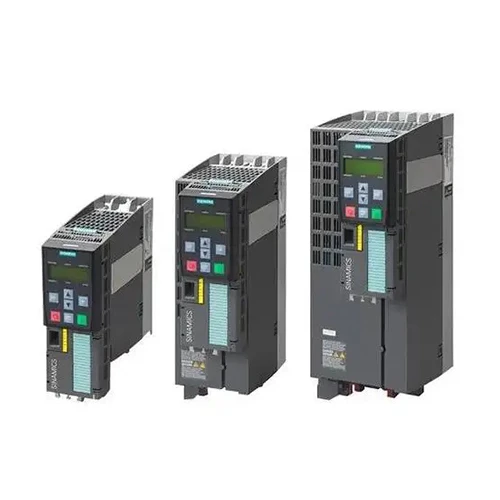
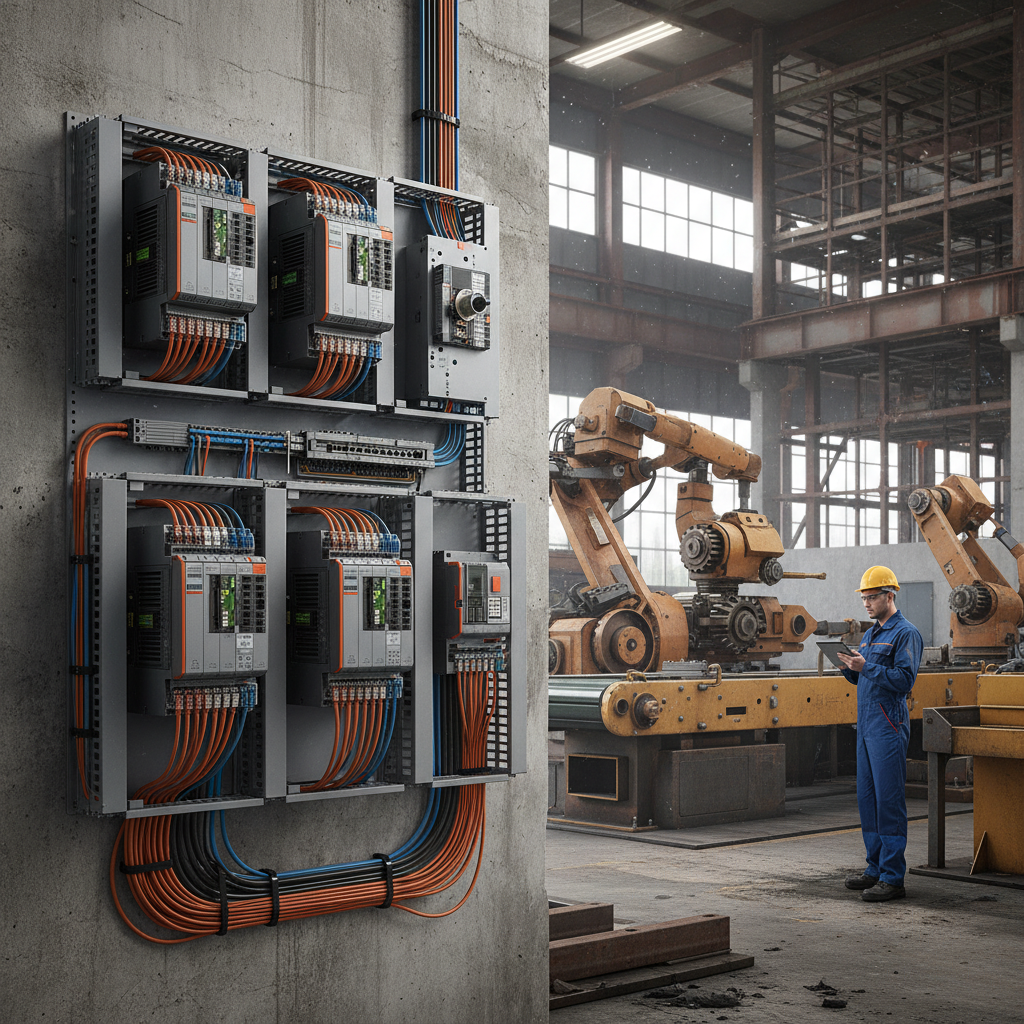
Simply put, a variable frequency drive changes the frequency and voltage supplied to an electric motor, thereby controlling its speed and torque. Think of it as a dimmer switch for motors instead of lights. This flexibility lets machines run precisely at the speed demanded by their tasks, saving both energy and wear. In modern industry, this capability has a direct impact on productivity, downtime reduction, and cost efficiency.
On the humanitarian side, VFDs can keep water pumps running steadily in remote or disaster-hit areas. They allow rescue missions and infrastructure rebuilding to be faster and more reliable. In short, this technology melds industrial precision with real-world needs.
Key Factors of Variable Frequency Drives
Energy Efficiency
By varying the motor speed, VFDs eliminate the needless energy loss common to traditional motors that run at full speed. Many plants see energy reductions of 20-50%, a figure that’s hard to ignore when your electricity bill is a major cost.
Precision Speed Control
VFDs allow industries to fine-tune motor speeds for optimized process control — think conveyor belts running just fast enough, or HVAC systems adjusting airflow based on temperature demand.
Durability & Reduced Maintenance
Soft starting and stopping reduce mechanical stress. Motors and connected equipment last longer, minimizing interruptions and replacement expenses.
Scalability & Flexibility
VFDs serve a range of motors — from tiny pumps to large industrial fans — making them highly versatile across many sectors.
Integration with Automation
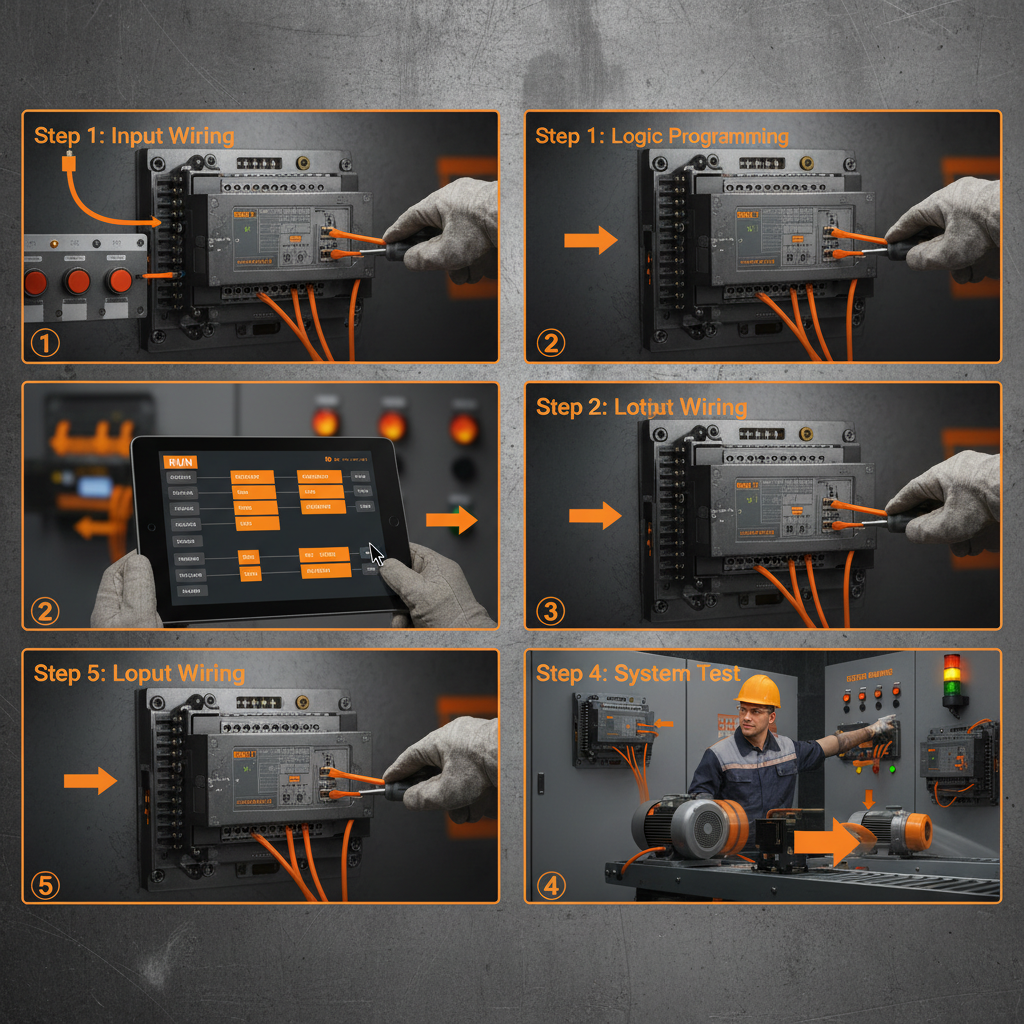
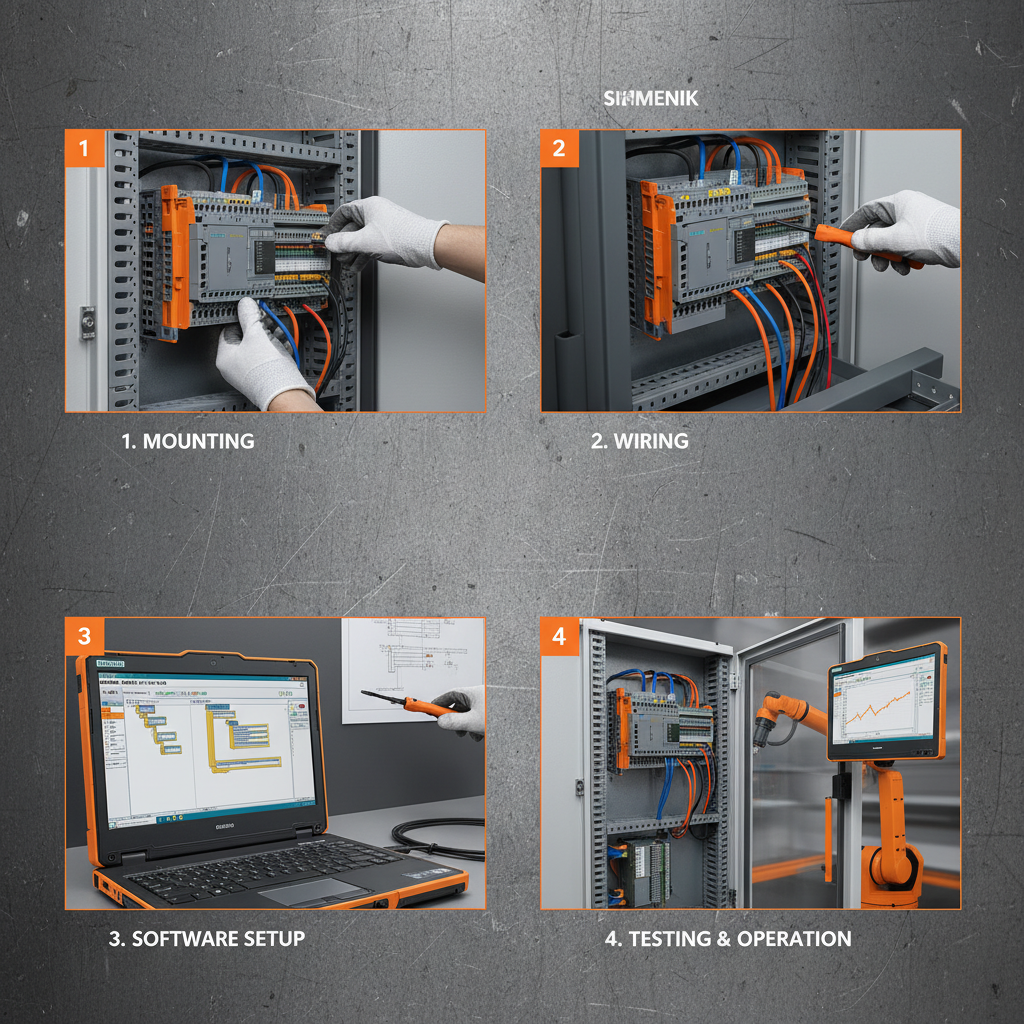
Modern drives integrate with PLCs and IoT devices, enabling smart monitoring and predictive maintenance.
Cost Efficiency
Though the upfront cost isn’t negligible, long-term savings and improved uptime pay off handsomely.
Global Applications & Use Cases
From North American manufacturing plants cutting energy costs to European cities optimizing water treatment, VFDs have global traction. Oddly enough, they also find vital use in humanitarian operations—say, powering water pumps in earthquake-stricken areas in Asia, ensuring a stable supply of clean water when it’s most critical.
In remote mining zones of South Africa and Australia, variable frequency drives help manage heavy equipment remotely, conserving energy when machines idle. Meanwhile, Asian HVAC industries tap VFDs extensively, reducing carbon footprints in sprawling urban centers.
Even the renewable energy sector benefits. In wind turbines and solar installations, VFDs facilitate adapting motors to fluctuating energy inputs, stabilizing outputs to grids.
Advantages & Long-Term Value
- Cost Savings: Lower electricity costs and less maintenance.
- Sustainability: Fewer emissions by reducing power consumption.
- Operational Reliability: Longer equipment lifespan and fewer breakdowns.
- Safety & Comfort: Smooth motor operation means less mechanical failure and better indoor climate control.
- Innovation & Trust: VFDs integrate seamlessly with smart factory and industrial IoT systems, future-proofing investments.
These tangible benefits ripple into social good. Reliable motors mean safer workplaces and uninterrupted water or energy access, enhancing community welfare.
Future Trends & Innovations
The ongoing digital transformation means VFDs are becoming smarter, embedded with AI to predict maintenance needs before failures occur. Green energy policies push for drives compatible with low-voltage solar and wind sources. Materials science advances are yielding more compact units with higher efficiency and heat tolerance.
One exciting development is the fusion of VFD technology with wireless communication, enabling real-time monitoring globally—something industrial plants and humanitarian operations are eagerly adopting.
Challenges & Solutions
VFDs aren’t without hurdles. They can introduce harmonic distortions affecting power quality. Also, their installation requires careful consideration, especially in older facilities where wiring and equipment compatibility might be limited.
Fortunately, engineers now use harmonic filters and advanced inverter designs to minimize these issues. Modular and plug-and-play drives simplify upgrades. Training and quality vendor partnerships also ensure smooth adoption.
Product Specifications Example
| Specification | Typical Value | Notes |
|---|---|---|
| Input Voltage | 200-480 V AC | 3-phase typical |
| Output Frequency | 0-600 Hz | Variable per application |
| Power Range | 0.5 kW to 500+ kW | Scales to industrial sizes |
| Efficiency | >98% | Depends on load |
| Communication Ports | RS485, Ethernet, Modbus | For integration with automation |
Vendor Comparison
| Feature | Vendor A | Vendor B | Vendor C |
|---|---|---|---|
| Power Range | 0.5 – 400 kW | 1 – 500 kW | 0.75 – 450 kW |
| Efficiency | 98% | >97% | 98.5% |
| Smart Features | Basic diagnostics | Cloud connectivity | AI-based maintenance |
| Price Level | Mid-range | Premium | High-end |
| Warranty | 3 years | 5 years | 4 years |
FAQs About What Does a Variable Frequency Drive Do
- How does a variable frequency drive reduce energy consumption?
- By adjusting the motor speed to match operational needs instead of running at full speed consistently, VFDs reduce unnecessary power use, often saving between 20-50% on energy bills in motor-driven applications.
- Can variable frequency drives be used with all motor types?
- Most often, VFDs are compatible with three-phase AC induction motors, which are widely used. However, certain motors, like single-phase or DC motors, require specialized drives or alternative control methods.
- Will installing a variable frequency drive affect my existing equipment maintenance?
- Actually, VFDs usually lower maintenance needs because they reduce wear by soft-starting motors and avoiding mechanical shocks. That said, VFDs themselves may need periodic checks to ensure electronic components function properly.
- Are variable frequency drives difficult to install?
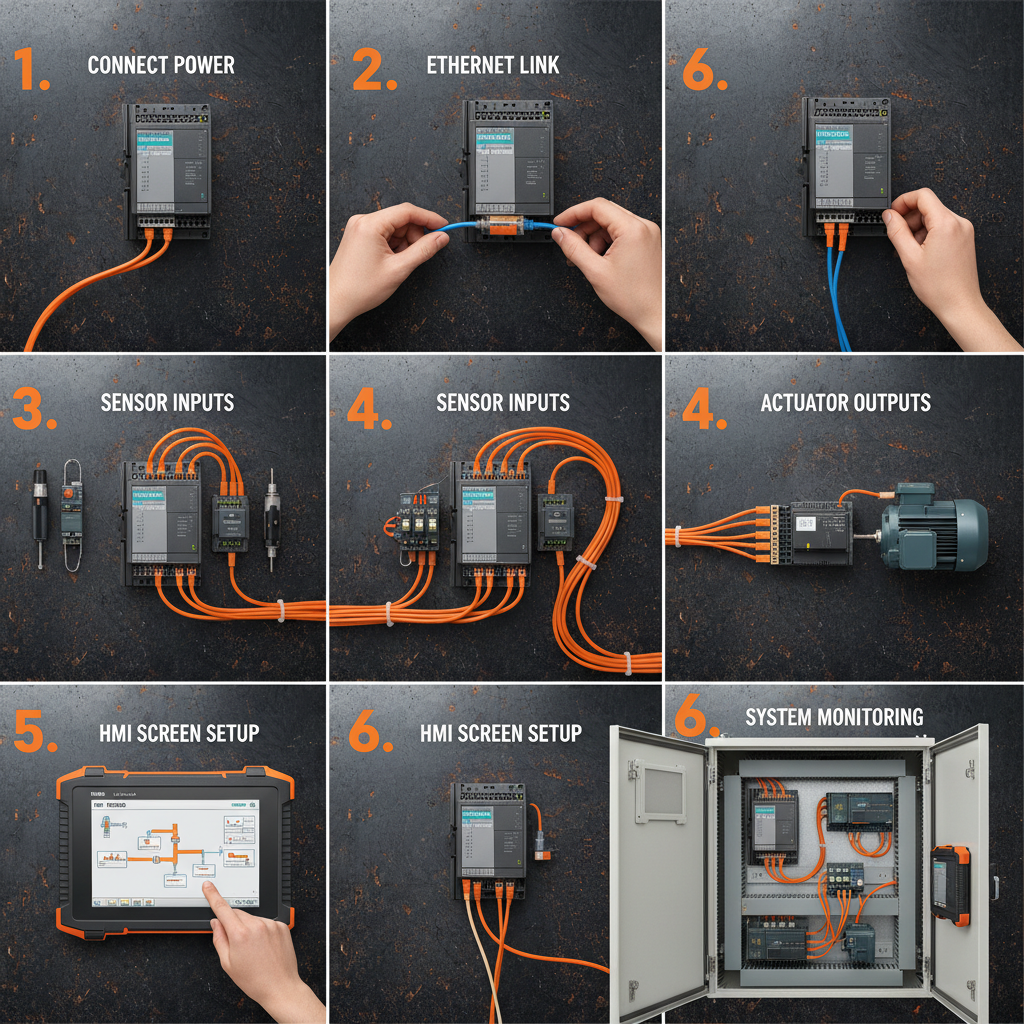
- Installation complexity varies. Modern plug-and-play models simplify setup, especially in new facilities. Older plants may require electrical upgrades or harmonic filters to handle the drive’s operation safely and efficiently.
Conclusion & Call to Action
Understanding what a variable frequency drive does is more than an academic exercise—it reveals how an unassuming piece of technology can drive sustainability, cut costs, and improve operational control worldwide. Whether you’re managing a sprawling industrial site or overseeing infrastructure projects in challenging environments, VFDs offer long-term value by enabling precise, efficient electric motor control.
If you want to dig deeper or explore practical solutions, visit our website: https://www.tianjinyongkai.com.
It’s kind of amazing how much difference controlling a simple motor frequency can make in real terms, don’t you think?