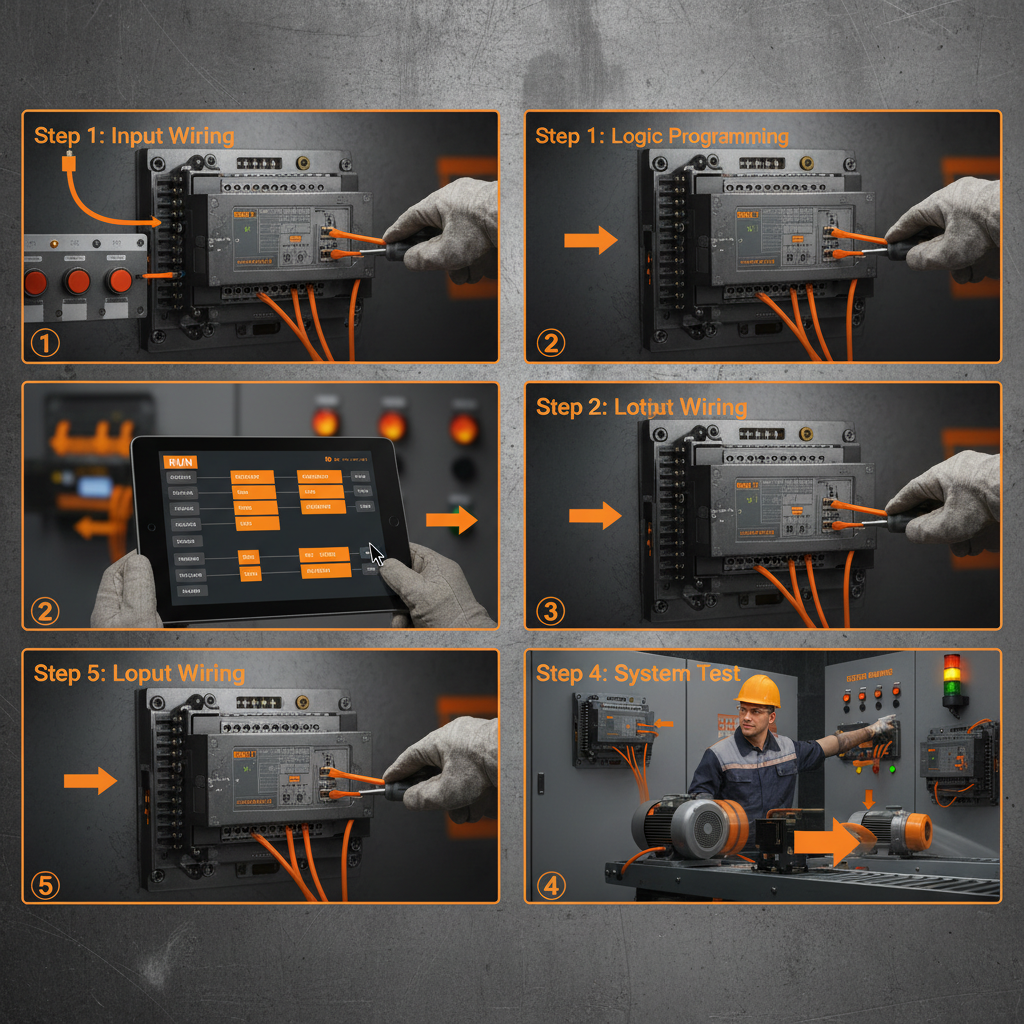
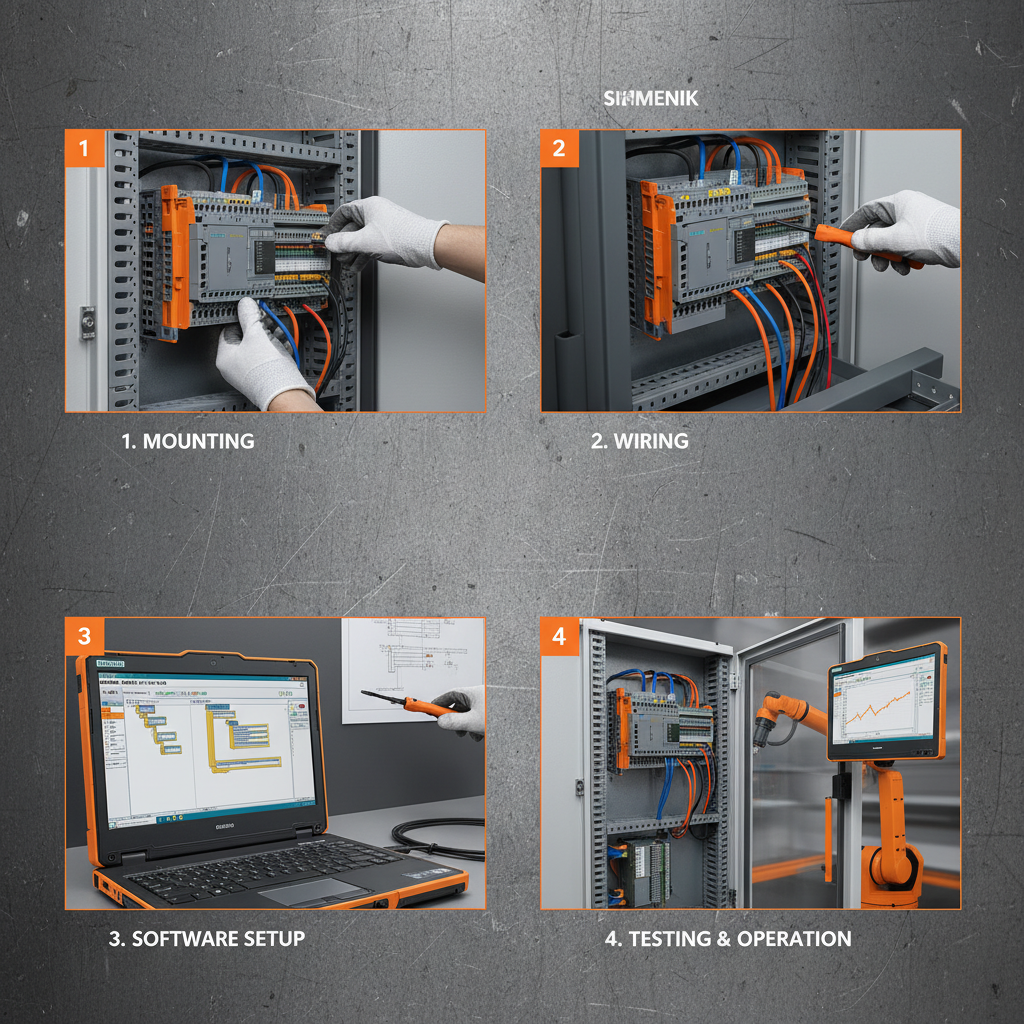
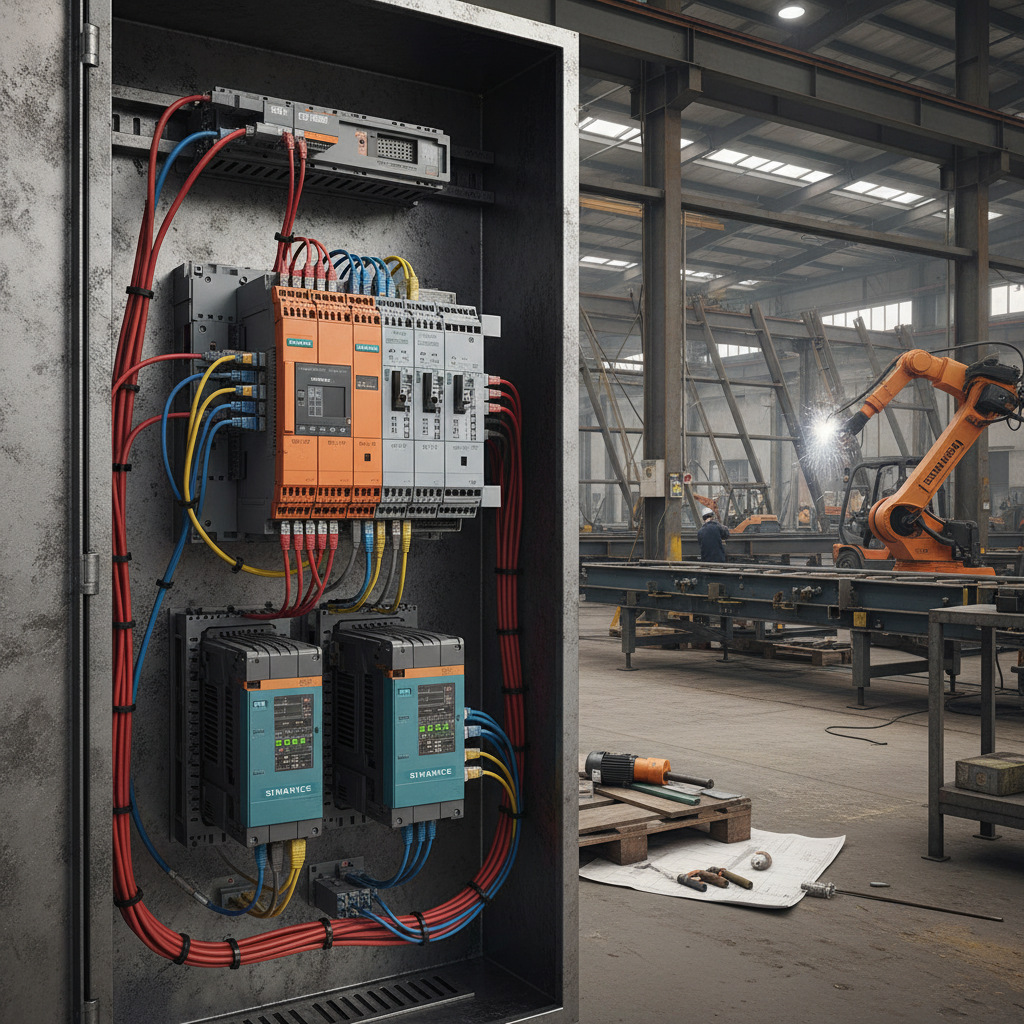
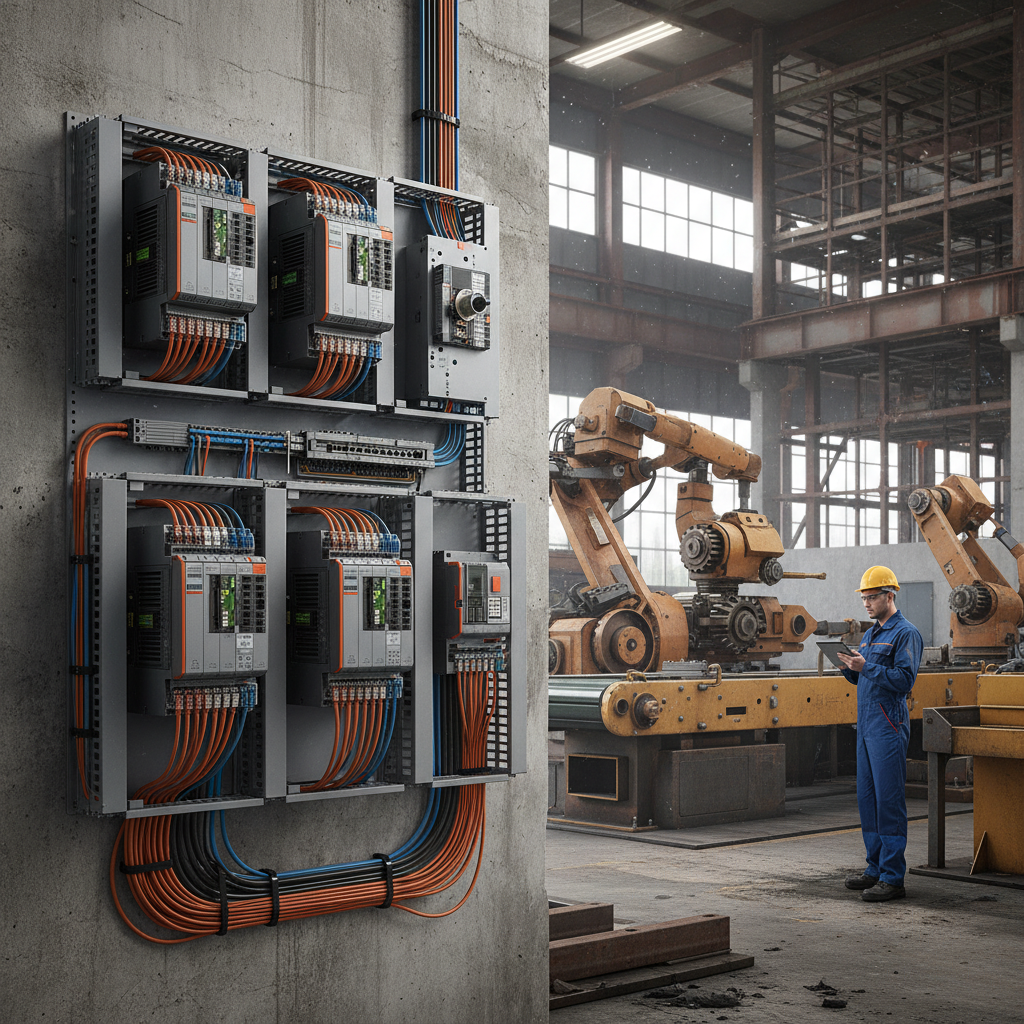
What Is a 120VAC Variable Frequency Drive? Benefits, Specs & Global Applications
Understanding the 120VAC Variable Frequency Drive: Powering Flexibility in Modern Industry
You might have heard about 120VAC variable frequency drives (VFDs) buzzing around in conversations about energy efficiency or industrial automation. But why exactly does this technology matter so much today — not just in factories or warehouses, but globally? In a nutshell, a 120VAC VFD offers precise control over AC motor speed and torque, leading to energy savings, longer equipment life, and enhanced operational flexibility. These benefits ripple beyond industrial floors into humanitarian projects, remote installations, and even sustainability goals worldwide.
Introduction: The Global Relevance of 120VAC Variable Frequency Drives
According to the International Energy Agency, electric motors account for nearly 50% of global electricity consumption in manufacturing. Variable frequency drives — specifically those designed for standard 120VAC inputs — have become a game changer in managing that power demand smartly. [1] The UN and ISO increasingly highlight efficiency tools like these in standards for sustainable development. The challenge? Many small to medium-sized enterprises still rely on traditional fixed-speed motor controls, which waste energy and increase costs unnecessarily. Switching to a 120vac variable frequency drive can upend that, enabling tailored motor speed control aligned with actual workload.
Mini takeaway: Globally, the push for energy efficiency and sustainability makes the 120VAC VFD not just a convenience, but a necessity for many industries.
What Is a 120VAC Variable Frequency Drive?
Simply put, a 120VAC variable frequency drive is an electronic device that adjusts the frequency and voltage supplied to an AC motor. Unlike fixed-speed motors plugged straight into the power line (at 120 volts AC), a VFD gives you the flexibility to ramp motor speed up or down smoothly. This means fewer mechanical stresses, better process control, and less wasted energy. They’re vital in modern manufacturing processes, HVAC systems, pumps, and anywhere an electric motor needs variable speed — even humanitarian projects requiring reliable, adaptable power solutions in off-grid or unstable environments.
Key Features of 120VAC Variable Frequency Drives
1. Compact and Lightweight Design
Many 120VAC VFDs are designed to fit into tight control panels or portable setups. This matters in field installations where space and weight restrictions apply.
2. User-Friendly Interface
Most modern drives include LCD displays and intuitive programming menus. Operators can customize parameters easily without needing extensive training.
3. Energy Savings & Efficiency
By fine-tuning motor speed to demand, these drives often reduce energy use by 20-50%. That’s a meaningful cut in operating costs and carbon footprint.
4. Robust Protection Features
Overload, under-voltage, and overheating protections help safeguard motors and extend equipment lifetime.
5. Integration Capabilities
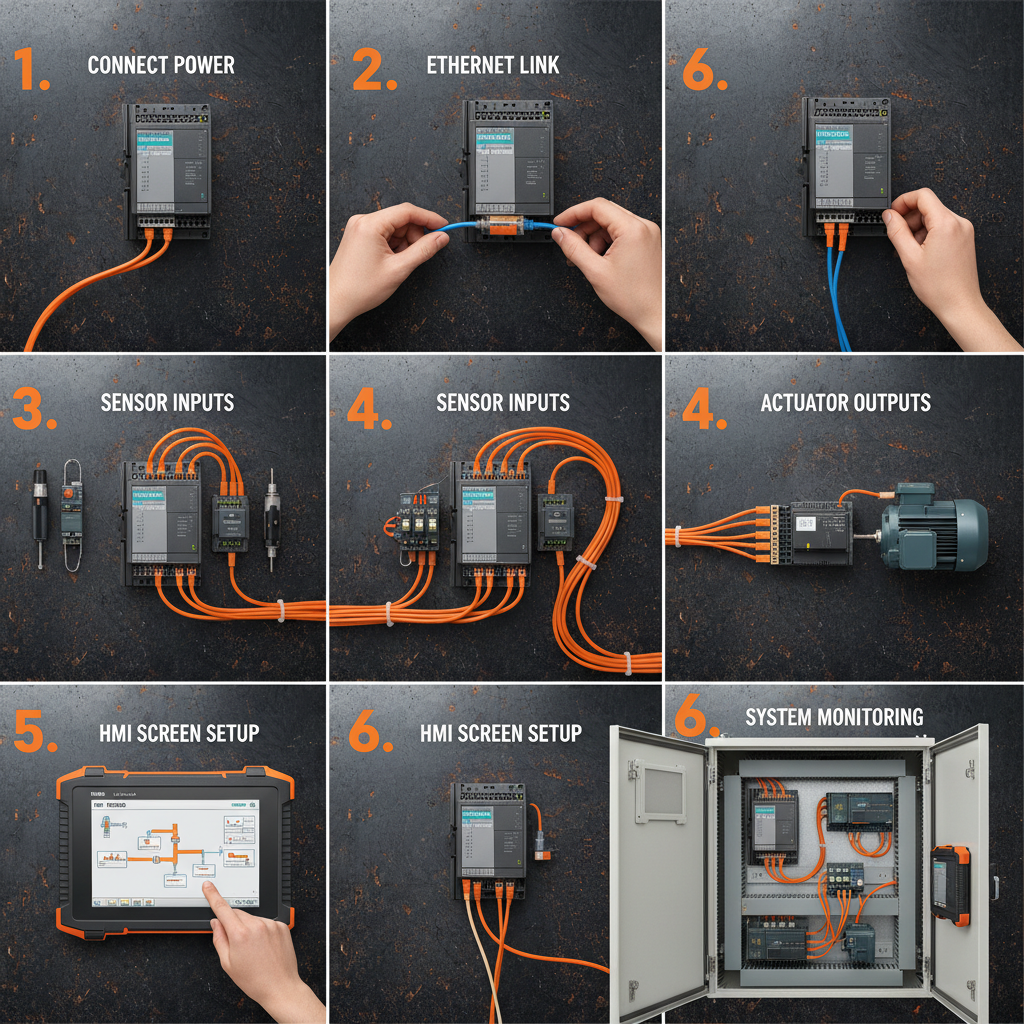
Many drives can interface with PLCs or IoT systems. This facilitates remote monitoring and predictive maintenance strategies.
Standard 120VAC Variable Frequency Drive Specifications
| Specification | Typical Value/Range |
|---|---|
| Input Voltage | 120VAC ±10% |
| Output Frequency | 0 - 400 Hz |
| Power Range | 0.1 - 3 HP (0.07 - 2.2 kW) |
| Control Method | V/F (Voltage/Frequency), Sensorless Vector |
| Communication | RS485, Modbus (optional) |
| Protection Features | Overvoltage, Overcurrent, Thermal, Short Circuit |
Global Applications & Use Cases of 120VAC Variable Frequency Drives
In real terms, these drives find a surprisingly diverse set of applications around the world:
- Industrial Automation: Small factories in Southeast Asia increasingly adopt 120VAC VFDs to power conveyor belts and fans efficiently.
- Remote Infrastructure: In parts of Africa where power quality fluctuates, adjustable-speed drives help protect motors and maintain steady operations.
- HVAC Systems: Commercial buildings worldwide use these drives to optimize fans and pumps for heating and cooling, saving energy and improving comfort.
- Emergency & Humanitarian: Mobile clinics and disaster relief shelters in disaster-prone zones use VFD-powered pumps for water supply, adapting easily to changing needs.
Mini takeaway: The adaptability of 120VAC variable frequency drives makes them invaluable across continents and contexts — from high-tech factories to basic humanitarian setups.
Vendor Comparison Table: Popular 120VAC Variable Frequency Drives
| Brand | Power Range | Key Features | Price Range (USD) |
|---|---|---|---|
| Yongkai VFD-120 | 0.1 - 2 HP | Compact design, Modbus ready, Overload protection | 150-300 |
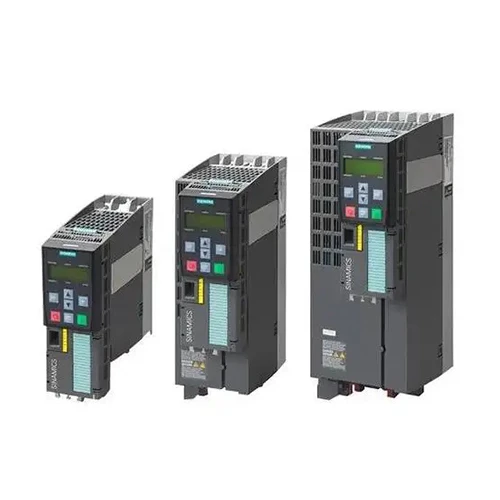
| Siemens SINAMICS G110 | 0.12 - 3 HP | Built-in PLC, Sensorless vector control, Energy saver | 300-500 |
| ABB ACS355 | 0.1 - 3 HP | Easy programming, Multiple communication options, Safe torque off | 280-480 |
Advantages & Long-Term Value
Frankly, what makes the 120VAC variable frequency drive an attractive choice goes beyond simple energy savings:
- Cost Efficiency: Reduced energy use means lower operating expenses. Motors last longer because they avoid abrupt starts/stops.
- Sustainability: Efficient electric motor control fits well within green energy initiatives aimed at lowering greenhouse gases.
- Safety & Reliability: Modern drives feature comprehensive fault detection to prevent failures and downtime.
- Empowering Innovation: Flexible motor speed enables new process capabilities that weren’t feasible before.
Emotionally, there’s also a sense of trust and dignity imbued in systems that "just work" steadily and efficiently. In a world reliant on stable infrastructure, that reliability feels priceless.
Future Trends & Innovations
Looking ahead, the integration of 120VAC VFDs with IoT (Internet of Things) and cloud analytics is accelerating. Automated diagnostics, predictive maintenance, and remote tuning will become standard. Plus, innovations in semiconductor materials (like SiC and GaN) are pushing efficiency and reducing losses even further. Green energy grids using solar and wind will find these drives essential in managing fluctuating supply, especially for decentralized energy systems. Finally, ongoing efforts to lower costs will open up applications in developing regions even more.
Challenges & Solutions
Of course, no technology is without its bumps. Some common hurdles with 120VAC variable frequency drives include:
- Electrical Noise: VFDs can generate electromagnetic interference, which sometimes disrupts sensitive equipment.
- Cost Barriers: The upfront cost might deter smaller operators despite long-term savings.
- Complexity: Integration and programming require some level of expertise.
Experts suggest: Effective filtering and shielding mitigate EMI; phased financing and subsidies can alleviate cost issues; and increasingly user-friendly interfaces reduce the learning curve.
FAQ: Common Questions about 120VAC Variable Frequency Drives
- Q: Can a 120VAC VFD work with any standard AC motor?
- A: Generally, yes. However, it’s important to verify motor compatibility, especially with older or specialized motors, to ensure optimal control and avoid damage.
- Q: How much energy can I realistically save using a 120VAC variable frequency drive?
- Energy savings typically range from 20% to 50%, depending on the application and how much the motor speed varies during operation.
- Q: Are these drives safe to use in harsh or outdoor environments?
- Many models are rated for industrial environments, IP54 or higher; however, additional enclosures or protective measures may be necessary for extreme conditions.
- Q: How difficult is it to program a 120VAC variable frequency drive for a non-technical user?
- Modern drives often include straightforward, menu-driven interfaces, sometimes supported by smartphone apps or PC software. Training is usually short but recommended.
Conclusion
To wrap it up, adopting a 120vac variable frequency drive is more than just an industrial upgrade — it’s an investment in efficiency, sustainability, and dependable performance. Whether you’re running a factory, managing off-grid equipment, or supporting humanitarian projects, these drives unlock greater operational flexibility and cost savings that pay off over time. Curious to experience these benefits yourself? Visit our website: https://www.tianjinyongkai.com to explore options that fit your needs.
Quick takeaway: The 120VAC variable frequency drive marries technology with practicality, driving industries forward while respecting planet and people alike.