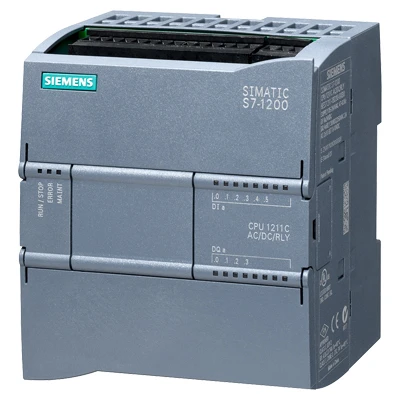
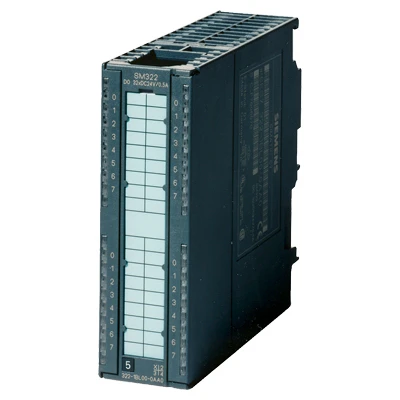
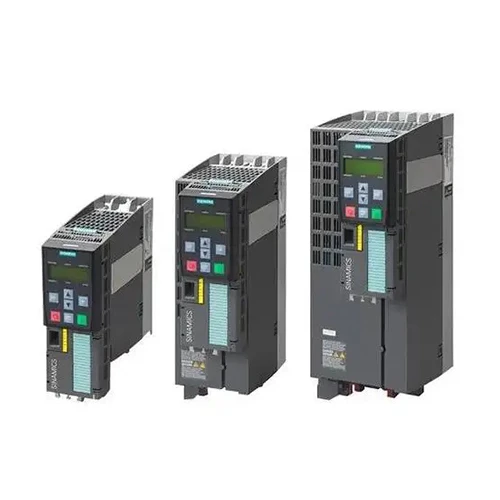
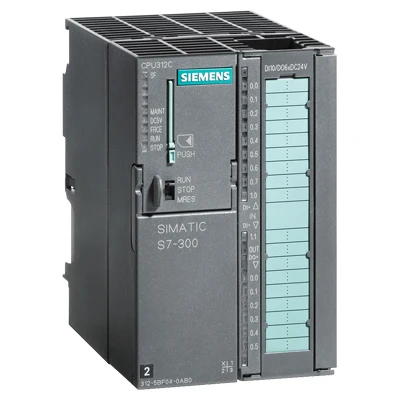
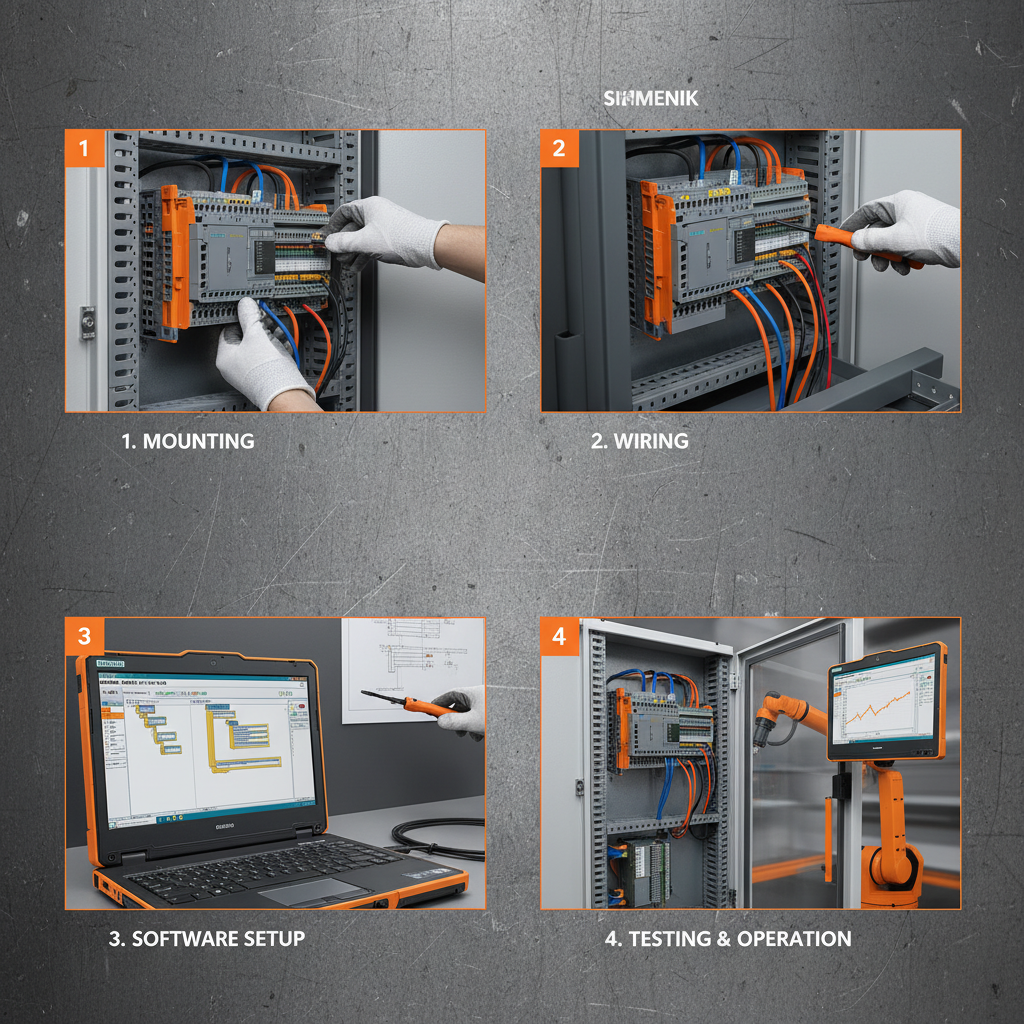
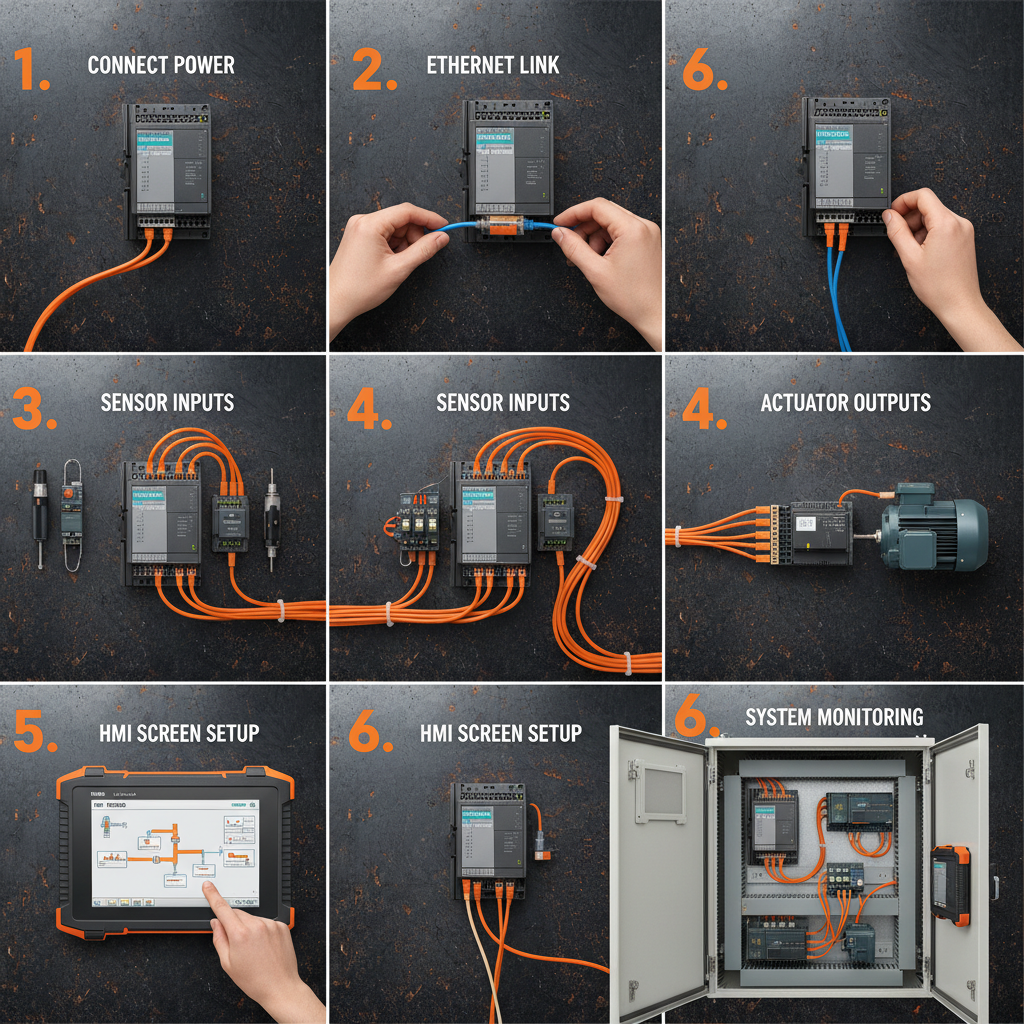
Avaya IP Office Analog Expansion Module | Expand Connectivity
Introduction to Analog Expansion Modules in Industrial Automation
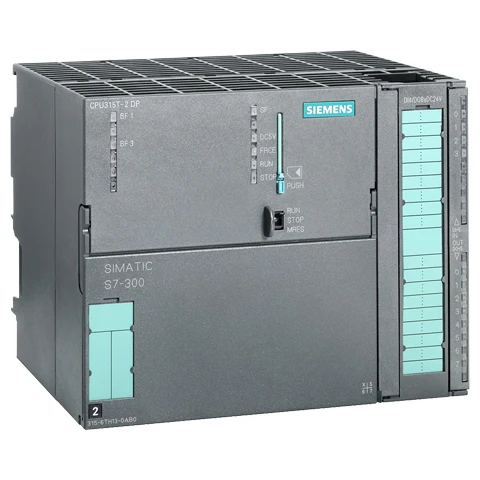
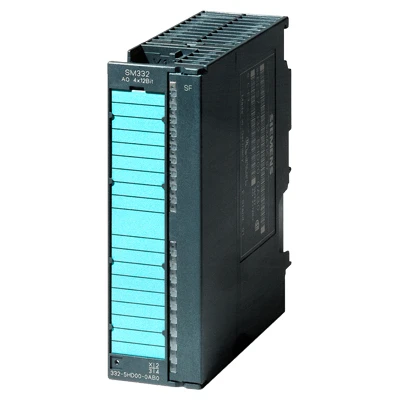
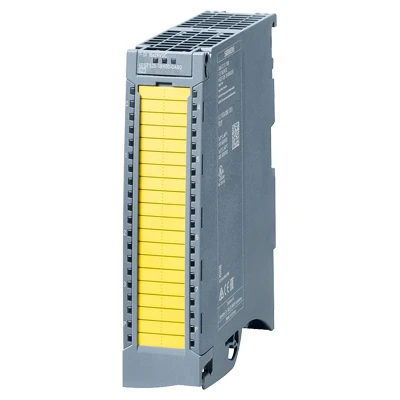
In the realm of industrial automation and telecommunications, the integration of legacy systems with modern digital infrastructure often presents significant challenges. A crucial component facilitating this bridge is the analog expansion module. These modules are indispensable devices designed to extend the capabilities of programmable logic controllers (PLCs), distributed control systems (DCSs), and communication platforms by converting analog signals from sensors and actuators into digital data that the main control unit can process, and vice-versa. They are pivotal in ensuring seamless communication and control in diverse operational environments, from process control to robust voice communication systems like the Avaya IP Office analog expansion module.
The demand for robust, reliable, and versatile analog signal processing units continues to grow as industries strive for greater automation, efficiency, and data-driven decision-making. These modules enable the monitoring and control of physical parameters such as temperature, pressure, flow rates, and voltage, which are inherently analog. Their ability to integrate disparate systems makes them a cornerstone of modern industrial and communication networks, enhancing operational flexibility and system longevity.
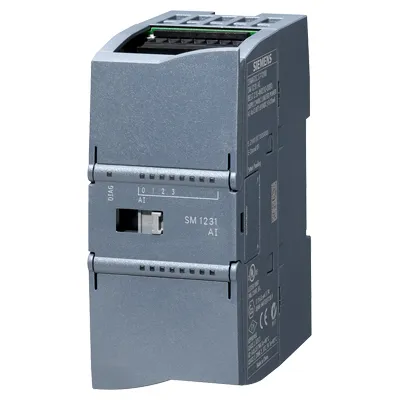
Industry Trends and Market Dynamics
The market for industrial automation components is undergoing significant evolution driven by several key trends. Firstly, the pervasive adoption of Industry 4.0 and the Industrial Internet of Things (IIoT) is necessitating greater connectivity and data exchange capabilities. This trend demands more sophisticated and higher-density analog I/O solutions that can handle a vast array of sensor data from various field devices. The transition from purely digital networks to hybrid environments that seamlessly integrate existing analog infrastructure is critical for cost-effective modernization, making the analog expansion module increasingly vital.
Secondly, the increasing focus on predictive maintenance and operational efficiency is fueling demand for modules that offer enhanced diagnostic capabilities and robust signal conditioning. This includes features like over-voltage protection, short-circuit protection, and galvanic isolation, which improve system reliability and reduce downtime. Furthermore, the push towards edge computing means that these modules are increasingly required to offer some level of local data processing and intelligent decision-making, reducing latency and bandwidth consumption to the central control system.
Lastly, the telecommunications sector, exemplified by products such as the IP Office IP500 expansion module analog trunk 16, demonstrates the continued relevance of analog interfaces for integrating traditional telephone lines (POTS – Plain Old Telephone Service) with modern Voice over IP (VoIP) systems. This ensures business continuity and leverages existing infrastructure while migrating to advanced communication platforms. The market is also seeing a drive towards modularity and hot-swappable designs, allowing for easier maintenance and system upgrades without interrupting operations.
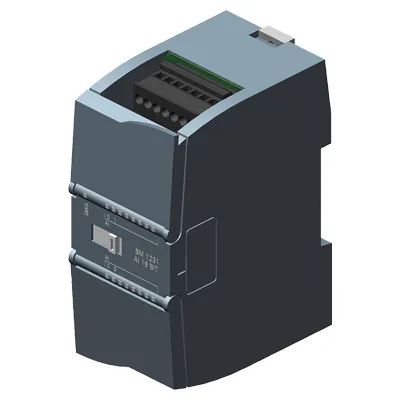
Technical Specifications and Parameters
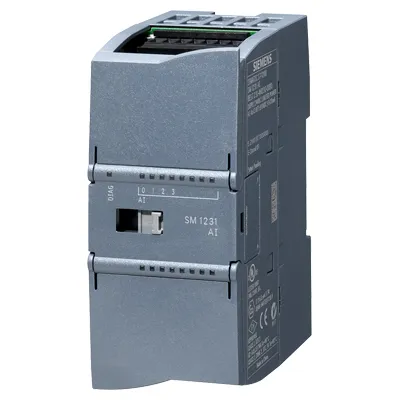
The performance and compatibility of an analog expansion module are defined by a range of critical technical specifications. Understanding these parameters is essential for selecting the right module for a specific application. Key specifications often include input/output type, resolution, sampling rate, accuracy, and isolation.
- Input/Output Type: Modules are typically categorized as analog input (AI), analog output (AO), or a combination. AI modules accept signals like 0-10V, +/-10V, 4-20mA, or 0-20mA from sensors (e.g., thermocouples, RTDs, pressure transducers). AO modules generate analogous signals to control actuators (e.g., variable speed drives, control valves).
- Resolution: Measured in bits (e.g., 12-bit, 16-bit, 24-bit), resolution determines the smallest change in an analog signal that the module can detect or generate. Higher resolution means greater precision. For a 16-bit module with a 0-10V range, the resolution is approximately 0.15 mV.
- Sampling Rate: The frequency at which the analog-to-digital converter (ADC) samples the incoming analog signal. A higher sampling rate is crucial for accurately capturing rapidly changing signals in dynamic processes.
- Accuracy: Expressed as a percentage of the full-scale range (FSR) or as a number of least significant bits (LSB), accuracy denotes how closely the module's output or reading matches the true analog value. Factors like linearity, offset error, and gain error contribute to overall accuracy.
- Isolation: Galvanic isolation separates the module's internal circuitry from the field devices, preventing ground loops and protecting against voltage spikes. This is critical in harsh industrial environments for safety and signal integrity.
- Number of Channels: Modules vary in the number of analog I/O channels they support, from 4 to 16, or even higher, depending on the controller system's expansion capabilities.
Typical Product Specification Table
| Parameter | Specification |
|---|---|
| Module Type | Analog Input (AI) / Analog Output (AO) |
| Channels | 8 configurable (AI/AO) |
| Input Voltage Range | +/- 10V, 0-10V, 0-5V |
| Input Current Range | 4-20mA, 0-20mA |
| Output Voltage Range | 0-10V (configurable) |
| Output Current Range | 4-20mA (configurable) |
| Resolution | 16-bit (Analog Input), 14-bit (Analog Output) |
| Conversion Time | ~1ms per channel (input) |
| Accuracy | +/- 0.1% FSR |
| Isolation | 2500 VDC Channel-to-Backplane, 500 VDC Channel-to-Channel |
| Operating Temperature | -20°C to +60°C |
| Certifications | CE, UL, RoHS, IEC 61131-2 |
These detailed specifications ensure that our expansion modules can perform reliably under demanding industrial conditions, providing accurate and stable data for control systems.
Manufacturing Process Flow
The production of a high-quality expansion module involves a multi-stage, precision-driven manufacturing process. This ensures the module meets stringent industrial performance, reliability, and safety standards.
Schematic Manufacturing Steps:
-
Material Sourcing & Component Fabrication:
High-grade electronic components (ADCs, DACs, microcontrollers, passive components) are sourced from certified suppliers. The housing often utilizes robust engineering plastics (e.g., Polycarbonate, ABS) or aluminum alloys, selected for their durability, thermal properties, and electromagnetic compatibility (EMC). Processes like injection molding are used for plastic enclosures, while CNC machining may be employed for metallic components, ensuring precise dimensions and structural integrity.
-
Printed Circuit Board (PCB) Assembly:
Multi-layer PCBs are fabricated with carefully designed signal traces to minimize noise and crosstalk. Surface Mount Technology (SMT) and Through-Hole Technology (THT) are used for precise component placement and soldering. Automated Optical Inspection (AOI) ensures solder joint quality and correct component placement.
-
Firmware Programming & Calibration:
The embedded microcontroller is programmed with the module's operating firmware. Critical analog I/O channels are individually calibrated using high-precision reference sources to ensure maximum accuracy across the specified operating ranges. This step is crucial for achieving the stated resolution and linearity.
-
Sub-assembly & Enclosure Integration:
The assembled PCB is securely mounted within its protective enclosure. This involves ensuring proper thermal management, electrical grounding, and securing connection terminals.
-
Environmental & Functional Testing:
Each module undergoes rigorous testing. This includes:
- Functional Testing: Verifying all I/O channels operate within specification.
- Environmental Stress Testing: Exposure to extreme temperatures, humidity, and vibration to simulate harsh operating conditions (e.g., per IEC 60068 standards).
- Electromagnetic Compatibility (EMC) Testing: Ensuring compliance with standards like IEC 61000 for immunity to interference and emissions.
- Burn-in Testing: Operating modules continuously for an extended period under load to detect early-life failures.
-
Quality Assurance & Certification:
Adherence to international quality management systems like ISO 9001 is maintained throughout the process. Products are certified against industry standards such as ANSI, IEC 61131-2 (for PLCs), and typically CE and UL marks for safety and compliance. The design and material selection target a service life of 10-15 years under typical operating conditions, often exceeding this in controlled environments.
Application Scenarios and Target Industries
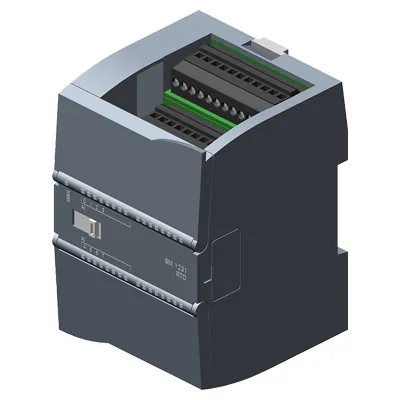
The versatility and reliability of the analog expansion module make it indispensable across a wide array of industrial and communication applications. These modules serve as critical interfaces in environments demanding precise measurement, control, and data acquisition.
- Petrochemical Industry: In oil and gas exploration, refining, and chemical processing, accurate monitoring of temperature, pressure, flow rates, and liquid levels is paramount. Analog expansion modules integrate signals from various field instruments into the control system, enabling precise process control, early detection of anomalies, and ensuring safety. Advantages include robust corrosion resistance (due to specialized coatings and housing materials) and reliability in hazardous environments, directly contributing to energy saving through optimized process control.
- Metallurgy and Mining: Foundries, steel mills, and mining operations require robust solutions for controlling furnaces, conveyors, and heavy machinery. Modules are used for monitoring motor currents, temperatures of molten metals, and stress on structural components. Their ability to withstand high temperatures and vibration is crucial here, coupled with high channel isolation to prevent electrical interference from heavy machinery.
- Water Supply & Drainage Systems: In municipal water treatment plants and wastewater management, these modules monitor water levels, flow rates, pH, and chlorine levels. They enable automated pump control, valve actuation, and chemical dosing, ensuring efficient resource management and compliance with environmental regulations. Their long service life and reliability are key for critical infrastructure applications.
- Power Generation & Distribution: Used in power plants (thermal, hydro, nuclear) and substations for monitoring generator parameters, transformer temperatures, and grid stability. High accuracy and isolation capabilities are vital for safe and efficient power management.
- Building Management Systems (BMS): For controlling HVAC systems, lighting, and security, modules gather data from temperature sensors, occupancy sensors, and pressure transducers to optimize building comfort and energy consumption.
- Telecommunications: Specifically, modules like the Avaya IP Office analog expansion module or the IP Office IP500 expansion module analog trunk 16 facilitate the integration of traditional analog telephone lines into modern IP PBX systems. This allows businesses to retain existing analog devices (fax machines, analog phones) while leveraging the advanced features of a digital communication platform, ensuring a smooth transition and preserving investment.
In these scenarios, the key advantages often translate to enhanced energy saving through optimized control, superior corrosion resistance due to industrial-grade materials, and an extended service life even in challenging conditions.
Technical Advantages and Performance Enhancements
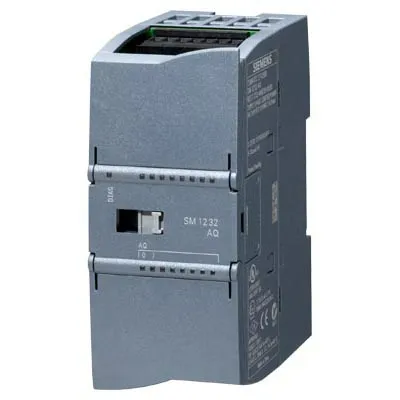
Modern expansion module designs incorporate a range of technical advantages that significantly enhance system performance, reliability, and ease of integration in demanding B2B environments.
- High-Resolution Conversion: With resolutions often reaching 16-bit or 24-bit, these modules provide exceptional precision in measuring and generating analog signals. This is critical for applications requiring fine-grained control, such as high-purity chemical processes or advanced robotics, where even minor deviations can impact product quality or operational safety.
- Robust Electrical Isolation: Galvanic isolation prevents ground loops and protects the control system from harmful voltage transients originating from field devices. This enhances signal integrity, extends module lifespan, and improves overall system safety, especially in electrically noisy industrial settings.
- Advanced Signal Conditioning: Many modules incorporate built-in features such as filtering (e.g., anti-aliasing filters), linearization (for thermocouples or RTDs), and offset/gain adjustment. These features reduce the need for external signal conditioning hardware, simplifying wiring, reducing costs, and improving measurement accuracy.
- Wide Operating Temperature Range: Designed to function reliably in extreme industrial conditions, with typical operating temperatures ranging from -40°C to +70°C, ensuring stable performance in unconditioned plant environments.
- Diagnostic Capabilities: Modern modules often include advanced diagnostics, such as wire-break detection, short-circuit detection, and range violations. This enables proactive maintenance, faster troubleshooting, and reduced downtime, directly contributing to higher operational efficiency.
- Enhanced Electromagnetic Compatibility (EMC): Compliance with stringent EMC standards (e.g., IEC 61000 series) ensures immunity to electromagnetic interference and minimizes emissions, guaranteeing reliable operation in close proximity to other electronic equipment and power systems.
- Hot-Swappable and Modular Design: Many systems support hot-swappable analog expansion modules, allowing for replacement or upgrade without shutting down the entire control system. This minimizes production interruptions and simplifies maintenance procedures.
Vendor Comparison and Market Landscape
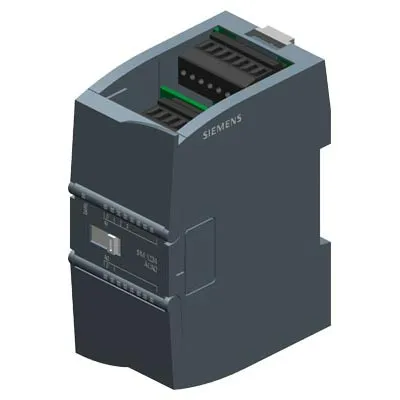
The market for analog expansion modules is diverse, with several prominent manufacturers offering solutions tailored to various industrial ecosystems. While core functionalities are similar, differentiation often lies in system integration, advanced features, ruggedization, and pricing models.
Comparison Table of Leading Analog Module Vendors
| Feature/Vendor | Vendor A (e.g., Siemens) | Vendor B (e.g., Allen-Bradley/Rockwell) | Vendor C (e.g., WAGO/Phoenix Contact) | Tianjin Yongkai (Our Product) |
|---|---|---|---|---|
| Primary PLC/DCS Integration | SIMATIC S7 series | ControlLogix, CompactLogix | Modular I/O Systems, various PLCs | Broad compatibility (e.g., S7-200, S7-300, S7-1200, Avaya IP Office) |
| Channel Count (Typical) | 4, 8, 16 | 4, 8, 16 | 2, 4, 8, 16 | Up to 16, configurable |
| Resolution (Typical) | 12-16 bit | 16 bit | 12-16 bit | 16-bit (AI), 14-bit (AO) |
| Isolation | Galvanic (channel-to-backplane) | Galvanic (channel-to-channel, channel-to-backplane) | Galvanic (various levels) | High Galvanic (2500 VDC) |
| Advanced Diagnostics | Yes, integrated into TIA Portal | Yes, integrated into Studio 5000 | Varies by series, some advanced | Comprehensive diagnostics (wire-break, short-circuit, range) |
| Cost-Effectiveness | High initial investment | High initial investment | Medium, good value for specific applications | Highly competitive, strong performance-to-price ratio |
| Special Features | System-integrated diagnostics, robust engineering | Premier integration, wide product portfolio | Decentralized I/O, compact design | Versatile configuration, robust build for harsh environments, extended operating temp |
Our offerings, exemplified by the modules at Tianjin Yongkai, strike a balance between high-end performance, robust industrial design, and cost-effectiveness. We focus on providing solutions that integrate seamlessly with existing infrastructure while delivering modern capabilities and reliability across various platforms, including specialized telecom solutions.
Customized Solutions and Application Case Studies
Understanding that no two industrial applications are identical, Tianjin Yongkai specializes in providing tailored analog expansion module solutions. Our engineering team works closely with clients to configure modules that precisely meet their unique operational requirements, whether it involves specialized input/output ranges, specific communication protocols, or enhanced environmental protections. This commitment to customization ensures optimal performance and maximum return on investment for our partners.
Application Case Study 1: Large-Scale Water Treatment Plant Modernization
A major municipal water treatment facility faced challenges integrating its aging analog sensor infrastructure with a new, centralized SCADA system. The existing pressure transducers, flow meters, and chemical dosing pumps used a mix of 0-20mA and 0-10V signals. Tianjin Yongkai provided a series of custom-configured 16-channel analog input modules with built-in linearization functions for pH and turbidity sensors. The modules featured extended operating temperature ranges and conformal coating for enhanced corrosion resistance, critical in humid, chemical-rich environments. The integration resulted in a 30% reduction in manual data collection, improved process control leading to a 15% reduction in chemical consumption, and achieved compliance with stringent ISO 14001 environmental management standards.
Application Case Study 2: Petrochemical Refinery Process Optimization
A petrochemical client required a solution to enhance the precision control of a fractional distillation column, which involved monitoring numerous temperature and pressure points across various stages. Standard off-the-shelf modules lacked the required channel density and the specific isolation necessary for intrinsic safety in explosive atmospheres. Our team designed a custom 24-channel analog expansion module with enhanced galvanic isolation (certified to ATEX standards for Zone 2 applications) and integrated cold-junction compensation for thermocouple inputs. This solution enabled real-time, high-accuracy data acquisition, leading to a 7% increase in product yield, a 5% reduction in energy consumption through optimized heating, and significantly improved safety compliance, exceeding API 521 standards.
Application Case Study 3: Avaya IP Office Analog Trunk Integration
A mid-sized enterprise using an Avaya IP Office 500 system needed to expand its communication capabilities by integrating legacy analog fax lines and several specialized analog phones for secure areas. Instead of a complete overhaul, they sought a cost-effective solution to bridge these systems. We supplied a tailored Avaya IP Office analog expansion module, specifically an IP Office IP500 expansion module analog trunk 16, which provided 16 analog ports. This allowed seamless connectivity for their existing analog devices, preserving investment and ensuring uninterrupted communication services without compromising the advanced features of their IP-based system. The module's plug-and-play compatibility and robust design ensured quick deployment and reliable operation, minimizing disruption to business operations.
Trustworthiness: FAQ, Lead Time, Warranty & Support
Frequently Asked Questions (FAQ)
Q: What is the typical lead time for an analog expansion module?
A: Standard modules are typically in stock and can be shipped within 3-5 business days. For customized solutions or larger bulk orders, lead times usually range from 2-4 weeks, depending on complexity and quantity. We communicate precise lead times at the time of quotation.
Q: What warranty do you offer on your products?
A: All our expansion modules come with a standard 2-year limited warranty, covering manufacturing defects and material failures under normal operating conditions. Extended warranty options are available upon request for specific projects.
Q: Do you provide technical support for integration and troubleshooting?
A: Yes, we offer comprehensive pre-sales consultation and post-sales technical support. Our experienced engineers are available via phone, email, or remote assistance to help with product selection, system integration, configuration, and troubleshooting to ensure seamless operation of your modules.
Q: Are your modules compatible with various PLC brands?
A: Our product range includes modules designed for compatibility with leading PLC/DCS platforms such as Siemens, Rockwell Automation (Allen-Bradley), Schneider Electric, and Omron. For specific compatibility inquiries, please consult our technical datasheets or contact our support team.
Lead Time & Fulfillment Details
Tianjin Yongkai maintains robust supply chain management to ensure efficient order fulfillment. Our standard inventory for popular analog expansion module configurations allows for rapid deployment. For large-scale projects or bespoke designs, we work closely with clients to establish realistic production schedules and delivery milestones, typically utilizing global logistics partners for expedited shipping. We pride ourselves on transparent communication regarding order status and delivery expectations.
Warranty Commitments
Our commitment to quality is reflected in our warranty policy. Beyond the standard 2-year warranty, options for extended coverage are available to provide long-term peace of mind for critical applications. This warranty covers material and workmanship defects, ensuring that your investment in our expansion modules is protected. Claims are processed swiftly by our dedicated customer service team, aiming to minimize any potential operational impact.
Customer Support Information
Tianjin Yongkai is dedicated to providing unparalleled customer support. Our expert team is available to assist with everything from initial product selection and system design to post-installation support and troubleshooting.
- Technical Hotline: Available during business hours for immediate assistance.
- Email Support: Responsive support for detailed inquiries and documentation requests.
- Online Resources: Access to comprehensive datasheets, user manuals, and application guides on our website.
- On-site Support: For complex installations or troubleshooting, on-site engineering support can be arranged.
Conclusion
The analog expansion module remains a cornerstone of effective industrial automation and communication infrastructure, bridging the gap between legacy analog systems and modern digital control architectures. Its critical role in precision data acquisition, robust control, and seamless integration of diverse field devices cannot be overstated. From the rigorous manufacturing processes ensuring reliability and longevity to the profound impact on operational efficiency, safety, and cost savings in sectors like petrochemicals, metallurgy, and water treatment, these modules are pivotal. With a focus on advanced technical specifications, customizable solutions, and unwavering customer support, Tianjin Yongkai provides high-performance analog expansion modules that empower industries to achieve greater levels of automation and connectivity.
References
- International Electrotechnical Commission (IEC). IEC 61131-2: Programmable controllers - Part 2: Equipment requirements and tests.
- International Organization for Standardization (ISO). ISO 9001: Quality management systems.
- Institute of Electrical and Electronics Engineers (IEEE). IEEE 1451: Standard for Smart Transducer Interface for Sensors and Actuators.
- Avaya Inc. Avaya IP Office Technical Reference Manuals.
- Process Control and Automation Handbook, 5th Edition. Elsevier, 2018.