Comprehensive Guide on VFD for Single Phase Motor Price – Benefits, Trends & Vendors
Understanding VFD for Single Phase Motor Price: What You Need to Know
Variable Frequency Drives (VFDs) designed for single phase motors might not sound like the most glamorous topic at first blush, but they’re quietly shaping a lot of the efficiency gains and energy savings across industries—and that makes understanding their pricing pretty important on a global scale. Whether you're running a small workshop, an agricultural operation, or even supporting humanitarian relief projects, knowing about vfd for single phase motor price can impact your bottom line and sustainability goals.
Why It Matters Globally
Globally, motors consume nearly half of all electrical energy in industry (according to the International Energy Agency). Single phase motors, although less powerful than three phase types, are prevalent in residential and light industrial settings worldwide. Introducing VFDs to control these motors enhances energy efficiency dramatically—with ripple effects for carbon emissions, operational costs, and even grid stability. But pricing is often a sticking point, especially in developing economies or remote locations where budgets are tight.
Understanding the cost factors behind VFDs for these motors can equip buyers and engineers with better decision-making power, ensuring technologies that contribute to sustainable industrial modernization are accessible.
Defining VFD for Single Phase Motor Price
Simply put, a Variable Frequency Drive is an electronic controller that adjusts the speed and torque of an electric motor by varying the frequency and voltage of its power supply. When tailored for single phase motors, it means managing smaller-scale motors common in home appliances or small machinery.
The “price” aspect refers to the cost not just of the hardware itself, but the related expenses such as installation, maintenance, and potential long-term savings from energy efficiency. In modern industry, this cost-benefit analysis is crucial because the integration of VFDs often translates to enhanced equipment lifespan, improved process control, and reduced energy waste.
Core Factors Influencing VFD for Single Phase Motor Price
1. Power Rating and Capacity
The size and power output of the motor greatly influences the cost of the VFD. Higher horsepower or wattage ratings usually mean pricier drives, partly due to more robust circuitry and cooling systems required.
2. Build Quality and Durability
In dusty or humid environments, for example, VFDs need to be rugged and sealed to prevent failure. Industrial-grade components come at a premium, but they pay off with longevity.
3. Technology and Features
Basic VFDs might control speed only, while advanced units include communication protocols (like Modbus or CAN), fault diagnostics, and even energy monitoring—features that affect price.
4. Brand and Vendor Reputation
Brands with proven reliability and service networks tend to charge more, but that also means support and warranty are usually better. This is a classic case of paying for peace of mind.
5. Regional Market Factors and Supply Chain
Prices vary depending on imports, taxes, and local manufacturing. For instance, in East Asia, competitive manufacturing and component availability often lower costs relative to Latin America or Africa.
| Specification | Typical Range | Notes |
|---|---|---|
| Power Rating | 0.5 - 3 HP | Most single phase motor VFDs fall here |
| Input Voltage | 110 - 240 VAC | Depends on regional standard |
| Control Type | Microprocessor-based PWM | Standard control technology |
| Typical Price Range | $70 - $250 USD | Depends on features and brand |
Mini takeaway: Price is not just about the upfront cost. When considering a vfd for single phase motor price, one should think about durability, technology, and after-sales support too.
Global Applications and Use Cases
VFDs for single phase motors get used across many industries, often behind the scenes. In rural agriculture, for example, they control pumps for irrigation, improving water use efficiency. Manufacturing workshops rely on them to regulate conveyor speeds to optimize throughput without haphazard stops.
Oddly enough, humanitarian organizations have also found value: in remote relief camps, VFDs help regulate air-conditioning units or water pumps, keeping energy consumption predictable—vital when generator fuel is limited.
Regions like Southeast Asia, Latin America, and parts of Africa are seeing growing adoption, particularly where energy efficiency incentives or grid reliability become priorities.
Vendor Comparison: Key Players in the VFD Market for Single Phase Motors
| Vendor | Price Range (USD) | Notable Features | Warranty & Support |
|---|---|---|---|
| Delta Electronics | $80 - $220 | Compact design, energy monitoring | 3 years, global support |
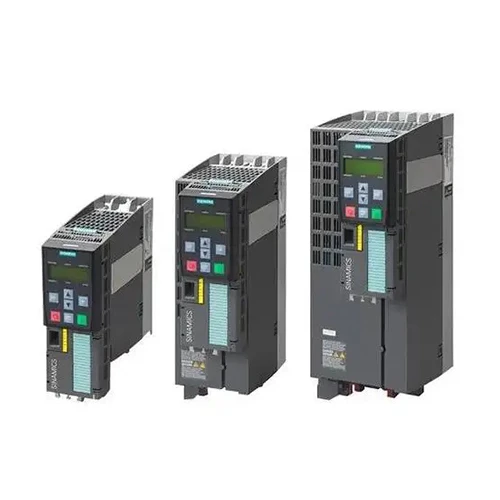
| Siemens | $150 - $250 | Advanced communication protocols | 5 years, extensive service network |
| Tianjin Yongkai | $70 - $180 | Cost-effective, reliable basics | 2 years, regional support |
For readers seeking specific price updates or detailed specs, I suggest checking vfd for single phase motor price listings directly — as prices can shift with market dynamics.
Advantages & Long-Term Value
Embracing VFDs is about more than cost-saving on your electricity bill (though that's a big part). Improved motor control means less mechanical wear and tear, leading to longer equipment lifetimes.
On an emotional level, using these devices feels responsible—like contributing to a greener planet and trusting in proven tech rather than guesswork. In practical terms, the ability to fine-tune motor performance enhances workplace safety, reducing sudden starts/stops that can endanger operators.
Future Trends & Innovations
Digital transformation is the buzzword nobody can avoid. Expect VFDs integrated with IoT sensors to become standard soon, giving live performance data and predictive maintenance alerts, which will further lower downtime.
Green energy integration is notable—more solar or wind-powered sites are pairing with VFDs to maximize energy efficiency, especially on single phase grids common in off-grid or rural areas.
Challenges & Solutions
One challenge is electromagnetic interference (EMI), which can disrupt sensitive equipment nearby. Modern VFDs increasingly incorporate shielding and filtering to tackle this, but proper installation practice is key.
Another is the initial cost hurdle, which can be offset by phased implementation and financing solutions, including vendor leasing or government subsidies in some regions.
FAQ: Frequently Asked Questions About VFD for Single Phase Motor Price
- Q: Why is the price of a VFD for single phase motors higher than expected?
A: Pricing reflects not just the device but features, build quality, and support. Cheaper options might lack durability or advanced controls, costing more in the long run. - Q: Can I install a VFD for a single phase motor myself to save money?
A: While smaller units are user-friendly, correct installation is crucial for safety and efficiency. Professional installation is recommended to avoid damage or voided warranty. - Q: How much energy savings can I expect using a VFD?
A: Savings vary by application, but studies have shown 10–30% reductions in electricity consumption by matching motor speed to load exactly. - Q: Are there eco-friendly VFD products on the market?
A: Yes, many manufacturers emphasize eco-conscious designs, with energy-efficient components and recyclable materials.
Conclusion: Why Keep an Eye on VFD for Single Phase Motor Price?
To wrap things up, the long-term benefits of integrating VFDs in single phase motor applications far outweigh the initial price considerations when viewed through the lens of reliability, sustainability, and operational efficiency. They’re more than just a component—they’re a step toward a smarter, greener future.
If you want to learn more or get the latest vfd for single phase motor price, I encourage you to visit our website and explore your options.
Final thought: Technology’s progress is often subtle, but it quietly transforms our industries and lives. VFDs for single phase motors exemplify that perfectly.