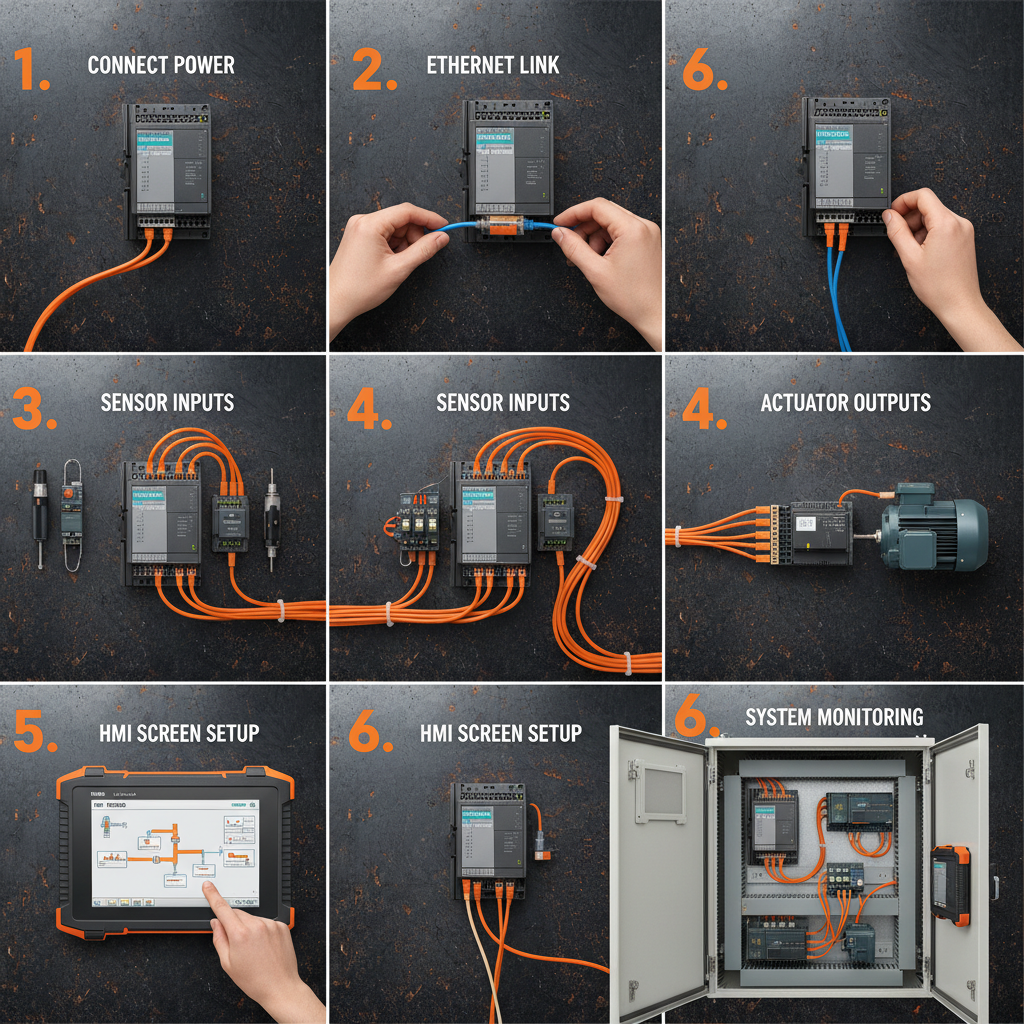
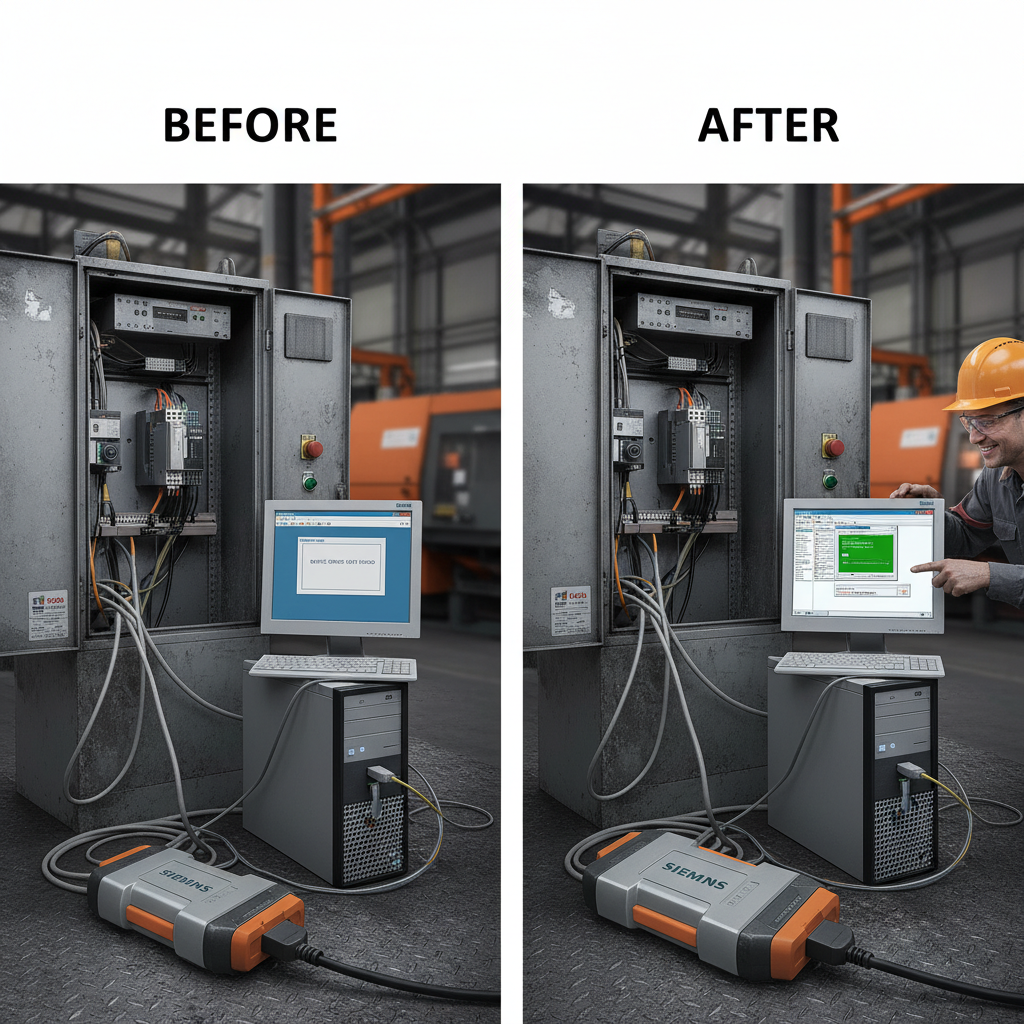
Efficient VFD 220V to 380V Drives for Industrial Control & Energy Saving
Understanding VFD 220V to 380V: Why It Matters Globally
In the world of industrial automation and electrical systems, the term vfd 220v to 380v might sound technical, but it carries significant weight in how industries optimize power use and efficiency globally. Simply put, a Variable Frequency Drive (VFD) that steps from 220 volts to 380 volts allows for better control of electric motors operating at different voltages—empowering industries to cut costs, reduce energy waste, and improve motor longevity.
At a glance, this might seem niche, but when you consider how much electricity industries consume worldwide—accounting for nearly 50% of global power demand (International Energy Agency)—the role of such drives becomes clear. Implementing efficient VFDs can reduce electrical losses, help grid stability, and contribute to sustainability goals. So understanding and harnessing vfd 220v to 380v technology isn’t just a technical exercise; it’s a stepping stone for greener and smarter industrial growth.
A Worldwide Perspective: The Global Need for VFD 220V to 380V Solutions
Turn on a factory in Europe, a water pump station in Asia, or a ventilation system in South America, and the odds are good it’s running some form of motor controlled by a VFD. According to the International Energy Agency (IEA), motor systems consume almost half of the world’s electricity in the industrial sector—highlighting how critical proper motor control is for energy efficiency and cost savings.
Yet, voltage disparities across regions complicate matters. Many countries standardize at 220V or 380V AC supply lines, which means adapting equipment designed for one to work reliably and efficiently on the other is a common challenge faced by global manufacturers and users alike. That’s precisely where VFDs stepping voltage from 220V to 380V fit in—bridging infrastructure differences, maximizing performance, and keeping things safer and smoother.
Oddly enough, for smaller businesses or remote installations, trying to run a 380V motor on a 220V network can lead to underperformance or even damage. Conversion and control are crucial.
What Exactly Is a VFD 220V to 380V?
At its core, a variable frequency drive (VFD) adjusts the frequency and voltage supplied to an electric motor—the two parameters dictating motor speed and torque. When we talk about a VFD 220v to 380v, it usually refers to a drive that can accept a 220V input and drive a motor that requires 380V output, often through an inbuilt transformer or voltage boosting circuit.
This tech enables flexibility and control, allowing for precise speed tuning, reduced mechanical stress, and energy savings compared to direct-on-line starters. In modern industry, especially in sectors like manufacturing, water treatment, HVAC, and mining, this flexibility is essential. It also meets humanitarian needs when deploying equipment in varying voltage environments—think disaster relief pumping stations or mobile power units.
Mini Takeaway:
A VFD 220v to 380v offers essential adaptability, marrying electrical standards across networks while honing energy efficiency and motor control.
Key Factors Defining Effective VFD 220V to 380V Designs
1. Durability and Reliability
In real-world industrial settings, drives face harsh conditions—dust, heat, moisture, and voltage fluctuations. The best VFDs are rugged, often IP-rated, and designed for long service intervals because downtime costs can be substantial.
2. Scalability and Compatibility
Devices must handle various motor sizes—from fractional horsepower to hundreds of kW—and be compatible with different motor types and phases. It's rare to have a one-size-fits-all, so modular designs or configurable settings are invaluable.
3. Energy Efficiency
Efficiency means minimizing electrical losses through smart electronics and optimized control algorithms. Many engineers say that modern VFDs can reduce power consumption by 20-30% compared to simple fixed-speed drives.
4. User-Friendly Controls & Connectivity
Beyond just hardware, integrated digital interfaces, programmable logic controls, and even IoT connectivity aid setup, monitoring, and maintenance—critical in today's Industry 4.0 landscape.
5. Cost-Effectiveness
Sure, advanced features are great but the final tally always matters. Balancing upfront costs with long-term energy savings and reliability often shapes purchasing decisions.
Mini Takeaway:
Many factors—durability, versatility, smart controls, efficiency, and cost—must harmonize for a successful VFD 220v to 380v implementation.
Where Do These VFDs Actually Get Used? Real-World Applications
- Industrial Manufacturing: Factories adapting motors to local grids—say, Japanese machinery in Southeast Asian countries—often use 220v to 380v VFDs to run conveyor belts and pumps efficiently.
- Agricultural Irrigation: In large-scale irrigation projects in India or South America, upgrading older 220V motors to 380V via VFDs boosts water delivery efficiency.
- Disaster Relief Operations: Portable pump stations set up after floods or earthquakes need flexible power handling to suit regional voltages.
- Renewable Energy Grids: Wind turbines using VFDs to synchronize and feed power into the grid deal with voltage step-ups similar to the 220v to 380v conversion.
A Customer Insight
One mid-sized European food processor told me that switching to VFDs for their 220V input motors significantly reduced unexpected downtime and saved nearly 18% on cooling system electricity bills annually. It's one of those improvements that quietly pay dividends.
Technical Specifications: Typical VFD 220v to 380v Model
| Specification | Details |
|---|---|
| Input Voltage | AC 220V ±15% |
| Output Voltage | AC 380V ±10% |
| Power Range | 0.75 kW to 75 kW |
| Control Type | V/F (Volts per frequency), Sensorless Vector |
| Protection Class | IP54 or higher |
| Communication | Modbus, CANopen, Ethernet |
| Efficiency | >96% |
Comparing Leading VFD 220v to 380v Vendors
| Vendor | Price Range | Feature Highlights | Warranty |
|---|---|---|---|
| Alpha Drives Inc. | $500 - $4,000 | Integrated Boost Transformer, Multi-protocol comms | 3 Years |
| Beta Electric | $450 - $3,800 | Compact design, Energy-saving mode | 2 Years |
| Gamma Controls Ltd. | $600 - $5,000 | Advanced vector control, IP65 rating | 5 Years |
Why Companies and Operators Love VFD 220v to 380v Drives
There’s something almost poetic about being able to tune the pulse of a motor so precisely. Beyond just mechanical efficiency, these drives deliver huge long-term value:
- Energy Savings: Reduced energy consumption means lower bills, less stress on infrastructure, and smaller carbon footprints.
- Equipment Longevity: Soft start and speed control reduce wear on motors and connected machinery.
- Greater Control & Safety: Prevents overloading, voltage spikes, and reduces the risk of mechanical failures.
- Social & Environmental Benefits: Operators in rural or developing regions get stable, efficient power control aiding productivity and safety.
I've heard many technicians liken the sense of trust from a well-calibrated VFD to knowing your old car engine is ready to go—no surprises, just steady performance.
Looking Ahead: Innovations in VFD 220v to 380v Technology
The future feels electrifying (pun intended). With rising pressure for greener tech, upcoming VFDs integrate:
- Smart IoT Features: Real-time remote monitoring and predictive maintenance.
- Eco-Friendly Materials: Using less toxic components and recyclable parts.
- Integration with Renewable Energy: Smarter inverters working with solar and wind grids.
- Smaller Footprints: More power with less space, ideal for urban or mobile installations.
Such trends promise not only better performance but also lower environmental impact—which is nice, considering we don’t have a spare planet to switch to.
Common Challenges and Solutions
Now, I won’t sugarcoat it: working with VFDs across voltage ranges faces hurdles, including:
- Initial Costs: Higher upfront capital can deter small operations.
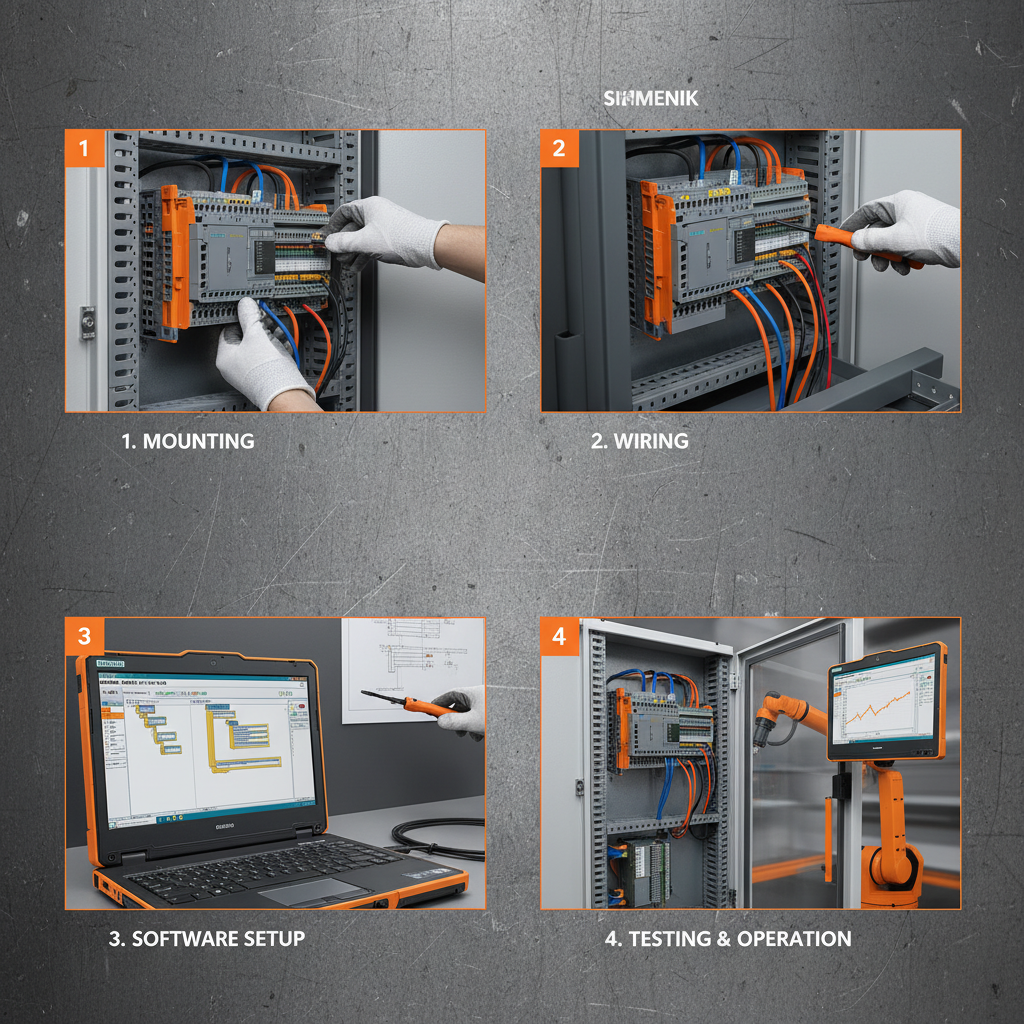
- Complex Installation: Requires specialized knowledge or certified technicians.
- EMI & Harmonics: Electrical noise can interfere with sensitive equipment if not properly managed.
But innovation has a way of easing pain points: compact integrated units, plug-and-play designs, and improved electromagnetic shielding have softened these obstacles considerably.
Frequently Asked Questions About VFD 220v to 380v
- Q1: Can I use a 220V VFD to control any 380V motor?
- A1: Not all motors are compatible. You need a VFD specially designed to boost voltage from 220V input to 380V output. Using a standard 220V VFD with a 380V motor may cause underperformance or damage.
- Q2: How much energy can I realistically save with these VFDs?
- A2: Many users report 20-30% power savings compared to direct on-line motor control, depending on load variability and operating hours.
- Q3: Are these drives suitable for harsh or outdoor environments?
- A3: Yes, but ensure the selected VFD has an appropriate IP rating (IP54 or higher) to protect against dust and moisture.
- Q4: Can I integrate VFDs with my existing industrial control systems?
- A4: Most modern drives support standard communication protocols like Modbus or Ethernet, making integration straightforward.
- Q5: How can I find a reliable supplier for VFD 220v to 380v?
- A5: Choose vendors offering solid warranties, proven track records, and good customer support. Comparing specs and user reviews is always wise.
Final Thoughts: Why Embrace VFD 220v to 380v Technology?
In a way, VFD drives that handle 220v to 380v conversion are unsung heroes of the electrified industrial era—powering everything from humble pumps to high-tech machinery while bridging regional power differences. Their ability to optimize energy, safeguard equipment, and adapt to diverse conditions makes them essential in building sustainable, efficient industrial ecosystems.
If you’re considering upgrading your system or just want to explore options, vfd 220v to 380v specialists are ready to guide you through selection and deployment for maximum value.