Motor Mounted VFD: Compact Energy Efficiency for Modern Industry
Understanding the Motor Mounted VFD: Efficiency at the Source
Motor mounted VFDs (Variable Frequency Drives) are quietly transforming how industries run their electric motors. You might wonder why we should care about this niche tech term—but frankly, it’s a linchpin in energy savings, sustainability efforts, and operational efficiency worldwide. By grasping what a motor mounted VFD is and why it matters, companies can save big on energy, reduce their carbon footprint, and improve system reliability. In a global energy landscape that’s both expensive and volatile, that’s a game-changer.
Global Context: Why Motor Mounted VFDs Matter Today
Consider this: industrial and commercial motors account for roughly 40% of global electricity consumption (source: International Energy Agency). This is massive. Now, when you directly mount the VFD on the motor itself, rather than distant control panels, efficiency and space utilization improve dramatically. Not to mention the reduced cable losses and installation costs. Worldwide, as governments tighten energy regulations and industries push sustainability goals (think ISO 50001 on energy management), motor mounted VFDs are stepping into the spotlight. Yet, many facilities still suffer from inefficiencies due to outdated controls—something a simple shift could resolve.
What Is a Motor Mounted VFD?
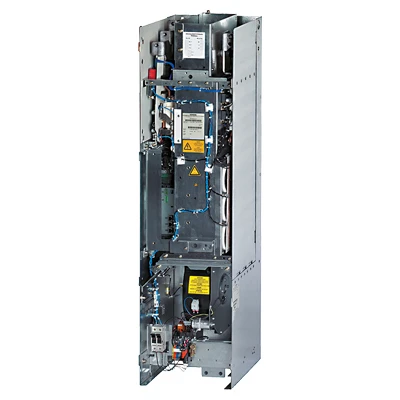
Simply put, a motor mounted VFD integrates the variable frequency drive directly onto or very near the motor housing, rather than being centralized in a control cabinet. This setup precisely controls motor speed by adjusting the electrical frequency and voltage supplied, leading to energy savings and smoother operation. It’s especially useful in applications requiring frequent speed variation or soft start/stops, like pumps, fans, and conveyors. The connection to modern industry is direct: smarter, modular, compact systems that help reduce operational bottlenecks and energy waste. For humanitarian and remote applications, the integrated design reduces complexity, making maintenance in hard-to-reach areas easier.
Core Components of Motor Mounted VFDs
1. Compact Drive Module
The heart of the system — a small, embedded inverter board — is designed to resist vibration and heat when close to the motor. It cuts down on wiring length, minimizing signal loss and interference.
2. Integrated Cooling System
Since drives generate heat, many motor mounted VFDs incorporate a cooling mechanism directly within the motor or its housing to maintain operational temperature without bulky external fans.
3. Control Interface
These drives often feature a simplified local control panel or remote communication compatibility (like Modbus or Ethernet) to allow for easy adjustments or integration into building management systems.
4. Protective Enclosure
Because outdoor or industrial motors face harsh environments, the VFD enclosure is rugged, often rated IP54 or higher, to keep dust, water, and contaminants out—boosting longevity.
Mini Takeaway:
Motor mounted VFDs pack control and protection right where the action is, improving system resilience and cutting down installation headaches.
Global Applications & Use Cases
You’ll find motor mounted VFDs sprinkled across industrial sectors worldwide. In water treatment plants in Southeast Asia, they optimize pump speeds to conserve power during off-peak hours. In the US, HVAC systems increasingly use motor-mounted drives to enhance air quality control and cut energy bills in sprawling commercial buildings. Oddly enough, in remote mining operations in Australia, the compact design simplifies installation and maintenance where wiring long distances would be challenging and costly. Humanitarian projects, like post-disaster water supply rebuilds, also benefit from these compact drives to get systems running smoothly and reliably without intensive infrastructure.
Advantages and Long-Term Value
- Energy Efficiency: Reduced cabling losses and smarter motor control trim energy use by up to 30% in some cases.
- Space Savings: Eliminates bulky control panels and extensive wiring runs.
- Maintenance Simplicity: Fewer connections mean fewer failure points and easier troubleshooting on-site.
- Environmental Benefits: Lower energy waste translates to smaller carbon footprints.
- Operational Safety: Integrated units reduce exposed wiring and associated electrical hazards.
On the emotional side, it feels reassuring to know your motor system is both efficient and future-ready, conserving resources and reducing downtime — something engineers and sustainability officers appreciate deeply.
Future Trends & Innovations in Motor Mounted VFDs
The rise of green energy and Industry 4.0 is pushing motor mounted VFDs into exciting new territory. Look for next-gen drives that incorporate IoT sensors for real-time condition monitoring, predictive maintenance, and remote diagnostics. Manufacturers are experimenting with wide bandgap semiconductors like SiC (silicon carbide) to enhance efficiency and reduce heat generation. Additionally, integration with renewable energy systems (solar or wind) means these drives will soon help manage variable power flows more intelligently. Digital twin simulations and AI-based adaptive controls are also on the horizon, making systems not just reactive but continuously optimized.
Challenges & How Experts Tackle Them
It’s not perfect, though. One challenge is thermal management—mounting drives close to the motor heats the electronics more, possibly shortening lifespan. Experts address this by designing customized cooling solutions or choosing components rated for high temps. Also, the compact nature can limit scalability for large motors, but hybrid systems with remote VFDs paired to on-motor controls are gaining ground. Noise and electromagnetic interference must be carefully mitigated through shielding and proper grounding. The good thing is ongoing R&D and better standards keep pushing these limits steadily.
Frequently Asked Questions About Motor Mounted VFD
- Q: Can motor mounted VFDs be easily retrofitted to existing motors?
- A: Many models are designed with standardized mounts and connections to retrofit existing motors, though space constraints and motor type compatibility must be confirmed first.
- Q: How do motor mounted VFDs compare to panel-mounted VFDs in terms of reliability?
- A: When properly cooled and installed, motor mounted VFDs are equally reliable, with the bonus of reducing cabling faults — but environmental factors are a key consideration.
- Q: Are motor mounted VFDs suitable for hazardous or explosive environments?
- A: Specialized drives with ATEX or IECEx certifications do exist, but standard units require additional protective measures to be safe in such environments.
- Q: What maintenance practices optimize the life of motor mounted VFDs?
- Regular inspection of drive cooling paths, firmware updates, and vibration monitoring go a long way in preserving VFD health.
Manufacturer Product Spec Table
| Model | Power Range (kW) | Cooling Type | IP Rating | Communication |
|---|---|---|---|---|
| DriveX MT-VF100 | 0.75 - 15 | Integrated Fan | IP65 | Modbus TCP |
| EcoDrive M-Compact | 1 - 22 | Liquid Cooling | IP54 | Ethernet/IP |
| VoltMaster VM-600 | 0.5 - 10 | Conduction Cooling | IP66 | Profinet |
Vendor Comparison Table
| Vendor | Global Reach | Warranty | Custom Solutions | Sustainability Certifications |
|---|---|---|---|---|
| DriveX Technologies | North America, Europe, Asia | 5 Years | Yes | ISO 14001 |
| EcoDrive Corp. | Europe, Asia, Australia | 3 Years | Limited | LEED, Energy Star |
| VoltMaster Solutions | Global | 4 Years | Yes | ISO 50001 |
Conclusion: Why Invest in Motor Mounted VFDs?
The motor mounted VFD might seem like a small technical choice, but it packs huge benefits in energy savings, reliability, and sustainability. In an era where industries must adapt quickly and responsibly, integrating the drive directly onto the motor isn’t just smarter — it’s necessary. If you’re looking at upgrading or building new infrastructure, don’t overlook the efficiencies a motor mounted VFD can offer. They’re compact, future-ready, and increasingly essential in today’s global push for cleaner, more dependable power.
Interested in how motor mounted VFDs can benefit your next project? Visit our website: https://www.tianjinyongkai.com
Final Reflection
Exploring motor mounted VFDs reveals how incremental technical refinements can ripple into substantial global impacts. It’s a classic example of how efficiency isn’t just about big machines—but smart placement and design. With the pressure on industries to clean up their act, these drives play a quietly powerful role. Oddly enough, they’re a bit like unsung heroes in electric motor control.