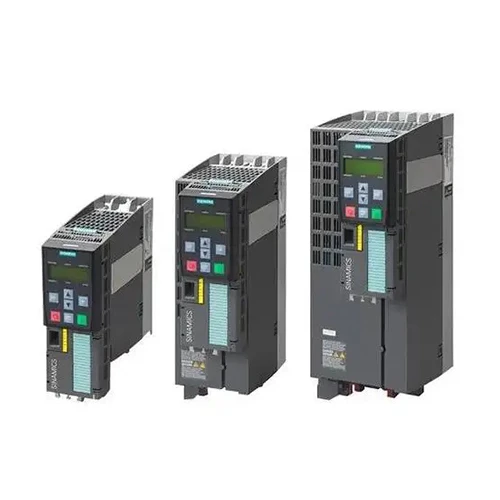
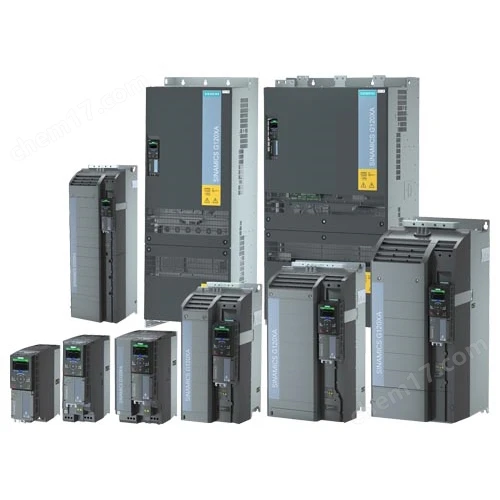
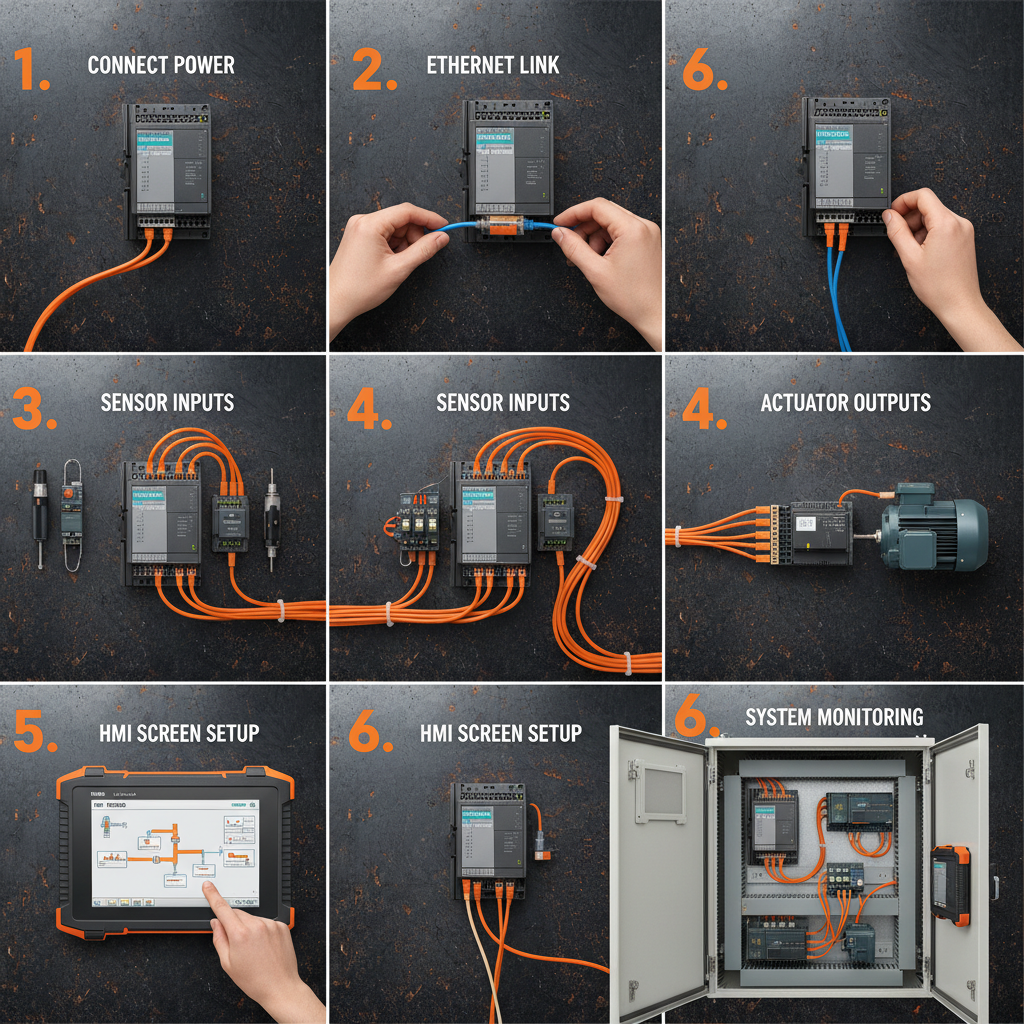
Reliable IP66 VFD Solutions for Tough Industrial Environments
Getting to Know IP66 VFD: Why It Matters Now More Than Ever
If you've ever wandered into an industrial plant or glanced at a high-tech manufacturing floor, chances are you’ve come across the magic of variable frequency drives (VFDs). Now, when someone mentions an IP66 VFD, they’re really talking about a specialized, tough-as-nails piece of equipment designed to handle harsh environments without breaking a sweat. Globally, these devices play a critical role in industries where machinery uptime and reliability come first—and with the increasing push toward automation and smarter factories, understanding what an IP66 rating truly means and why it’s paired with VFDs is more crucial than ever.
To put it mildly, mastering IP66 VFD technology can mean the difference between smooth operations and costly downtime in sectors from manufacturing hubs to remote mining sites. For engineers, procurement specialists, and operations managers, that knowledge helps optimize performance while ensuring safety and durability.
Introduction: The World Is Moving Toward More Durable Industrial Automation
Let’s zoom out a bit. According to the International Electrotechnical Commission (IEC), VFD usage is on the rise, with global demand expanding by a solid CAGR of roughly 7% over recent years. The main driver? More industries embracing digitization and energy efficiency.
But here’s the kicker: industries often operate in harsh environments—dust storms in deserts, salty sea air on offshore rigs, or entire factories where water spray is part of the cleaning process. That’s where IP66-rated equipment steps in.
IP ratings, decided by the IEC standard 60529, measure ingress protection; in this case, IP66 means the equipment is both dust-tight and protected against powerful water jets. So, pairing VFDs with IP66 housing means you get high-performance motor control that’s built to last no matter how gritty or wet the environment gets.
Oddly enough, the biggest challenge IP66 VFDs address is keeping complex electronics safe in places that seem downright hostile—a real conundrum manufacturers must solve to avoid unpredictable shutdowns or damage.
What Is an IP66 VFD - The Basics Explained
Put simply, a VFD (or variable frequency drive) adjusts the speed and torque of an electric motor by varying the supplied frequency and voltage. This leads to better energy efficiency and more precise control. Now, the ‘IP66’ bit refers to the tough enclosure wrapped around that drive.
This enclosure shields the electronics from dust ingress (code 6 means completely dust-tight) and water jets from all directions (code 6 here being powerful water jets, not just a splash).
Marrying the two concepts means you get a VFD built for challenging environments—be it outdoor setups, food processing plants with intense washdowns, or offshore oil and gas sites fraught with corrosive salty air. It’s a technological blend born of modern demands.
Mini Takeaway:
At its core, an IP66 VFD is about resilience—delivering automated motor control without fear of dust or water messing things up.
Key Components That Make IP66 VFDs Stand Out
1. Durability and Sealing
These drives feature rugged enclosures, often built from stainless steel or tough polycarbonate, sealed with gaskets and precision fittings. The goal is a watertight and dustproof shell that doesn’t compromise on heat dissipation—tricky balance but vital.
2. Thermal Management
Running a motor drive in a sealed box risks overheating, right? Manufacturers innovate with heat sinks, fans rated for IP66 or conduction cooling methods to keep things chill, ensuring the drive runs reliably for years.
3. Electrical and Mechanical Compatibility
Beyond the case, the electronics themselves are designed to function flawlessly under the stresses of humidity, vibration, and temperature swings. Surge protection and isolation components are standard to make these units job-ready globally.
4. Scalability and Integration
The best IP66 VFDs come with network-friendly interfaces—think Modbus, Profibus, or Ethernet/IP—to slot seamlessly into smart factory systems. This means you can monitor and control motors remotely without pulling apart sealed cabinets every time.
5. User-friendly Features
Despite being rugged, these drives often sport simple display panels and intuitive controls designed to be operated in gloved hands or dimly lit industrial corners.
Mini Takeaway:
- IP66 VFDs are a blend of smart engineering: robust physical protection coupled with modern connectivity and user-friendliness.
Global Applications: Where Do IP66 VFDs Truly Shine?
From what I’ve seen, IP66 VFDs find homes across some of the most demanding industries:
- Water and wastewater treatment plants: Constant exposure to spray and dust makes IP66 protections indispensable.
- Food and beverage processing: Frequent washdowns and hygiene standards require waterproof equipment.
- Mining and minerals processing: Dust-laden, rough environments with constant vibration demand durable controls.
- Marine and offshore installations: Salt spray, waves, and weather expose equipment to all manner of hazards.
- Manufacturing sites in desert or tropical climates: Dust storms or heavy rainfall can disrupt lesser devices.
If you think about post-disaster recovery operations, where temporary power and durability matter, these drives prove invaluable too. Proven suppliers like ip66 vfd manufacturers have worked with NGOs to outfit facilities operating in tough terrains with reliable motors.
Product Specification Table
| Specification | Typical Value | Unit |
|---|---|---|
| Ingress Protection | IP66 | |
| Power Range | 0.75 - 500 | kW |
| Operating Temperature | -20 to +60 | °C |
| Communication Protocols | Modbus, Profibus, Ethernet/IP | |
| Weight | 10 - 65 | kg |
Advantages and Why It’s a Wise Investment
Investing in an IP66 VFD isn’t just about ticking a compliance box. Frankly, it’s about future-proofing operations:
- Reliability: You reduce unplanned downtime due to environmental damage, saving time and money.
- Lower Maintenance Costs: Since dust and water have minimal impact, maintenance cycles lengthen, and repair costs drop.
- Energy Efficiency: Precise motor speed control means less wasted power, which aligns well with sustainability goals.
- Safety and Compliance: These devices help industries meet safety standards, boosting worker confidence.
On a more human level, knowing your equipment can withstand the messiest, toughest environments gives peace of mind. It blends innovation with practicality—two things every modern engineer values.
Future Trends in IP66 VFD Technology
Looking ahead, the industry is not standing still.
Emerging trends include:
- Integration with IoT and predictive analytics: Smart sensors combined with IP66 VFDs will help spot issues before they escalate.
- Eco-friendly materials: Bioplastics and recyclable metals are being tested to reduce environmental footprints without sacrificing quality.
- Higher energy efficiencies: Ongoing tweaks to semiconductor tech promise less heat waste and more power savings.
- Improved modular designs: Quick-swap parts will reduce downtime and simplify field repairs.
Challenges & Practical Solutions
Like anything, IP66 VFDs come with their own hurdles. Often, thermal management in sealed environments is tricky. Overheating risks, especially in hot climates, require clever engineering and sometimes external cooling.
Also, balancing cost with ruggedness can be a tightrope walk. Not every manufacturer hits the sweet spot, so buyer vigilance on specs and third-party certifications is essential.
Some plants also grapple with integration complexity, but with growing support for common communication protocols and plug-and-play designs, this is getting easier.
So yes, challenges exist, but with proper supplier partnerships and design foresight, they’re far from deal-breakers.
Vendor Comparison: Top IP66 VFD Providers
| Feature | MakePower Corp. | SafeDrive Solutions | Tianjin Yongkai (ip66 vfd) |
|---|---|---|---|
| IP Rating | IP66 | IP66 | IP66 |
| Power Range (kW) | 0.75 - 450 | 1.5 - 400 | 0.75 - 500 |
| Communication Protocols | Modbus, CAN | Ethernet/IP, Profibus | Modbus, Profibus, Ethernet/IP |
| Warranty | 3 years | 2 years | 3 years standard, extended optional |
| Price Level | High | Medium | Competitive |
Frequently Asked Questions About IP66 VFD
Q1: What environments require an IP66-rated VFD instead of standard models?
A1: IP66 VFDs are essential in dusty, wet, or corrosive environments—think outdoor installations, washdown areas, or marine sites—where standard VFDs risk damage or failure. Their robust enclosure protects critical electronics from dust ingress and powerful water jets, ensuring reliable operation.
Q2: How does the IP66 rating impact maintenance requirements?
A2: Thanks to superior sealing, IP66 VFDs generally need less frequent cleaning and experience fewer water or dust-related faults. However, it’s still vital to monitor thermal management and inspect seals regularly to maintain optimal performance.
Q3: Can IP66 VFDs be integrated into existing industrial control systems easily?
A3: Yes, many IP66 VFDs support common industrial communication protocols such as Modbus, Profibus, and Ethernet/IP, allowing them to plug into modern SCADA or PLC systems with minimal hassle.
Q4: Are IP66 VFDs more expensive than standard VFDs?
A4: While they often carry a premium due to rugged housing and specialized components, the long-term savings from reduced downtime and maintenance typically justify the investment.
Q5: Is it possible to get customized IP66 VFDs for niche industry applications?
A5: Many manufacturers, including ip66 vfd vendors, offer customization options—whether it’s specific power ranges, communication interfaces, or enclosure materials—to suit unique requirements.
Wrapping Up: Why IP66 VFDs Matter for Your Industrial Future
In real terms, investing in IP66 VFD technology means embracing a future where your machinery withstands whatever physical challenges its environment throws at it. Whether it’s a humid food plant or a remote offshore platform, these robust drives protect your operations, reduce unexpected costs, and dovetail nicely with the growing automation and sustainability trends shaping industry worldwide.
So, why not start exploring options today? For deep dives and reliable products, visit https://www.tianjinyongkai.com and see how cutting-edge IP66 VFDs can power your progress forward.