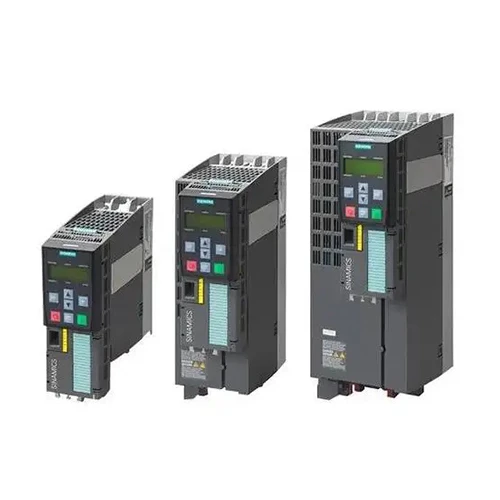
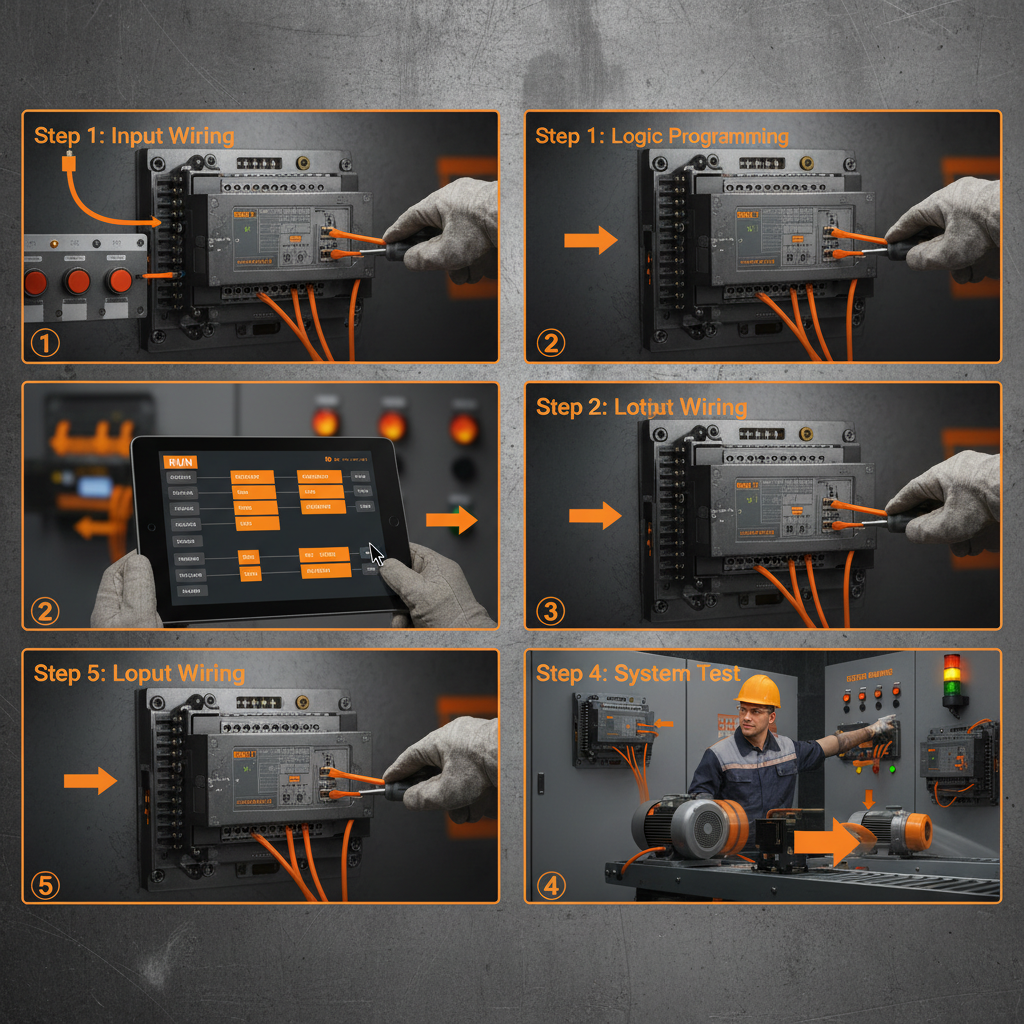
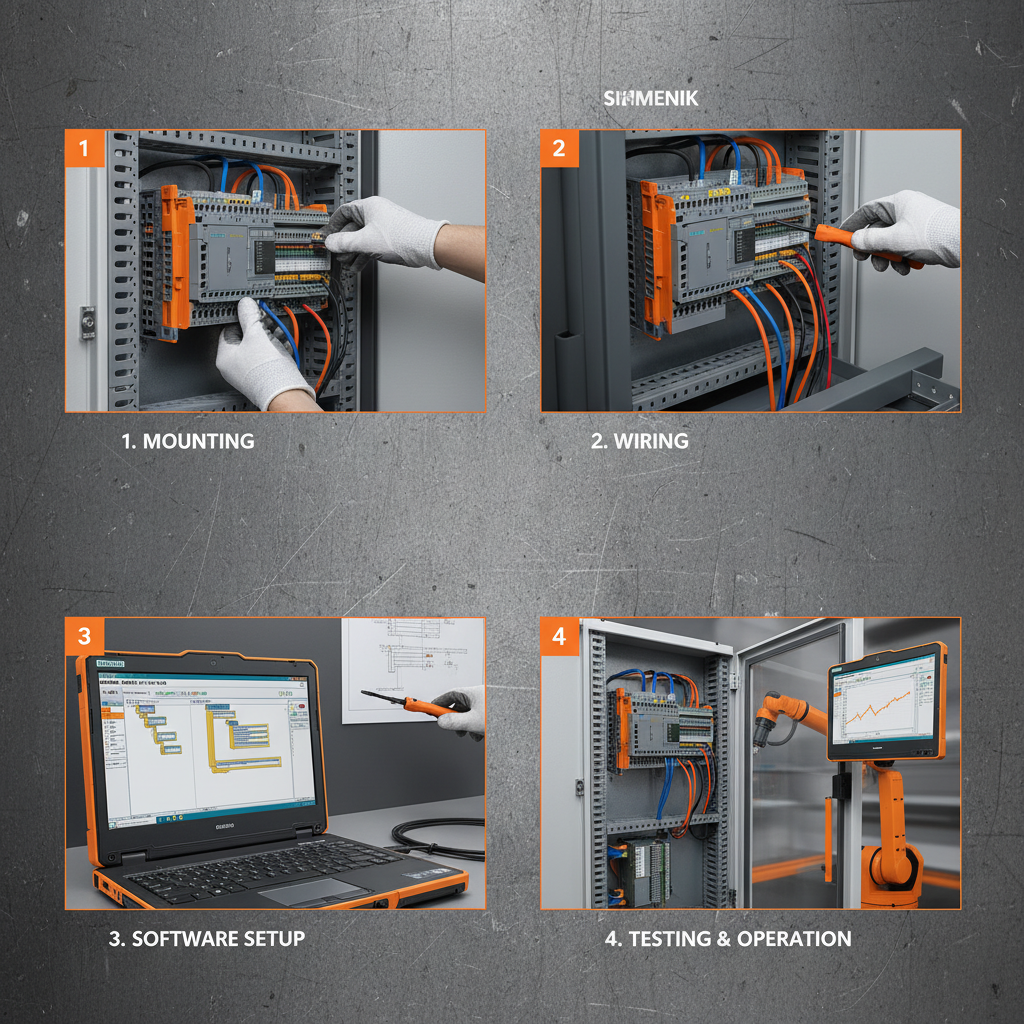
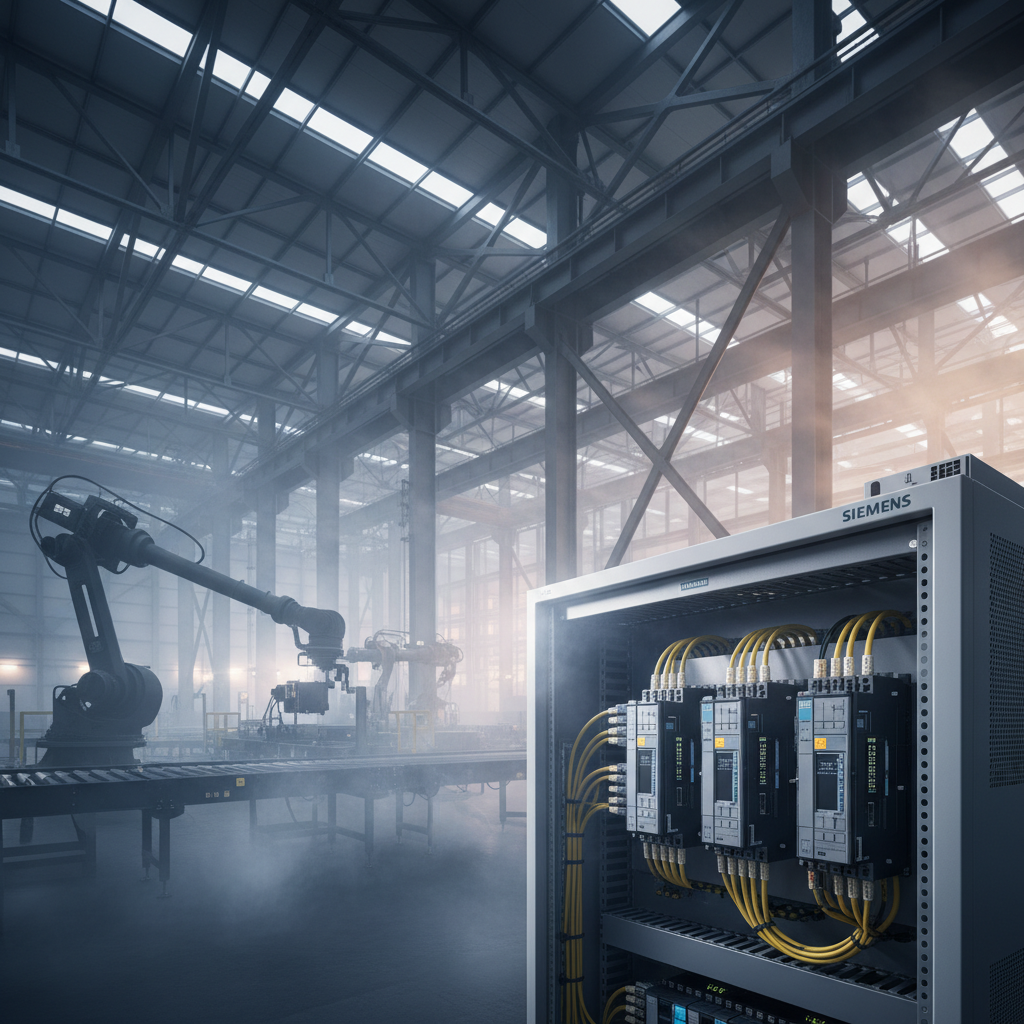
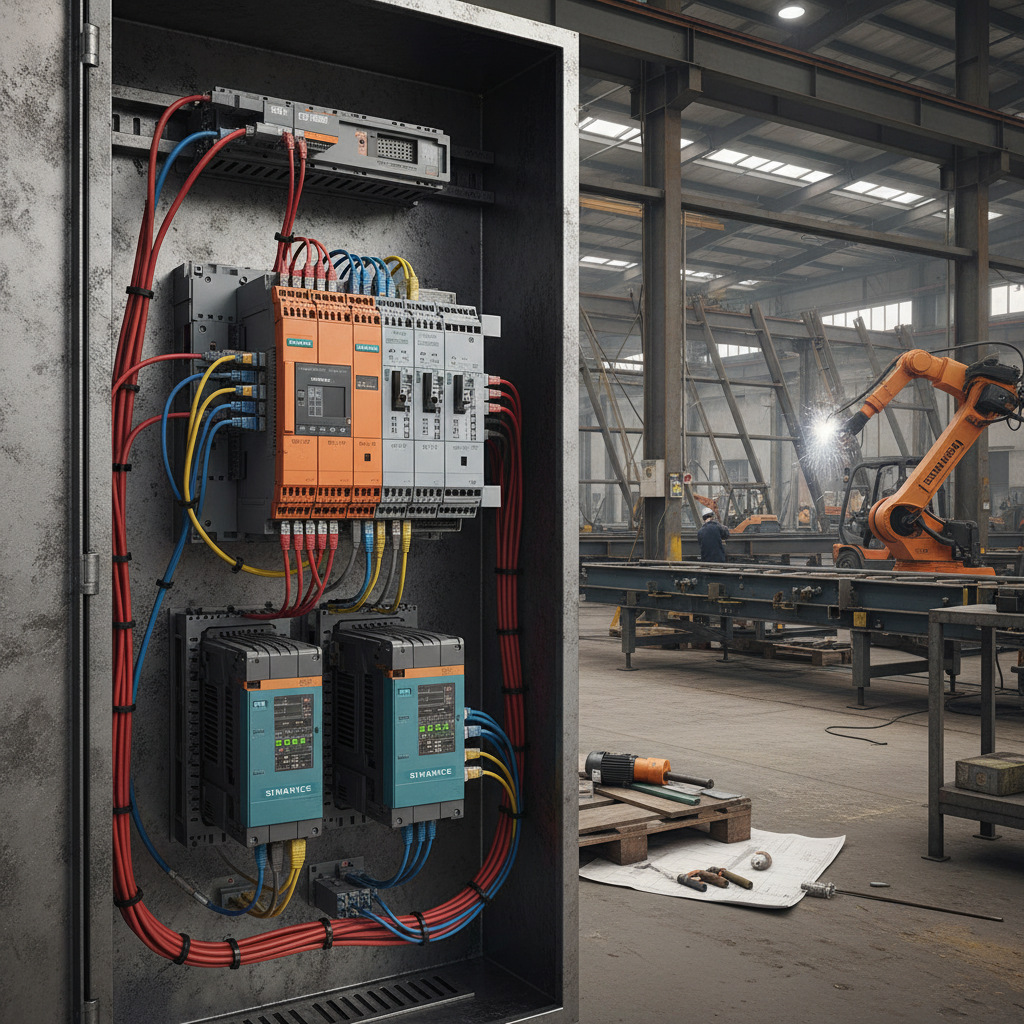
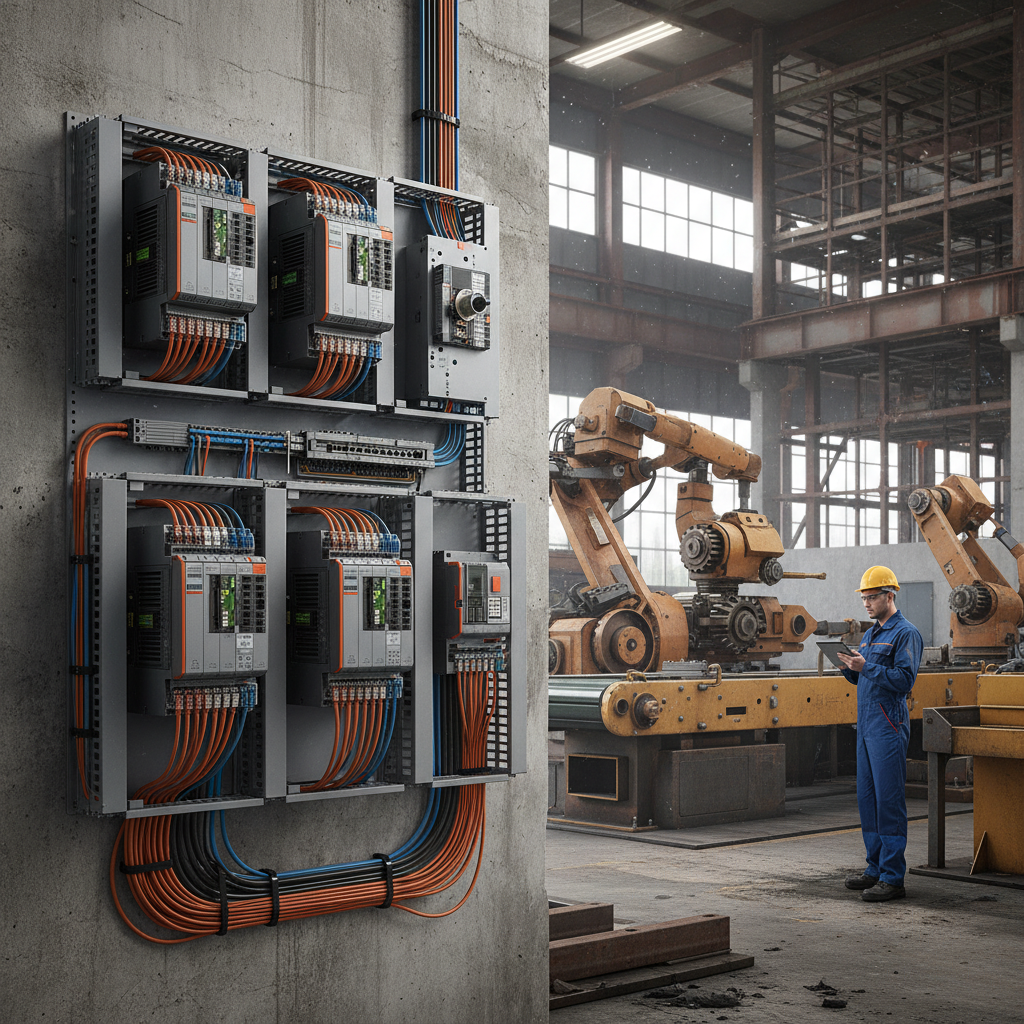
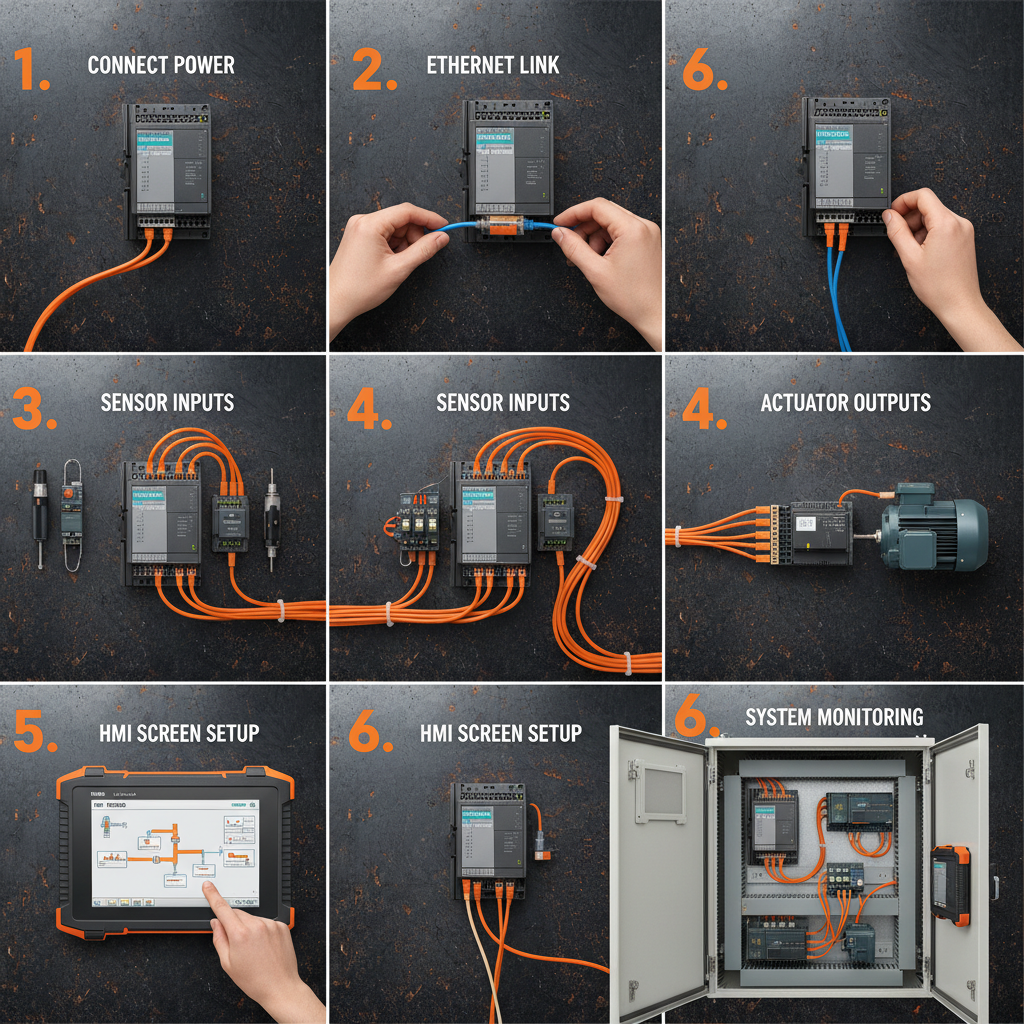
Understanding Variable Frequency Drives: Efficiency & Applications
Variable Frequency Explained: Why It’s a Global Game-Changer
Variable frequency technology might sound like dry engineering jargon, but it's quietly reshaping industries from manufacturing to energy management worldwide. At its core, it’s about controlling the speed of electric motors with precision — and that clever bit of control unlocks huge benefits: energy savings, equipment longevity, and smarter automation. In a world grappling with climate challenges and soaring energy demands, understanding variable frequency isn’t just for engineers, it’s a crucial insight for anyone invested in sustainable innovation.
So, why does this matter globally? The modern economy depends on electric motors for everything from factory lines to HVAC systems. Variable frequency drives (VFDs) can reduce electricity use by as much as 30-50% in motor-driven systems (source: International Energy Agency). That's no small potatoes when we think about global power consumption and carbon footprints. Plus, the technology’s flexibility means it’s becoming indispensable in sectors adapting to renewable energy and digital control.
The Role of Variable Frequency in Modern Industry
If you’ve ever wondered how industries keep their massive electric motors running efficiently, variable frequency technology is a core answer. According to ISO standards and reports from the World Bank, motors consume roughly 45% of global electricity used in industry, so improving their control translates into huge efficiency gains and cost savings.
But the challenge is practical: operating fixed-speed motors wastes substantial energy during partial loads. Enter variable frequency drives, which adjust the motor speed by varying the electricity frequency — essentially letting the motor "throttle" its speed gently and smartly to meet demand, instead of running full blast and wasting energy.
What Exactly Is Variable Frequency?
To cut through the jargon, variable frequency means the ability to vary the frequency of the electrical power supplied to a motor. Since motor speed is directly tied to this frequency, controlling it gives you control over how fast or slow the motor runs. It’s a bit like adjusting a car’s speed by smoothly pressing the accelerator instead of slamming it in one fixed position.
This simple concept has vast implications. In humanitarian contexts, for example, pumping clean water via motor-driven systems with variable frequency means energy-efficient and consistent delivery — a life-saver in remote or disaster-hit regions. Industrially, it reduces wear and tear, lowers noise, and boosts productivity.
Key Factors Influencing Variable Frequency Performance
1. Energy Efficiency
Variable frequency drives cut down excess power consumption by adjusting motor speed according to actual load, rather than running continuously at fixed rates. This flexibility means remarkable energy savings, sometimes reducing energy use by half.
2. Precision and Control
Modern VFDs offer granular speed adjustments and torque control, which is vital in processes where timing and speed affect quality and safety — think conveyor belts, HVAC fans, and pumps.
3. Durability and Maintenance
Because the motor isn’t constantly running at max speed, there’s less mechanical stress, extending equipment life and reducing costly downtime and repairs.
4. Integration & Scalability
Variable frequency solutions increasingly come compatible with digital monitoring and IoT platforms, making it easier to scale operations and integrate into smart factories.
Popular Variable Frequency Applications Around the World
Variable frequency technology is everywhere — from urban skyscraper HVAC systems in North America to irrigation pumps in sub-Saharan Africa. Here are a few practical snapshots:
- Manufacturing plants in Germany use VFDs extensively to optimize conveyor belt speeds, reducing energy use and improving throughput.
- Water treatment facilities in India implement variable frequency pumps to maintain consistent pressure while saving power.
- Wind turbine systems globally use frequency converters to handle variable speeds, integrating seamlessly with grid demands.
- Post-disaster relief organizations rely on portable motors with variable speed control to provide reliable power to pumps and ventilators where fixed-speed equipment would falter.
Variable Frequency Drives: Specifications at a Glance
| Specification | Details |
|---|---|
| Input Voltage Range | 200 – 480 V AC |
| Output Frequency Range | 0 – 400 Hz |
| Power Capacity | 1 HP – 1000 HP |
| Control Options | V/F control, Vector control, Sensorless vector |
| Communication Interfaces | Modbus, Profibus, Ethernet/IP |
| Protection Features | Overload, short circuit, thermal protection |
Comparing Leading Variable Frequency Drive Vendors
| Vendor | Energy Efficiency | Smart Features | Price Range | Customer Support |
|---|---|---|---|---|
| Brand A | High (Up to 97%) | Advanced IoT integration | $$$ | 24/7 global support |
| Brand B | Moderate (92-95%) | Basic automation | $$ | Business hours support |
| Brand C | High (Up to 96%) | Cloud monitoring | $$$ | Regional 24/7 support |
Why Variable Frequency Drives Offer Long-Term Value
Beyond the immediate energy savings, variable frequency systems provide a ripple effect of benefits. The reduction in mechanical wear not only saves maintenance costs but also translates to less industrial downtime — which is often the real hidden cost. From a social perspective, the sustainability angle cannot be overstated: less energy waste means a smaller carbon footprint, contributing to cleaner cities and safer communities.
Psychologically, businesses adopting variable frequency technology often report greater trust among clients, as sustainability commitments become a tangible part of their brand. I’ve had a few friends in the industry mention how "going green" in this way opened doors to new markets and partnerships — it’s almost like a quiet revolution.
Looking Ahead: Innovations Shaping Variable Frequency Technology
The future’s bright and a little digital. We’re witnessing stronger integration between variable frequency drives and artificial intelligence-powered systems that predict load needs and adjust motor speed in real-time. Renewable energy inputs, like fluctuating solar or wind power, can be better managed with the flexibility that variable frequency offers.
Material innovations also mean lighter, smaller drives capable of handling high power with greater durability. Policies focusing on green energy incentives further stimulate adoption — the industry won't slow down anytime soon.
Challenges to Embrace and How Experts Tackle Them
Of course, it's not all smooth sailing. Variable frequency drives can sometimes face issues like harmonic distortion impacting power quality or relatively high upfront costs discouraging small businesses. Installation complexity also requires skilled technicians.
However, advances in harmonic filters, modular designs, and user-friendly interfaces are helping to mitigate these barriers. Leasing options and government incentives improve accessibility. And ongoing education is key — many companies now invest heavily in training, with encouraging results.
FAQ: Practical Questions on Variable Frequency
- Q1: How does variable frequency improve energy consumption compared to fixed-speed motors?
- Variable frequency drives adjust motor speed to meet actual load demand, reducing wasteful full-speed operation and lowering energy use by up to 50% in many applications.
- Q2: Are variable frequency drives suitable for harsh or remote environments?
- Yes, many VFDs are designed with robust enclosures and cooling to operate reliably in tough conditions, making them ideal for remote industrial or humanitarian projects.
- Q3: Can variable frequency systems integrate with smart factory setups?
- Modern frequency converters support communication protocols like Modbus and Ethernet/IP, enabling seamless integration into digital automation and IoT monitoring platforms.
- Q4: What maintenance is required to keep variable frequency drives operating efficiently?
- Regular cleaning, firmware updates, and monitoring of key parameters like temperature and vibration help maintain performance and extend equipment lifespan.
Wrapping It Up: Embracing Variable Frequency for a Smarter Tomorrow
Variable frequency drives offer a pragmatic and forward-thinking solution to one of the world’s largest energy consumers — electric motors. Their benefits ripple across financial, environmental, and operational domains. If your business or project needs to cut costs, enhance sustainability, or simply gain precise control over processes, exploring variable frequency technology is a no-brainer.
Curious to see how these drives can transform your operations? Visit our website, https://www.tianjinyongkai.com, for expert guidance and tailored solutions.