Variable Speed Drive Price List – Industry Insights & Vendor Comparison
Understanding variable speed drive price list: What I’ve learned on the plant floor
Having spent over a decade under the buzzing hum of industrial equipment, it’s interesting to see how variable speed drives (VSDs)—those clever devices that control motor speed and torque—have evolved and, frankly, how their pricing shapes project decisions. Variable speed drives have become vital for energy savings and fine-tuning mechanical operations. But if you’re on the lookout for a variable speed drive price list, you’ll soon notice it’s never just about the sticker price.
Oddly enough, the price you see doesn’t always capture installation complexities, required certifications, or post-sale support—all critical in industrial environments. I suppose that's why engineers and project managers often spend hours balancing cost, quality, and specs before making a decision.
Let me share what I’ve personally observed about how these drives are priced and what features influence those numbers.
Breaking Down Variable Speed Drive Pricing
Prices for VSDs depend mainly on the power rating (measured in kW or HP), voltage class, environmental protection standards (IP ratings), and whether they offer advanced control features like vector control or regenerative braking. It’s kind of like buying a car—you don’t just pay for the engine size but also for optional tech, safety, and reliability.
For instance, a basic 5.5 kW (7.5 HP) drive for general-purpose motor control will be significantly cheaper than a ruggedized 75 kW drive with a built-in PLC (programmable logic controller) for heavy-duty usage in a dusty or damp environment.
| Model | Power (kW) | IP Rating | Control Type | Approx. Price (USD) |
|---|---|---|---|---|
| Yongkai VK5 | 5.5 | IP20 | V/F Control | $350 |
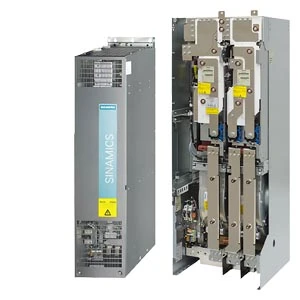
| Siemens SINAMICS G120 | 7.5 | IP21 | Vector Control | $850 |
| Allen-Bradley PowerFlex 525 | 11 | IP20 | Sensorless Vector | $1200 |
| Yongkai VK50 | 75 | IP55 | Vector Control | $4,200 |
When a colleague of mine recently procured a VSD for a food processing line, we realized a couple of things: the drive had to meet hygiene-related IP ratings and certifications (like UL or CE), which bumped up the cost but was non-negotiable for safety. It’s a perfect example of how the “price list” can be a bit deceptive if you don’t factor in specific project needs.
Vendor Comparison: Choosing the Right Fit
There’s no one-size-fits-all brand, although many swear by Siemens or Rockwell (Allen-Bradley). But I’ve noticed that manufacturers like Tianjin Yongkai often strike a balance between cost and performance, particularly in emerging markets. It feels like these vendors understand the need for customization without the hefty premium that brand names can sometimes command.
| Vendor | Price Range (USD) | Customization Options | Warranty | Global Support |
|---|---|---|---|---|
| Tianjin Yongkai | $300 - $4,500 | High | 24 months | Regional |
| Siemens | $800 - $7,000 | Medium | 36 months | Global |
| Allen-Bradley | $1,000 - $8,000 | Low | 24 months | Global |
What strikes me most is how vendors that focus on customization—like Yongkai—can deliver the exact specs and certifications you need without unnecessary extras. And for many applications, that’s what cuts the costs down significantly.
In real terms, a variable speed drive’s upfront price should never be considered in isolation. The critical conversation is about total cost of ownership: energy savings, ease of maintenance, compatibility with your motors, and support. Many plant managers I know are ready to spend a little more on a reliable brand if it means less downtime and easier troubleshooting later on.
So if you’re shopping a variable speed drive price list, remember to ask suppliers for detailed quotes including installation, training, and warranty. And trust me, a quick pilot test or user feedback session can save a lot of money and headaches down the line.
Oddly enough, it feels like the price list is just the start of a much longer conversation.
Have you ever faced a tough choice on VSD pricing in your projects? I’d be curious to hear what tipped the scales for you.
Key takeaway: The “price list” is a helpful guide, but real value comes from matching VSD specs and vendor support to your project’s exact requirements.
References
- Tianjin Yongkai Official Website
- “Industrial Variable Frequency Drives Market” report, 2023
- Personal experience from 12 years in industrial automation sectors