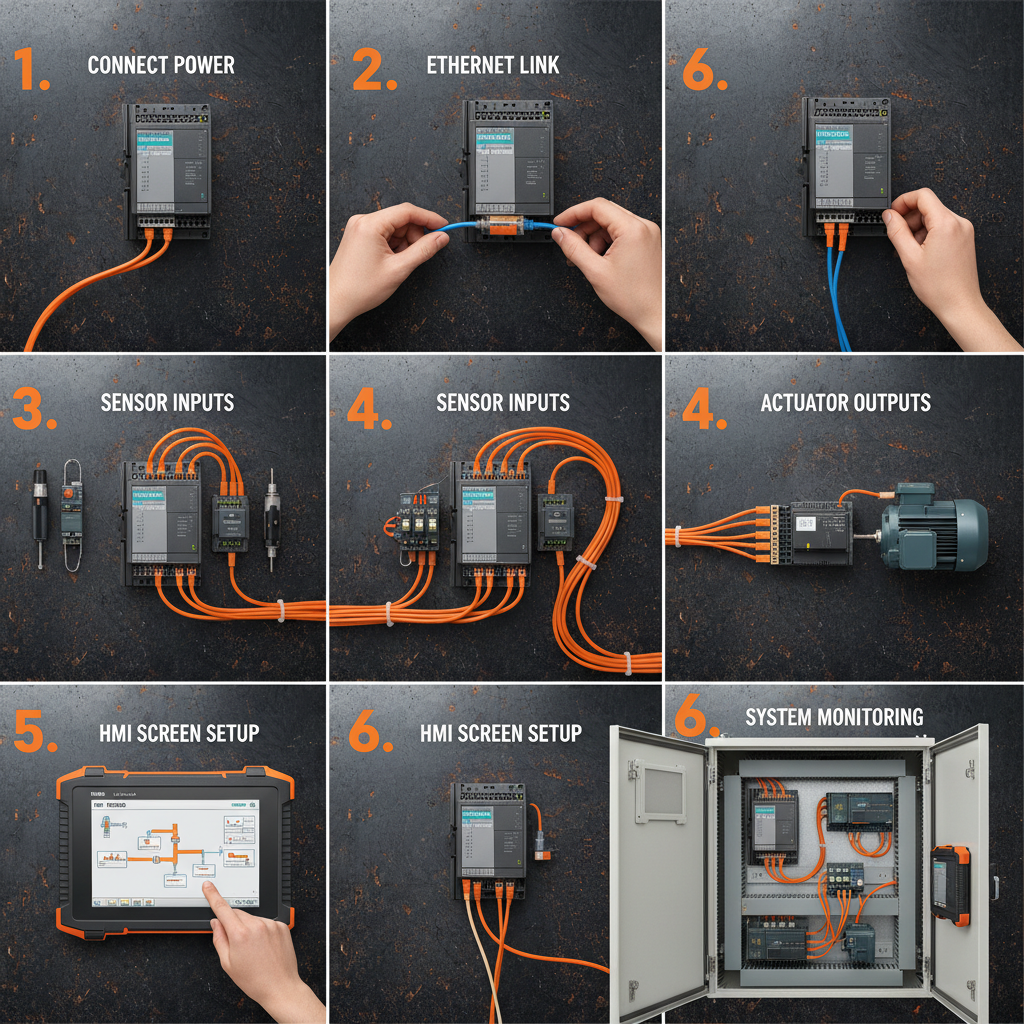
Variable Speed Frequency Drive – Energy Efficiency & Industrial Control Solutions
The Rising Importance of Variable Speed Frequency Drive in Modern Industry
Variable speed frequency drives (VFDs) may sound a bit poky if you’ve never dealt with industrial equipment, but in reality, this technology is quietly transforming how we manage energy and machinery worldwide. Basically, VFDs allow motors to run at varying speeds instead of a single fixed pace, meaning huge energy savings, longer device life, and better process control. This might seem like a technical tweak, but considering global energy concerns and industrial efficiency demands, understanding VFDs feels pretty crucial these days.
Globally, industries consume over 60% of electrical energy, and a major chunk of that gets wasted because motors run at full capacity even when not needed. As the UN and ISO emphasize sustainable development, VFDs stand out as a smart, tried-and-tested tool to cut down this waste and boost productivity.
Setting the Stage: Why Variable Speed Frequency Drive Matters Globally
Energy efficiency isn’t just an engineering buzzword anymore; it’s baked into national policies, environmental agendas, and industry standards. The World Bank estimates that around 20% of global electricity is used by industrial motor systems, with opportunities to slash energy use by up to 30% through variable speed frequency drives.
However, many factories and plants still rely on outdated control methods — think traditional starters that simply switch motors on or off, forcing machinery to run full throttle no matter what task it’s tackling. This results not only in energy waste but also increased wear and tear, higher maintenance costs, and carbon footprints that haunt us all.
Addressing these challenges is where VFDs come in. They modulate motor speed to match actual demand, improving efficiency and reliability in a wide array of fields—from HVAC systems keeping offices comfy to massive conveyor belts moving tons of material. If you want a peek at real-world stats and standards, the Wikipedia page on VFDs is a neat resource.
What Exactly Is a Variable Speed Frequency Drive?
In its simplest terms, a variable speed frequency drive is an electronic device that controls the speed of an AC motor by adjusting the frequency and voltage of its power supply. Instead of a motor spinning at one constant speed, VFDs enable gradual acceleration or reduced speeds based on process needs.
This capacity is significant because motors rarely need to run at full speed continuously. For example, a pump may only require half speed to maintain steady water flow. Using a VFD means the motor uses precisely the energy required — no more, no less.
Modern industries rely heavily on this technology—not just for saving energy but also for enhancing process precision, reducing noise, and smoothing start/stop cycles. Plus, humanitarian efforts that deploy water purification or power generation equipment in remote areas increasingly depend on VFDs to optimize limited resources.
Key Elements That Make VFDs Work
1. Power Conversion Unit
This component converts incoming AC electricity to DC, then re-converts it back to AC at controlled frequencies. It’s the heart of the magic.
2. Control System
Often microprocessor-based, this part monitors motor parameters and adjusts output accordingly using sensors and software algorithms.
3. User Interface
From simple knobs to touchscreens and digital displays—users can customize settings, monitor status, and diagnose issues.
4. Protection Features
Overload protection, short circuit prevention, and temperature monitoring safeguard both motor and drive from damage.
5. Communication Modules
Enables integration with plant-wide automation systems via protocols like Modbus or Ethernet—key for Industry 4.0 setups.
Mini Takeaway: At their core, VFDs are intricate yet robust systems balancing energy control and equipment longevity by smartly managing power flow.
Real-World Uses: Where Variable Speed Frequency Drives Make a Difference
From manufacturing floors in Germany to textile mills in India, VFDs are integral to countless processes:
- HVAC Systems: By adjusting fan speeds, VFDs reduce electricity use in commercial buildings dramatically.
- Water and Wastewater Treatment: Pumps modulate flow smoothly, reducing stress on pipes and lowering power bills.
- Conveyor Systems: Mining and logistics industries improve throughput and reduce mechanical wear by varying belt speeds.
- Renewable Energy: Offshore wind turbines use VFDs to stabilize output amid fluctuating winds.
- Humanitarian Operations: Portable water pumps in disaster zones use VFDs for efficient and reliable power management.
For instance, in remote industrial zones scattered across Africa, VFDs help companies tailor machine speeds to unpredictable local power supplies—minimizing blackouts and equipment fatigue.
Advantages That Count: Why Invest in Variable Speed Frequency Drive?
Honestly, I’ve noticed many engineers swear by several advantages:
- Energy Savings: By matching motor speed to actual demand, you slash electricity consumption by up to 50% in some applications.
- Reduced Mechanical Stress: Smooth starts and stops extend motor and gearbox life—a big win for maintenance budgets.
- Improved Process Control: Precision speed tweaks enhance product quality, vital in sectors like chemicals and food processing.
- Lower Noise and Vibration: Safer, better working conditions thanks to subtle speed control.
- Sustainability: Less power usage means fewer greenhouse emissions, aligning with global climate goals.
Not to mention the emotional satisfaction of knowing your operation is part of the global effort to be cleaner and smarter. It feels like more than just dollars saved—it’s about innovation and trust.
Looking Ahead: The Future of Variable Speed Frequency Drives
The VFD arena isn’t standing still. Here are a few trends worth watching:
- Integration with IoT and AI: Smarter drives will self-optimize using real-time data analytics.
- Use of Wide Bandgap Semiconductors: Materials like silicon carbide improve efficiency and thermal management.
- Compact Designs: Smaller drives for space-constrained applications.
- Renewable Energy Support: VFDs tailored for microgrids and hybrid energy systems.
- Regulatory Push: More countries enforcing energy standards that favor VFD adoption.
It’s kind of exciting—almost feels like the control electronics of yesterday turning into smart, sustainable brainboxes tomorrow.
Challenges and How Experts Are Addressing Them
Of course, no tech is perfect. Here are a few issues folks encounter:
- Initial Cost: VFDs can require a heftier upfront investment than traditional starters, which throws some off.
- Complexity: Proper setup and maintenance require skilled technicians—sometimes scarce in developing regions.
- Harmonics: Electrical noise generated by drives can affect other equipment if not managed properly.
- Environmental Limits: Harsh or dusty environments demand ruggedized designs, sometimes increasing costs.
Luckily, many manufacturers now offer modular, scalable solutions combined with better training and diagnostic tools, making deployment easier than ever.
| Specification | Value | Notes |
|---|---|---|
| Input Voltage | 200 - 480 V AC | Single or three-phase |
| Output Frequency | 0 - 400 Hz (variable) | Adjustable motor speed |
| Control Modes | V/F, Sensorless Vector, Closed-Loop Vector | Suitable for different applications |
| Communication Protocols | Modbus, Profibus, Ethernet | For integration & monitoring |
| IP Rating | IP20 - IP65 | From standard to dust/water resistant |
| Operating Temperature | -10°C to 50°C | Varies by model |
Quick Look at Variable Speed Frequency Drive Vendor Options
| Vendor | Power Range | Control Features | Unique Selling Point | Price Range |
|---|---|---|---|---|
| Tianjin Yongkai | 0.37 kW – 630 kW | Vector control, PLC embedded | Customization and rapid support | Mid-range |
| Siemens | 0.12 kW – 5600 kW | Advanced diagnostics, IoT ready | Global brand, reliable quality | Premium |
| ABB | 0.25 kW – 6000 kW | Integrated safety functions | Strong innovation in energy savings | Premium to High |
| Delta Electronics | 0.1 kW – 500 kW | Compact design, easy install | Cost effective for small to medium setups | Budget |
Frequently Asked Questions About Variable Speed Frequency Drive
1. How much energy can a variable speed frequency drive really save in typical factory use?
Energy savings vary depending on application, but many industries report reductions between 20% and 50%. Especially in pumps, fans, and conveyors where full motor power is rarely necessary, adjusting speeds with a VFD means you avoid wasting electricity continuously running at 100%.
2. Are variable speed frequency drives difficult to install and maintain?
Installation requires trained technicians familiar with electrical and control systems. Maintenance typically revolves around keeping cooling fans clear of dust and monitoring software alerts. Most modern drives come with user-friendly interfaces and diagnostic tools to ease upkeep.
3. Can VFDs be integrated into existing legacy systems?
Generally, yes. Many VFDs support common communication protocols and can retrofit older equipment. However, compatibility checks and sometimes minor upgrades are necessary to ensure smooth integration without causing disturbances.
4. Do VFDs have environmental benefits beyond saving energy?
Absolutely. By reducing power draw, VFDs lower greenhouse gas emissions indirectly. Plus, they reduce mechanical wear, thus extending equipment life and lessening waste. Some models also reduce noise pollution, improving workplace conditions.
5. Is it expensive to switch from traditional motor controls to VFDs?
While upfront costs are higher, the long-term savings on energy bills and maintenance frequently offset initial investments within months to a few years. Many firms consider VFDs a smart capital expenditure aligned with sustainability goals.
Wrapping It Up: The Case for Variable Speed Frequency Drives
The long game with variable speed frequency drives is pretty clear: energy savings, smarter control, and cleaner operation. Whether you’re running a factory, a water treatment facility, or just curious about smart energy tech, VFDs tick a lot of boxes—technical, financial, and ethical.
If you’re wondering where to start or upgrade your setup, a good place to explore options would be variable speed frequency drive suppliers who understand both global standards and local needs.
And seriously, once you’ve seen a motor speed and power demand dance perfectly in step, it’s hard to go back to fixed-speed rigs. There’s something satisfying about letting technology handle the grunt work so humans can focus on innovation.
References:
1. ISO 50001 Energy management systems
2. World Bank: Energy Overview
3. Wikipedia: Variable-frequency drive