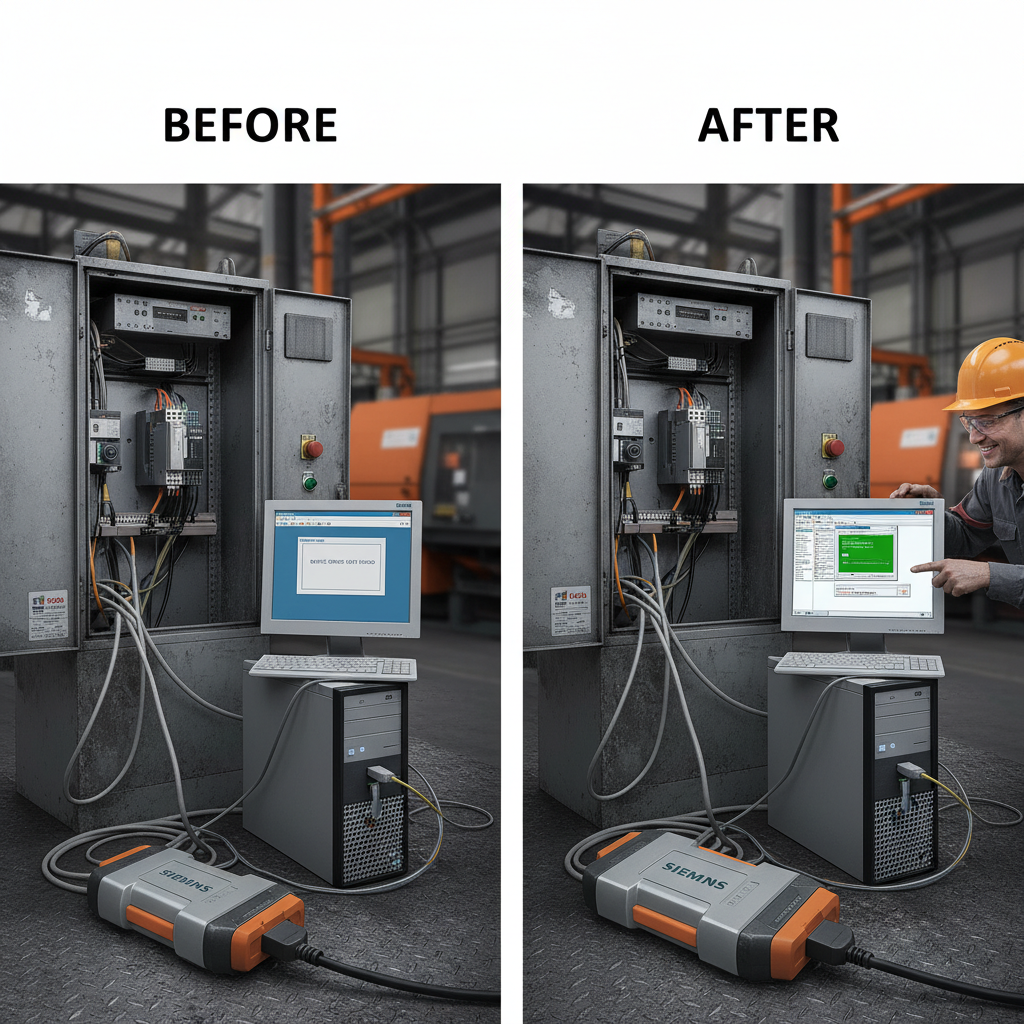
VFDs Explained - The Essential Guide to Variable Frequency Drives in Industry
VFDs Explained: Why Variable Frequency Drives Matter Worldwide
Variable Frequency Drives (VFDs) might sound like just another tech acronym, but the truth is, they quietly power a huge chunk of modern industry and infrastructure globally. At their core, VFDs allow precise control of electric motor speeds by adjusting the frequency and voltage of power supplied. This capability leads to energy savings, enhanced equipment lifespan, and improved process control — benefits that ripple out to environmental gains and cost reductions across sectors.
On a global scale, understanding vfds explained means grasping a key part of energy efficiency strategies and industrial modernization efforts that hundreds of millions rely on daily: for water treatment, manufacturing, HVAC systems, and even humanitarian supply chains in disaster-hit areas.
Why VFDs Are So Relevant in Today’s Industrial and Environmental Landscape
It’s no secret that industrial power consumption makes up a significant chunk of global energy use—according to the International Energy Agency, motors consume nearly 45% of industrial electricity worldwide. Efficient control of these motors directly impacts energy costs and carbon footprints. VFDs stepped in as prime movers in solving this dilemma.
More importantly, governments and industries increasingly prioritize sustainability, pushing for technology that cuts waste and optimizes processes. That’s where VFDs shine: they reduce energy consumption by as much as 30-50% depending on the application. This is a big deal, especially given that the UN’s climate goals hinge on such efficiency improvements by 2030.
However, widespread adoption faces challenges — such as upfront costs, integration barriers, and technical know-how — which is why explaining and demystifying VFDs remains critical.
What Exactly Are VFDs? A Simple Explanation
Simply put, a Variable Frequency Drive (VFD) controls the speed of an electric motor by varying the frequency and voltage of its power supply. Think of it as the volume knob on a speaker — but for motors. Instead of motors running at full throttle all the time, VFDs enable them to go slower or faster as needed, smoothing out energy usage.
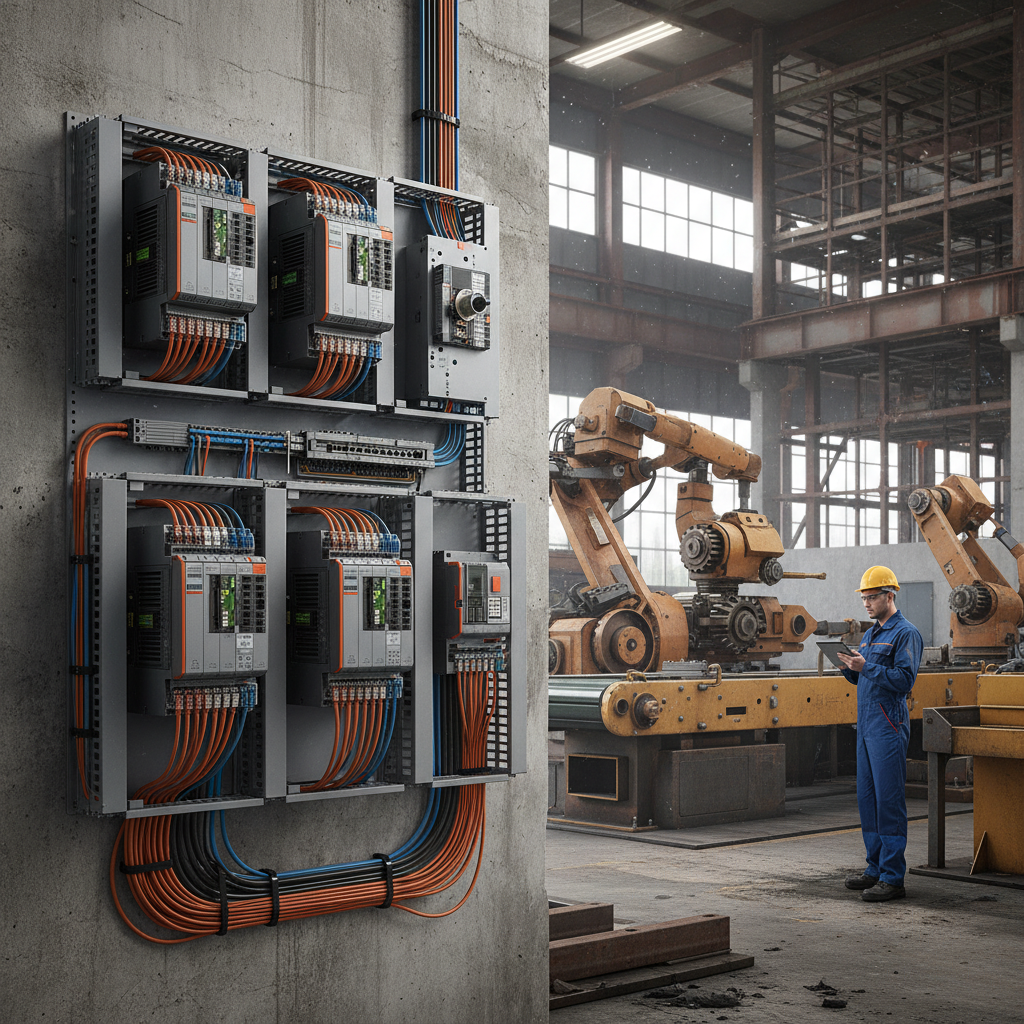
This technology is indispensable in industries ranging from manufacturing lines that require precise speed control to HVAC units adjusting airflow dynamically. More recently, VFDs have found vital roles in fields like water pump control and even humanitarian logistics, where efficiency and reliability mean lives.
Core Components of VFDs Explained
1. Power Conversion Unit
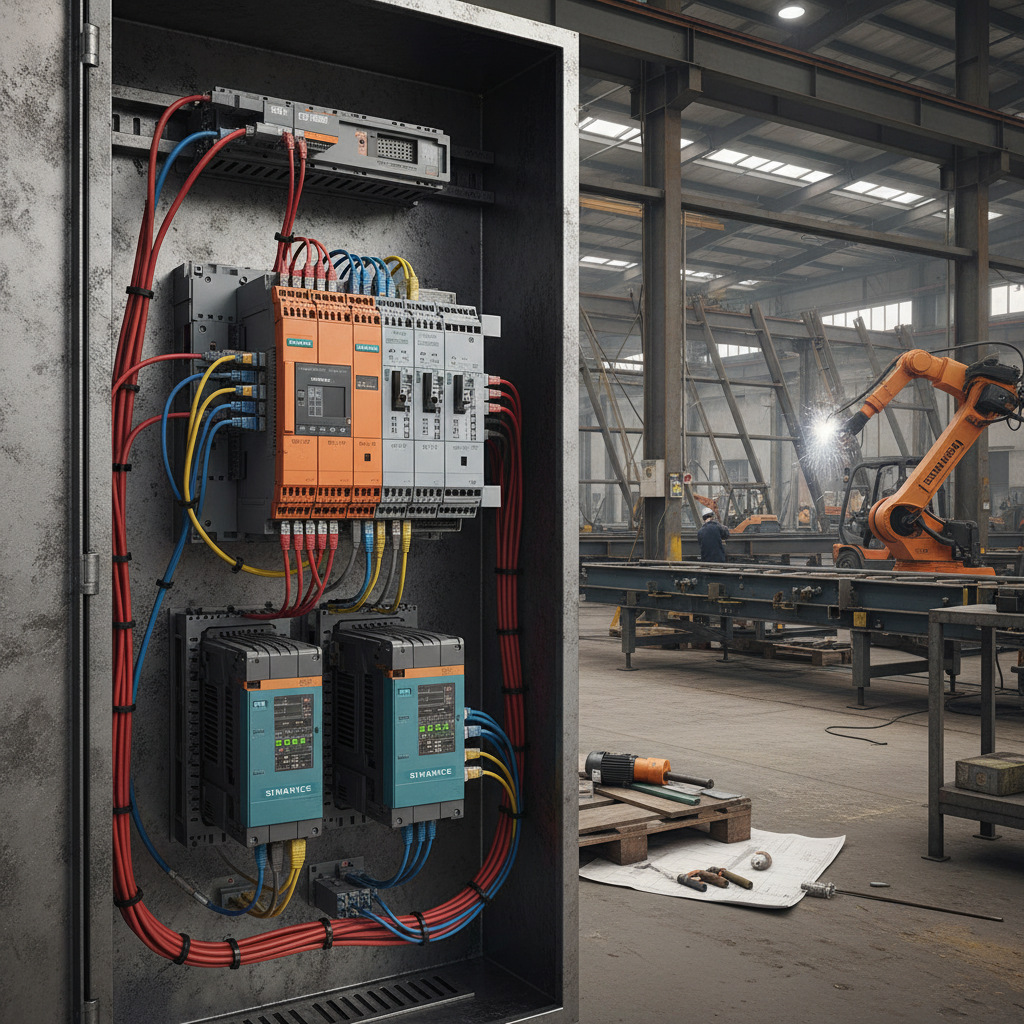
This is the heart of the VFD, converting AC input to DC, and then back to AC at the desired frequency. The quality and durability of this conversion dictate overall efficiency.
2. Control Module
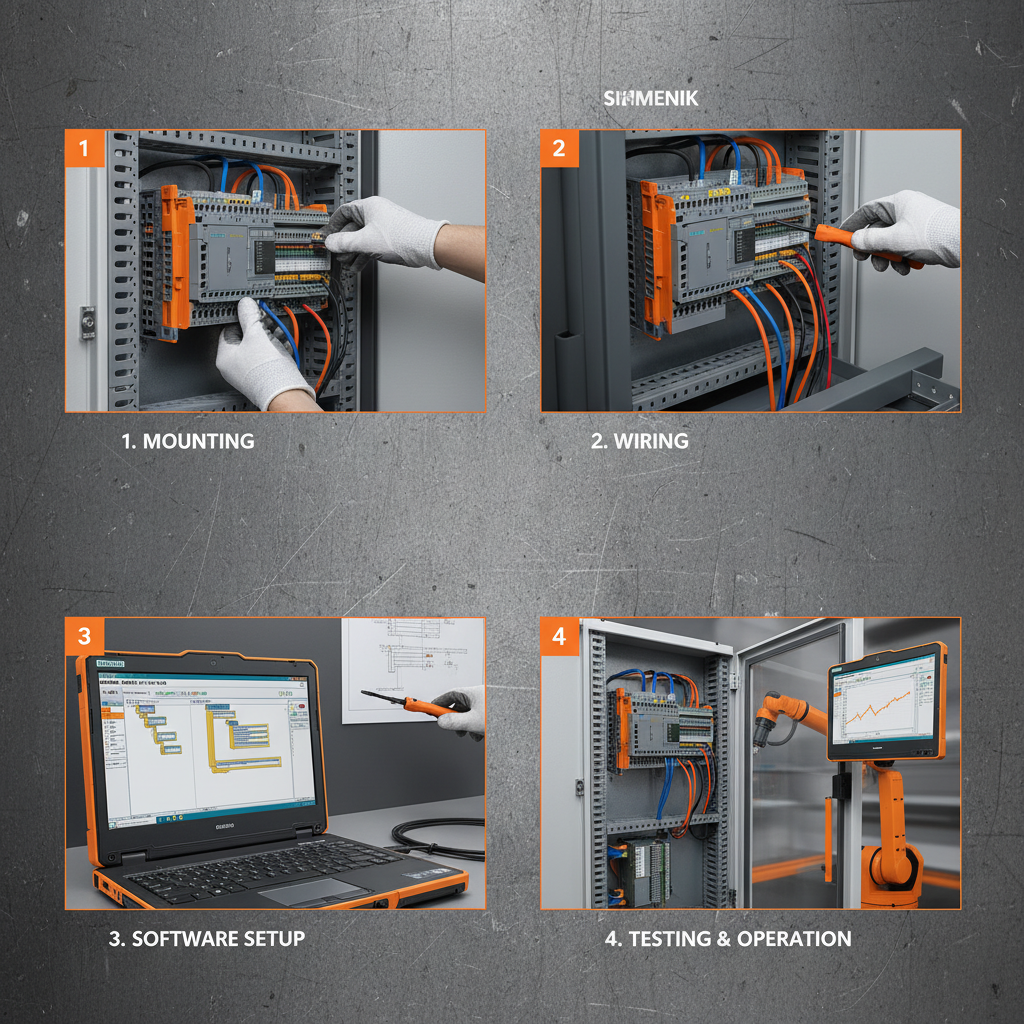
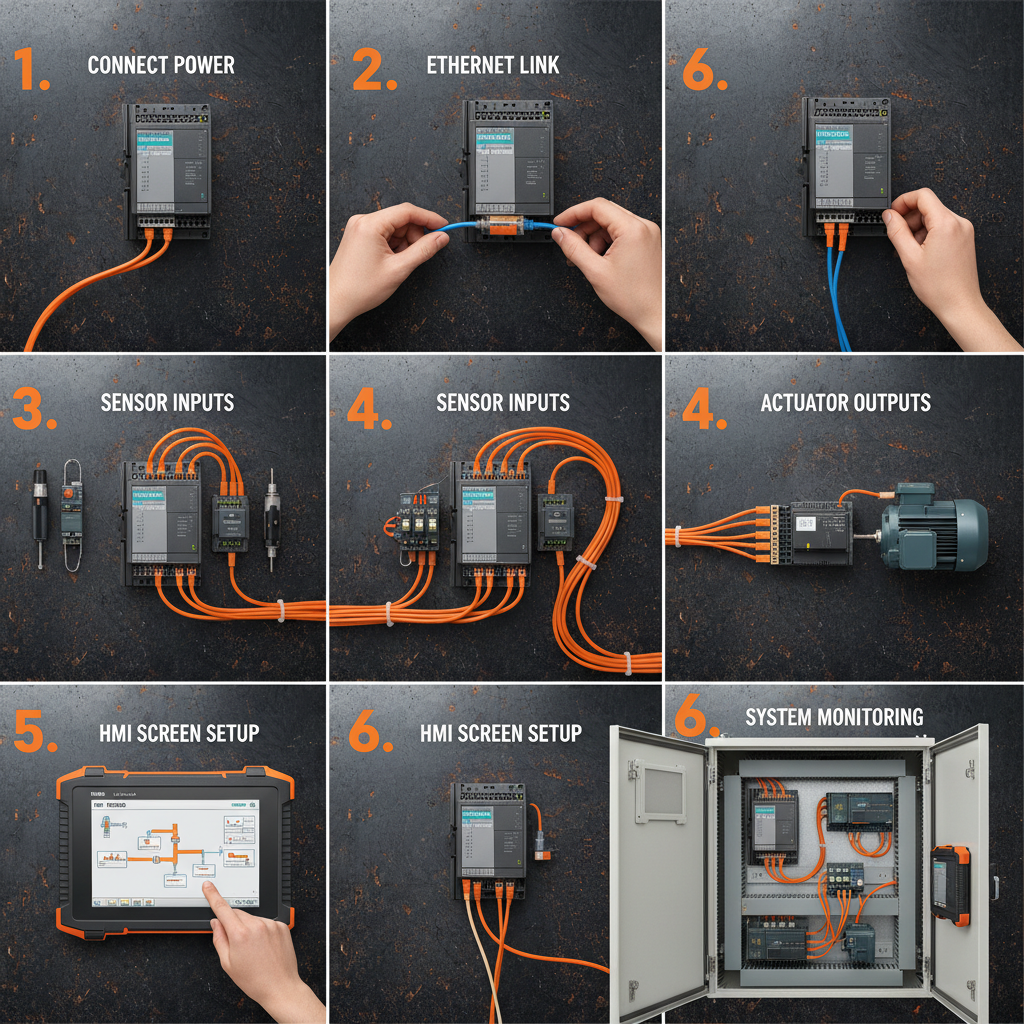
It’s the brain that processes input commands — like desired speed — and adjusts output accordingly. It often includes programmable logic controllers (PLCs) for sophisticated control.
3. Feedback Mechanisms
Some VFDs incorporate sensors or encoders to provide real-time data on motor performance, enabling fine tuning and safety checks.
4. Cooling System
Since power electronics can generate heat, an efficient cooling system prevents overheating, extending VFD life and reliability.
5. User Interface
Modern VFDs often feature digital displays and remote monitoring capabilities for easier setup and maintenance — crucial for on-site engineers.
Mini takeaway: Understanding these components is key to selecting and maintaining the right VFD for a given application.
How VFDs Are Used Across the Globe
Industries from Asia to Europe and the Americas rely on VFD technology — sometimes invisibly powering infrastructure behind the scenes. Here’s a glance at key applications:
- Water and wastewater treatment plants: VFDs adjust pump speeds to stabilize flow rates, saving energy and reducing wear.
- HVAC systems in commercial buildings: Controlling fan and compressor speeds leads to flexible climate control and lower bills.
- Manufacturing: Many assembly lines require variable speeds for different process stages — VFDs deliver on that.
- Renewable energy: Wind turbines often employ VFDs to manage variable wind speeds converting them into steady electrical output.
- Disaster relief logistics: Mobile generators and water pumps equipped with VFDs ensure adaptable operations in chaotic environments.
Last year, I noticed a post-disaster relief operation in Southeast Asia deploying VFD-controlled pumps — their speed adaptability minimized fuel consumption and prevented equipment failure in rough field conditions, which frankly saved both money and time.
Spec Table: Sample VFD Product Overview
| Spec | Model X1000 | Model Z500 | Model S300 |
|---|---|---|---|
| Power Rating | 5 HP | 10 HP | 2 HP |
| Voltage | 230V | 460V | 230V |
| Input Frequency | 50/60 Hz | 50/60 Hz | 50/60 Hz |
| Customer Interface | Digital LCD + keypad | Touchscreen + remote | LED display + buttons |
| Cooling | Fan cooled | Liquid cooled | Fan cooled |
| Price Range | $800–$1,000 | $1,500–$1,800 | $400–$600 |
Comparing Top VFD Vendors
| Vendor | Global Reach | Industry Focus | Innovations | Support & Training |
|---|---|---|---|---|
| DriveTech Inc. | Europe, Americas, Asia | Manufacturing, Utilities | IoT-enabled VFDs | 24/7 global hotline & online courses |
| VoltMotion Ltd. | Asia, Middle East | Water treatment, Construction | Liquid cooling systems | Regional training centers |
| FlexiVolt Solutions | Global | Renewables, Industrial Automation | Cloud-based monitoring & analytics | Online support, API integration help |
Advantages and Long-Term Value of Using VFDs
Why do engineers and facility managers swear by VFDs? The list is long but can be boiled down to a few impactful reasons:
- Energy Efficiency: VFDs cut down power usage by matching motor speed to actual load demand.
- Extended Equipment Life: Soft start/stop reduces wear and tear on motors and machinery.
- Cost Savings: Lower energy bills and maintenance costs add up over years.
- Process Flexibility: Operators gain precise control, improving product quality and responsiveness.
- Environmental Impact: Reduced emissions and compliance with stricter regulations.
- Safety and Reliability: Overload protection and fault diagnostics prevent unexpected downtime.
Plus, there’s an intangible trust factor — knowing your plant’s running lean and green feels pretty good at the end of the day.
Emerging Trends & Innovations in the World of VFDs
The VFD landscape is always evolving, driven by digital innovation and sustainability policies. A few trends to watch:
- Integration with IoT and AI: Predictive maintenance algorithms are reducing failures before they happen.
- Use of Wide Bandgap Semiconductors: Materials like silicon carbide improve switching speeds and thermal efficiency.
- Green Energy Compatibility: VFDs tailored for solar and wind power applications are rising in demand.
- Compact and Modular Designs: Makes onsite installation easier, especially in retrofits.
- Enhanced User Interfaces: Touchscreens with touchscreen apps for remote monitoring.
Challenges Faced and How They’re Addressed
It’s not all smooth sailing. Common hurdles include:
- High upfront costs: Although savings pay off long-term, initial investment can be a barrier, especially for small operators.
- Technical complexity: Requires trained personnel for proper tuning and maintenance.
- Electromagnetic interference (EMI): Can affect nearby sensitive equipment without proper shielding.
Innovative solutions to these include financing options, user-friendly smart VFDs with auto-tuning features, and improved design standards for EMI mitigation. Manufacturers are also investing heavily in training resources and certification programs to fill knowledge gaps.
FAQs About VFDs Explained
Q1: How do VFDs improve energy efficiency compared to fixed-speed motors?
A1: Unlike fixed-speed motors that run at full power constantly, VFDs adjust motor speed according to load requirements, often reducing energy consumption significantly — sometimes by up to half in variable torque applications like pumps and fans.
Q2: Are VFDs suitable for harsh environments, like disaster zones or remote industrial sites?
A2: Yes. Many VFDs are designed rugged with robust enclosures and cooling systems to operate reliably in harsh conditions. Their adaptability helps in situations where operational conditions change rapidly—such as in post-disaster relief or mining.
Q3: How difficult is it to retrofit VFDs into existing motor-driven systems?
A3: Retrofitting can vary from straightforward to complex depending on the system’s age, motor type, and control infrastructure. Many modern VFDs include features to simplify installation, and vendors often provide support services for smooth integration.
Q4: What are typical maintenance requirements for VFDs?
A4: Regular maintenance often includes checking cooling fans, cleaning dust filters, inspecting electrical connections, and updating firmware. Most VFDs have diagnostics to alert operators to any performance issues ahead of failure.
Q5: Can VFDs help companies meet regulatory energy efficiency standards?
A5: Absolutely. Many energy and sustainability standards encourage or mandate use of energy-efficient drives. Adopting VFDs can not only help compliance but also earn incentives and certifications.
Final Thoughts: Why You Should Care About VFDs Explained
VFDs are more than just a technical option — they’re a vital cog in the machinery of modern sustainable industry, blending energy savings, operational control, and adaptability. As global energy pressures mount and environmental considerations tighten, knowing how vfds explained fits into the puzzle can unlock big value for businesses, communities, and ecosystems alike.
If you’re keen to explore the latest in VFD technology or looking for customized solutions, definitely visit our website: https://www.tianjinyongkai.com — it’s a rich resource for both novices and seasoned engineers.
In short, VFDs are one of those quietly brilliant inventions that keep things running efficiently and sustainably — and frankly, the more people understand their impact, the better for everyone.
References: