Efficient 3hp Variable Frequency Drives for Smart Industry | Tianjin Yongkai
Understanding the 3hp Variable Frequency Drive: A Small Powerhouse with Big Impact
If you’ve ever marveled at how modern factories run smoothly or how massive pumps just adapt their speed on command, you’ve likely appreciated the marvel of the 3hp variable frequency drive. On the face of it, "3hp" suggests a modest motor power—three horsepower—but the real magic lies in the “variable frequency drive” (VFD) part. This device not only controls motor speed but also makes operations more efficient, sustainable, and responsive. Why does this matter globally? Because these small but smart drives reduce energy wastage drastically, help industries shrink their carbon footprints, and enhance productivity worldwide. The better we understand these drives, the closer we get to smarter and greener industrial systems.
Global Context: The Rise of Energy Efficiency and Smart Motor Drives
Across industries, from water treatment plants in California to food processing factories in Germany, the importance of energy-efficient motor control systems is on the rise. According to the International Energy Agency (IEA), electric motors consume roughly 45% of global electricity, and much of that gets lost due to inefficient speed control. Enter the 3hp variable frequency drive, a potent solution that tackles this inefficiency head-on. The World Bank also reports that smart industrial upgrades like VFDs can cut energy use by up to 30%. Yet the challenge remains—especially in developing nations—to distribute and deploy these cost-effective drives across smaller industrial and commercial setups.
In short, the challenge is twofold: improving access and educating businesses about the long-term savings these relatively small, yet mighty drives offer.
What Is a 3hp Variable Frequency Drive?
In simplest terms, a 3hp variable frequency drive is an electronic device designed to control the speed and torque of a 3-horsepower electric motor by varying the supply frequency and voltage. It’s like the dimmer switch for a lamp, but for motors. Instead of running a motor at full blast all the time, a VFD smoothly ramps things up or slows them down based on demand, making operations more precise and efficient.
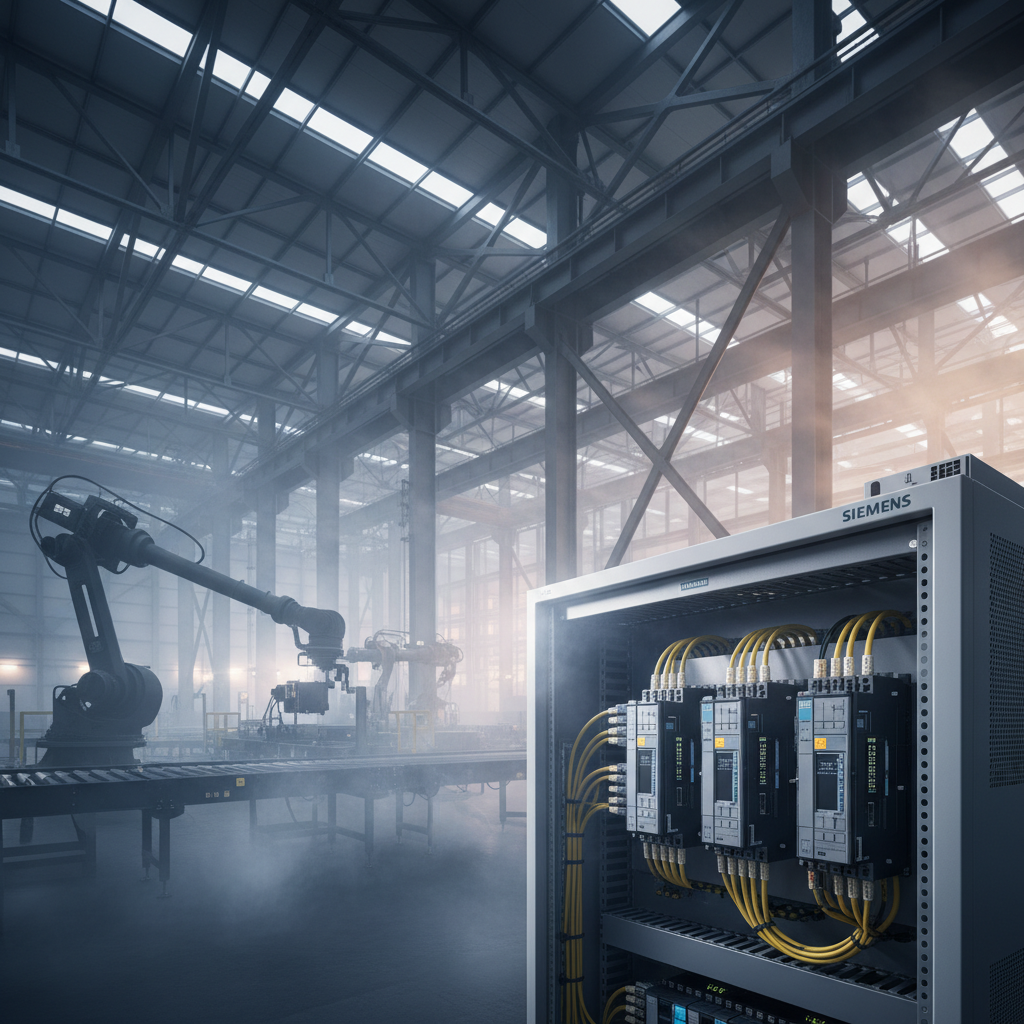
This technology is deeply connected to modern industrial automation and the pressing need for sustainability. Whether it's controlling HVAC fans in skyscrapers or adjusting conveyors in remote mining sites, these drives ensure energy is not wasted — and that helps both economies and the environment in a meaningful way.
Key Features of a Quality 3hp Variable Frequency Drive
1. Durability and Build Quality
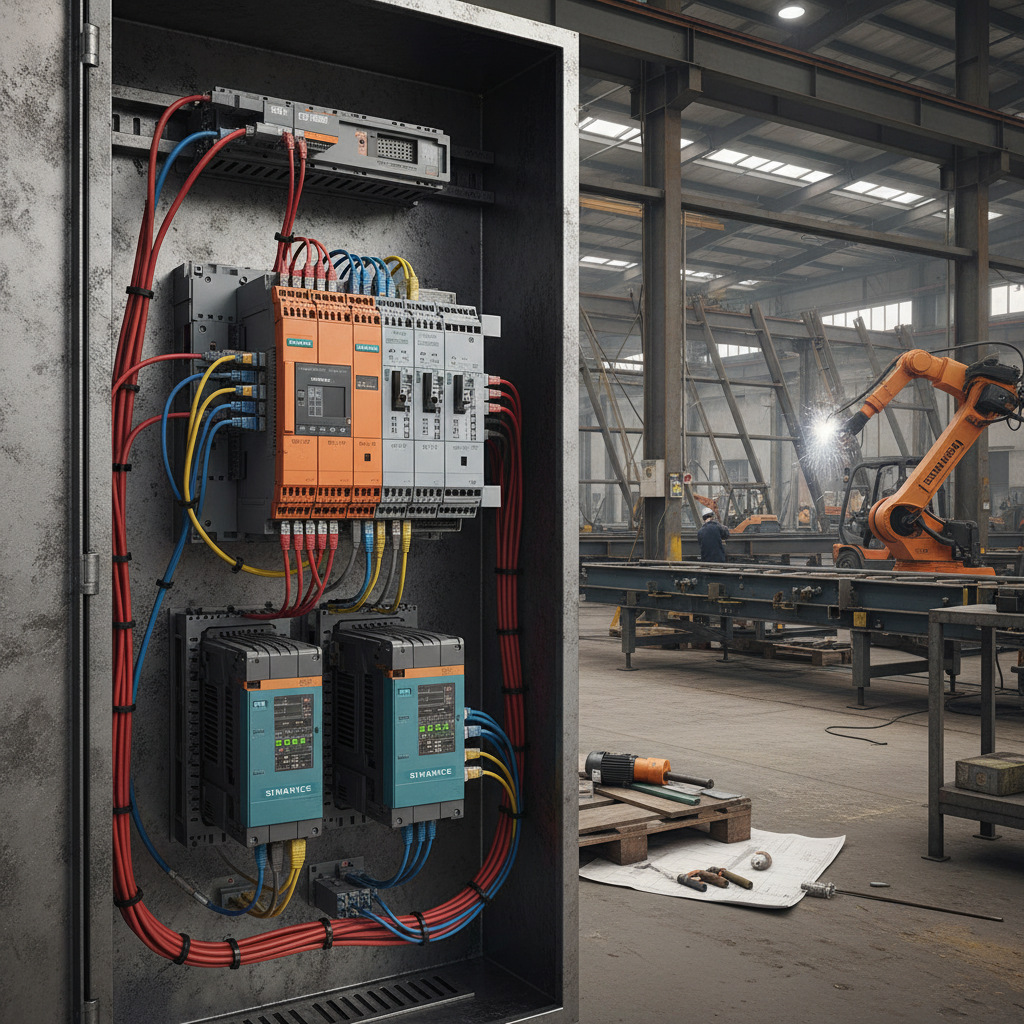
A 3hp VFD must withstand diverse environmental conditions — from hot factories to dusty outdoors. Robust casing and protective coatings ensure long service life. Many engineers say a drive that fails midway isn’t just costly; it’s a headache you don’t want. So durability is paramount.
2. Scalability and Compatibility
Though the "3hp" label sets the motor range, flexibility matters. A good drive adapts across various motor types—induction, synchronous, or permanent magnet—and works seamlessly with control systems, whether legacy or state-of-the-art.
3. Energy Efficiency
By modulating speed precisely, a 3hp VFD cuts energy consumption remarkably compared to traditional motors running at constant speed. This is where operational savings add up—not just to monthly bills but also carbon footprints.
4. User-Friendly Interface
I noticed many operators prefer drives with intuitive controls and displays. A user-friendly interface means you don’t need a PhD to adjust or troubleshoot the system. Plus, remote monitoring and programming features are becoming standard in modern drives.
5. Safety and Protection Features
Overcurrent, overheating, and voltage protection are essential to safeguard the motor and the drive itself. Advanced drives also incorporate fault diagnostics that cut downtime dramatically.
6. Cost Efficiency
While upfront costs are a consideration, the return on investment often folds in reduced maintenance, energy savings, and lower downtime — making the drive a prudent choice in the long run.
3hp Variable Frequency Drive in Action: Real-World Uses Across Continents
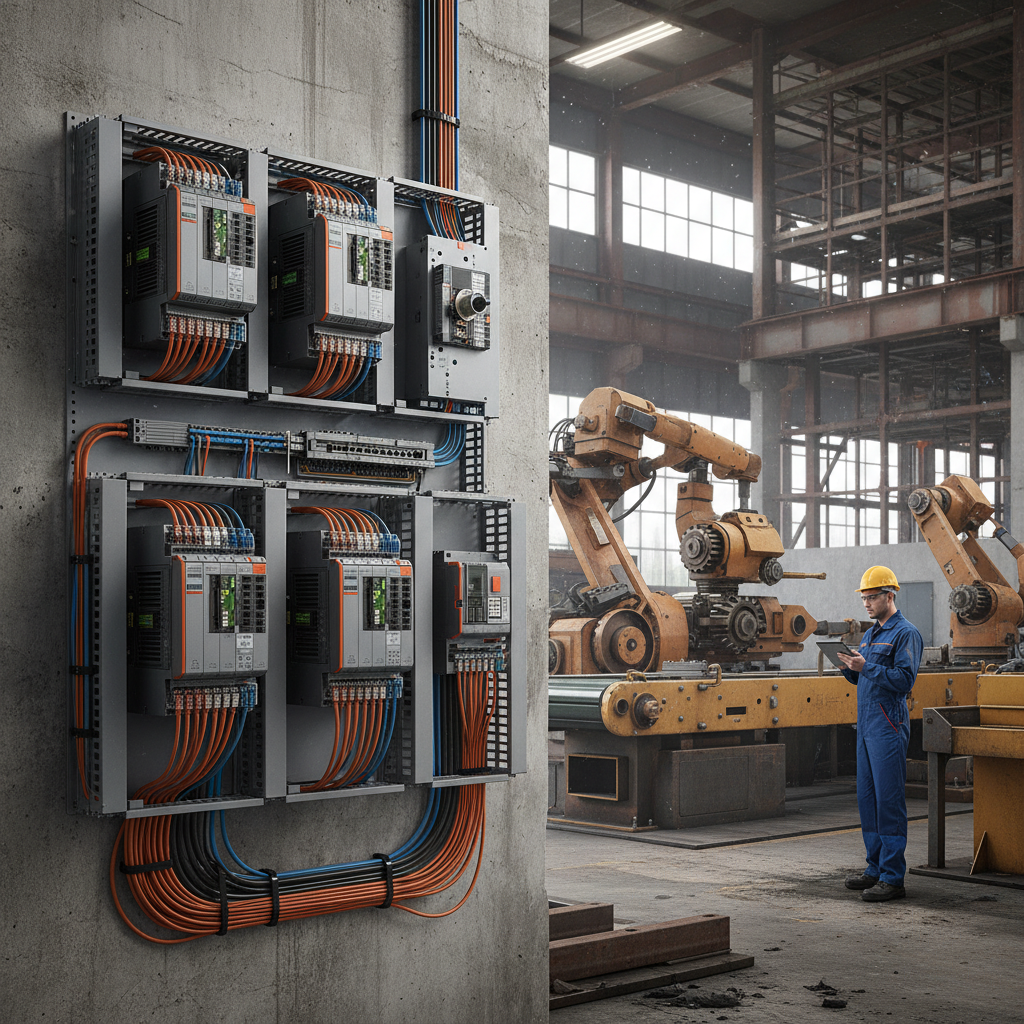
These drives may be small in power but huge in utility. In water treatment plants in Southeast Asia, they regulate pump speeds to save electricity and reduce wear. In European manufacturing hubs, they control conveyor belts, making production lines more flexible and responsive to fluctuations. Even humanitarian projects use compact VFDs to power mobile clinics and remote drills safely.
Take, for example, a mining operation in South America where energy supply is irregular. By installing 3hp variable frequency drives, operators could manage motor loads smartly, preventing overload and reducing energy costs by roughly 20%. This has obvious environmental and economic value.
Product Specifications: Typical 3hp Variable Frequency Drive
| Specification | Typical Value |
|---|---|
| Power Rating | 3 Horsepower (2.2 kW) |
| Input Voltage | 200-240V AC, Single Phase |
| Output Voltage | 0–240V AC (Variable) |
| Output Frequency | 0–400 Hz (Variable) |
| Control Modes | V/F Control, Sensorless Vector Control |
| Communication Protocols | Modbus, CANopen, Ethernet |
| Protection Features | Overcurrent, Overvoltage, Overtemperature |
| Dimensions | 150mm x 120mm x 90mm |
Comparing Leading 3hp Variable Frequency Drive Suppliers
| Brand | Price Range (USD) | Features | Warranty | Support & Service |
|---|---|---|---|---|
| Tianjin Yongkai | $280–$350 | Compact size, Multiple communication options | 2 years | 24/7 Global Support, Training available |
| Siemens | $320–$400 | Advanced diagnostics, Industry 4.0 ready | 3 years | Extensive network, On-site service |
| Schneider Electric | $300–$380 | Energy-saving features, User-friendly interface | 2 years | Remote support, Documentation |
Advantages of Utilizing a 3hp Variable Frequency Drive
One of the most tangible advantages is cost savings — both immediate and long-term. Because the drive modulates speed to just what’s necessary, energy consumption drops. Not surprisingly, the US Department of Energy notes that VFDs on pumping systems can reduce energy use by as much as 50%. But beyond dollars, there’s a social and environmental story here.
Industries that lower their emissions using these drives contribute to less air pollution, which is good for public health. Plus, fewer motor start/stop cycles mean longer equipment life and fewer breakdowns — leading to safer, less stressful working environments. When I spoke to a plant manager in Eastern Europe, he remarked that investing in a 3hp variable frequency drive wasn’t just about efficiency — it was about trust in technology that respects his workforce's safety.
Looking Ahead: The Future of 3hp Variable Frequency Drives
Frankly, the future looks exciting. We're seeing pushes toward integration of AI and IoT in VFDs, enabling predictive maintenance and real-time adjustments without human intervention. Innovations in wide bandgap semiconductors (like SiC) promise smaller, cooler, and more efficient drives. Sustainability initiatives are steering manufacturers to produce components with lower carbon footprints too.
The digital transformation also makes remote firmware updates and wireless monitoring a standard. So the humble 3hp variable frequency drive increasingly fits into a larger ecosystem of smart, green factory tooling.
Challenges & How Manufacturers Are Tackling Them
No tech is flawless. Challenges with 3hp VFDs include harmonic distortion that affects power quality, limited technical know-how among end-users, and sometimes high upfront costs for smaller businesses. However, solutions are emerging:
- Built-in harmonic filters and multi-pulse natures reduce grid pollution.
- Manufacturers offer tutorials and bundled installation services to ease adoption.
- Models with modular design reduce repair costs and lower barriers to entry.
Taken together, these moves hint at a drive market that’s listening closely to user needs.
FAQ: Common Questions About 3hp Variable Frequency Drives
- Can a 3hp variable frequency drive be used with both single-phase and three-phase motors?
- Typically, 3hp VFDs designed for single-phase input can control three-phase motors. However, compatibility depends on the drive model. Always check the specs to ensure proper phase matching to avoid damage.
- How does a variable frequency drive contribute to motor lifespan?
- By reducing mechanical stress during start-up and preventing frequent on/off cycles, VFDs extend motor life. They provide smooth acceleration/deceleration, lowering wear on bearings and windings.
- Are 3hp variable frequency drives energy efficient enough to justify their cost?
- Absolutely. Energy savings often pay back the initial investment within months, especially in applications with variable load requirements like pumps or fans.
- Is it difficult to program or install these drives?
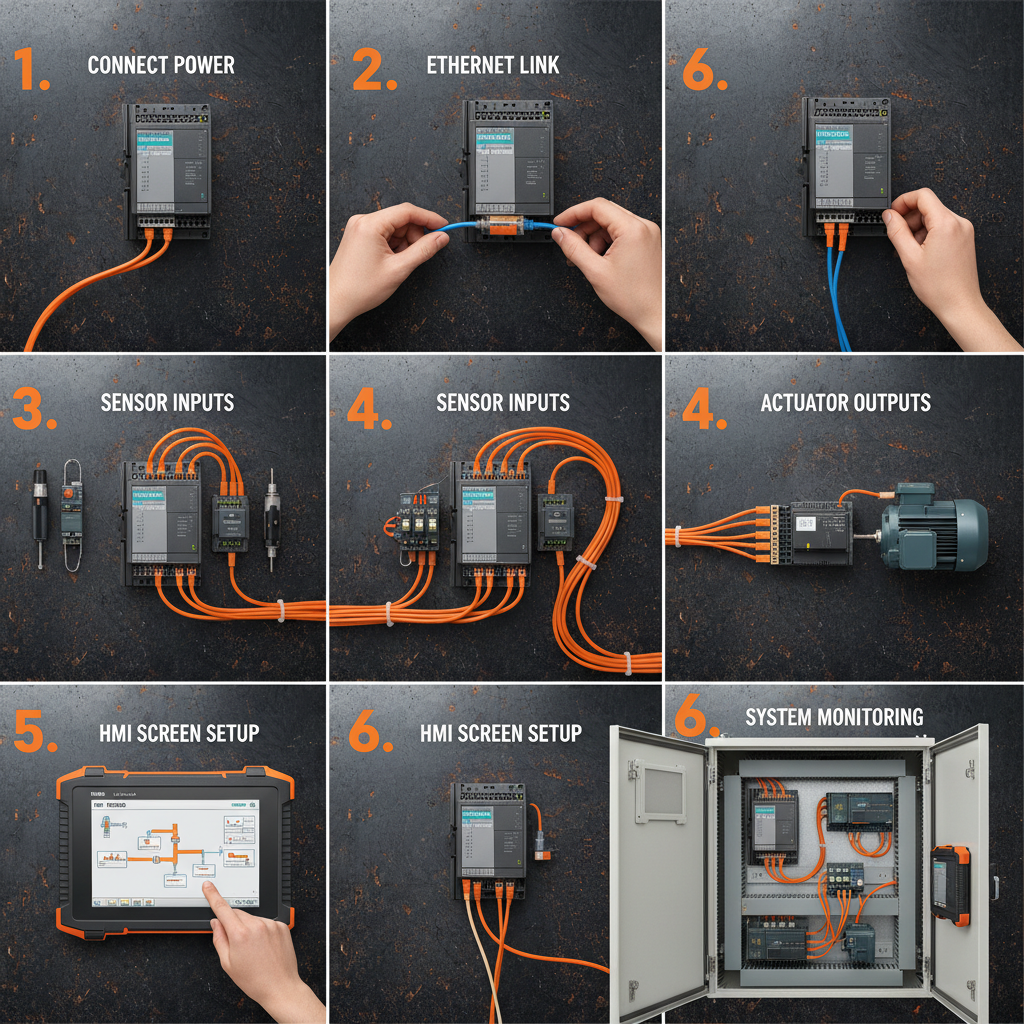
- Modern drives come with user-friendly interfaces and preset options, so basic programming is straightforward. Still, professional installation is recommended to optimize performance and safety.
- Where can I find reliable suppliers of 3hp variable frequency drives?
- Trusted suppliers include Tianjin Yongkai, Siemens, and Schneider Electric, who provide quality products with support and warranty.
Conclusion: Why the 3hp Variable Frequency Drive is an Industrial Unsung Hero
The small 3hp variable frequency drive packs a punch that belies its size. It’s an energy sage, safety guardian, and cost saver rolled into one compact device. Industries worldwide are embracing it not just because it’s a technical necessity, but because it supports smarter, more sustainable, and more humane ways of working.
If you’re looking to harness the benefits of efficient motor control, check out 3hp variable frequency drive options that fit your needs. The future runs smoother with a VFD at its core.
References:
1. International Energy Agency, Motors and Drives.
2. U.S. Department of Energy, Variable Frequency Drives.
3. ISO 50001 Energy Management Systems.