How to Effectively Size A Vfd For A Motor – Insights for B2B Decision Makers
Sizing A Vfd For A Motor is a key solution in the industry, specifically within motor control and automation sectors. This article explores how https://www.tianjinyongkai.com supports professionals with durable, high-performance products, and explains why this product is an ideal choice for businesses in these sectors.
Table of Contents
- Sizing A Vfd For A Motor Overview
- Benefits & Use Cases of Sizing A Vfd For A Motor
- Cost, Maintenance & User Experience
- Sustainability & Market Trends
Sizing A Vfd For A Motor Overview
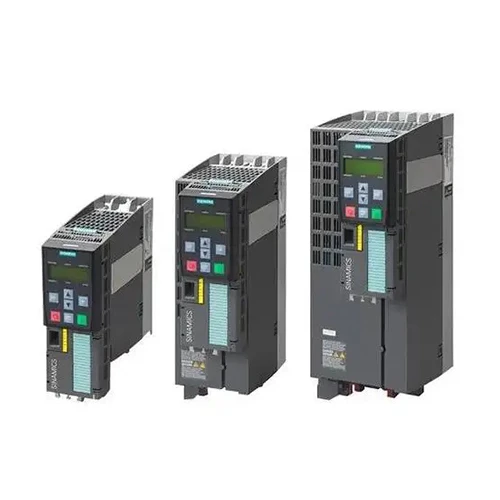
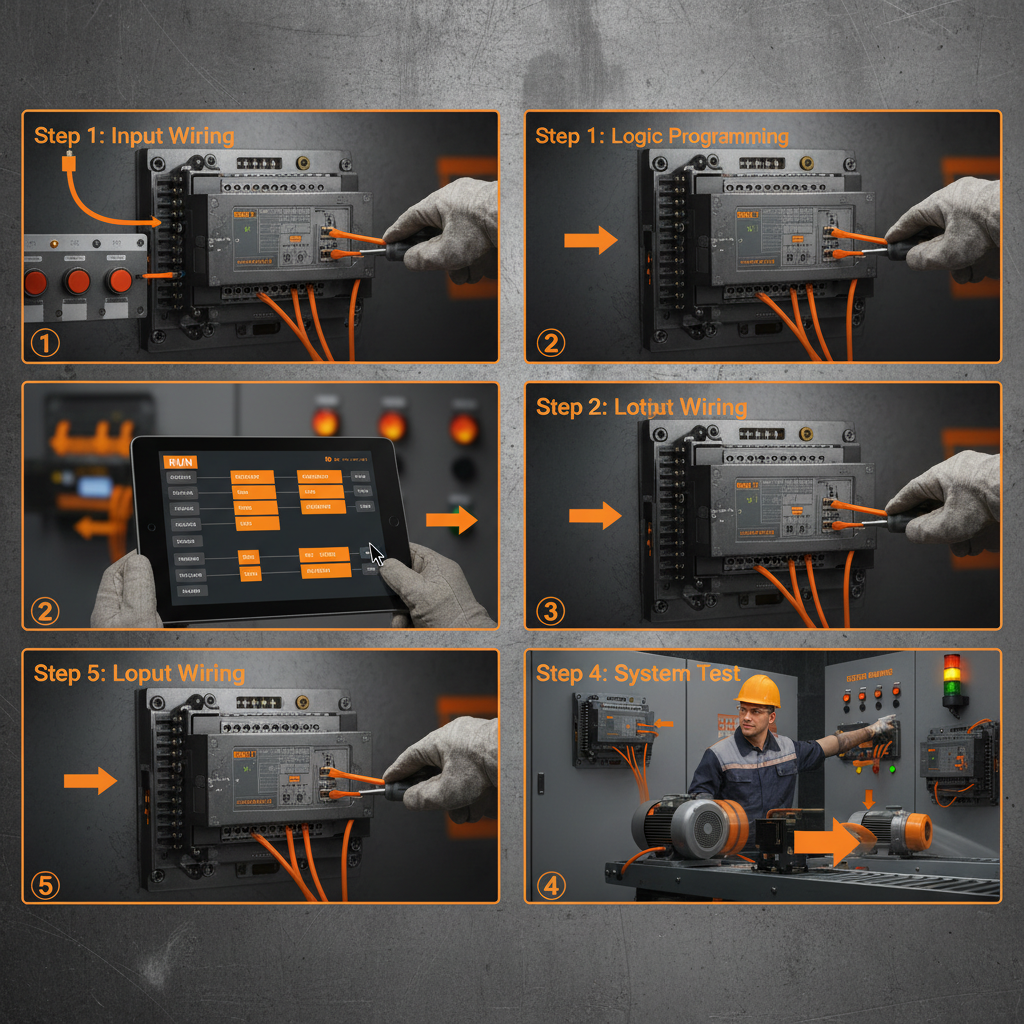
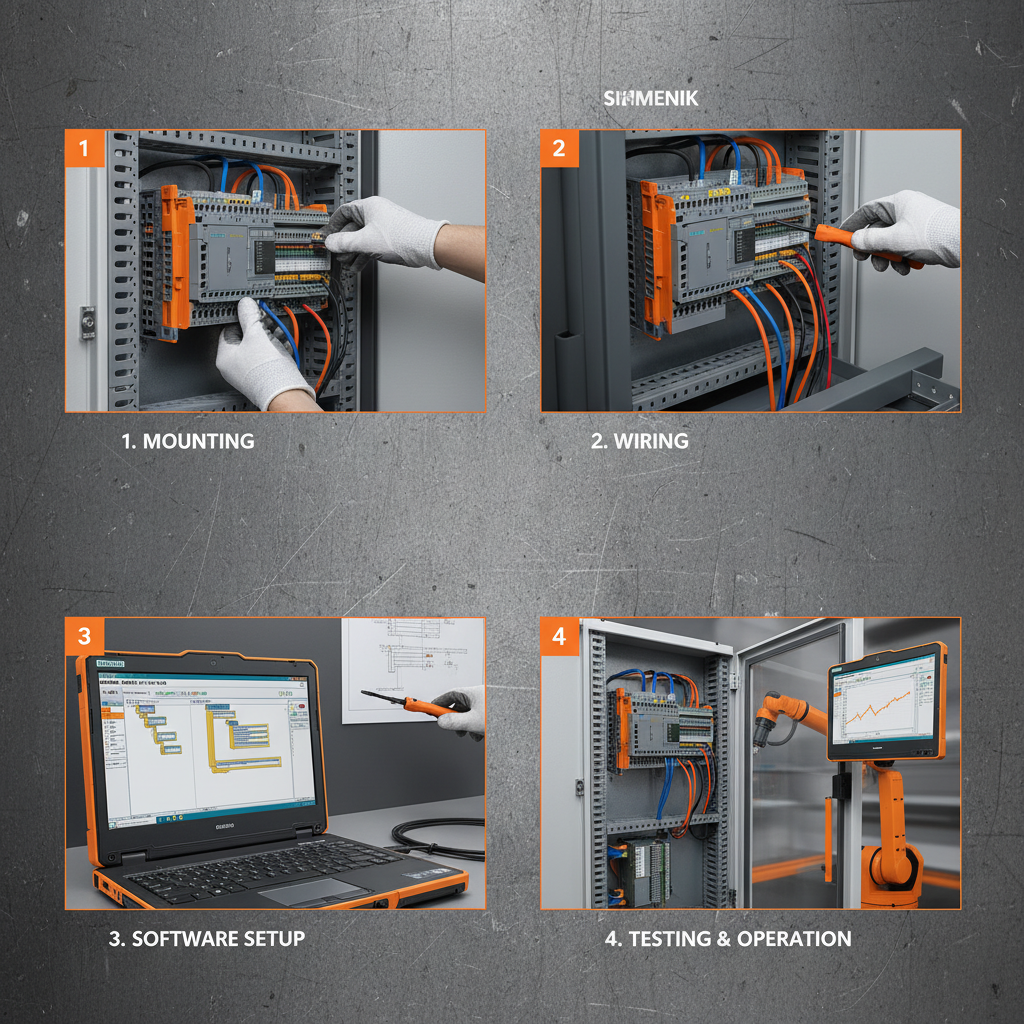
When we talk about Sizing A Vfd For A Motor, we’re essentially discussing how to correctly match a Variable Frequency Drive (VFD) to a motor's requirements. This step is crucial for optimizing performance and reliability. A VFD controls motor speed and torque by varying the frequency and voltage of its power supply. But here’s the kicker: if you don’t size the VFD properly, you risk inefficiencies, overheating, or even damage to your equipment down the line.
Frankly, many engineers find this part somewhat nuanced because it involves considering the motor’s power rating, starting current, load characteristics, and even ambient conditions. For instance, a 15 kW motor running in a high-temperature environment might need a VFD with a bit more overhead on its current rating. At Tianjin Yongkai, their VFDs offer robust insulation and thermal protection components, designed with industrial environments in mind — and these specs matter.
| Specification | Detail |
|---|---|
| Power Range | 0.75 kW to 500 kW |
| Voltage | 380V - 480V, 3-phase |
| Overload Capacity | 150% for 60 seconds |
| Operating Temperature | -10°C to 50°C |
| Control Method | V/F control, Sensorless vector |
Benefits & Use Cases of Sizing A Vfd For A Motor
In real-world industrial settings, the right size VFD keeps motors running like clockwork. You see the benefits not just in energy savings but also in smoother startup processes and prolonged motor lifespan. Imagine a conveyor belt system or HVAC motors — when these are paired with precisely sized VFDs, it means less wear and tear, and frankly, less downtime.
At companies like those served by Tianjin Yongkai, this translates to fewer service calls and more predictable maintenance schedules. Another neat edge is how these drives allow fine control over speed and torque — something you don’t get with simpler starters. Features like programmable acceleration and deceleration ramps effectively reduce mechanical stress. These drives also support regenerative braking in some cases, contributing to energy efficiency.
Vendor Comparison: VFD Solutions
| Manufacturer | Power Range (kW) | Overload Rating | Warranty | Typical Applications |
|---|---|---|---|---|
| Tianjin Yongkai | 0.75 - 500 | 150% for 60s | 2 years | Industrial motors, HVAC, conveyors |
| Competitor A | 1 - 400 | 120% for 60s | 1 year | Pumps, fans |
| Competitor B | 0.5 - 300 | 130% for 1 min | 3 years | Manufacturing lines |
Cost, Maintenance & User Experience
Let's get real for a moment. The upfront cost for a well-sized VFD might seem hefty, especially when compared to a simple motor starter. But over time, the total cost of ownership — including energy savings and reduced maintenance — tells a different story. Devices from Tianjin Yongkai are built tough to withstand industrial conditions, meaning fewer unexpected breakdowns.
From talking with engineers on site, many mention how ease of installation and intuitive interfaces improve user experience. One medium-sized factory we know reported a 15% reduction in monthly energy costs within six months of incorporating properly sized VFDs into their motor systems. Plus, customer support from the supplier ensures any hiccups are quickly sorted. That kind of reliability is invaluable in industrial supply chains.
Sustainability & Market Trends
Oddly enough, sustainability is no longer just a buzzword in motor control systems. With global regulations tightening on industrial energy consumption and emissions, businesses are pushed to adopt energy-efficient technologies. Properly sizing a VFD for a motor is a straightforward way to reduce wasteful electricity use and cut carbon footprints.
Looking ahead, the market trend leans toward smarter drives equipped with IoT and predictive maintenance tools, which Tianjin Yongkai is actively developing. This aligns with Industry 4.0 principles, where monitoring device health and efficiency in real-time can prevent costly downtime and optimize productivity.
Frequently Asked Questions about Sizing A Vfd For A Motor
- What is Sizing A Vfd For A Motor and how does it work?
- In simple terms, sizing a VFD for a motor means selecting a drive that matches the motor’s power and operational demands. The VFD adjusts motor speed and torque by changing voltage and frequency, so the right size ensures safe, efficient operation without overloading the drive or the motor.
- What are the main benefits of using Sizing A Vfd For A Motor in industrial applications?
- Key benefits include energy efficiency, improved motor lifetime, optimized process control, and reduced mechanical stress during startups. This translates to lower operating costs and better system reliability.
- How does Sizing A Vfd For A Motor compare to traditional alternatives?
- Unlike traditional starters that simply switch motors on or off, a properly sized VFD allows variable speed operation, leading to energy savings and less wear. It’s a more modern, flexible, and efficient approach that many industries now prefer.
- What industries can benefit most from Sizing A Vfd For A Motor implementation?
- Industries such as manufacturing, HVAC, water treatment, and material handling gain the most from precise VFD sizing. Success stories often come from companies optimizing conveyor systems or pump operations, where variable speed is a game-changer.
Conclusion on Sizing A Vfd For A Motor from china
To wrap it up, getting your VFD sizing right might not sound glamorous, but it’s a foundational piece of running efficient, durable motor-driven systems. Companies like Tianjin Yongkai offer robust solutions crafted to meet a broad range of industrial needs—putting reliability and performance front and center.
- Recap the value of Sizing A Vfd For A Motor.
- - Visit our website: https://www.tianjinyongkai.com
In the end, it’s about marrying precision with practicality — and sometimes, that’s where the best efficiencies are found.
References:
1. IEEE Standard for VFD Design and Application
2. Industry Reports on Motor Control Trends, 2023
3. Tianjin Yongkai Technical Datasheets and Customer Feedback