What Is Variable Frequency? Expert Insights on Industrial Drives
What Is Variable Frequency? A Veteran’s Take on Industrial Drives
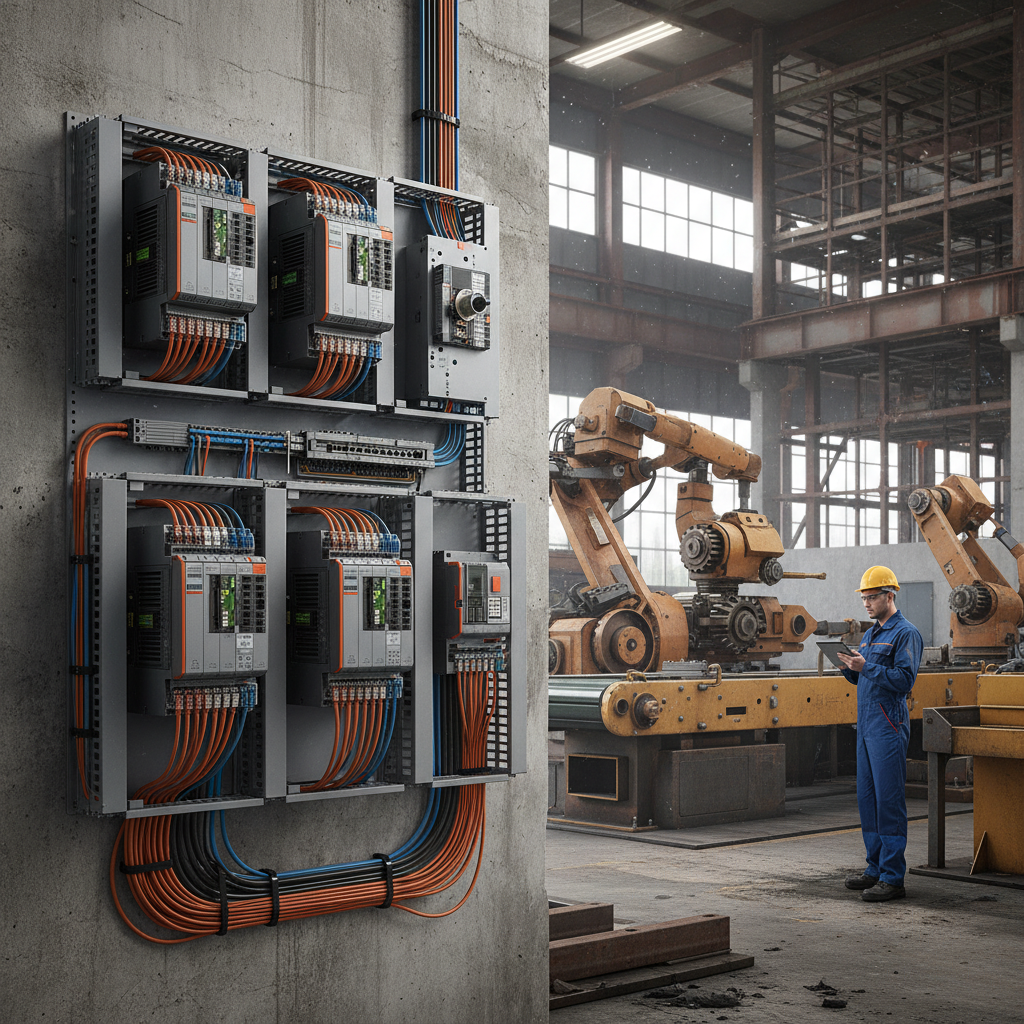
If you’ve ever dabbled in industrial equipment or factory automation, odds are you’ve heard the phrase “variable frequency” tossed around, often linked with motors and drives. But what does it really mean? Frankly, after spending over a decade working hands-on with industrial machinery —from assembly lines to HVAC systems— I can tell you there’s a lot more to variable frequency than just jargon.
So, in real terms, variable frequency refers to the ability to control the speed of an electric motor by adjusting the frequency of the electrical power supplied to it. Instead of running a motor at full throttle all the time, a variable frequency drive (or VFD) lets you dial that speed up or down smoothly, tailoring performance to demand. It feels like giving your equipment a much-needed dose of flexibility.
Why is this such a game changer? Well, first off, controlling motor speed leads to huge energy savings. I remember a client in the water treatment industry who cut their electric bill by nearly 30% just by switching to VFD-controlled pumps. It’s not just economic — it’s environmental, too.
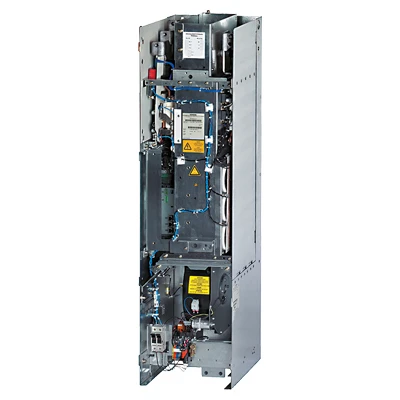
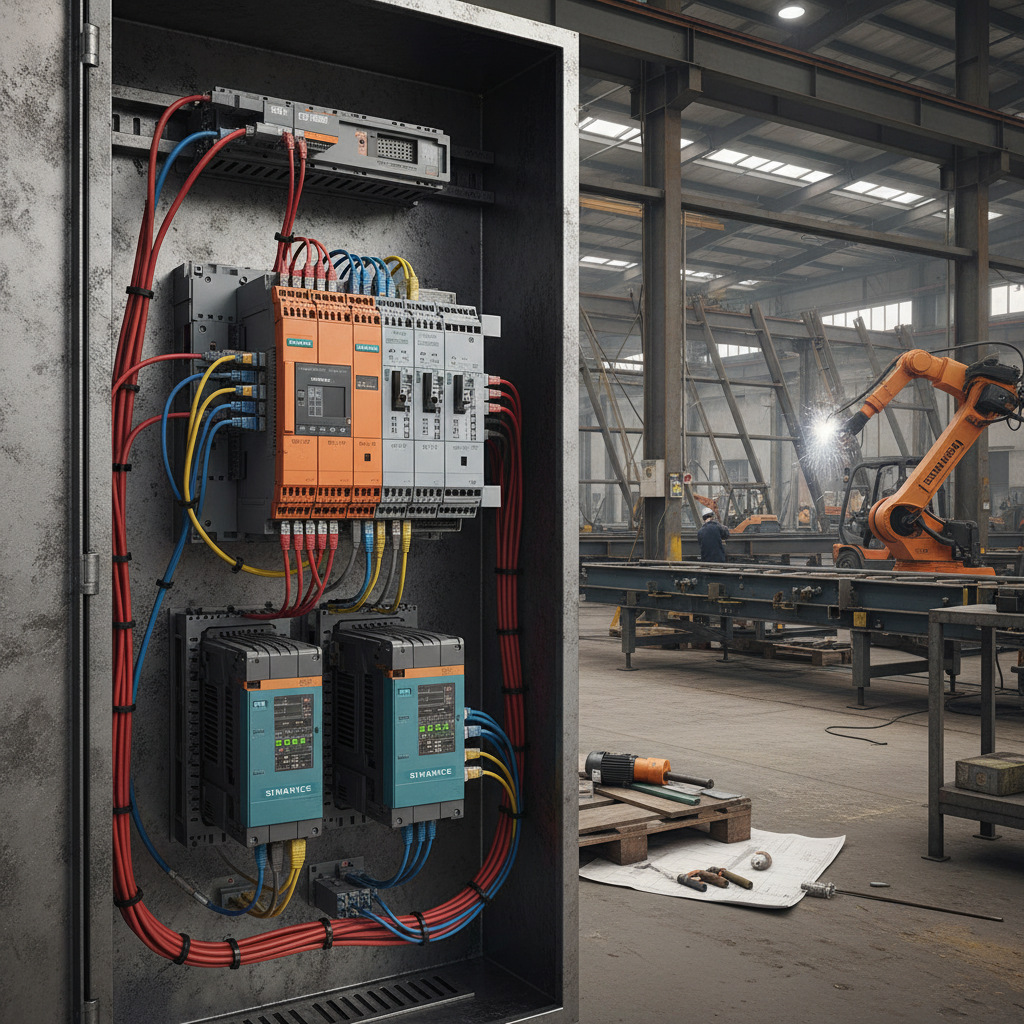
From a technical standpoint, VFDs convert incoming AC power to DC, then back to AC at a modified frequency and voltage. This process involves delicate semiconductor components, like IGBTs (Insulated Gate Bipolar Transistors), which nowadays are more robust and efficient than ever. The drives are engineered to handle everything from mild startups to heavy-duty torque demands. Testing each unit rigorously before shipping is standard practice— I personally witnessed technicians running endurance tests at a plant in Tianjin to ensure reliability under harsh industrial conditions.
Oddly enough, while the inner workings can be complex, the user experience is often pretty straightforward. Most modern VFDs come with user-friendly panels and customizable settings so engineers on site can tweak parameters without needing a degree in power electronics. That said, it still pays to understand the basics, especially the relationship between frequency, voltage, and motor speed.
When considering a VFD, product specs can tell you a lot about suitability and durability. Here’s a rough rundown of typical specs you might find — it’s a handy quick-reference:
| Spec | Typical Range | Notes |
|---|---|---|
| Input Voltage | 200-600 V AC | Depends on model and region |
| Output Frequency | 0-500 Hz | Adjusts motor speed smoothly |
| Power Rating | 0.5 to 500 kW | Covers small to heavy industrial motors |
| Control Method | V/Hz, Vector Control | Vector preferred for precise torque |
| Protection Features | Overcurrent, Overvoltage, Thermal | Ensures durability and safety |
Now, picking the right VFD vendor is another story. Some suppliers shine in customization, while others focus on cost-effectiveness or rapid delivery. Below is a quick comparison of a few notable players in the market — I won’t name names here, but these characteristics are pretty representative.
| Vendor | Strength | Weakness | Typical Lead Time |
|---|---|---|---|
| Vendor A | Highly customizable features | Premium price | 6-8 weeks |
| Vendor B | Affordable, quick delivery | Limited advanced options | 2-3 weeks |
| Vendor C | Robust after-sales support | Less suitable for small-scale use | 4-6 weeks |
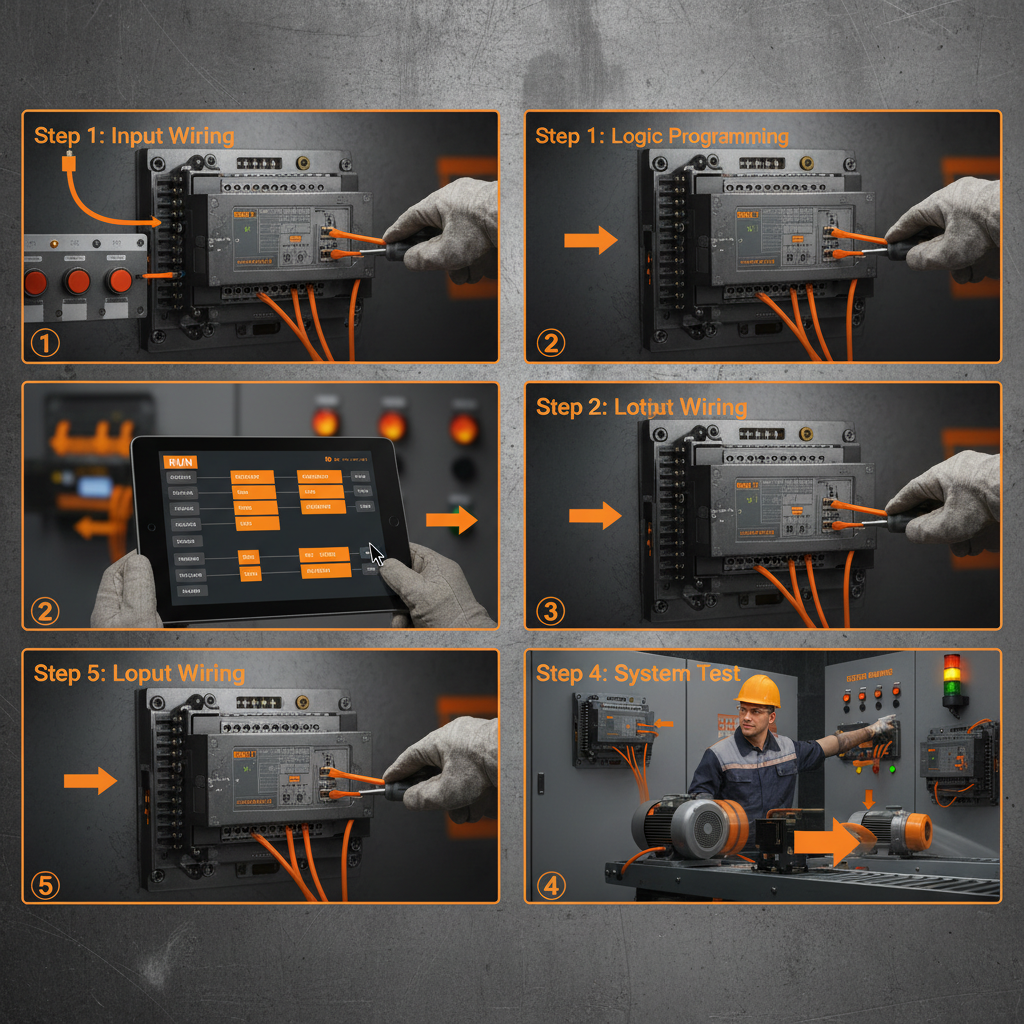
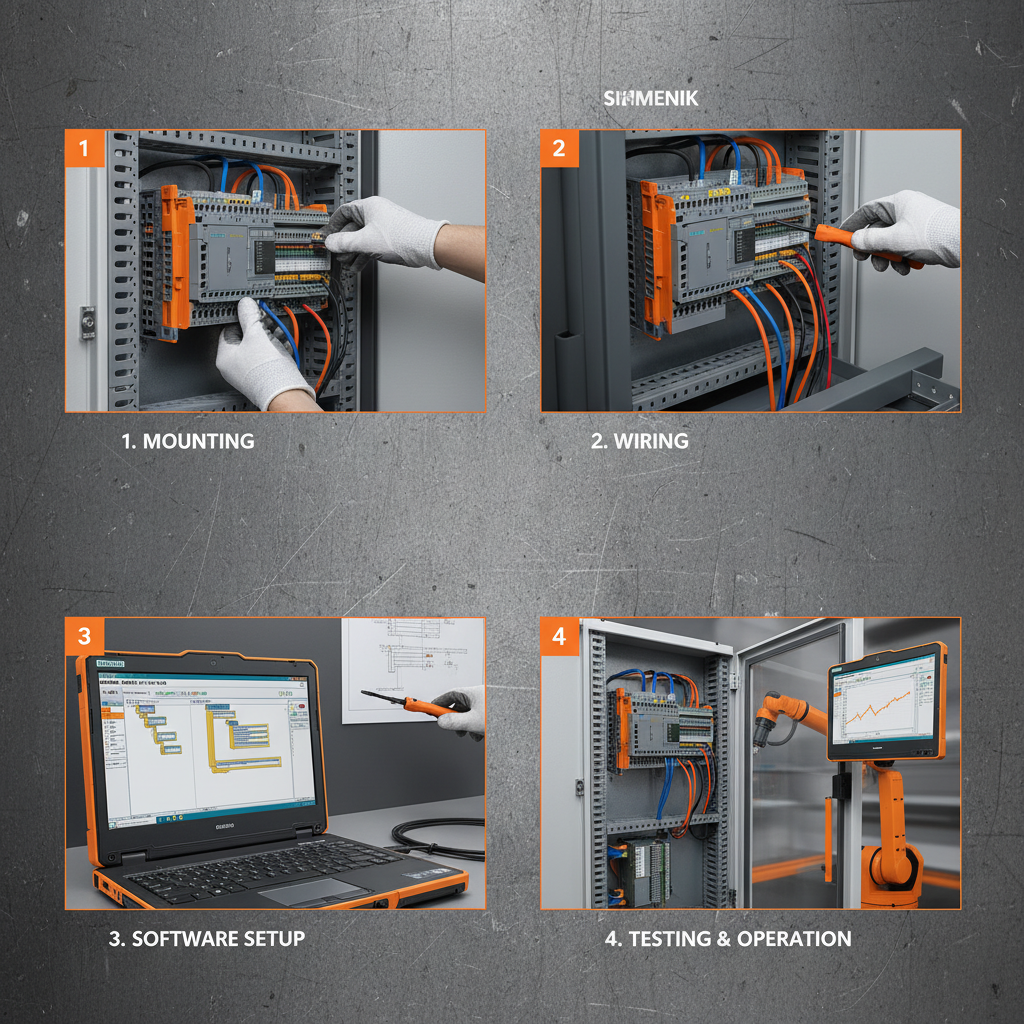
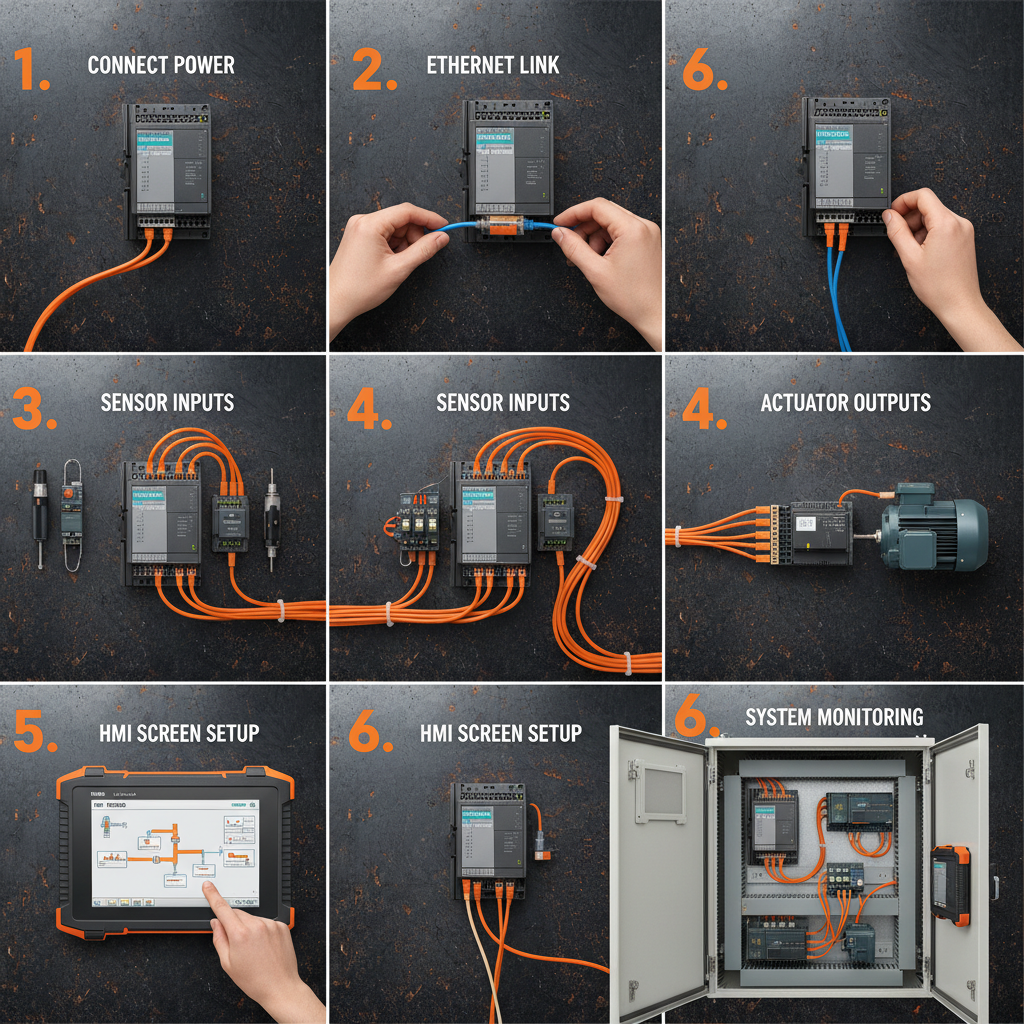
One last thing I noticed out in the field: many engineers underestimate the value of proper installation and commissioning. The VFD is only as good as the system it’s integrated into. If you’re not careful with wiring, environmental factors (like dust or moisture), or matching the drive to the motor specs, you might end up with headaches rather than smooth operations.
All that said, variable frequency technology remains a cornerstone of modern industrial automation—helping to save energy, extend equipment life, and achieve precise process control. If you’re upgrading or building new setups, it’s worth digging into the details and maybe consulting experts who’ve wrestled with these systems day in and day out.
In the end, it's the subtle art of motor control that quietly keeps so many factories humming efficiently – and that, oddly enough, still fascinates me after all these years.
References:
- IEEE Industry Standards on Variable Frequency Drives
- Field reports from industrial automation plants, 2010-2023
- "Motor Control Basics," Electric Power Research Institute (EPRI)