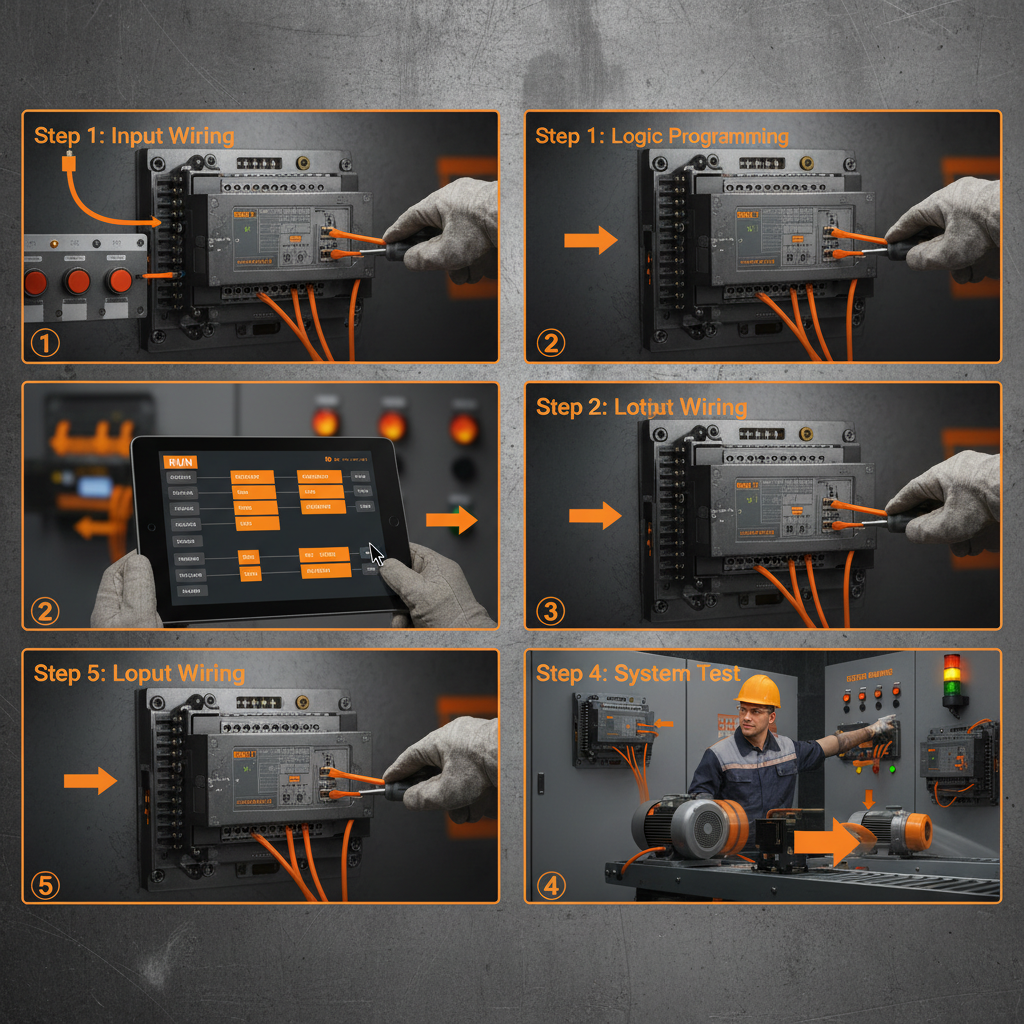
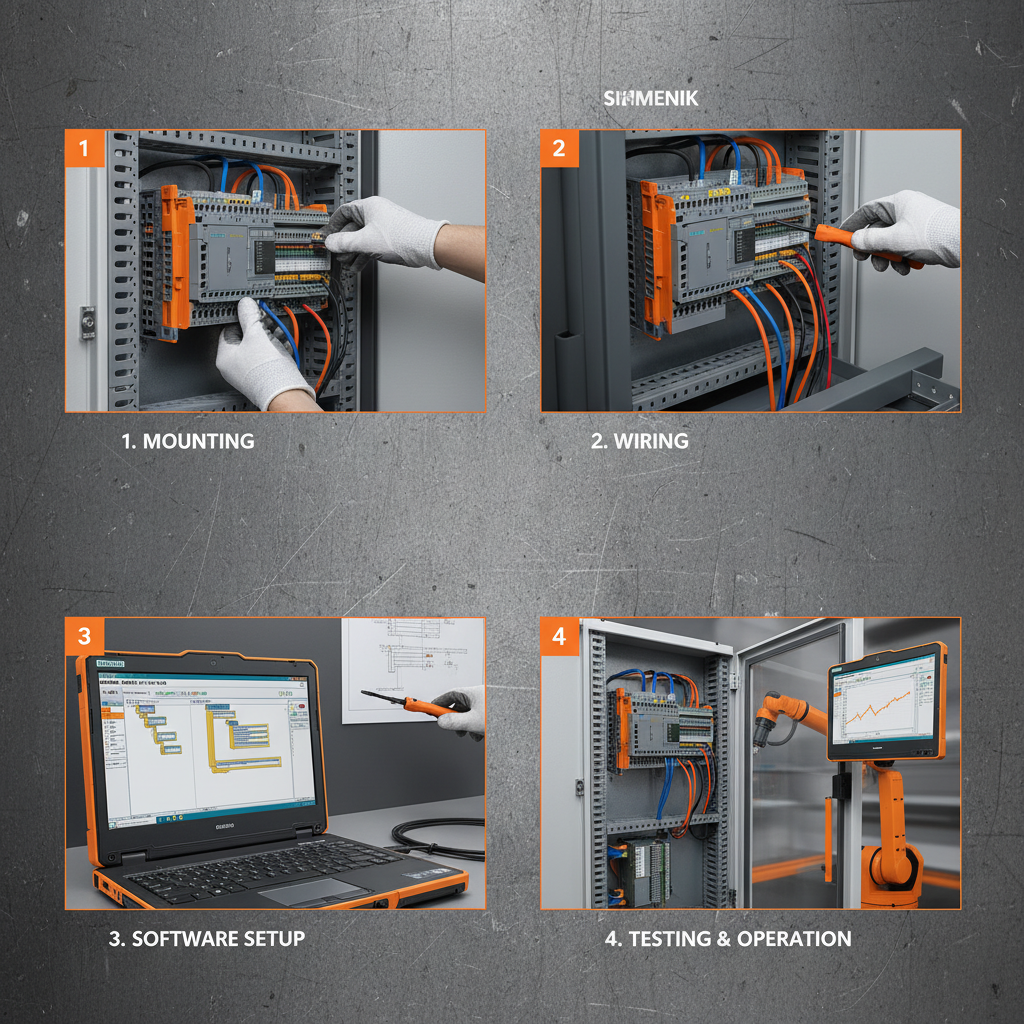
Comprehensive Guide to 120v VFD 2HP – Benefits, Applications & Trends
Understanding 120v VFD 2HP: A Practical Guide for Industry and Innovation
At first glance, the term 120v VFD 2HP might seem like another slice of heavy technical jargon, but it actually plays a vital role in modern industrial applications worldwide. Why? Because it helps control motor speed and saves energy—making machines smarter and more efficient. From manufacturing lines in bustling cities to remote agricultural systems relying on electricity, the right variable frequency drive (VFD) at 120 volts and two horsepower rating ensures systems run not just effectively, but economically and sustainably.
Global Context: Why the 120v VFD 2HP Matters Today
In a world that’s rapidly urbanizing—moving toward smart factories and greener tech—energy efficiency standards are stricter than ever. The International Energy Agency (IEA) notes that electric motors consume nearly half of all electricity worldwide. Controlling that consumption is crucial, which is precisely where a 120v VFD 2HP setup shines. Notably, many regions, especially emerging markets, rely on this configuration because it pairs well with common residential or small industrial power supplies. However, challenges like voltage fluctuations and durability often arise in such locales, making understanding VFDs even more critical.
What Exactly Is a 120v VFD 2HP?
Simply put, a variable frequency drive (VFD) is an electronic controller that adjusts the speed of an electric motor by varying input frequency and voltage. The “120v” refers to the operating voltage, common in many regions, while “2HP” denotes the horsepower rating—the motor's output power capacity. Together, a 120v VFD 2HP setup effectively controls relatively small motors used in HVAC systems, pumps, conveyors, and agricultural equipment. By matching the motor speed precisely to the task, it dramatically improves energy efficiency and reduces mechanical stress.
Examining Key Components of the 120v VFD 2HP System
1. Durability and Build Quality
In demanding environments—think dusty factories or humid greenhouses—the internal components of the VFD must withstand wear and tear. Good thermal management and rugged casing often dictate longevity.
2. Scalability
Unlike fixed-speed motors, VFD setups like the 120v 2HP models can scale operation to fit diverse workloads, which improves productivity without requiring frequent hardware upgrades.
3. Cost Efficiency
Although initial investment might be higher than a simple on/off controller, the energy savings and decreased maintenance costs quickly balance the scales.
4. Compatibility and Control Features
Modern VFDs often support remote control and integration with SCADA systems, which means operators can optimize performance from afar—critical in automated factory floor settings.
Product Specifications for a Typical 120v VFD 2HP Unit
| Specification | Details |
|---|---|
| Input Voltage | 120 volts AC |
| Horsepower Rating | 2 HP |
| Max Output Frequency | 400 Hz |
| Protection Rating | IP20 - IP54 options available |
| Control Type | PWM (Pulse Width Modulation) |
| Communication | Modbus, RS485 (optional) |
Global Vendors: A Quick Comparison
| Vendor | Price Range (USD) | Warranty | Notable Features |
|---|---|---|---|
| Delta Electronics | $150 - $250 | 2 years | Energy-saving mode, Compact size |
| Siemens | $200 - $300 | 3 years | Advanced diagnostics, Integration with PLCs |
| Teco Westinghouse | $180 - $260 | 2 years | Robust design, Wide voltage range |
Practical Applications Across the Globe
Industries from small-scale agriculture in Southeast Asia to commercial HVAC providers in North America depend on 120v vfd 2hp solutions to stay efficient. For example, in scenarios like remote water pumping where power sources are limited or unstable, these VFDs allow operators to manage energy consumption far more effectively than traditional methods. Similarly, post-disaster relief operations often rely on flexible, portable motor drives that can run off nearby generators or low-voltage grids, making 120v VFDs a good match.
Advantages that Go Beyond the Specs
- Energy Savings: Variable control means motors only draw power they need, reducing wasted wattage.
- Improved Equipment Lifespan: By soft-starting motors, the VFD cuts down on mechanical stress.
- Environmental Impact: Reduced energy consumption lowers carbon footprints—key for sustainability goals.
- Operational Safety: Precise control mitigates sudden motor failures or overheating, boosting workplace trust.
The benefit mix isn’t always immediately obvious until you see the cumulative savings year over year. Many engineers swear by VFDs in reducing downtime, which frankly, is priceless.
Looking Ahead: Future Trends with 120v VFD 2HP Units
As digital transformation sweeps through industries, variables like IoT connectivity and AI-driven predictive maintenance are becoming common. Imagine a 120v VFD 2HP that not only adjusts its output but learns the load patterns to anticipate failures before they happen. Plus, green tech integration is pushing VFDs into renewable energy setups, such as solar-powered irrigation systems, aligning perfectly with global sustainable development goals.
Challenges & Their Innovative Solutions
But it’s not all smooth sailing. Issues with harmonic distortion on power lines and susceptibility to electrical noise can frustrate users. Luckily, solutions like advanced filtering modules and shielded cabling are widely available. Some vendors offer enhanced firmware for adaptive control, continuously optimizing settings despite grid instability. Frankly, choosing the right 120v VFD 2HP often comes down to consulting with specialists who understand your operating environment deeply.
FAQ: Common Questions About 120v VFD 2HP
Q1: Can a 120v VFD 2HP be used with single-phase power?
A1: Yes, many 120v VFDs are designed to operate on single-phase power, making them ideal for residential and small industrial use. However, it's important to verify that the specific VFD supports single-phase input to avoid damage.
Q2: How does a 2HP motor compare to other horsepower ratings?
A2: A 2HP motor is suitable for medium-load applications like pumps and fans. It strikes a balance between power and manageability, perfect for environments where space and energy efficiency matter.
Q3: What maintenance does a 120v VFD require?
A3: Typically, maintenance involves cleaning dust from cooling fans, checking wiring connections for corrosion, and updating firmware if applicable. Regular inspections prevent overheating and unexpected failures.
Q4: Are these VFDs compatible with renewable energy setups?
A4: Absolutely, especially when paired with battery storage or solar inverters, 120v VFDs can regulate motor speed effectively while leveraging green energy sources.
Q5: Can I integrate a 120v VFD 2HP with smart factory systems?
A5: Yes, many VFDs offer communication protocols such as Modbus, enabling seamless integration with industrial automation platforms.
Conclusion
In real terms, understanding and implementing a 120v VFD 2HP isn’t just about buying a piece of tech—it’s about stepping into a smarter, more efficient future where energy is saved, machinery lasts longer, and operators gain more control. Considering its global relevance and adaptability, it’s a critical piece of the industrial puzzle. Curious to explore options? Visit our website: https://www.tianjinyongkai.com to see how we can match your needs with the right solutions.
Mini takeaway: A 120v VFD 2HP setup marries efficiency with versatility—perfect for industries looking to optimize power without overspending.