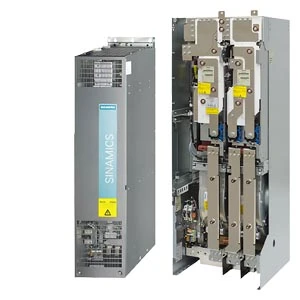
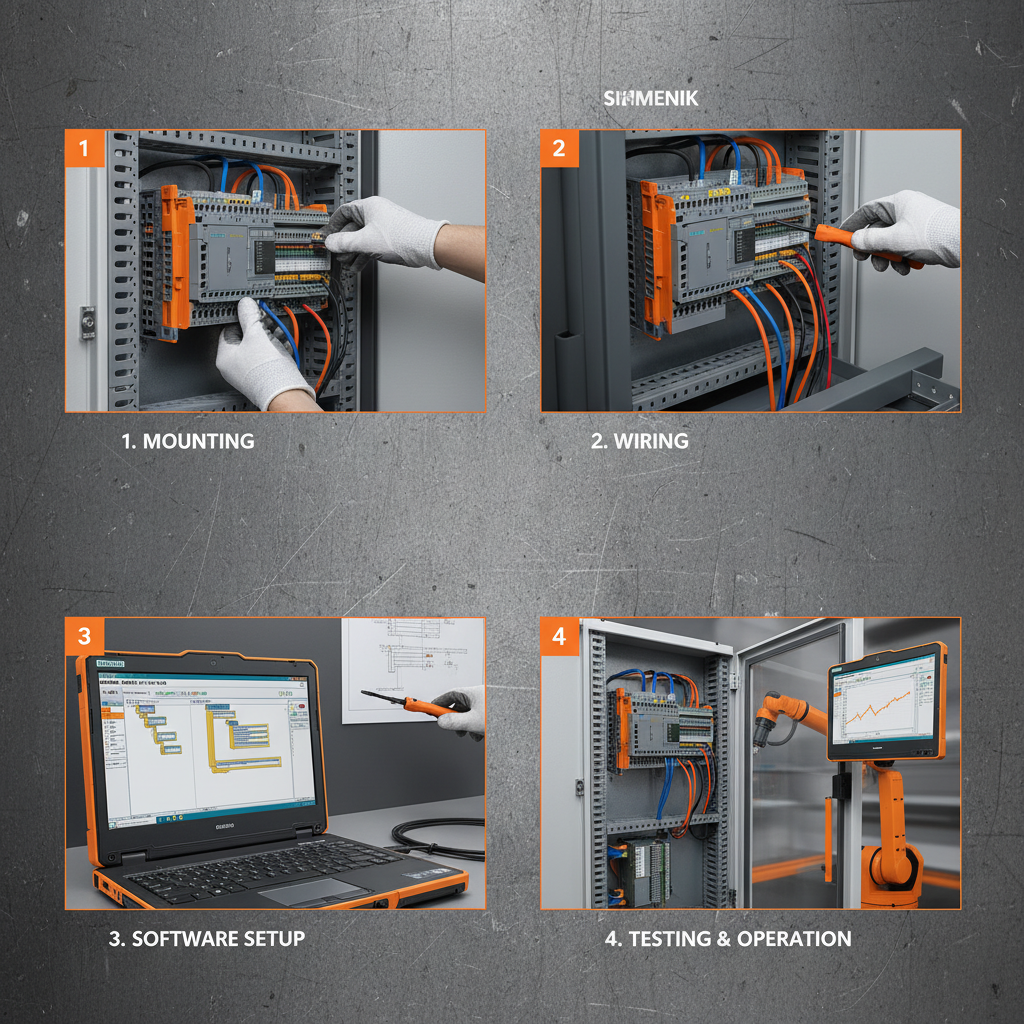
Understanding VFD Drive Single Phase to Three Phase – Global Applications & Benefits
Understanding VFD Drive Single Phase to Three Phase: Why It Matters Globally
At first glance, converting single-phase power to a three-phase supply might seem like a very niche or technical concern. But the truth is, this capability forms an essential backbone for industries worldwide, especially in places where three-phase power isn't readily accessible. From remote factories in developing countries to backup power scenarios in cities, a vfd drive single phase to three phase system opens up big opportunities — making high-powered machinery more accessible, cheaper to run, and ultimately helping businesses grow smarter and more sustainably.
In essence, understanding these drives means understanding how to bridge energy gaps, optimize power usage, and deliver reliability where it's needed most.
The Global Context: Powering Industry in a Wired World
According to the International Energy Agency, about 770 million people worldwide still lack access to electricity. Even where power grids exist, the quality is often less than ideal, with many rural or industrial sites relying only on single-phase power lines. Industrial equipment, however, typically prefers or requires three-phase power for efficient operation.
It's a tricky problem: how to use modern motors and equipment designed for three-phase power in areas served only by single-phase electricity. Enter the variable frequency drive (VFD) that converts and conditions the power, making the whole process seamless.
Frankly, power conversion tech like vfd drive single phase to three phase is quietly revolutionizing industrial setups by enabling smooth and stable operations without rewiring entire infrastructures—a costly and time-consuming exercise.
What Is a VFD Drive Single Phase to Three Phase, Exactly?
Put simply, a VFD (Variable Frequency Drive) that converts single-phase input to a three-phase output is an electronic device. It takes erratic or limited single-phase power and transforms it into a reliable three-phase supply that machinery can easily use.
This device doesn’t just convert phase; it also controls the motor speed by adjusting the frequency and voltage feeding the motor, enhancing both efficiency and motor life.
In modern industry terms, these drives are crucial because many machines—from conveyors to pumps—need three-phase power, which provides a more consistent and balanced electrical load. This is essential for heavy-duty performance and longevity.
Key Components That Make VFDs Work
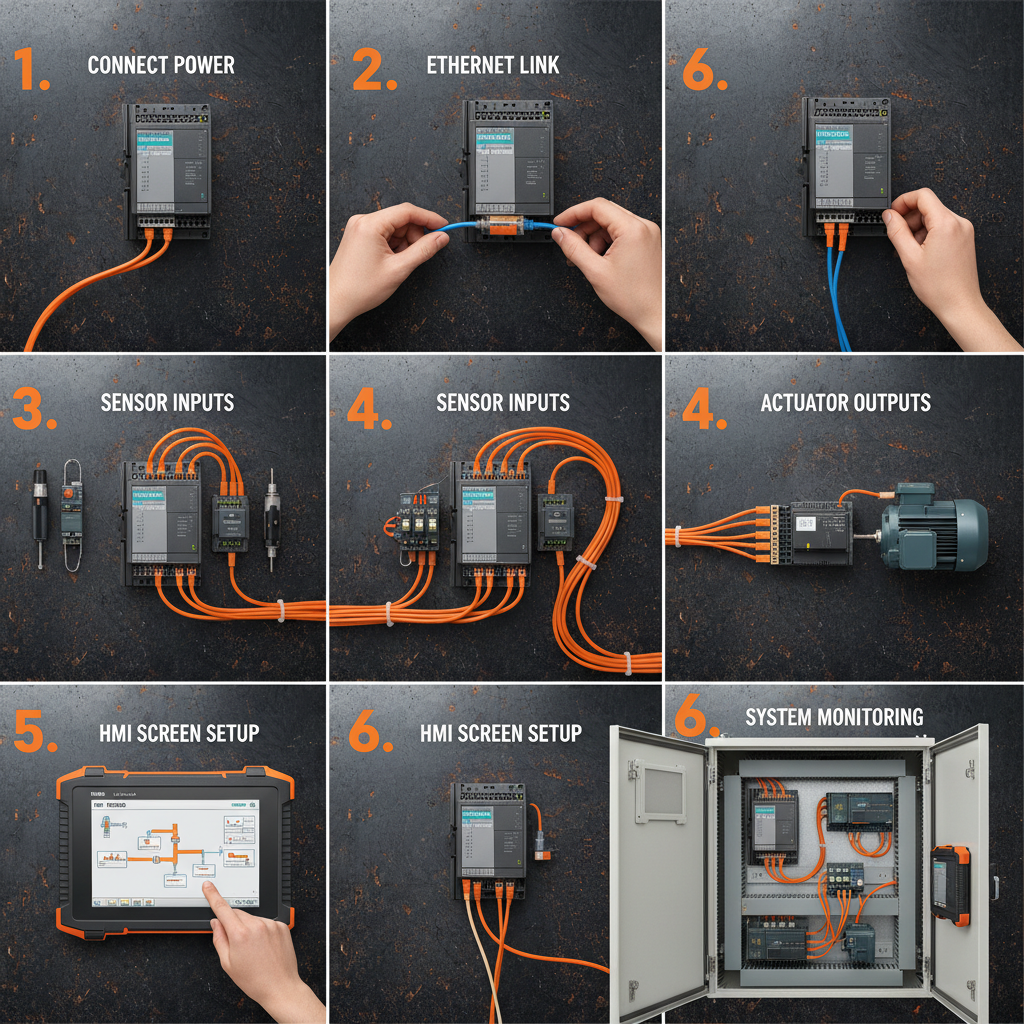
1. Power Conversion Module
This is where the magic begins: the VFD rectifies (converts) incoming single-phase AC power to DC, then inverts it back to three-phase AC. The sophistication of this stage determines output quality.
2. Control Unit
The brains of the operation. The control unit manages voltage, frequency, and speed, often providing customizable motor curves that improve energy efficiency.
3. Cooling System
VFDs generate heat, especially when converting phases. Good thermal management—via heatsinks or fans—is key to durability.
4. Communication Interface
Many modern VFDs come with connectivity options (like Modbus or Ethernet), allowing remote monitoring and quick tweaks—something industrial teams increasingly rely on.
5. Protective Features
Overload protection, under-voltage, and short-circuit prevention safeguard both the drive and connected equipment, reducing downtime.
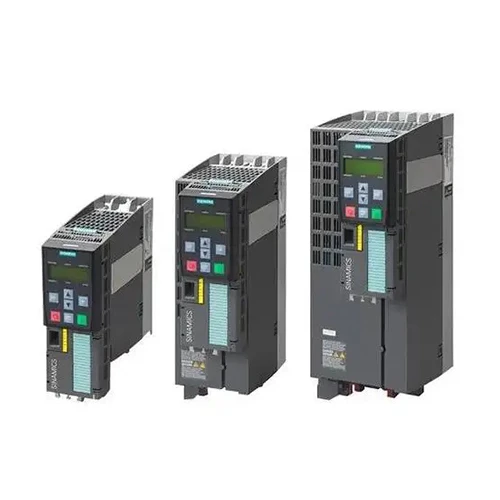
In real terms, these units range in complexity and size—from compact models for small motors to robust drives powering massive industrial plants.
Global Applications and Use Cases
The applications for vfd drive single phase to three phase conversions span continents and sectors. In Asia’s remote manufacturing hubs, where upgrading to three-phase power lines is not viable, VFDs enable factories to run complex machinery without huge electrical overhauls.
- Agriculture: Irrigation pumps and grain elevators can run reliably on three-phase power derived from single-phase rural grids.
- Mining and Construction: Portable equipment benefits immensely, especially in temporary setups or disaster zones.
- Water Treatment Plants: Ensures pumps and fans operate smoothly, enhancing water supply reliability.
- Post-disaster Relief: Mobile power units equipped with these drives can run essential equipment effectively.
Oddly enough, in developed countries, these drives also help in residential solar installations by converting rooftop-generated single-phase power to three-phase for home machinery and electric vehicle chargers.
Advantages and Long-Term Value of Using VFD Drives
There’s a logical side and an emotional side here:
- Cost-effectiveness: Avoids costly upgrades to power infrastructure.
- Energy Efficiency: By modulating motor speed, VFDs reduce wasted energy and lower bills.
- Extended Equipment Life: Soft-start features mean less mechanical stress.
- Safety and Stability: Protects motors and operators through smart control and monitoring.
- Environmental Impact: By optimizing energy use, VFDs contribute to lower carbon footprints.
Many engineers say that investing in these drives not only boosts productivity but also builds trust in the reliability of power-dependent processes, which is priceless, especially when downtime means real money lost.
Looking Ahead: Future Trends in VFD Technology
Automation, digital control, and sustainability are the big themes shaping VFD evolution. Expect:
- Integration with IoT: Remote diagnostics will become standard, making maintenance predictive rather than reactive.
- Use of Wide Bandgap Semiconductors: Silicon Carbide (SiC) and Gallium Nitride (GaN) will boost efficiency and shrink device sizes.
- Smart Grid Compatibility: Drives will adapt dynamically to variable renewable energy supplies, helping stabilize grids.
These advances mean vfd drive single phase to three phase devices will continue to be pivotal in green energy transitions and digital industrial ecosystems.
Challenges and How to Overcome Them
Despite their advantages, VFDs converting single-phase to three-phase face challenges:
- Harmonic Distortion: Can affect other electrical equipment but is manageable with filtering technologies.
- Initial Cost: Sometimes perceived as expensive—but the ROI is usually favorable.
- Technical Expertise: Proper setup requires skilled engineers; ongoing training is essential.
Many vendors now offer turnkey solutions and support packages to smooth the learning curve. Plus, growing standardization means compatibility issues are less common.
Product Specification Table
| Feature | Typical Value | Notes |
|---|---|---|
| Input Voltage | 220–240V AC (Single Phase) | Standard household supply in many regions |
| Output Voltage | 3-phase 220–380V AC | Adjustable per motor requirements |
| Power Range | 0.75 kW – 15 kW | Suitable for small to medium motors |
| Frequency Range | 0.1 to 400 Hz | Motor speed control flexibility |
| Cooling | Fan or natural convection | Depends on model size |
| Communication Protocol | Modbus RTU/Ethernet | For automation integration |
Vendor Comparison Table
| Feature | Vendor A | Vendor B | Vendor C |
|---|---|---|---|
| Max Power Output | 15 kW | 10 kW | 12 kW |
| Communication Protocols | Modbus, Ethernet | Modbus only | Ethernet, Profibus |
| Cooling Method | Fan cooled | Natural convection | Fan cooled |
| Price Range | $$$ | $$ | $$$ |
| Technical Support | Global | Regional | Global |
FAQs About VFD Drive Single Phase to Three Phase
- Q1: Can a VFD drive convert any motor from single-phase to three-phase?
- Not quite. While a VFD can create three-phase power from a single-phase input, the motor should be three-phase compatible. Trying to run a single-phase motor with three-phase output won't work properly. Always check your motor specs before pairing it with a VFD.
- Q2: Are VFDs energy efficient even when converting single to three-phase?
- Definitely. Besides enabling three-phase outputs, VFDs offer precise speed and torque control, cutting down on wasted energy. Though there’s some loss during conversion, it’s generally offset by the energy savings in motor operation.
- Q3: How complex is the installation of a single-phase to three-phase VFD?
- Installation requires some electrical know-how, especially to ensure safety and compliance with local codes. Many vendors provide detailed instructions or support, but it’s best to involve a qualified electrician or technician to avoid issues.
- Q4: Are these drives compatible with renewable energy sources?
- Yes, increasingly so. VFDs can be integrated with solar or wind power setups where single-phase input needs to be converted for industrial three-phase motors, aiding green energy adoption.
Wrapping Up: Why Making The Shift Is Worth It
In a nutshell, a vfd drive single phase to three phase lets you elegantly solve a common industrial puzzle—how to run sophisticated machinery without switching power grids. It’s not just a piece of hardware; it’s a key enabler for business flexibility, energy efficiency, and operational stability.
If you’re looking to bring three-phase power benefits into places where only single-phase lines exist, this is the tech to explore. Visit our website: https://www.tianjinyongkai.com and discover how the right VFD can transform your setup.
Summary Takeaways:
- VFDs bridge the gap between single-phase availability and the needs of three-phase equipment.
- They provide cost savings, efficiency, and improved machine longevity.
- Emerging technologies and IoT integration promise smarter, greener power control.
It’s a small technological leap with outsized impact—industrial flexibility meeting local realities.
References:
1. International Energy Agency (IEA) - Electricity Access Data: iea.org
2. Wikipedia - Variable Frequency Drive: en.wikipedia.org
3. ISO Standards on Electrical Equipment Safety and Efficiency (ISO 12100): iso.org