Comprehensive Guide to Frequency Drive Motors: Efficiency & Innovation
The World of Frequency Drive Motors: Why They Matter Everywhere
Ever wonder what keeps modern industry humming smoothly? The frequency drive motor is one quiet hero behind the scenes. From reducing energy bills to enabling precise speed control, understanding these motors is crucial not only for engineers but for anyone curious about sustainable, efficient tech in today's fast-paced world.
Global Context: Why Frequency Drive Motors Are a Big Deal
Energy efficiency isn’t just a buzzword. According to the International Energy Agency (IEA), electric motors consume nearly half of global electricity in the industrial sector — imagine that! So improving their efficiency is key to fighting climate change and cutting operational costs.
Frequency drive motors are vital in that mix. They allow equipment to run only as fast as needed, slashing wasted power. In industries spanning from manufacturing hubs in Germany to sprawling factories in China, these motors tackle the problem of inflexible, energy-hogging machines. It’s also a big step for developing regions striving for sustainable industrial growth.
What Exactly Is a Frequency Drive Motor?
Simply put, a frequency drive motor is an electric motor paired with a Variable Frequency Drive (VFD) that controls how fast the motor spins by adjusting the electrical supply’s frequency. Instead of a motor running full throttle all the time, this combo lets you dial speed up or down smoothly.
This technology supports everything from conveyor belts in warehouses to water pumps in drought-hit areas—making it more than an engineering curiosity, but a practical solution to real-world challenges.
Core Components That Make It Tick
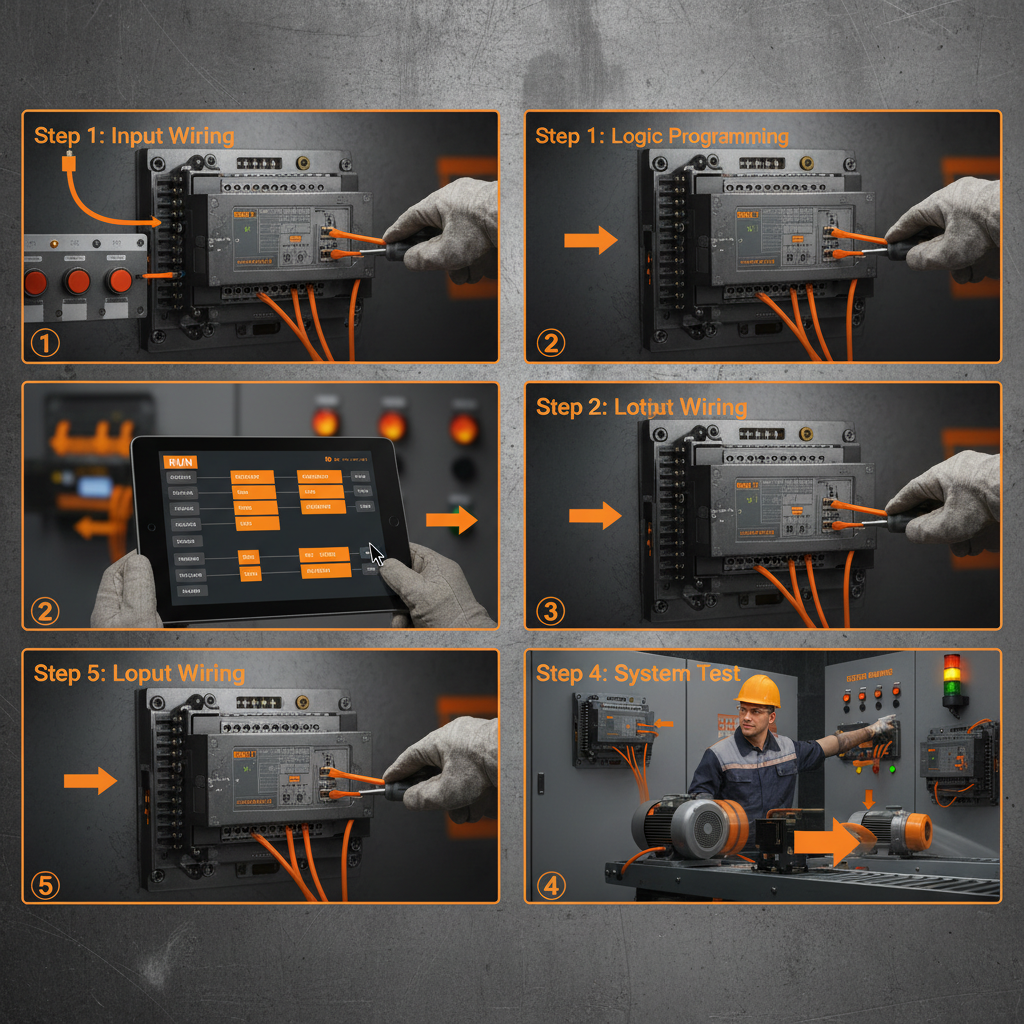
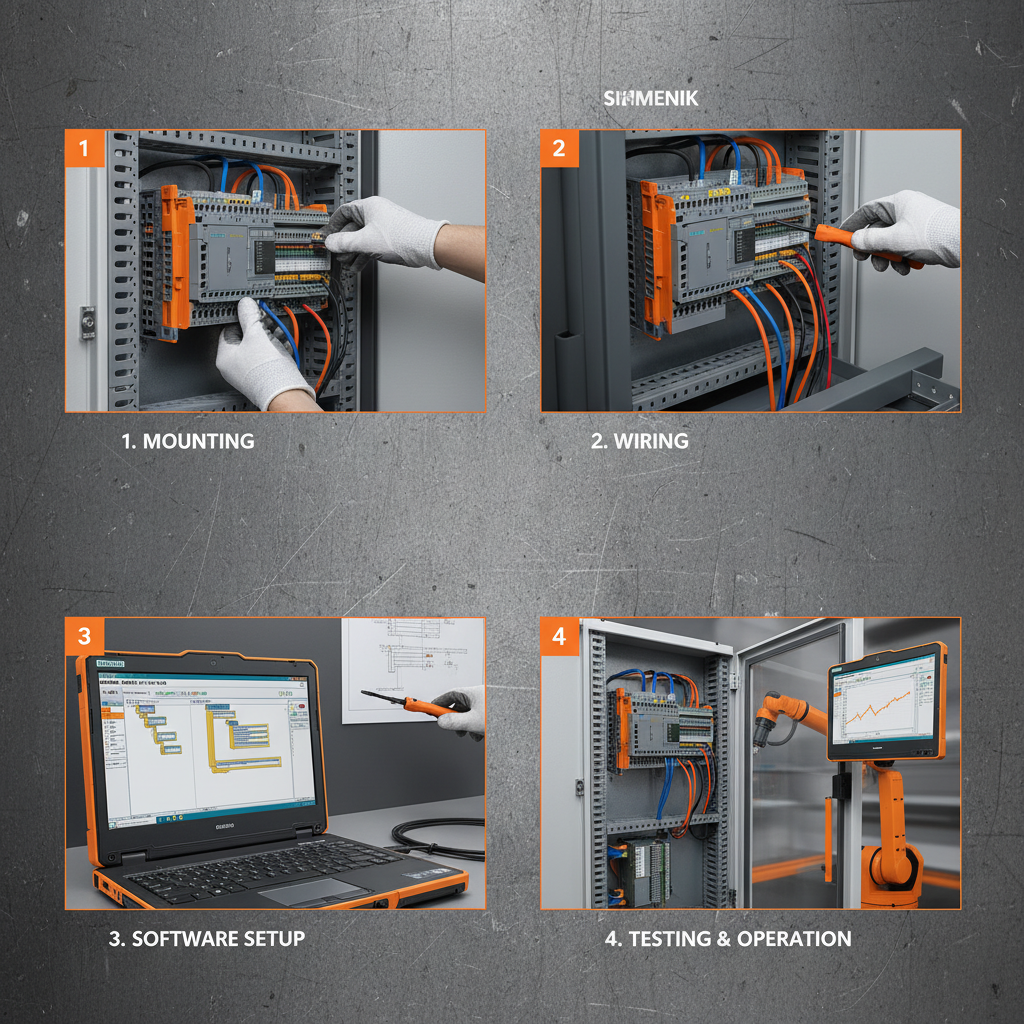
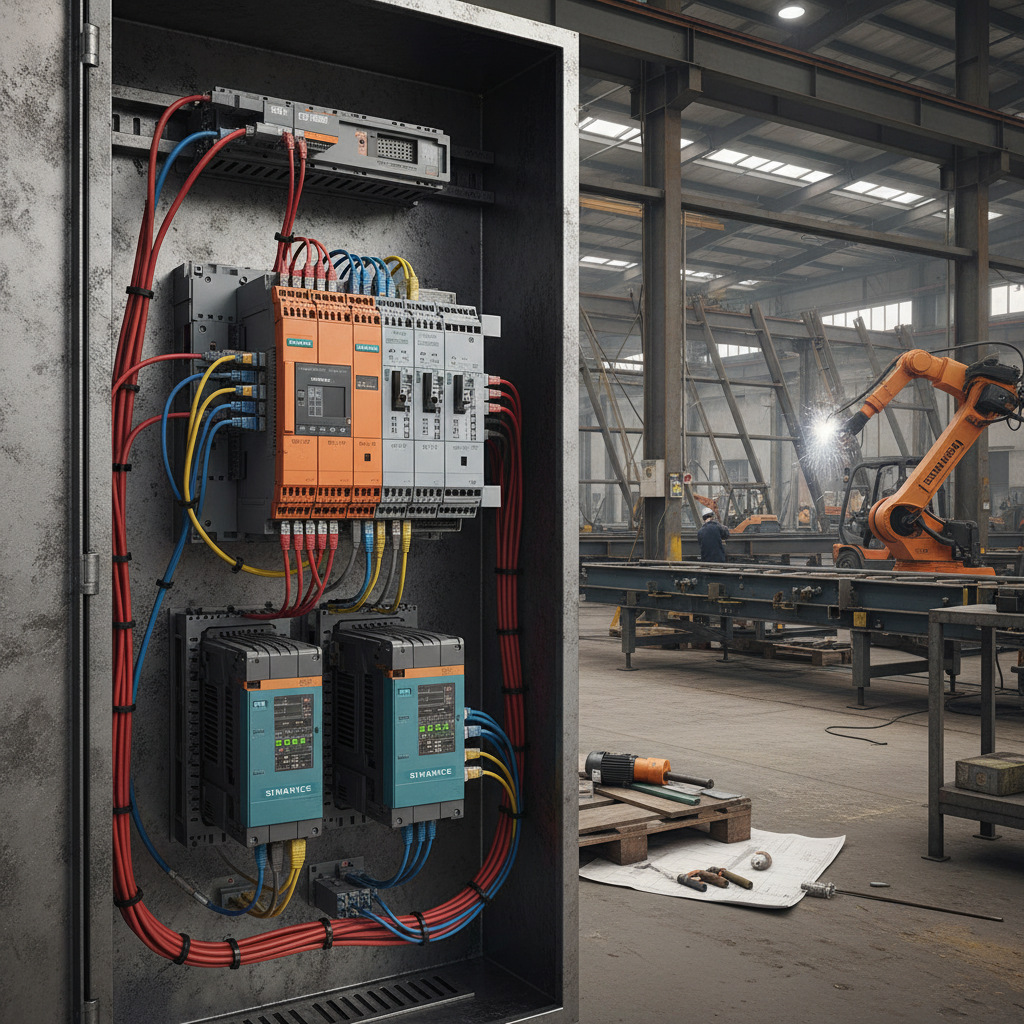
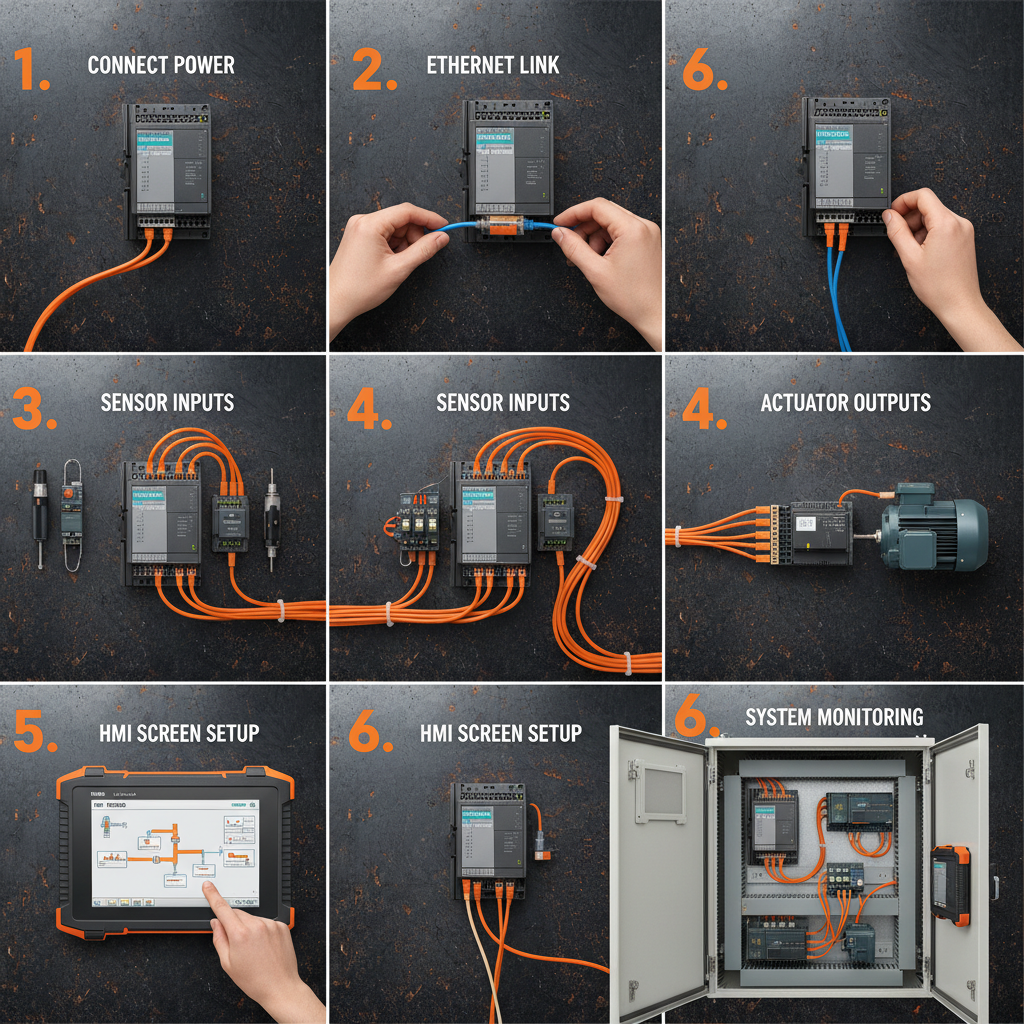
1. Variable Frequency Drive (VFD)
The brain of the system, the VFD adjusts input frequency and voltage to control motor speed and torque. It’s like the accelerator pedal in a car.
2. The Motor Itself
Typically, an induction or synchronous motor designed to handle variable power inputs without overheating or loss of efficiency.
3. Feedback Sensors
Optional but common in precision applications to monitor motor speed and position, ensuring smooth operation.
4. Cooling System
As with any machinery, keeping things cool prevents breakdowns. Frequency drive motors often integrate advanced cooling suited to variable speeds.
5. Control Interface
This can be digital or analog, allowing operators or automated systems to set the motor speed and monitor status remotely.
Mini Takeaway:
Combining these elements builds a flexible, energy-saving powerhouse capable of adapting to many situations — and that, frankly, is why they’re everywhere.
Real-World Benefits of Frequency Drive Motors
What’s better than saving money? Saving money while protecting the planet and improving operational flexibility. Frequency drive motors deliver:
- Energy efficiency: Cut electric consumption by up to 50% in some applications.
- Lower maintenance: Smooth startups and less wear & tear extend machine life.
- Improved process control: Ramp speeds up or down for precise operations.
- Noise reduction: Running motors at lower speeds means a quieter factory floor.
Global Use Cases: Who’s Using These Motors and Where?
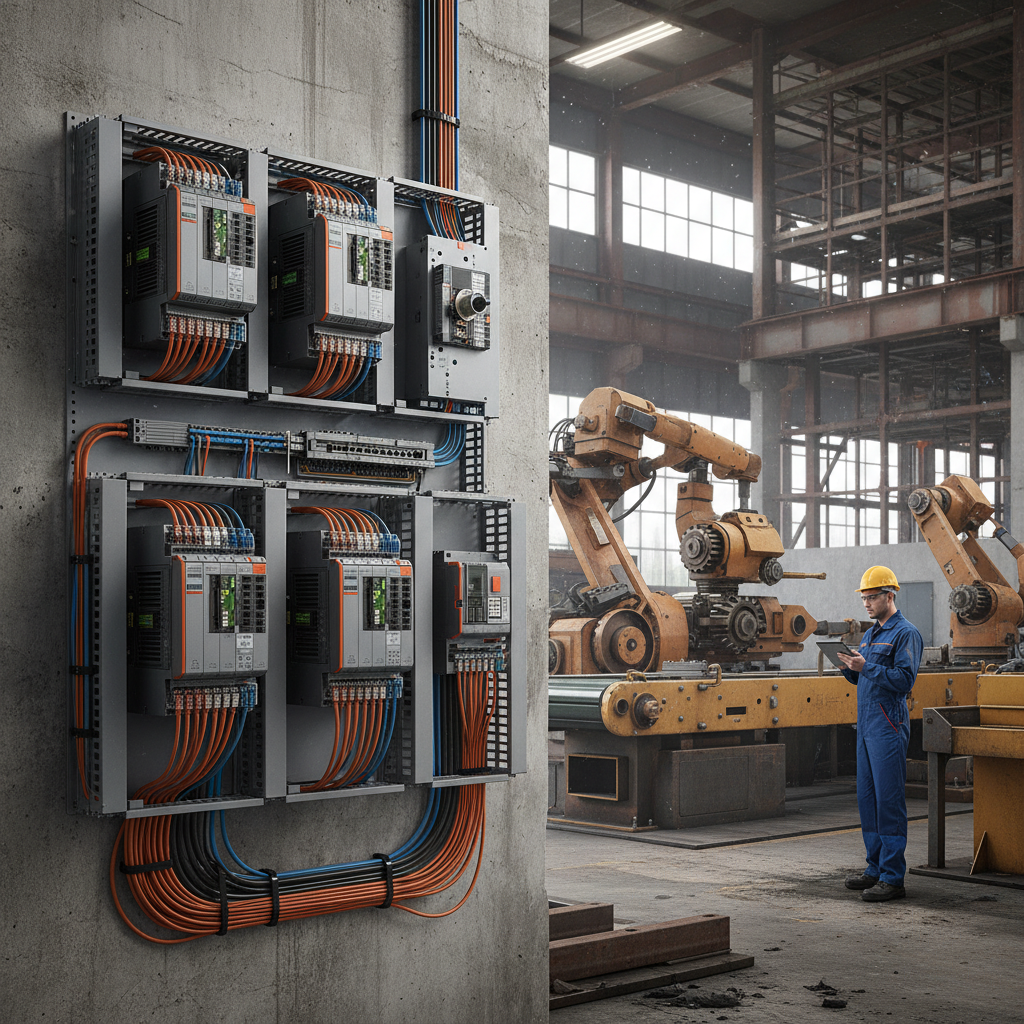
From sprawling Asian industrial zones to European agriculture, the use of frequency drive motors spans the globe.
- Water Management in Africa: Solar-powered frequency drive motors pump water in villages, enhancing food security.
- Automotive Manufacturing in Germany: Precision speed control helps assemble vehicles efficiently.
- Commercial HVAC in the US: Adjusting fan speeds reduces energy peaks in large buildings.
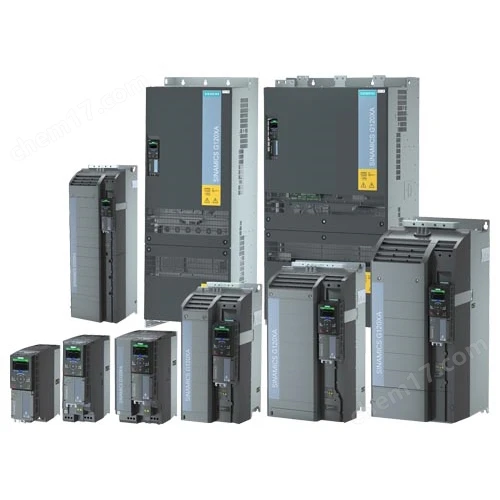
For a closer look at industrial options, check out this detailed frequency drive motor showcase—some seriously innovative models there.
Technical Specifications – A Sample Frequency Drive Motor Model
| Specification | Detail |
|---|---|
| Motor Type | Three-phase Induction |
| Power Rating | 15 kW |
| Input Voltage | 380 V AC |
| Frequency Range | 0 – 60 Hz |
| Speed Range | 0 – 1750 RPM |
| Control Interface | Digital LCD with Remote Connectivity |
| Efficiency | > 92% |
Vendor Comparison: Key Players in Frequency Drive Motors
| Vendor | Power Range | Energy Efficiency | Global Reach | Price Range |
|---|---|---|---|---|
| MotorPro Inc. | 5–50 kW | Up to 95% | Europe, Asia | $$$ |
| EcoMotion Tech | 2–30 kW | Up to 92% | Global | $$ |
| Global Drives | 10–100 kW | Up to 94% | North America, Europe | $$$$ |
Advantages and Long-Term Value of Frequency Drive Motors
In real terms, these motors cut both costs and headaches. They lower electrical bills, yes. But things like reduced mechanical stress, better compatibility with renewable power setups, and safer operation in sensitive environments are just as important — especially for social impact projects or industries where downtime means lost lives or cash flow.
Looking Ahead: Future Trends in Frequency Drive Motors
Digital transformation is pushing these drives into smarter territories: IoT connectivity, predictive maintenance algorithms, and integration with renewable energy sources like solar and wind. There’s also a push for more eco-friendly materials and modular designs, helping reduce environmental footprint.
Challenges and Innovative Solutions
Despite all their perks, frequency drive motors can still be complex to install and tune, especially in legacy systems. High initial costs trip up some small businesses. But many vendors now offer better integration packages and financing.
Also, engineers are experimenting with new semiconductor materials — like silicon carbide — to boost efficiency and reduce heat losses, which feels like the next big leap.
FAQ: Your Questions About Frequency Drive Motors
Q1: How does a frequency drive motor save energy compared to a standard motor?
A1: By adjusting motor speed to meet actual demand instead of running full speed constantly, a frequency drive motor can reduce energy use by up to 50% in some applications, cutting both consumption and wear on components.
Q2: Are frequency drive motors suitable for harsh industrial environments?
A2: Yes, many frequency drive motors are designed with rugged casings and advanced cooling to operate reliably in dusty, hot, or wet conditions often found in factories or outdoor installations.
Q3: Can I retrofit a frequency drive motor to my existing machinery?
A3: Often yes. Many VFD units and motors are made for retrofit, but compatibility depends on your current equipment’s specs. Consulting a specialist before purchase is highly recommended.
Q4: What maintenance is required for frequency drive motors?
A4: Routine inspection of cooling systems, electrical connections, and cleaning dust or debris is necessary. Advances in sensors now help predict failures before they happen, easing upkeep.
Q5: How do frequency drive motors support sustainable industrial growth?
A5: By improving energy efficiency, lowering greenhouse gas emissions, and allowing smoother integration with renewable power, these motors help industries reduce their environmental impact dramatically.
Conclusion: Why You Should Care About Frequency Drive Motors
Wrapping up, frequency drive motors aren’t just a technical upgrade. They embody a smarter, greener, and more adaptable future for industries and communities worldwide. Whether you’re running a factory or managing a water pump in a remote village, these motors offer reliability paired with innovation.
If you’re keen on exploring cutting-edge options or finding tailored solutions, don’t hesitate to visit our website. There’s a useful world of frequency drive motors waiting.