What is Motor Frequency? A Clear Guide for Industrial Motors
What is Motor Frequency? Understanding the Pulse of Industrial Motors
Having worked in the industrial equipment sector for over a decade, I've come across countless questions about motor frequency. Often it's this quiet, somewhat overlooked parameter, but frankly, it’s fundamental to how motors perform. So, what exactly is motor frequency, and why should we, as engineers or equipment users, care about it?
At its core, motor frequency refers to the number of times the alternating current (AC) waveform cycles per second, measured in Hertz (Hz). For industrial AC motors, this frequency determines the speed at which the motor’s magnetic field rotates, which in turn controls the motor speed. You might have encountered motors rated at 50 Hz or 60 Hz — common standards worldwide — and yes, a 60 Hz motor will spin faster than a 50 Hz one given the same number of poles.
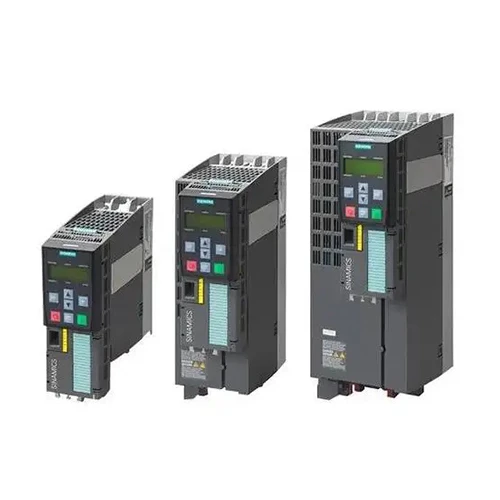
Oddly enough, while this seems simple, the implications can be subtle. For example, when you vary frequency, you effectively control motor speed without changing voltage, which is the principle behind Variable Frequency Drives (VFDs). In real terms, adjusting motor frequency allows factories to improve energy efficiency, reduce wear and tear, and tailor equipment to specific processes — which is often a game changer in modern industrial automation.
Over the years, I’ve seen firsthand how precise frequency control can extend motor life. Once, a customer with a complex conveyor system switched to frequency-controlled motors and noticed a reduction in mechanical stress and noise. The motors ran smoother, with fewer shutdowns — a subtle win that added up over months.
Typical Motor Frequency - Quick Specs
| Specification | Standard Value | Notes |
|---|---|---|
| Frequency Range | 50 Hz - 60 Hz (typical) | Most industrial AC motors |
| Motor Speed (Synchronous) | (120 × Frequency) / Poles rpm | Depends on poles; usually 2, 4, or 6 poles |
| Variable Frequency Drives (VFD) | Adjustable 0 - rated frequency | Used to control motor speed dynamically |
| Frequency Impact on Torque | Maintained if voltage/frequency ratio is constant | Important for motor protection and performance |
But here’s an interesting tidbit — not all industrial situations use a fixed frequency. Some advanced manufacturing plants utilize custom motor frequencies to match specific machinery, cutting energy consumption significantly or improving torque output. Frankly, this flexibility is what makes understanding motor frequency so relevant beyond the basics.
Comparing Top Industrial Motor Vendors by Frequency Support
| Vendor | Standard Frequency Support | Variable Frequency Capability | Notes |
|---|---|---|---|
| Vendor A | 50 Hz, 60 Hz | Yes, VFD included | Strong after-sales support |
| Vendor B | 50 Hz only | Limited, optional upgrade | Competitive pricing but less flexible |
| Vendor C | 60 Hz only | Yes, advanced VFDs | Premium builds with high efficiency |
One thing I haven't touched on yet is the role of materials and design in frequency performance. High-grade electrical steel laminations and quality insulation help motors handle frequency variations better without overheating – something many engineers stress during motor selection.
Testing is another aspect — before shipping, motors go through frequency response analysis to ensure they perform within spec across the rated frequency range. Skimping here often means premature failure, and nobody wants that on an expensive line.
In short, understanding and managing motor frequency isn’t just academic. It’s practical, tied directly to reliability, efficiency, and your bottom line. Whether you’re designing a system or maintaining equipment, knowing how frequency influences your motor can make a solid operational difference.
So, my takeaway? Don’t gloss over frequency specs on motor datasheets; they’re speaking the language your machine listens to.
- IEEE Motor Standards – Frequency and Speed Essentials
- Industrial Automation Magazine, “VFDs and Frequency Control,” 2022 Edition
- Practical Guide to Motor Maintenance, 3rd Edition, 2020