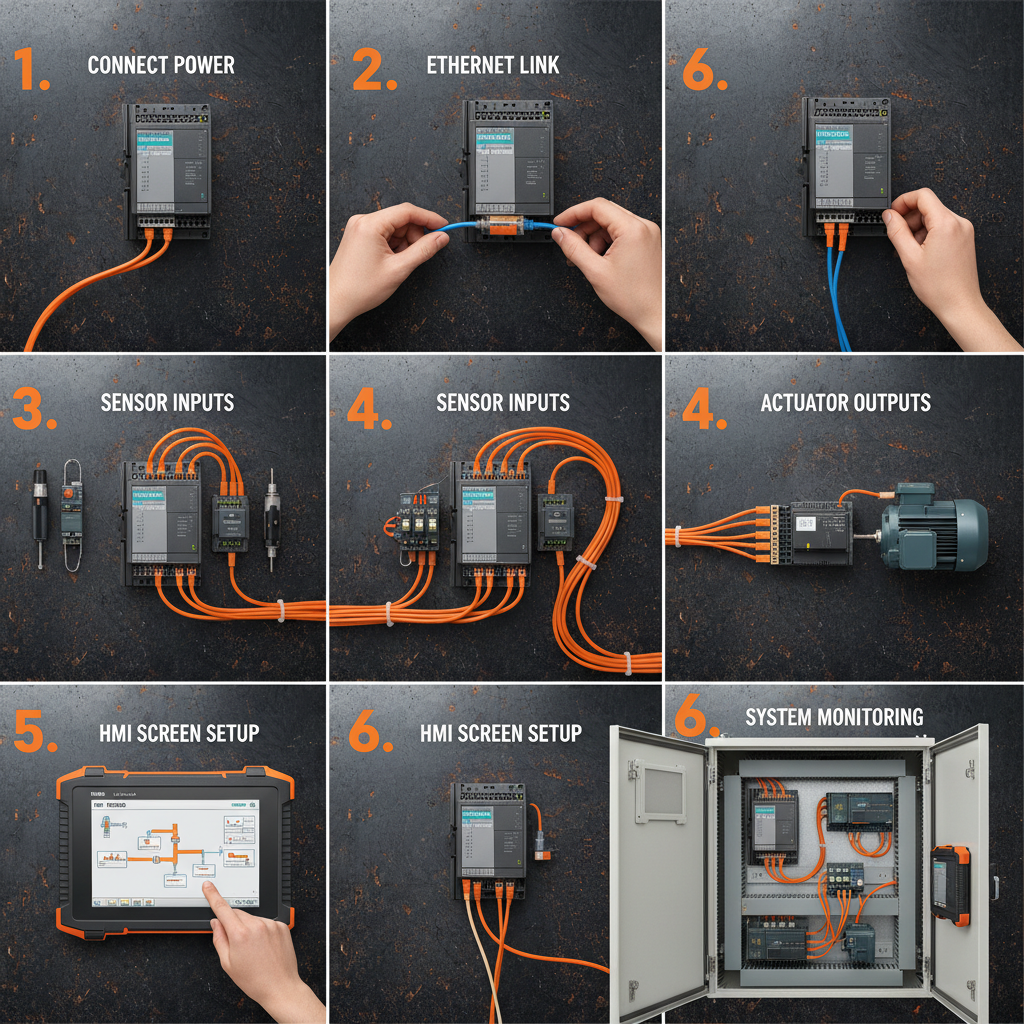
Comprehensive Guide to 2 Hp Variable Frequency Drives: Efficiency, Applications, and Trends
Understanding the 2 Hp Variable Frequency Drive: Efficiency Meets Versatility
In today’s industrial landscape, where precision and energy efficiency are more than just buzzwords, the 2 hp variable frequency drive (VFD) emerges as a quietly powerful player. It might sound a bit technical (and well, it is), but its impact touches the globe—from factories humming in Europe to water treatment plants in Southeast Asia. Why does it matter? Because controlling electric motors smoothly can save significant energy, cut costs, and reduce carbon emissions, all while enhancing operational flexibility. If you’re curious about how a seemingly modest 2 horsepower VFD can pack such a punch, you’re in the right place.
Global Context: Why the 2 Hp Variable Frequency Drive is More Than Just a Motor Controller
The global shift toward reducing energy consumption is backed by some serious numbers. According to the International Energy Agency (IEA), electric motor-driven systems consume nearly 45% of global electricity. Within that scope, VFDs play a starring role by offering motor speed control that often cuts down energy use by 20–50% (depending on application). For smaller motors like the 2 hp class, which are common in pumps, fans, and compressors, the adoption of variable frequency drives is essential for energy-smart industries—a key focus for climate-conscious policy frameworks like the United Nations’ Sustainable Development Goals (SDG 7: affordable and clean energy).
That said, many sectors still rely on fixed-speed motors without speed control, leading to unnecessary wear, inefficiency, and costs. The challenge is about making smart upgrades straightforward, affordable, and reliable, which is exactly where the 2 hp VFD shines.
What Exactly Is a 2 Hp Variable Frequency Drive?
Simply put, a 2 hp variable frequency drive is a device that adjusts the speed and torque of an electric motor by varying the motor’s supply frequency and voltage. The “2 hp” bit just denotes the motor power rating it’s designed to handle, which is about 1.5 kilowatts—moderate but widely useful in commercial and light industrial settings.
From refining water flow in treatment plants to regulating HVAC systems in commercial buildings, this device helps motors run “just right” — not too fast, not too slow — which means less energy wasted and softer mechanical stress. Modern VFDs often include digital controls and safety features that align with contemporary industrial automation needs.
Core Components That Define a 2 Hp Variable Frequency Drive
- Power Electronics: This is the heart of the VFD, converting fixed-frequency AC input into a variable-frequency output using inverters and rectifiers.
- Controller Unit: The brain which manages the frequency and voltage outputs, often programmable for user-specific operations.
- Cooling System: Critical for durability—either fan cooled or using heat sinks to disperse thermal energy built up during operation.
- Communication Interfaces: Modern drives come with protocols like Modbus or Profibus to integrate with industrial control systems.
- Safety and Protection: Overcurrent, overvoltage, under-voltage protection mechanisms ensure reliable operation and reduce downtime.
Understanding these aspects means grasping why 2 hp VFDs are both compact and rugged enough for diverse applications.
Product Specifications at a Glance
| Specification | Typical Value |
|---|---|
| Power Rating | 2 hp (1.5 kW) |
| Input Voltage | Single/Three Phase 200-240 V |
| Output Frequency Range | 0.1 – 400 Hz |
| Overload Capacity | 150% rated current for 1 min |
| Control Method | V/F control, Sensorless vector control |
| Communication | Modbus RTU, optional EtherNet/IP |
Global Applications and Real-World Use Cases
Where do 2 hp variable frequency drives find their sweet spot? Pretty much everywhere small motors require efficient, reliable control:
- Water & Wastewater Management: Pumps running at varying speeds to optimize flow and pressure.
- HVAC Systems: Fans and compressors with load-dependent speed controls to save energy.
- Manufacturing: Conveyor belts and mixers in food, chemical, or textile plants.
- Agriculture: Irrigation pumps where energy cost is a major factor.
In developing countries, these drives support off-grid or microgrid setups, enabling sustainable operation where traditional fixed-speed motors struggle. Oddly enough, some NGOs have started to incorporate VFDs during relief operations to run water pumps more efficiently in refugee camps.
Vendor Comparison: Leading 2 Hp Variable Frequency Drives
| Feature | Vendor A | Vendor B | Vendor C |
|---|---|---|---|
| Price Range | $350 – $450 | $400 – $480 | $320 – $430 |
| Input Voltage | Single/Three Phase 200-240 V | Single Phase 220 V | Three Phase 220-240 V |
| Communication | Modbus RTU | Proprietary Protocol | Modbus + Ethernet |
| Warranty | 2 Years | 1 Year | 3 Years |
Advantages and Lasting Value of 2 Hp Variable Frequency Drives
Frankly, the savings on electricity bills alone can make buyers grin from ear to ear. But the benefits go deeper:
- Energy Efficiency: Reduced motor speed means less power used and fewer emissions.
- Mechanical Longevity: Soft starting reduces stress on gears and belts.
- Operational Flexibility: Can be tuned for optimal performance depending on load.
- Environmental Sustainability: Helps industries meet tightening eco-regulations.
- Safety and Comfort: In HVAC, better control improves indoor air quality and occupant comfort.
When you step back, you realize this is more than just a motor speed controller—it’s a tool for smarter, cleaner industrial progress.
Looking Ahead: Future Trends in 2 Hp Variable Frequency Drives
Innovation in the VFD world continues swiftly. We’re seeing developments like:
- Integration with IoT: Smart VFDs can now communicate cloud data, enabling predictive maintenance.
- Wide Bandgap Semiconductors: Use of silicon carbide (SiC) improves efficiency and reduces size.
- Eco-Friendly Designs: Drives optimized for lower heat emissions and recyclable components.
- AI-Controlled Operation: Some experimental units adapt motor behavior dynamically for maximum savings.
Plus, as governments push for greener infrastructure, expect incentives to adopt advanced drives more broadly.
Challenges and Solutions in Implementing 2 Hp Variable Frequency Drives
Of course, nothing’s perfect. Common hurdles include:
- Initial cost vs. fixed-speed motor alternatives.
- Technical knowledge needed for proper programming and installation.
- Electromagnetic interference concerns in sensitive environments.
Expert consultants recommend hands-on training and choosing models with built-in EMC filters. Plus, modular designs ease upgrades.
Frequently Asked Questions About 2 Hp Variable Frequency Drives
- Q: What industries benefit most from a 2 hp variable frequency drive?
- A: Industries like water treatment, HVAC, food processing, and light manufacturing frequently use 2 hp VFDs where precise motor control and energy saving are priorities.
- Q: Can a 2 hp VFD be used with both single-phase and three-phase motors?
- A: Many 2 hp VFDs support single or three-phase motors, but it’s essential to check the drive’s specs. Compatibility affects wiring and performance, so consult product datasheets or vendors.
- Q: How much energy can a 2 hp variable frequency drive realistically save?
- A: Depending on the application and load variability, energy savings typically range from 20% to 50% compared to fixed-speed operation, which is significant over the drive’s lifetime.
- Q: Is it difficult to retrofit existing motors with 2 hp VFDs?
- A: Retrofit is generally straightforward but may require electrical rewiring and configuration adjustments. Professional assessment ensures compatibility and optimized performance.
Conclusion: Why a 2 Hp Variable Frequency Drive is a Smart Investment for the Future
Looking at the full picture, adopting a 2 hp variable frequency drive is about more than energy savings—it’s a commitment to operational flexibility, sustainability, and longevity. Whether you’re upgrading a commercial building’s HVAC or optimizing agricultural irrigation, this technology blends tradition with innovation smoothly.
For those eager to explore tailored solutions or dive deeper into specifications, feel free to visit 2 hp variable frequency drive for specialized guidance and product options.
In an energy-conscious world, understanding these devices isn’t just technical know-how; it’s being part of a cleaner, smarter industrial ecosystem.
Quick takeaways:
- 2 hp VFDs are key to boosting efficiency for small to medium motors globally.
- They combine sophisticated electronics with practical energy savings.
- Proper selection, installation, and maintenance maximize value.
References:
1. IEA Motor Systems Report
2. Wikipedia: Variable-frequency drive
3. United Nations Sustainable Development Goal 7