Comprehensive Guide to 2 Phase VFD: Benefits, Applications, and Future Trends
Understanding 2 Phase VFD: A Key to Modern Industrial Efficiency
If you’ve ever delved into motor control technology, you’ve probably heard of variable frequency drives (VFDs). But the 2 phase VFD is a bit of a unique breed in this field. In a world increasingly dependent on precise, energy-efficient automation, understanding what a 2 phase VFD actually is—and why it matters globally—can unlock remarkable industrial and humanitarian benefits.
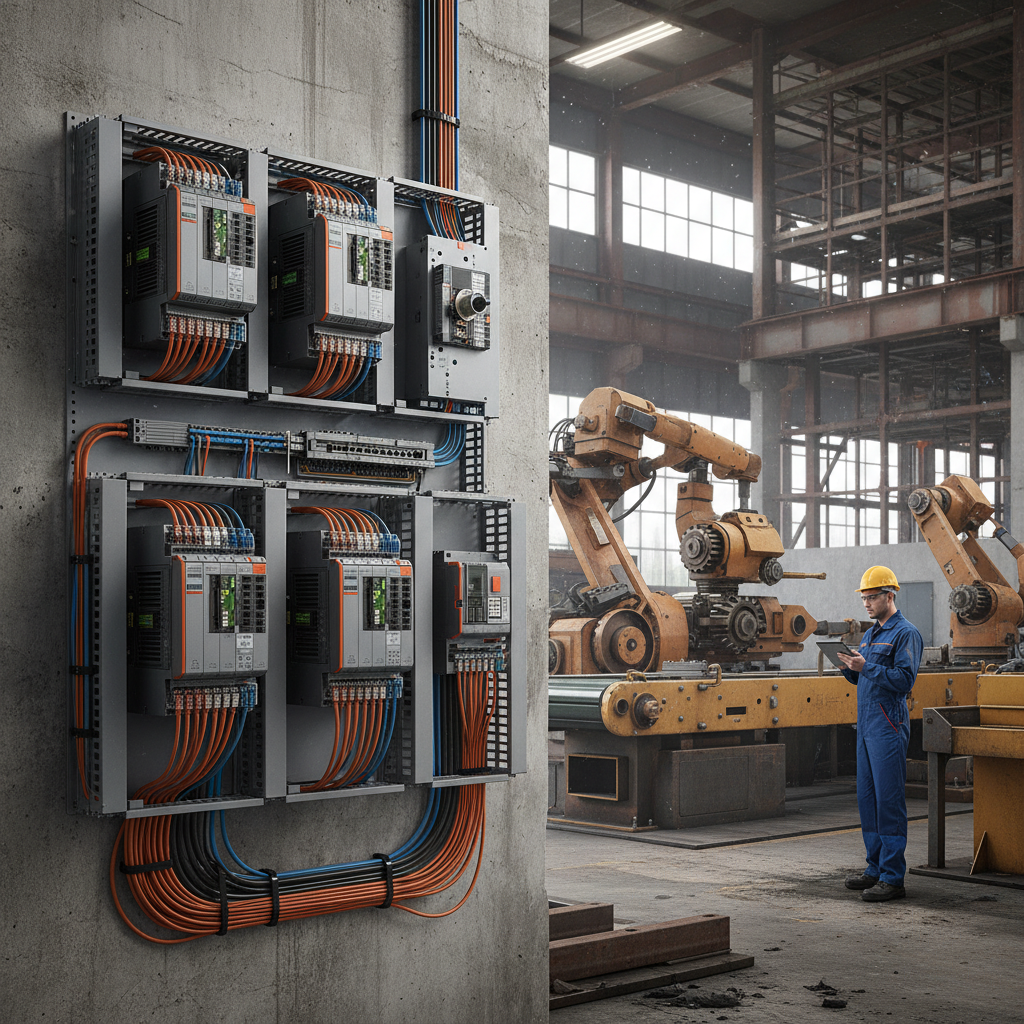
At its core, a 2 phase VFD offers a way to control electric motors that power everything from factory assembly lines to water pumps and HVAC systems. Grasping how this technology sits within global efforts to improve energy efficiency, reduce fossil fuel dependency, and boost equipment reliability shows why it’s becoming a staple in various sectors worldwide.
Global Context: Why 2 Phase VFDs Matter
The United Nations’ push for sustainable industrialization (SDG 9) emphasizes energy efficiency and clean technologies—both directly linked to motor drives optimized by VFDs. Globally, electric motors consume nearly half of all industrial electricity (source: International Energy Agency). The ability to control motor speed precisely enables lower energy consumption, reducing greenhouse gases and operational costs.
Oddly enough, while the classical 3 phase motors and drives dominate most applications, 2 phase VFDs come into play where specialized equipment design or voltage systems require them. For industries navigating tight power requirements or legacy systems, these VFDs solve some critical challenges.
Defining the 2 Phase VFD
Simply put: a 2 phase VFD is a device that varies the frequency and voltage supplied to a two-phase electric motor, controlling its speed and torque efficiently. Unlike more common three-phase systems, it operates with two alternating current phases instead of three, which fits certain motor designs or older infrastructure.
Its relevance extends beyond just spinning motors; it enables smoother starts, reduces mechanical stress, and saves energy. This is particularly important in industries where equipment downtime is costly and where electrical power quality varies.
Core Components of a 2 Phase VFD
- Durability: Built to withstand industrial environments, many 2 phase VFDs feature robust heat sinks and protective casings to ensure longevity.
- Precision Control: They enable fine-tuning of motor speed, essential for processes requiring steady and adjustable performance.
- Energy Efficiency: By avoiding fixed speed operation, they reduce wasted energy—translating into significant cost savings over time.
- Compatibility: Designed to work with legacy two-phase motors or custom industrial applications where three-phase power isn't available.
- User Interface: Many modern 2 phase VFDs include intuitive control panels or digital interfaces, facilitating easy programming and monitoring.
Understanding these key factors helps engineers and managers decide when a 2 phase VFD beats the alternatives for their specific applications.
| Specification | Description |
|---|---|
| Input Voltage Range | 200 - 480 VAC |
| Output Phases | 2 |
| Control Method | Pulse Width Modulation (PWM) |
| Frequency Range | 0.1 Hz – 400 Hz |
| Protection Features | Overload, Short Circuit, Overvoltage, Thermal |
| Communication Interfaces | Modbus RTU, RS485, Analog Signals |
Global Applications: Where 2 Phase VFDs Shine
What’s striking is how these variable frequency drives appear in some pretty niche but critical roles globally. For example:
- Water Treatment Plants in Eastern Europe: Many older systems here use two-phase motors. Upgrading to 2 phase VFDs enhances pump efficiency without expensive rewiring.
- Heritage Railways & Industrial Machinery: Some legacy equipment still runs on two-phase power. Retrofitting with 2 phase VFDs extends life cycles and reduces breakdowns.
- Post-Disaster Relief Operations: Portable equipment with two-phase motors often needs variable speed control for flexibility in rough conditions.
Interestingly, manufacturers in Asia and certain European countries continue investing in specialized 2 phase VFDs to service these specific global demands.
Advantages & The Long-Term Value of 2 Phase VFDs
Let’s be honest: the bottom line is what usually gets people’s attention. The energy savings alone can justify the initial investment. Plus:
- Lower wear and tear thanks to smooth motor starts and speed adjustments mean reliability increases, reducing maintenance downtime.
- Reduced environmental impact through energy efficiency aligns with corporate sustainability goals—something increasingly demanded by regulators and customers alike.
- Social impact can’t be ignored. Reliable motor control improves safety in factories and public infrastructure, lifting overall community well-being.
This mix of economic, environmental, and social advantages makes 2 phase VFDs an attractive solution for multiple stakeholders.
Emerging Trends & Innovations
What’s next for 2 phase VFD technology? Frankly, it’s advancing alongside the broader electrical drive industry:
- Integration with IoT: Future units will more commonly feature remote monitoring, predictive maintenance, and cloud analytics.
- Green Energy Compatibility: Increasing adoption to control motors powered by renewable grids or microgrids, often found in isolated areas.
- Smaller Form Factors: Advances in semiconductor tech promise more compact and efficient VFDs tailored for two-phase systems.
It feels like we’re on the cusp of a new wave of automation and sustainability gains, even for these specialist drives.
Challenges & Solutions
Of course, it’s not all smooth sailing. A few hurdles remain:
- Limited Availability: Not all vendors offer 2 phase VFDs, which can make sourcing tricky.
- Technical Support: Expertise is more scarce since two-phase systems are less common globally.
- Higher Initial Costs: Custom or legacy-specific designs can be pricier than mainstream three-phase products.
But the good news is many companies invest in better customer training, modular designs, and scalable manufacturing to address these points. Plus, online forums and supplier portals offer growing resources.
| Vendor | Range of Models | Support & Training | Price Range | Geographic Availability |
|---|---|---|---|---|
| MotorTech Solutions | Low to mid power (0.5–15 kW) | Online tutorials + phone support | $$ | Europe, Asia |
| E-Motion Drives | Wide range (0.1–75 kW) | On-site training available | $$$ | North America, Asia |
| Legacy Motor Systems | Custom models (5–50 kW) | Dedicated engineering support | $$$$ | Europe |
FAQ: Frequently Asked Questions About 2 Phase VFD
- What are the main differences between 2 phase and 3 phase VFDs?
- Two-phase VFDs control motors with two phases of AC power, often for legacy or specialized equipment, while three-phase VFDs are standard for most industrial motors. The main difference lies in motor compatibility and power requirements.
- How energy efficient are 2 phase VFDs compared to fixed-speed motors?
- They can reduce energy consumption by up to 30-50% in variable load scenarios by adjusting motor speeds to actual needs instead of running at full speed constantly, which reduces electricity and wear on equipment.
- Can 2 phase VFDs be retrofitted into older industrial setups?
- Yes, and this is one of their key applications. Since many older systems rely on two-phase motors, installing a matching 2 phase VFD can modernize motor control without costly rewiring or motor replacement.
- Are 2 phase VFDs compatible with renewable energy sources?
- Definitely. As grid stability improves, these VFDs can be integrated with solar or wind power systems, especially in microgrid or off-grid industrial sites, enhancing sustainability.
- Where can I get technical support for a 2 phase VFD?
- Look for specialized vendors like MotorTech Solutions or E-Motion Drives, which offer training, user guides, and engineering support tailored to these products.
Conclusion
All said and done, 2 phase VFDs might seem like a niche corner of motor control, but their role in advancing efficiency, sustainability, and equipment longevity is pretty significant. Whether modernizing legacy factories or enabling flexible industrial setups in regions with unique power systems, they offer tangible benefits that matter over the long term.
If you’re interested in exploring options or technical specifications for a reliable 2 phase VFD, feel free to visit our website: 2 phase vfd.
Mini takeaway: Understanding and applying 2 phase variable frequency drives unlock real-world energy savings and modernization opportunities for specialized industrial motor systems.
References: