High Frequency VFD: Unlocking the Future of Efficient Motor Control
Understanding High Frequency VFD: Why It Matters in Our Connected World
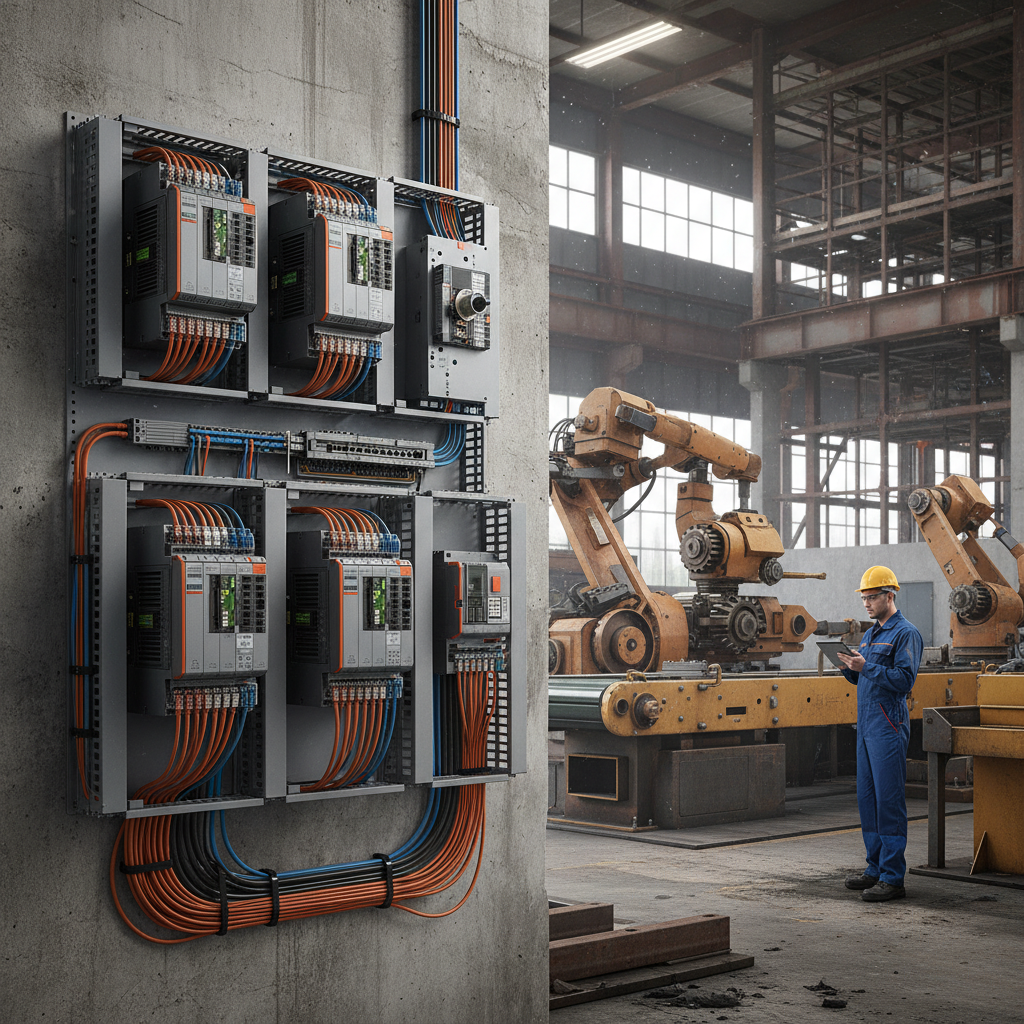
If you’re tuning into the pulse of modern electrical and industrial equipment, chances are you’ve heard about the high frequency VFD. At first blush, it might sound like jargon from a tech summit, but it's quietly revolutionizing industries globally—from manufacturing floors to remote off-grid operations. So why should we care? Well, high frequency variable frequency drives (VFDs) deliver precise motor control with energy savings and reduced wear, making them a linchpin in today's push for smarter, sustainable industry. In a world desperately trying to cut emissions and boost efficiency, understanding high frequency VFD technology isn’t just geek talk—it’s stepping into the future of how we power machines without wasting energy or driving up operational costs.Takeaway: High frequency VFDs combine precision, efficiency, and reliability—a trifecta that’s shifting industrial energy use worldwide.
The Global Context: Why High Frequency VFDs Are Gaining Momentum
Here’s a quick nugget from the International Energy Agency: approximately 45% of global electricity consumption is linked to industrial motor-driven systems. Now, imagine tweaking just those motors for smarter energy use. That’s precisely what high frequency VFDs accomplish. Their role has grown hand-in-hand with the global push for energy conservation and emission reductions, echoed in UN sustainable development goals (SDGs). Despite the clear advantages, many industries still struggle with legacy motors and control systems that waste power. Enter the high frequency VFDs, which help bridge this gap by optimizing speed and torque, thus reducing losses. This trend is no small thing in places like Europe and Asia, where stricter regulations incentivize innovation, but also in developing regions eager to leapfrog obsolete tech.Takeaway: As the push for energy efficiency intensifies worldwide, high frequency VFDs answer a vital call to action in industry.
What Exactly Is a High Frequency VFD?
Breaking it down simply: a Variable Frequency Drive controls the speed and torque of electric motors by varying the input frequency and voltage. High frequency VFDs specifically operate at MHz—or megahertz—switching rates compared to the standard tens of kHz found in conventional drives. This increased switching frequency translates to:- Finer motor speed control
- Reduced motor noise and vibration
- Smaller, lighter components
- Potentially higher efficiency
Takeaway: High frequency VFDs refine motor operation with rapid, precise frequency control—making equipment cleaner, quieter, and more efficient.
Core Components and Features That Define High Frequency VFDs
1. High Switching Frequency Semiconductor Devices
The magic lies within advanced silicon carbide (SiC) or gallium nitride (GaN) transistors—these components handle ultra-fast switching while minimizing energy loss. Many engineers say this upgrade alone is a game-changer.2. Compact and Lightweight Design
As switching frequencies scale up, transformers and filters shrink. This means drives become more compact—a godsend for factories juggling tight floor space or mobile setups.3. Improved Thermal Management
High switching rates generate heat fast. Good VFDs integrate sophisticated cooling methods—like liquid cooling or heat pipes—to keep components safe and extend operational life.4. Advanced Control Algorithms
Software sophistication climbs as these drives leverage AI or fuzzy logic control for predictive maintenance, fault detection, and enhanced motor response.5. Scalability and Modularity
Industries appreciate drives that can be scaled or customized quickly—from fractional horsepower applications to heavy-duty motors powering mining equipment.Takeaway: The fusion of cutting-edge semiconductors, smart controls, and efficient designs makes high frequency VFDs versatile and reliable in demanding environments.
How High Frequency VFDs Are Making a Real-World Impact
We often talk about these drives in abstract terms, but the real excitement is seeing them solve real challenges. Here are a few snapshots:- Manufacturing hubs in Southeast Asia update packaging lines with high frequency VFDs, reducing energy bills by up to 30% while boosting throughput.
- Remote mining sites in Australia equip conveyor belts with rugged, modular drives, cutting downtime and enhancing dust resistance.
- Disaster relief operations deploy portable pumping stations powered by compact VFDs to restore water flow quickly in flood-hit areas.
- European HVAC systems use the drives to precisely control fan speeds, reducing noise pollution and slashing energy consumption in office buildings.
Takeaway: Across continents and sectors, high frequency VFDs quietly accelerate efficiency, reliability, and sustainability efforts.
Advantages & the Bigger Picture of Long-Term Value
Let’s face it, cutting energy costs is just the start. High frequency VFDs bring tangible benefits that add up over time:- Cost savings: Lower energy bills and reduced maintenance create healthier margins.
- Sustainability: Less power wasted means a smaller carbon footprint—vital in fighting climate change.
- Noise reduction: Less vibration and hum improve worker comfort and safety.
- Equipment longevity: Smoother operation and thermal controls decrease wear and extend motor lifespan.
- Improved process control: Boosted precision enables better product quality and reduced waste.
Takeaway: The ripple effect of high frequency VFDs supports both business health and environmental responsibility, proving tech can be smart and kind.
Emerging Trends Shaping the Future of High Frequency VFDs
Looking ahead, several exciting developments are on the horizon:- Green energy integration: VFDs playing well with solar and wind sources for hybrid-powered systems.
- Digital twins: Simulating drive performance virtually to troubleshoot and optimize before deployment.
- Enhanced automation: Smart factories employing these drives as part of fully networked, IoT-enabled systems.
- Eco-friendly materials: Research into recyclable components and reduced use of rare earth elements.
- Policy pushes: Governments tightening efficiency standards, accelerating adoption.
Takeaway: The future of high frequency VFDs is intertwined with sustainability and smart automation, setting a stage for cleaner, more connected industry.
Challenges Still Ahead & Innovative Solutions
Nothing is perfect, right? High frequency VFDs come with challenges:- Costs: Advanced semiconductors can push upfront prices higher.
- Electromagnetic interference (EMI): Faster switching creates EMI noise that demands careful mitigation.
- Heat management complexity: More heat needs better cooling solutions.
- Compatibility: Not all motors or systems immediately adapt to such drives.
Takeaway: While challenges persist, progress in materials and design steadily break down hurdles for wider high frequency VFD deployment.
High Frequency VFD FAQ
1. What distinguishes high frequency VFDs from traditional variable frequency drives?High frequency VFDs operate at much higher switching rates (often MHz range), resulting in better motor control, lower noise, smaller size, and improved efficiency versus traditional drives that work at lower frequencies (kHz range). 2. Are high frequency VFDs compatible with all motor types?
Most induction and permanent magnet motors can benefit, but compatibility depends on design specifics. It's best to consult vendors to ensure your motor suits the high switching speeds without overheating or premature wear. 3. How significant are energy savings when switching to high frequency VFDs?
Savings vary by application but can typically range from 15% to 35% compared to constant speed drives or older VFD models, especially in pump and fan systems with variable load demands. 4. Can these VFDs be integrated into existing industrial setups easily?
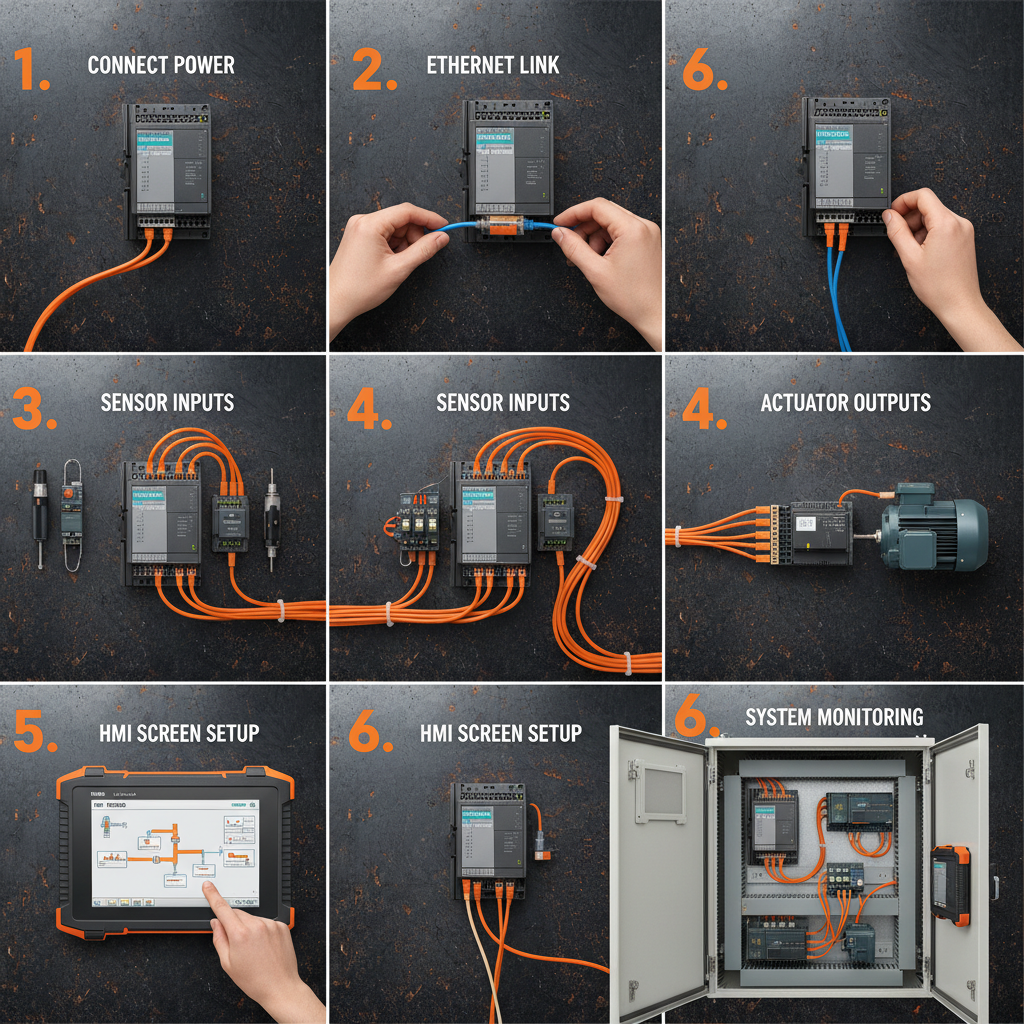
Integration often requires reviewing existing control systems, possible firmware updates, and electrical compatibility. Many manufacturers offer modular solutions to simplify retrofitting. 5. What environmental impacts do high frequency VFDs have?
By cutting electricity consumption and reducing mechanical wear, they lower greenhouse gas emissions and electronic waste—key factors in sustainable industrial practices.
Product Specification Table
| Feature | Typical Value | Remarks |
|---|---|---|
| Switching Frequency | 50 kHz – 500 kHz | Higher than conventional VFDs |
| Power Range | 0.75 kW – 500 kW | Suitable for medium to large motors |
| Efficiency | > 97% | Depends on load and conditions |
| Cooling | Air / Liquid Cooling | Based on power and environment |
| Control Modes | V/F, Sensorless Vector, Field-Oriented | Versatile motor control options |
Vendor Comparison Table: Leading High Frequency VFD Suppliers
| Vendor | Switching Frequency | Custom Features | Price Range | Warranty |
|---|---|---|---|---|
| Tianjin Yongkai | Up to 500 kHz | Modular design, IoT integration | $$-$$$ | 3 years |
| Siemens | Up to 150 kHz | Advanced diagnostics, industry 4.0 ready | $$$ | 5 years |
| Danfoss | Up to 100 kHz | Energy-saving algorithms, remote monitoring | $$$ | 4 years |
| Hitachi | Up to 200 kHz | Compact design, vibration control | $$$ | 3 years |
Wrapping It Up: Why High Frequency VFDs Are Worth Your Attention
If you’ve stuck with me this far, you probably get that high frequency VFDs aren’t just about fast electronics—they’re a cornerstone of smarter, cleaner industry. For businesses eyeing leaner operations, sustainability goals, or just a quieter workspace, this tech quietly delivers across many fronts. Ready to explore more or take the plunge into high frequency VFD solutions? I recommend checking out Tianjin Yongkai’s range of high frequency VFDs—they’re well-respected for innovation and support.Takeaway: High frequency VFDs unlock efficiency, sustainability, and future-proof industrial control—combining tech savvy with real-world impact.