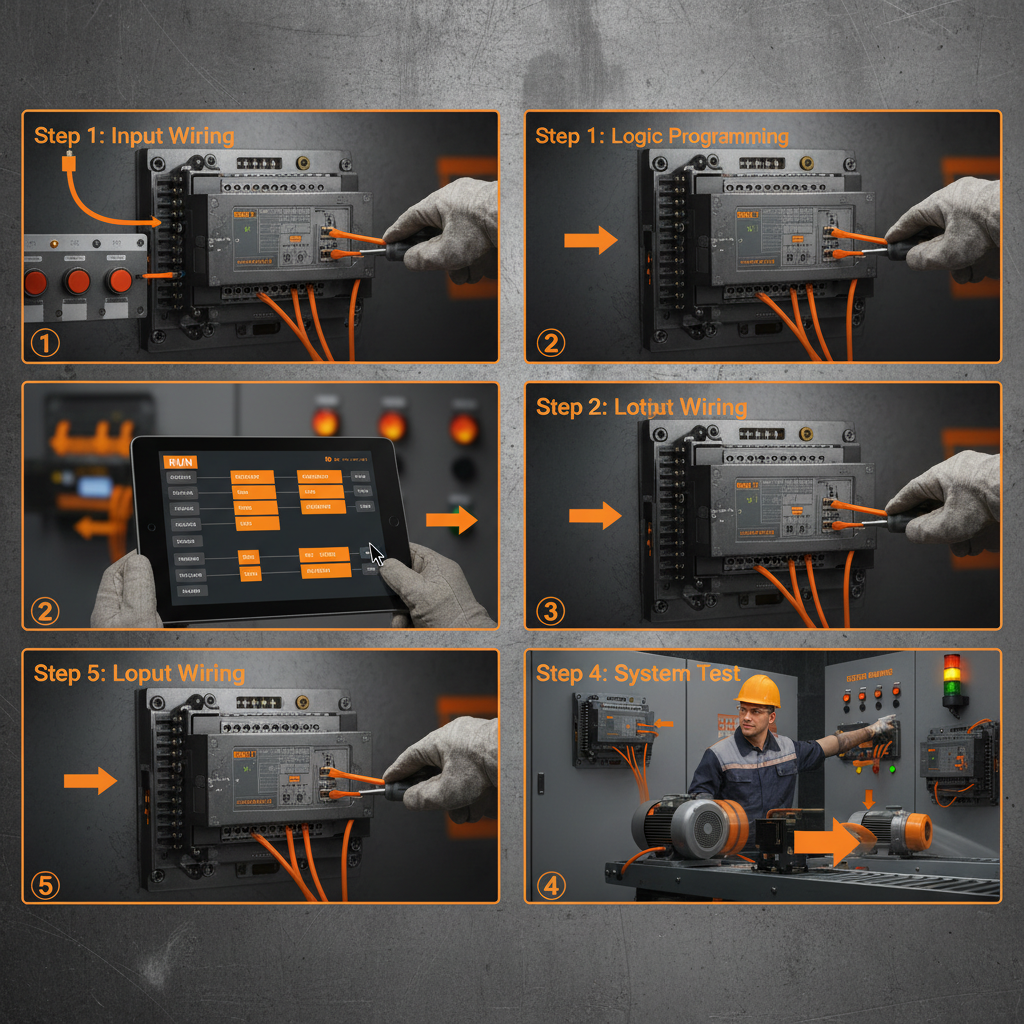
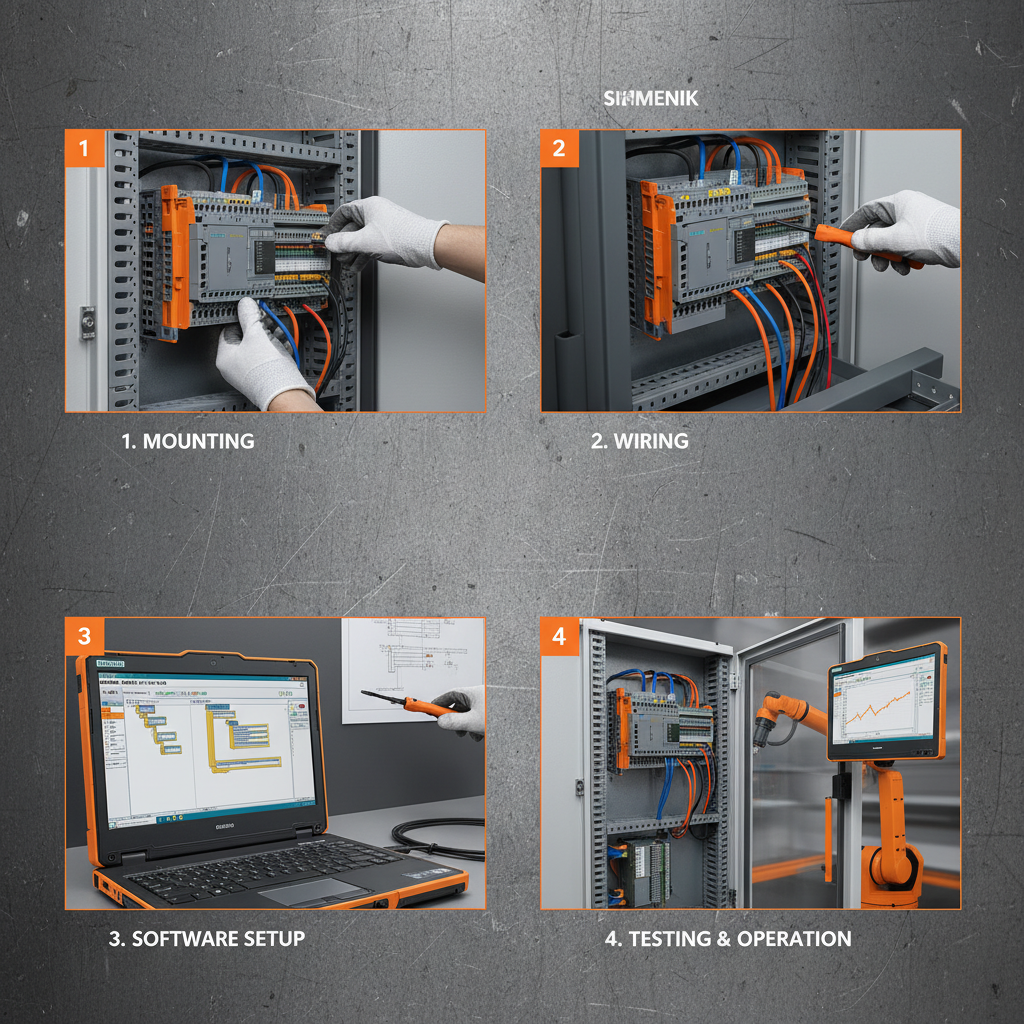
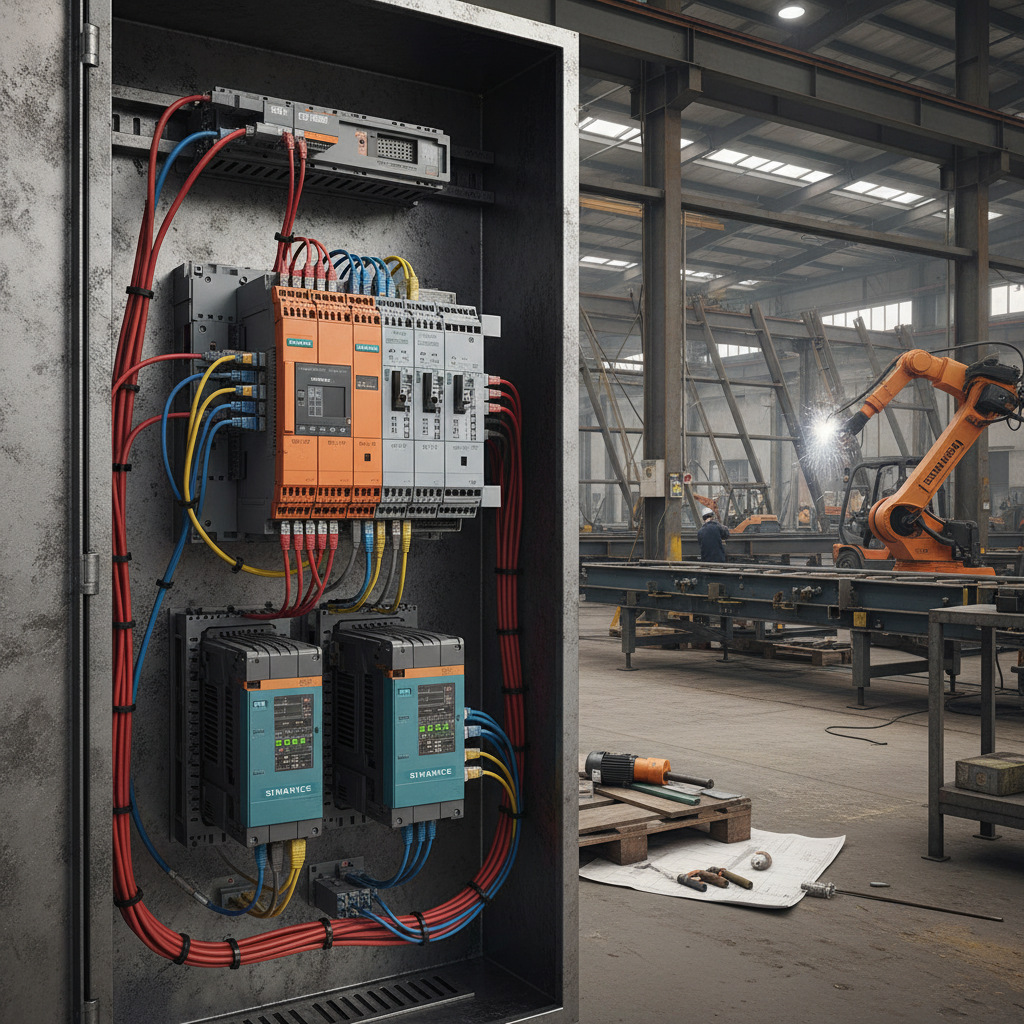
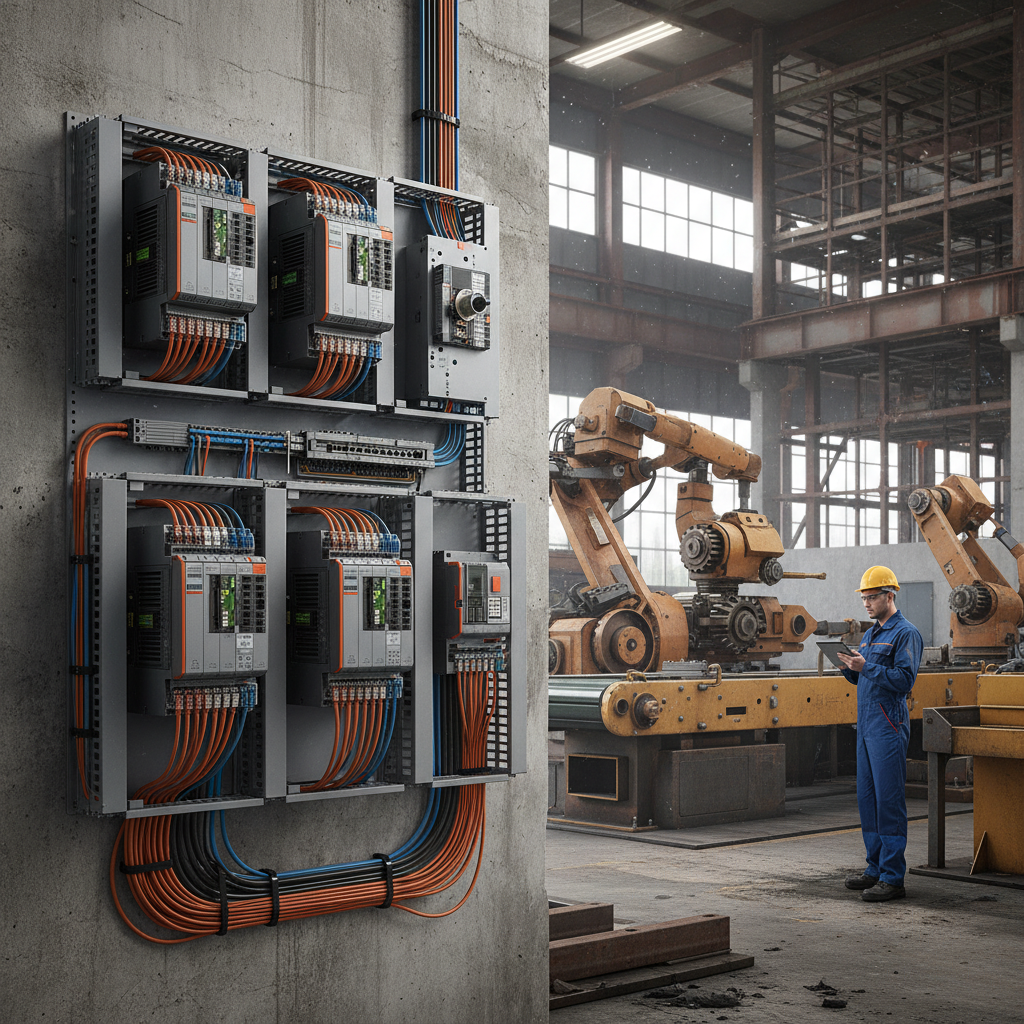
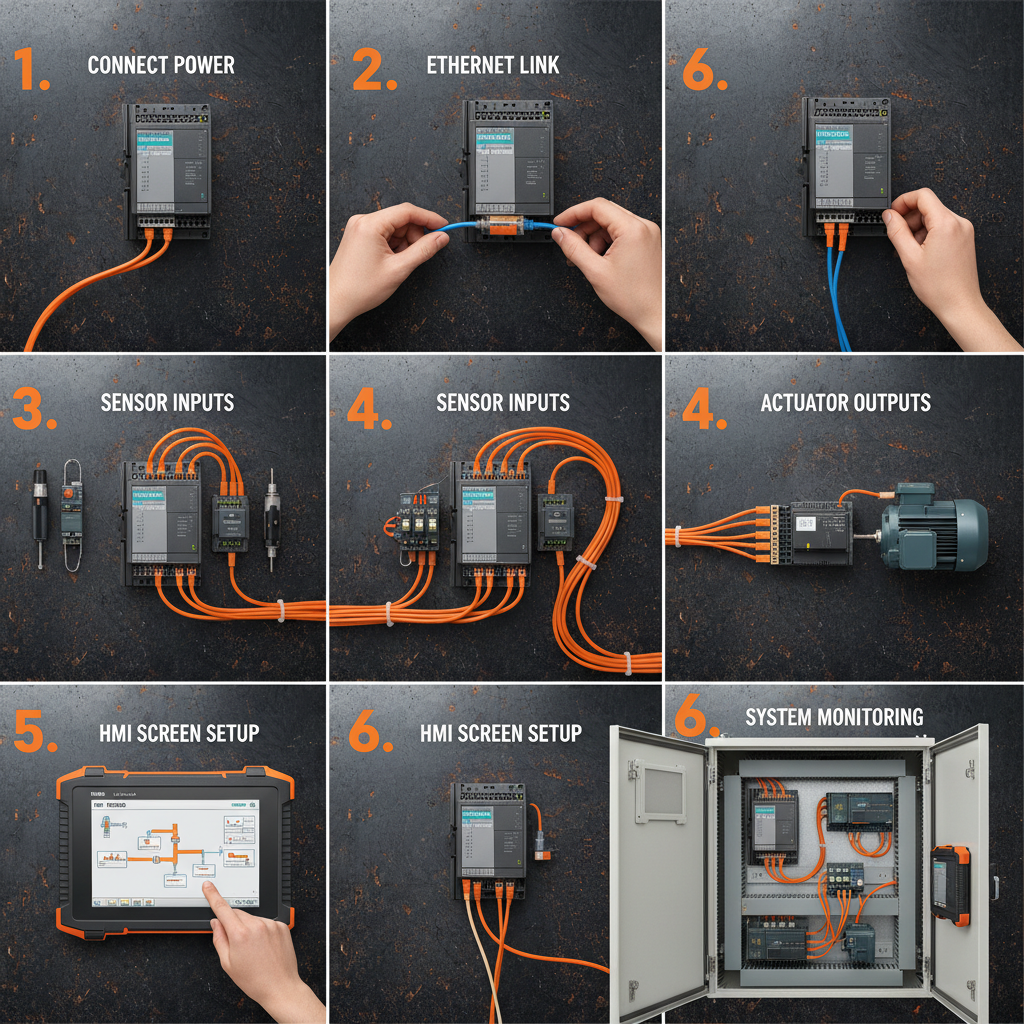
How Variable Frequency Drive VFD Is Used To Optimize Energy in Industry and Infrastructure
Understanding Variable Frequency Drive VFD Is Used To Optimize Energy and Performance
Variable frequency drive (VFD) technology isn’t exactly brand new. Still, it’s one of those quietly transformative innovations powering industries and infrastructures around the world. You might wonder, variable frequency drive VFD is used to control motor speeds intelligently, but why does that matter on a global scale? Well, from cutting energy consumption in sprawling factories to enabling greener grids in developing regions, understanding VFDs unlocks immense practical benefits. These benefits ripple from economics to sustainability — a powerful reason why the world keeps leaning on this technology more every year.
Introduction: The Global Relevance of Variable Frequency Drive VFD
Let’s set the stage globally. Industrial and infrastructure energy use accounts for nearly 40% of global electricity consumption according to the International Energy Agency (IEA). Motors represent roughly 70% of that, and here’s where variable frequency drives enter the spotlight. By adapting motor speeds to actual demand rather than running full throttle constantly, VFDs chop down wasted energy — sometimes by as much as 30-50%. That’s no small feat when considering global CO2 emissions and operational costs. From large manufacturing zones in China to water pumping stations in India, variable frequency drive VFD is used to optimize essential systems in ways that really cut back on environmental and financial strain.
Still, challenges linger: Legacy motor systems, upfront costs, and technical know-how gaps slow VFD adoption, especially in emerging economies. The good news? With smart policies and advancing tech, these concerns are easier to tackle than you might expect.
What Exactly is Variable Frequency Drive VFD?
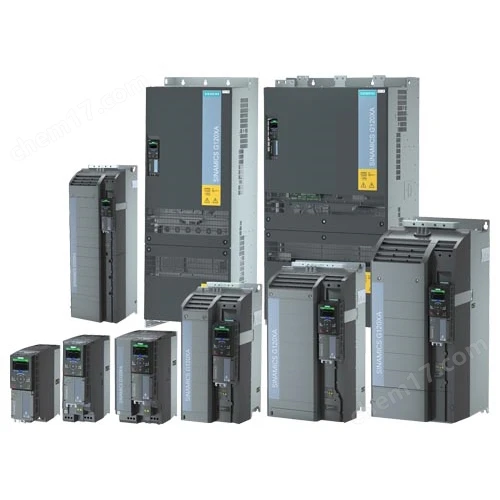
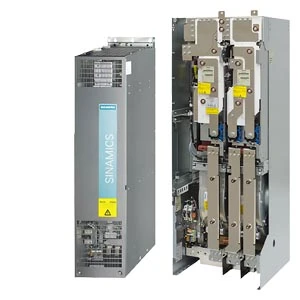
Simply put, a variable frequency drive is an electronic device that adjusts the frequency and voltage supplied to an electric motor. This lets the motor run at different speeds instead of just "on" or "off" full speed. Think of it like a dimmer switch for a lightbulb—but for motor speed and torque. This flexibility is crucial in modern industry, where precise control of machinery can mean big gains in efficiency, equipment lifespan, and product quality.
Beyond factories, VFD technology also answers humanitarian and sustainability needs, like enabling efficient water supply in drought-stricken areas by modulating pump speeds, or supporting renewable energy integration through smoother grid operations.
Core Components and Key Factors of Variable Frequency Drives
1. Energy Efficiency
VFDs typically slash energy use by aligning motor output to actual load requirements. This delta between full-speed running vs. demand-driven speed control is where most savings come from.
2. Durability and Reliability
Modern VFDs feature robust components designed to withstand harsh environments—think dust, humidity, voltage fluctuations—ensuring stable operation even in tricky locations like offshore platforms.
3. Scalability and Compatibility
VFDs range from fractional horsepower units for small appliances to massive drives for industrial fans or conveyors, easily integrated with existing control systems.
4. Cost Effectiveness Over Time
While upfront costs may seem steep, energy savings plus reduced mechanical wear typically repay investments within a few years.
5. Advanced Control Features
Modern VFDs include programmable logic, real-time monitoring, and communication protocols that support Industry 4.0 initiatives and predictive maintenance.
Quick Spec Overview of a Typical VFD Unit
| Specification | Typical Value |
|---|---|
| Input Voltage | 380-460 V AC |
| Output Power Range | 0.5 kW to 500 kW |
| Frequency Range | 0 - 400 Hz |
| Control Method | V/f (Volts per Hz) & Sensorless Vector Control |
| Communication Protocols | Modbus, Profibus, Ethernet/IP |
Mini takeaway: Variable frequency drives combine smart control, robust design, and versatile compatibility to serve a wide range of industrial and infrastructure demands.
Global Applications and Use Cases
It’s fascinating how widely the phrase variable frequency drive VFD is used to regulate performance pops up across sectors:
- Water and Wastewater Treatment: Pumps adapt flow rates dynamically, reducing energy bills and improving system stability.
- HVAC Systems: Fans and compressors modulate speeds to balance indoor climates efficiently and quietly.
- Manufacturing: Assembly lines optimize speed for different product runs, cutting downtime and defects.
- Renewable Energy: Wind turbine pitch control and solar inverter systems benefit from frequency modulation capabilities.
- Mining and Heavy Industry: Conveyor belts and crushers run smoother with fewer mechanical stresses.
Geographically, regions like Europe and North America lead in VFD integration, but Asia-Pacific’s rapid industrial growth is pushing adoption steadily upward. On a humanitarian note, NGOs deploying water pumping stations in sub-Saharan Africa leverage VFDs to save diesel fuel and extend equipment life — combining tech with social impact.
Vendor Comparison: Key Players in VFD Market
| Brand | Power Range | Control Features | Price Level | Global Support |
|---|---|---|---|---|
| Siemens | 0.5 kW - 5 MW | Advanced Vector & Servo Control | High | Excellent |
| ABB | 0.75 kW - 6 MW | Sensorless Vector & PLC Integration | High | Very Good |
| Yaskawa | 0.4 kW - 1.1 MW | Vector Control with Energy Saving | Medium | Good |
| Tianjin Yongkai | 0.75 kW - 500 kW | Vector Control & Built-in Communication | Competitive | Growing |
Advantages and Long-Term Value of Using VFDs
The benefits of VFDs aren’t just numbers on a spreadsheet. Sure, companies save on energy costs — potentially millions over years — but there’s an emotional and social dimension too. Workers experience quieter, smoother-running equipment, which feels safer and more dignified. Sustainability leaders get to tick boxes on corporate responsibility reports. Maintenance teams breathe easier because less mechanical stress means fewer breakdowns and unexpected outages.
Looking Ahead: Future Trends in Variable Frequency Drives
Green energy trends, smart manufacturing, and digital transformation are nudging VFD technology forward. We’ll see more integration with IoT sensors enabling predictive maintenance that can practically tell you an issue before it happens. Materials science improvements promise smaller, lighter, and more heat-resistant units. Policies encouraging energy efficiency around the world stand to accelerate adoption — which, frankly, is great news for everyone trying to fight climate change.
Challenges and Solutions
Of course, VFDs do come with some hurdles. Initial installation costs, compatibility issues with older motors, and the need for skilled technicians can be barriers, especially in less developed regions. That said, modular designs, plug-and-play solutions, and growing training programs are helping bridge these gaps.
FAQ: Frequently Asked Questions About Variable Frequency Drive VFD Is Used To
- Q: How does a variable frequency drive improve motor lifespan?
A: By allowing motors to run at driven speeds instead of max power constantly, VFDs reduce mechanical stress and overheating, significantly extending equipment life. - Q: Can a VFD be retrofitted to existing motors?
A: Yes, many existing motors can be paired with compatible VFDs, but it’s important to assess motor insulation and ratings to ensure safe operation. - Q: Are VFDs environmentally friendly?
A: Absolutely. By reducing energy consumption and enabling smoother operation, VFDs lower carbon emissions and support sustainability efforts globally. - Q: What industries benefit most from VFDs?
A: Common sectors include manufacturing, water/wastewater, HVAC, mining, and renewable energy — basically anywhere electric motors drive crucial equipment. - Q: How do I choose the right VFD vendor?
A: Consider factors like power range, control features, cost, local support, and integration capabilities. Comparing vendors based on your specific applications will yield the best fit.
Conclusion & Call to Action
To sum it up: understanding how variable frequency drive VFD is used to optimize motor control unlocks significant energy savings, operational reliability, and sustainability advancements. Given the ongoing global push towards smarter, greener industry, investing in VFD technology feels like a no-brainer. Curious to learn more or explore specific solutions? Visit our website: https://www.tianjinyongkai.com. It's where practical innovation meets trusted expertise.
It’s a bit surprising how something that sounds so technical ends up shaping everyday life—from the water we drink to the factories powering our economies.