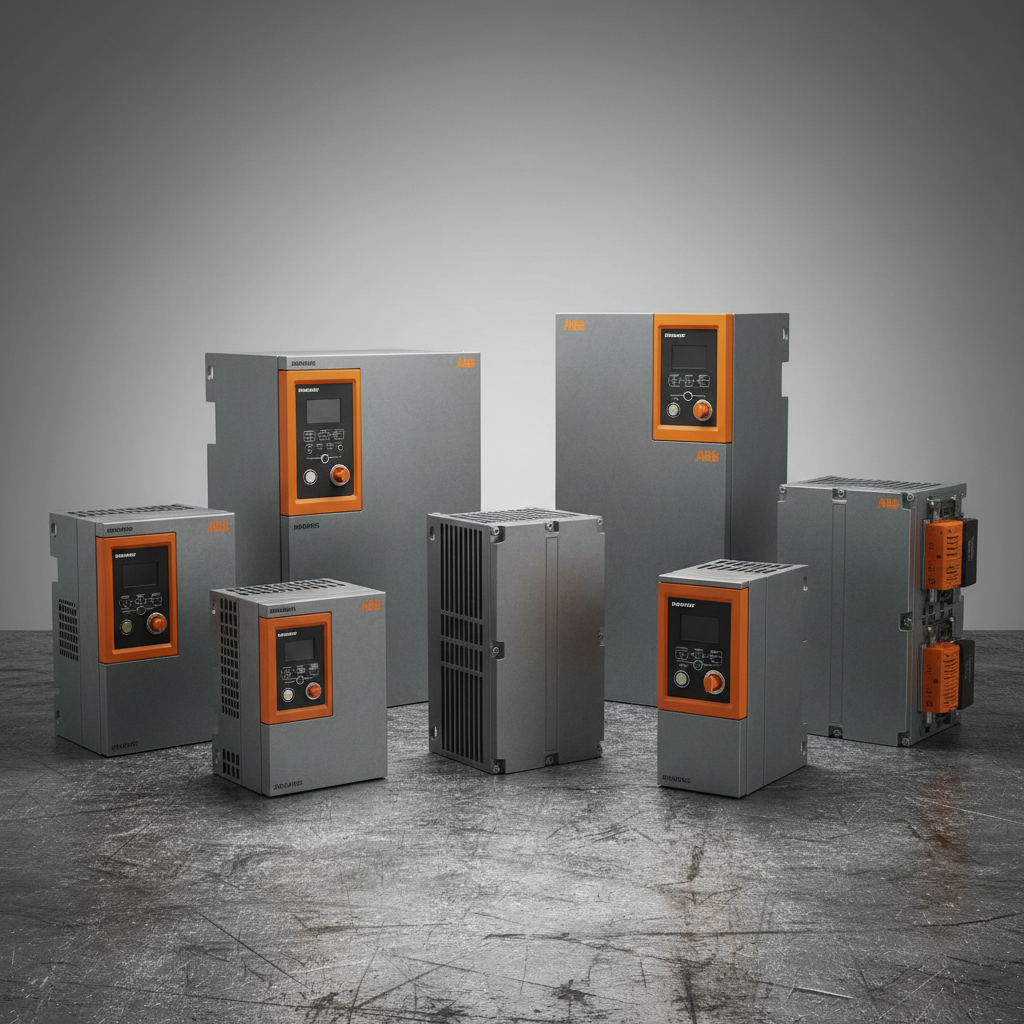
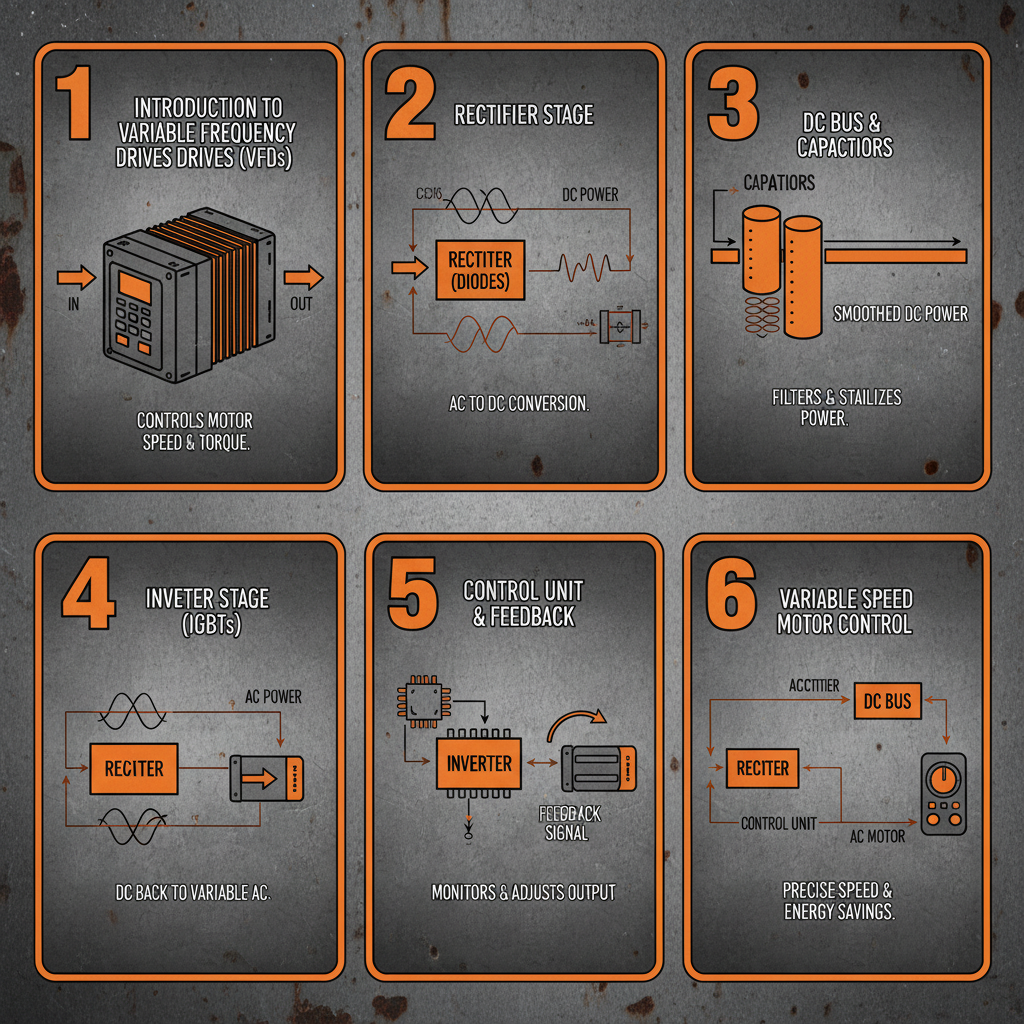
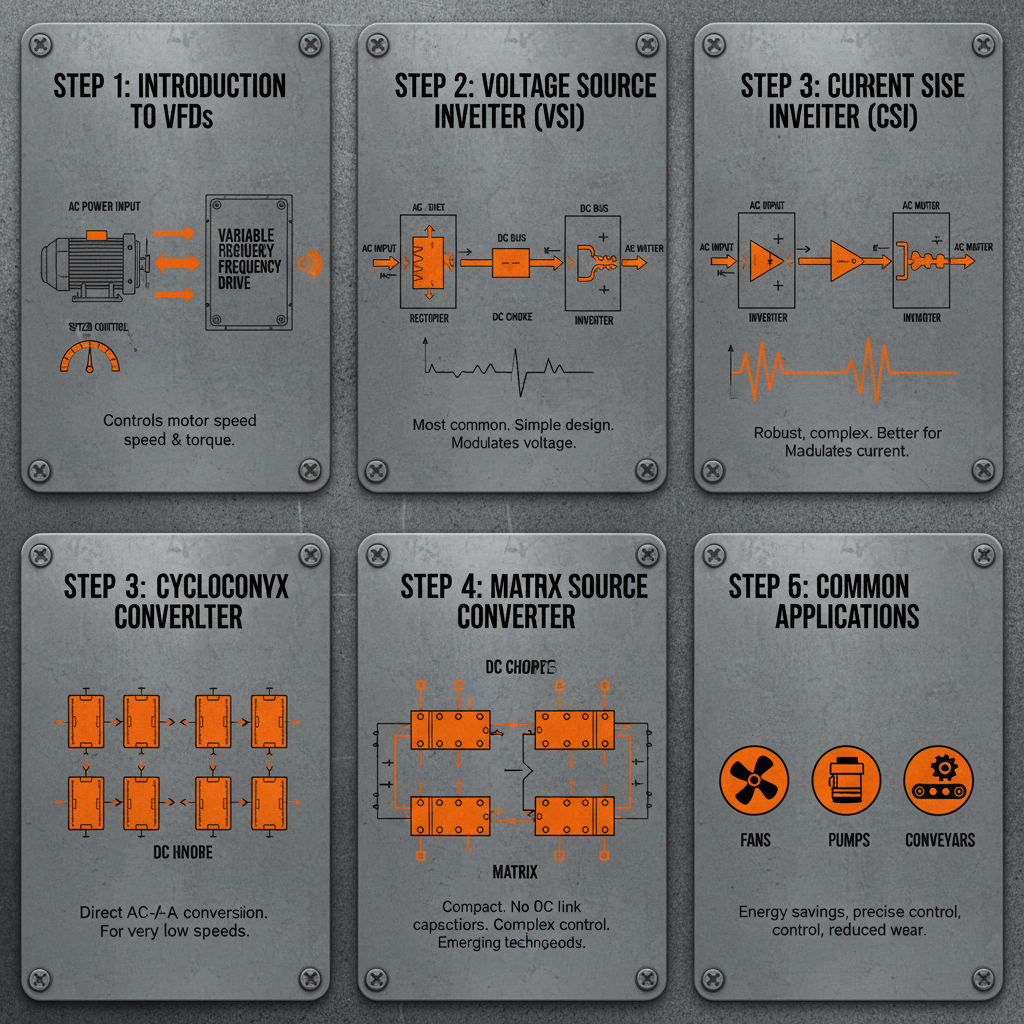
In the evolving landscape of industrial automation, the integration of precise signal processing and motor control is paramount for operational efficiency. The concept of the ironhorse vfd represents a commitment to ruggedness and reliability, ensuring that high-performance machinery can operate under the most demanding conditions without failure. By bridging the gap between raw electrical power and refined digital control, these systems empower manufacturers to achieve unprecedented levels of precision.
Globally, the demand for smarter industrial interfaces is surging as factories transition toward Industry 4.0. The implementation of advanced control systems, often discussed in the context of the ironhorse vfd, allows for the seamless synchronization of multiple hardware components, reducing downtime and maximizing throughput. This technological shift is not merely about speed, but about the stability and predictability of automated processes across various sectors.
At the heart of this automation is the S7-300 analog input module, a critical component for those seeking the stability associated with an ironhorse vfd system. This module provides the essential data conduit, offering 8 analog inputs with precision ranging from 13 to 14 bits, which is vital for connecting voltage sensors, current sensors, and resistance thermometers to a central controller.
The Technical Architecture of ironhorse vfd Systems
The technical foundation of an ironhorse vfd setup relies on the ability to translate physical environmental data into digital signals that a PLC can process. By utilizing high-accuracy analog input modules, the system can monitor critical variables such as temperature and pressure in real-time, ensuring that the motor drive adjusts its output instantaneously to maintain system equilibrium.
This architectural synergy is what defines the "Ironhorse" philosophy: a combination of heavy-duty hardware and sophisticated software logic. When an S7-300 module with 13-bit or 14-bit accuracy is paired with the drive, the result is a control loop that is both responsive and resilient to electrical noise.
Global Industry Standards and ironhorse vfd Integration
In the global marketplace, adherence to ISO and IEC standards is not optional for automation equipment. The integration of an ironhorse vfd into a production line requires strict compliance with electromagnetic compatibility (EMC) guidelines to prevent signal interference. This is particularly crucial when dealing with sensitive analog inputs that must maintain their precision over long cable runs.
Many industrial zones in Europe and North America have adopted standardized modular designs to facilitate easier maintenance. By utilizing interchangeable components, such as the S7-300 analog input modules, companies can ensure that their ironhorse vfd deployments are scalable and easy to upgrade without requiring a complete overhaul of the electrical cabinet.
Furthermore, the move toward "Green Manufacturing" has pushed the industry to optimize energy consumption. Modern drive systems now integrate sophisticated energy-recovery algorithms, allowing the ironhorse vfd to reduce waste during deceleration phases, thereby lowering the overall carbon footprint of the manufacturing facility.
Core Components for Signal Precision in ironhorse vfd
Achieving high precision in an ironhorse vfd environment starts with the selection of the analog interface. The S7-300 analog input module is designed specifically for this purpose, offering the flexibility to connect various types of sensors, including thermoelectric couplings and resistance thermometers, ensuring that the drive receives accurate feedback.
The accuracy of an ironhorse vfd system is directly tied to the bit-resolution of its input modules. With options for 9, 12, 13, or 14-bit precision, operators can choose the exact level of sensitivity required for their specific application, whether it is coarse motor speed control or high-precision temperature regulation.
Beyond resolution, the ability to handle different signal types—such as voltage and current—makes the ironhorse vfd ecosystem versatile. This allows for the integration of a wide array of industrial sensors, making the system adaptable to everything from water treatment plants to heavy-duty automotive assembly lines.
Operational Efficiency Metrics for ironhorse vfd
Measuring the success of an ironhorse vfd deployment involves analyzing several key performance indicators (KPIs). The most critical of these is the signal-to-noise ratio, which determines how cleanly the analog input module can read data from the sensors despite the presence of high-frequency interference from the drive itself.
Another vital metric is the response latency between the sensor detection and the drive's corrective action. By optimizing the S7-300's processing cycle, the ironhorse vfd can achieve near-instantaneous adjustments, which is essential for maintaining safety in high-speed machining operations.
Efficiency Ratings of ironhorse vfd Implementations
Global Applications of ironhorse vfd Technology
The versatility of the ironhorse vfd makes it a staple in remote industrial zones, such as mining operations in Australia or oil refineries in the Middle East. In these environments, the ability of the S7-300 module to handle extreme temperature fluctuations via resistance thermometers is critical for preventing equipment meltdown.
Similarly, in the pharmaceutical industry, where precision is a matter of regulatory compliance, the ironhorse vfd provides the steady, vibration-free motor control required for delicate mixing and bottling processes. The high-bit accuracy of the analog inputs ensures that every milliliter of product is handled with surgical precision.
Long-Term Value and Sustainability of ironhorse vfd
Investing in an ironhorse vfd system offers long-term economic value by significantly reducing the frequency of unplanned maintenance. Because the system utilizes high-grade components like the S7-300 analog input module, the risk of signal drift—which often leads to incorrect motor speeds and premature wear—is virtually eliminated.
From a sustainability perspective, the precision control enabled by the ironhorse vfd allows for "just-in-time" energy application. Instead of running motors at full capacity and throttling the output, the drive modulates the power exactly to the load requirement, resulting in a substantial decrease in kilowatt-hour consumption.
Moreover, the modularity of these systems supports a circular economy. When a specific component fails or requires an upgrade (e.g., moving from 12-bit to 14-bit accuracy), only the module needs to be replaced rather than the entire control cabinet, reducing electronic waste.
Future Innovations in ironhorse vfd Automation
Looking forward, the integration of AI-driven predictive maintenance is set to transform the ironhorse vfd landscape. By analyzing the patterns of the analog input data from the S7-300 modules, machine learning algorithms will be able to predict bearing failure or winding degradation before they occur, shifting maintenance from reactive to proactive.
The trend toward Edge Computing will also see the ironhorse vfd processing more data locally. This reduces the reliance on central servers and allows for faster decision-making at the machine level, which is essential for the next generation of autonomous robotic assembly lines.
Finally, the move toward universal communication protocols will further simplify the connectivity between the ironhorse vfd and external IoT platforms. This will allow plant managers to monitor the health and efficiency of their drives from anywhere in the world via a secure cloud interface.
Comparison of S7-300 Module Specifications for ironhorse vfd Systems
|
Resolution Option
|
Sensor Compatibility
|
Application Suitability
|
Precision Score (1-10)
|
| 9-bit |
Basic Voltage Sensors |
Simple Conveyor Belts |
5 |
| 12-bit |
Current Transmitters |
General HVAC Control |
7 |
| 13-bit |
Resistance Thermometers |
Industrial Furnaces |
8 |
| 14-bit |
Thermoelectric Couplings |
Precision Chemistry |
10 |
| Mixed Mode |
Voltage & Current |
Hybrid Assembly Lines |
8 |
| High-Res Mode |
Advanced RTDs |
Aerospace Testing |
9 |
FAQS
The S7-300 module provides high-accuracy signal conversion (up to 14-bit), allowing the drive to receive precise feedback from sensors. This reduces oscillations in motor speed and ensures that the drive reacts accurately to real-world changes in load or temperature, enhancing overall stability.
Yes, by utilizing the S7-300 analog input module, you can connect thermoelectric couplings, resistors, and resistance thermometers. This flexibility allows the system to be used in diverse environments, from cryogenic cooling to high-heat smelting.
Higher bit precision means the system can divide the analog signal range into more discrete steps. While 13-bit is sufficient for most industrial tasks, 14-bit is essential for applications where a tiny fraction of a degree or volt can significantly impact the final product quality.
Absolutely. When paired with appropriate enclosures and shielded S7-300 modules, these systems are designed for the rugged conditions typical of the electrical machinery and automation industry, provided they are installed according to local safety codes.
To protect your ironhorse vfd signal integrity, use twisted-pair shielded cables for all analog connections and ensure that the S7-300 module is properly grounded. Separating high-voltage power cables from low-voltage signal cables is also a critical best practice.
Yes, the modular nature of the S7-300 system allows you to replace or upgrade the analog input module independently. This means you can increase your precision (e.g., moving to 14-bit) without having to replace the drive hardware.
Conclusion
The synergy between high-precision analog inputs and robust motor control is the cornerstone of the ironhorse vfd philosophy. By integrating the S7-300 analog input module—with its versatile support for various sensors and adjustable bit precision—industrial operators can ensure their automation systems are not only powerful but exceptionally accurate. This combination minimizes waste, increases equipment lifespan, and provides a scalable foundation for the future of manufacturing.
As we move toward an era of AI-driven industry and sustainable production, the role of precise signal acquisition will only grow in importance. We recommend that engineers prioritize high-resolution modules to future-proof their installations against the increasing demands of precision engineering. For more high-quality automation components and expert guidance, visit our website: www.oukeconstruction.com.