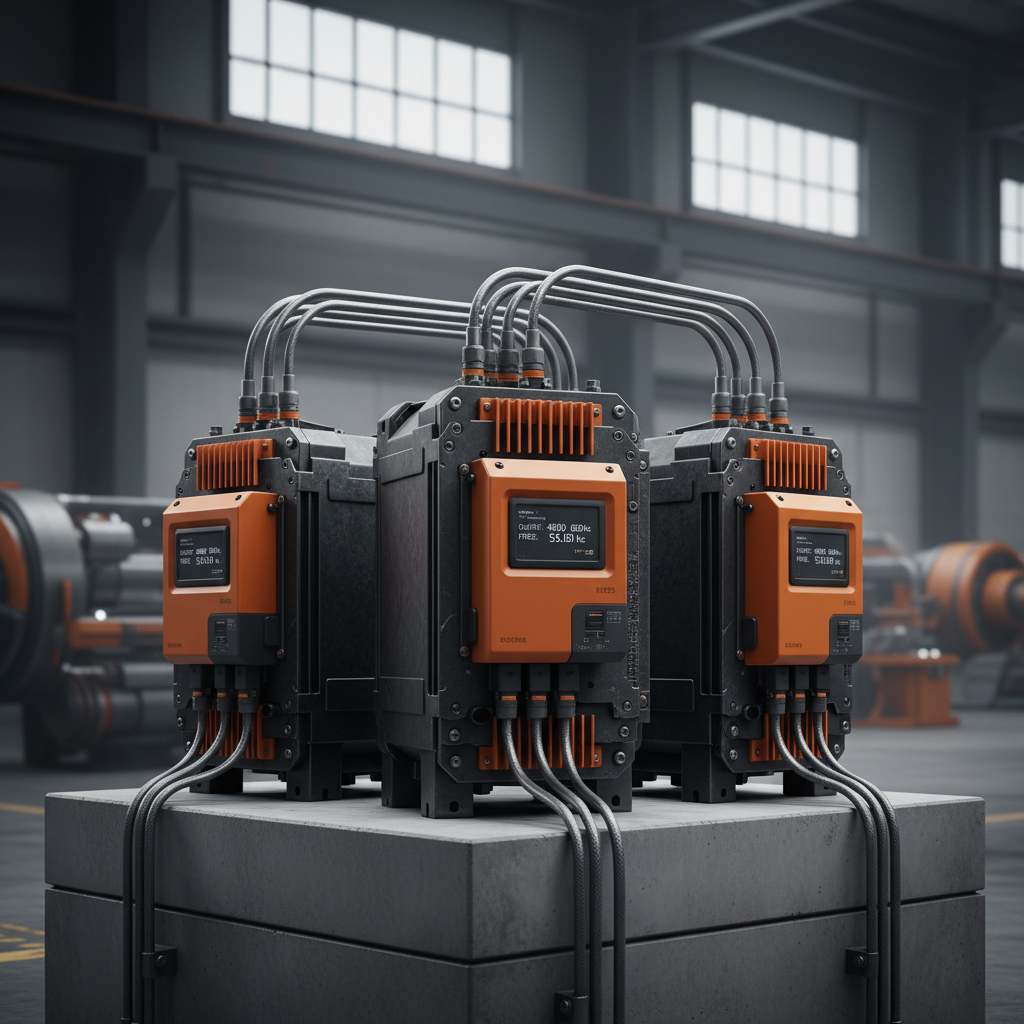
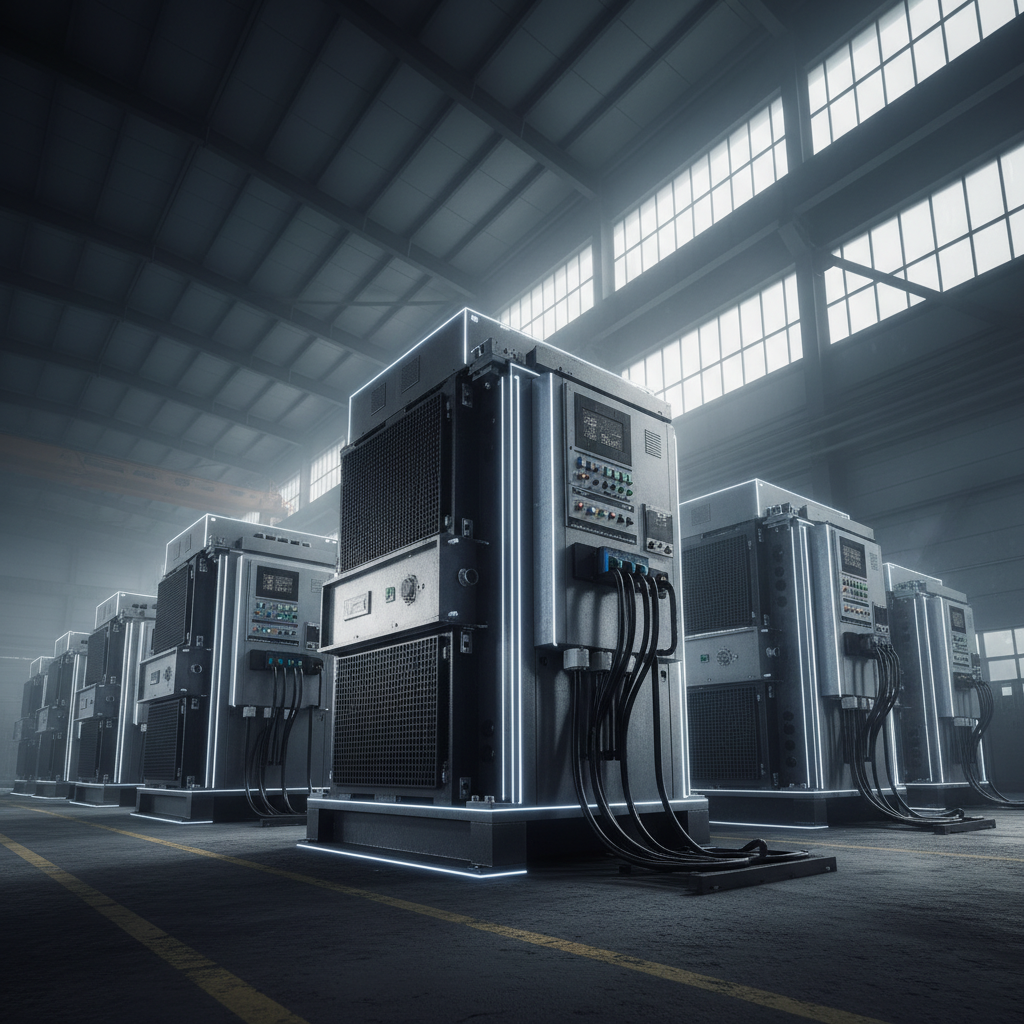
Variable Frequency Drives (VFDs), also known as adjustable speed drives, are revolutionizing industrial processes and energy management worldwide. Understanding the different types of variable frequency drive is crucial for optimizing performance, reducing energy consumption, and enhancing the lifespan of equipment. From simple scalar controls to sophisticated vector drives, the diversity of VFD technology caters to a vast range of applications, contributing significantly to improved efficiency and cost savings across various sectors.
The global market for VFDs is experiencing substantial growth, driven by increasing demand for energy efficiency, automation, and precise motor control. According to recent industry reports, the VFD market is projected to reach billions of dollars in the coming years, with Asia-Pacific being a key region for growth. This expansion is fueled by rapid industrialization and stricter energy regulations globally. Addressing the challenges of implementing and maintaining these systems effectively is a significant priority for businesses and industries.
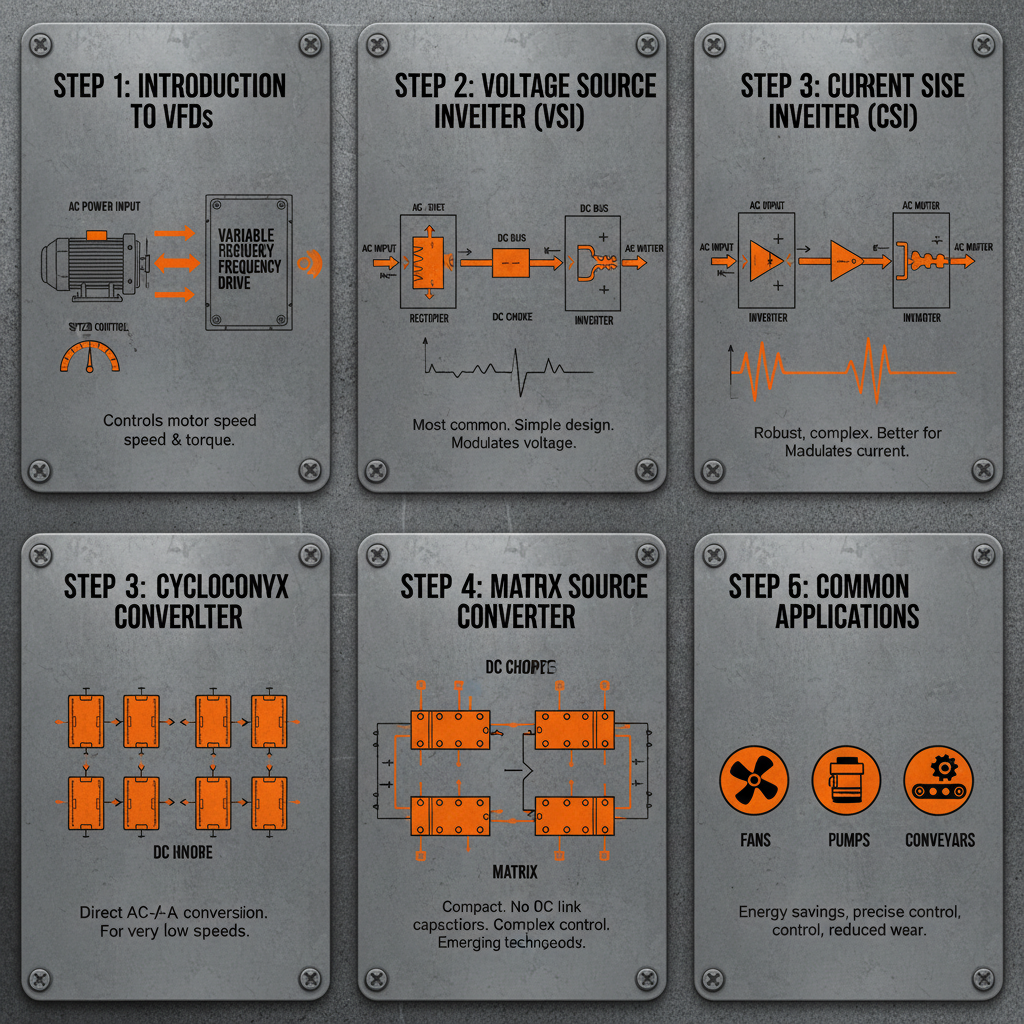
Essentially, a VFD controls the speed of an AC electric motor by varying the frequency and voltage supplied to the motor. This contrasts with traditional methods that often relied on mechanical speed control, which were less efficient and less precise. The widespread adoption of types of variable frequency drive is vital for modern industrial needs and is instrumental in promoting sustainable practices through energy conservation and reduced environmental impact.
Introduction to types of variable frequency drive
The world of motors and control systems is undergoing a dramatic shift, largely driven by the proliferation of types of variable frequency drive. These devices aren’t just about controlling speed; they're about intelligent energy management, process optimization, and extending the life of critical machinery. The benefits range from simple cost savings on electricity bills to complex, automated control schemes in industrial environments.
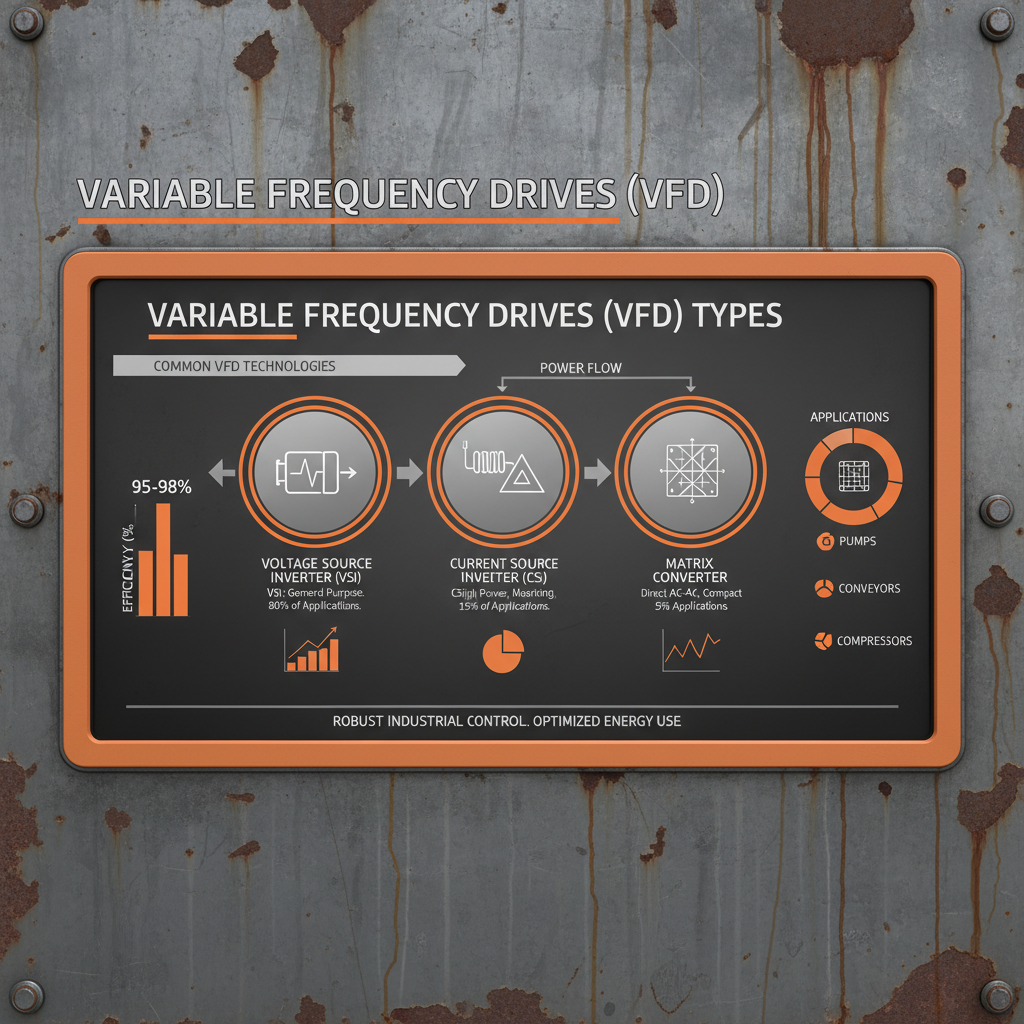
Understanding the different types of VFDs empowers engineers, technicians, and business owners to select the most appropriate solution for their specific needs. Each type offers a unique balance of performance, cost, and complexity, impacting factors like efficiency, harmonic distortion, and control precision. This knowledge is paramount for maximizing return on investment and achieving operational excellence.
Defining Types of Variable Frequency Drive
A Variable Frequency Drive (VFD) is an electronic device that controls the speed of an AC induction motor by altering the frequency of the electrical power supplied to the motor. Instead of relying on mechanical methods like gears or dampers, a VFD uses solid-state power electronics to create a variable voltage and frequency output, tailored to the motor’s requirements. This precise control allows for smooth acceleration, deceleration, and precise speed regulation.
The connection to modern industry is undeniable. VFDs are fundamental to automation, process control, and energy efficiency initiatives. They are used in a huge number of applications from pumping and fan control to complex machinery and robotics. Their ability to reduce energy consumption directly contributes to a more sustainable industrial landscape, aligning with global environmental goals.
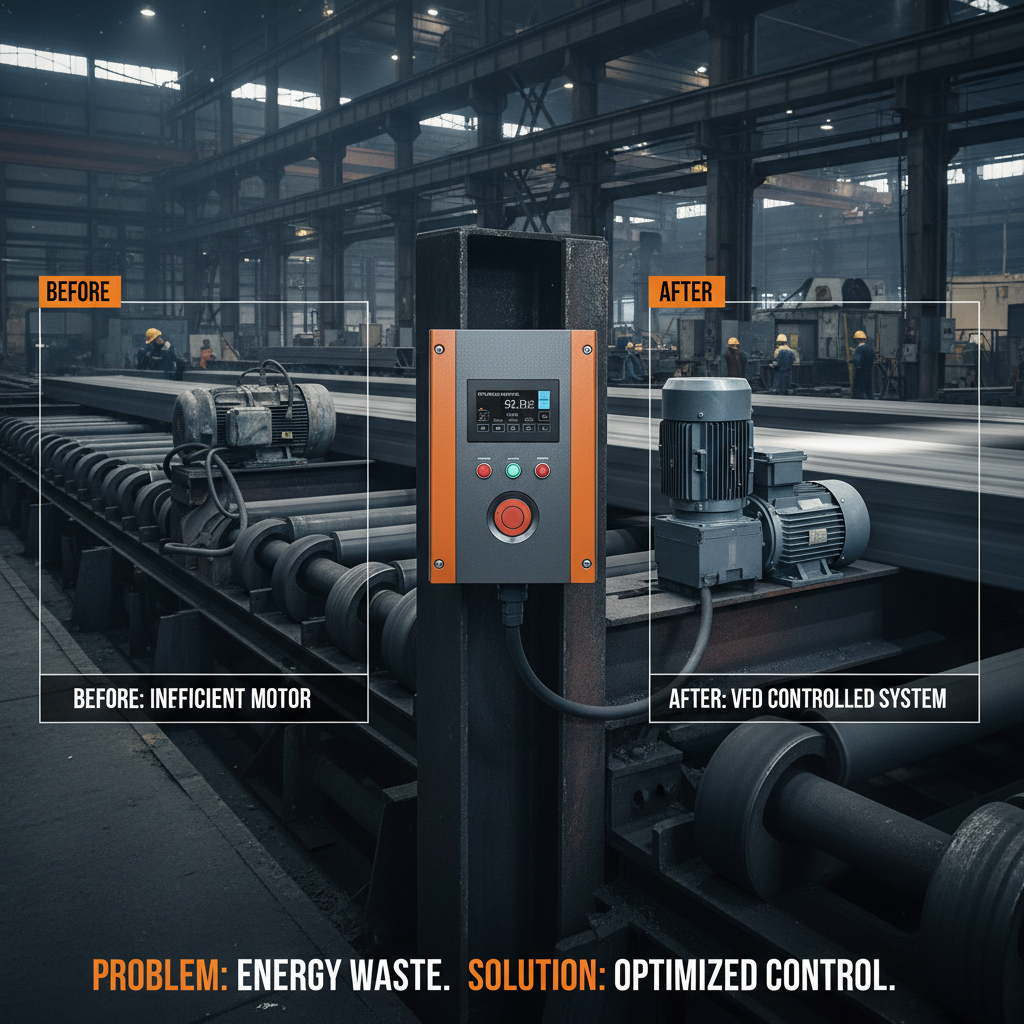
Consider a water treatment plant – a VFD precisely regulates the speed of pumps based on demand, avoiding wasted energy and maintaining optimal water flow. Or a manufacturing facility employing VFDs to synchronize conveyor belts and robotic arms, improving production efficiency and reducing defects. These real-world examples illustrate the transformative impact of types of variable frequency drive.
Core Characteristics of Variable Frequency Drives
Several key characteristics define the capabilities and suitability of different VFD types. Efficiency is paramount; higher efficiency drives minimize energy losses and reduce operating costs. Control Mode refers to the sophistication of the control algorithm – from simple scalar (V/Hz) control to advanced vector control for precise torque and speed regulation.
Harmonic Distortion is a crucial consideration. VFDs can generate harmonic currents that pollute the power grid, potentially damaging sensitive equipment. Modern drives incorporate filtering techniques to minimize harmonic distortion and ensure power quality. Protection Features are vital, safeguarding the motor and drive from overvoltage, overcurrent, overheating, and other fault conditions.
Communication Capabilities are becoming increasingly important, allowing VFDs to integrate into larger automation systems via protocols like Modbus, Ethernet/IP, and Profibus. Finally, Enclosure Type defines the drive's environmental protection, ranging from open-frame designs for panel mounting to rugged, weatherproof enclosures for harsh environments. Each of these impacts the selection of the correct types of variable frequency drive.
Global Applications of Variable Frequency Drives
The applications of VFDs are incredibly diverse, spanning numerous industries and geographical regions. In the water and wastewater treatment sector, VFDs optimize pump and fan speeds, reducing energy consumption and ensuring efficient operation. In HVAC systems, they control fan and pump speeds to maintain comfortable temperatures and improve energy efficiency in buildings.
The oil and gas industry utilizes VFDs in compressor and pump applications, optimizing production and reducing energy costs. In mining and material handling, VFDs control conveyor speeds and hoist drives, improving safety and productivity. The growing adoption of types of variable frequency drive in these sectors is evident globally, with particularly strong growth in emerging economies in Asia, South America, and Africa.
For example, in remote industrial zones of Australia, VFDs are critical for controlling pumps in water desalination plants, providing a sustainable source of water. Similarly, in post-disaster relief operations, portable VFD-controlled pumps can quickly restore water supplies in affected areas. VFDs are becoming standard equipment in modern industrial infrastructure, proving their essential role in diverse environments.
Advantages and Long-Term Value of VFDs
The advantages of implementing types of variable frequency drive are multifaceted, extending beyond simple energy savings. Tangible benefits include reduced electricity consumption (often by 20-50%), lower maintenance costs due to reduced mechanical stress, and extended equipment lifespan. Improved process control leads to higher product quality and reduced waste.
Beyond the financial gains, VFDs contribute to sustainability by reducing carbon emissions and promoting responsible energy usage. The improved control and precision also enhance safety by preventing equipment overloads and minimizing the risk of accidents. The sense of innovation and trust gained by adopting modern control technology adds to the overall value proposition, projecting a positive image to customers and stakeholders.
Future Trends in Variable Frequency Drive Technology
The future of VFD technology is focused on increased integration, intelligence, and sustainability. Emerging trends include the integration of VFDs with Industrial Internet of Things (IIoT) platforms, enabling predictive maintenance and remote monitoring. Advanced algorithms and machine learning are being used to optimize drive performance and reduce energy consumption even further.
The development of silicon carbide (SiC) and gallium nitride (GaN) power semiconductors promises to deliver smaller, more efficient, and more robust VFDs. Furthermore, there's a growing emphasis on regenerative drives that capture and reuse energy during braking, maximizing energy efficiency and reducing environmental impact. These advancements will cement the role of types of variable frequency drive in the future of industrial automation.
Challenges and Solutions in VFD Implementation
Despite the numerous benefits, implementing VFDs can present challenges. Harmonic distortion remains a concern, requiring careful system design and the use of harmonic filters. Proper grounding and shielding are crucial to prevent electromagnetic interference (EMI). Selecting the right VFD for a specific application requires careful consideration of motor characteristics, load requirements, and environmental conditions.
To overcome these challenges, manufacturers are developing more sophisticated filtering techniques and advanced drive designs that minimize harmonic distortion. Experienced system integrators can provide expertise in VFD selection, installation, and commissioning. Ongoing training and education for maintenance personnel are essential to ensure optimal VFD performance and reliability.
Finally, proactive monitoring and diagnostics, enabled by IIoT connectivity, can identify potential problems before they escalate, minimizing downtime and maximizing the lifespan of the types of variable frequency drive.
Summary of Key VFD Implementation Considerations
| Challenge Area |
Potential Impact |
Mitigation Strategy |
Implementation Cost (1-10) |
| Harmonic Distortion |
Power quality issues, equipment damage |
Harmonic filters, line reactors |
6 |
| Electromagnetic Interference (EMI) |
Communication disruptions, data errors |
Proper grounding, shielded cables |
5 |
| VFD Selection |
Suboptimal performance, reduced efficiency |
Detailed application analysis, expert consultation |
7 |
| Installation and Commissioning |
Incorrect wiring, improper settings |
Qualified technicians, thorough testing |
8 |
| Maintenance and Training |
Unexpected downtime, reduced lifespan |
Regular inspections, staff training |
4 |
| System Integration |
Communication issues, data incompatibility |
Standardized protocols, expert integration |
9 |
FAQS
Scalar VFDs (V/Hz control) are simpler and less expensive, offering basic speed control. They are suitable for applications where precise torque control isn't critical, like fans and pumps. Vector VFDs, however, provide precise torque and speed control across the entire speed range, making them ideal for demanding applications like conveyors, cranes, and machine tools. They achieve this by controlling both voltage and frequency, and compensating for motor parameters.
Harmonic distortion can be mitigated through several methods. Using harmonic filters (passive or active) is a common approach. Line reactors installed at the VFD input can also reduce harmonic currents. Proper grounding and shielding are crucial. Newer VFDs with built-in harmonic mitigation features are also available, offering a more integrated solution. A thorough harmonic analysis should be performed to determine the optimal mitigation strategy.
The payback period for a VFD installation varies depending on the application, energy costs, and operating hours. However, a typical payback period ranges from 6 months to 2 years. This is due to significant energy savings, reduced maintenance costs, and improved process control. For applications with high duty cycles and variable loads, the payback period can be even shorter.
VFDs handle high voltages and currents, so safety is paramount. Always de-energize the drive before performing any maintenance. Use proper personal protective equipment (PPE), including insulated gloves and safety glasses. Be aware of regenerative braking and potential voltage levels on the DC bus. Ensure proper grounding and shielding to prevent electrical shock. Only qualified personnel should work on VFD systems.
The enclosure type, defined by its IP (Ingress Protection) rating, determines the drive's resistance to dust, water, and other environmental factors. Higher IP ratings (e.g., IP65, IP66) indicate better protection. Select an enclosure type appropriate for the operating environment. For example, a VFD in a harsh industrial environment will require a more robust enclosure than one in a climate-controlled room.
While VFDs are commonly used with induction motors, their compatibility with other AC motor types varies. They work exceptionally well with standard squirrel cage induction motors. Wound rotor induction motors require different control strategies. Synchronous motors can be controlled with VFDs, but typically require specialized drives. It is important to verify the VFD’s compatibility with the specific motor type before installation.
Conclusion
In conclusion, types of variable frequency drive are not merely components, but essential enablers of efficiency, sustainability, and innovation across a vast spectrum of industries. From optimizing energy consumption and extending equipment life to enhancing process control and enabling advanced automation, the benefits are undeniable. Understanding the diverse range of VFD technologies and their applications is crucial for maximizing return on investment and achieving operational excellence.
Looking ahead, the integration of VFDs with IIoT platforms, the development of advanced power semiconductors, and the growing emphasis on regenerative drive technologies will further revolutionize the landscape of motor control. By embracing these advancements and prioritizing proper implementation and maintenance, businesses can unlock the full potential of types of variable frequency drive and contribute to a more sustainable and efficient future. Visit our website at www.tianjinyongkai.com to learn more.