In the modern landscape of industrial automation, the implementation of vfd electrical systems has become a cornerstone for operational efficiency. By allowing precise control over motor speed and torque, Variable Frequency Drives (VFDs) eliminate the waste associated with traditional fixed-speed motor operations, transforming how factories handle energy consumption.
Global industrial standards are shifting toward smarter, more sustainable power management, where solutions serve as the primary interface between raw power and mechanical motion. This evolution is not merely about speed control but about integrating sophisticated algorithms that protect machinery from electrical stress and mechanical wear.
Understanding the nuances of VFD electrical architecture allows engineers and plant managers to optimize throughput while drastically reducing carbon footprints. As we move toward Industry 4.0, the synergy between high-performance controllers and robust electrical drives defines the competitive edge of any automated manufacturing facility.
Global Relevance of VFD Electrical Systems
On a global scale, the adoption of vfd electrical technology is driven by the urgent need for energy efficiency. According to data aligned with ISO 50001 energy management standards, motor-driven systems account for a significant portion of industrial electricity consumption; VFDs provide the only viable method to reduce this load by matching motor speed to the actual requirement of the load.
The challenge facing many emerging markets is the instability of power grids. VFD electrical systems mitigate this by providing a buffer that protects sensitive motor windings from voltage spikes and sags, ensuring that production lines in remote industrial zones remain operational despite inconsistent power quality.
Defining VFD Electrical Engineering
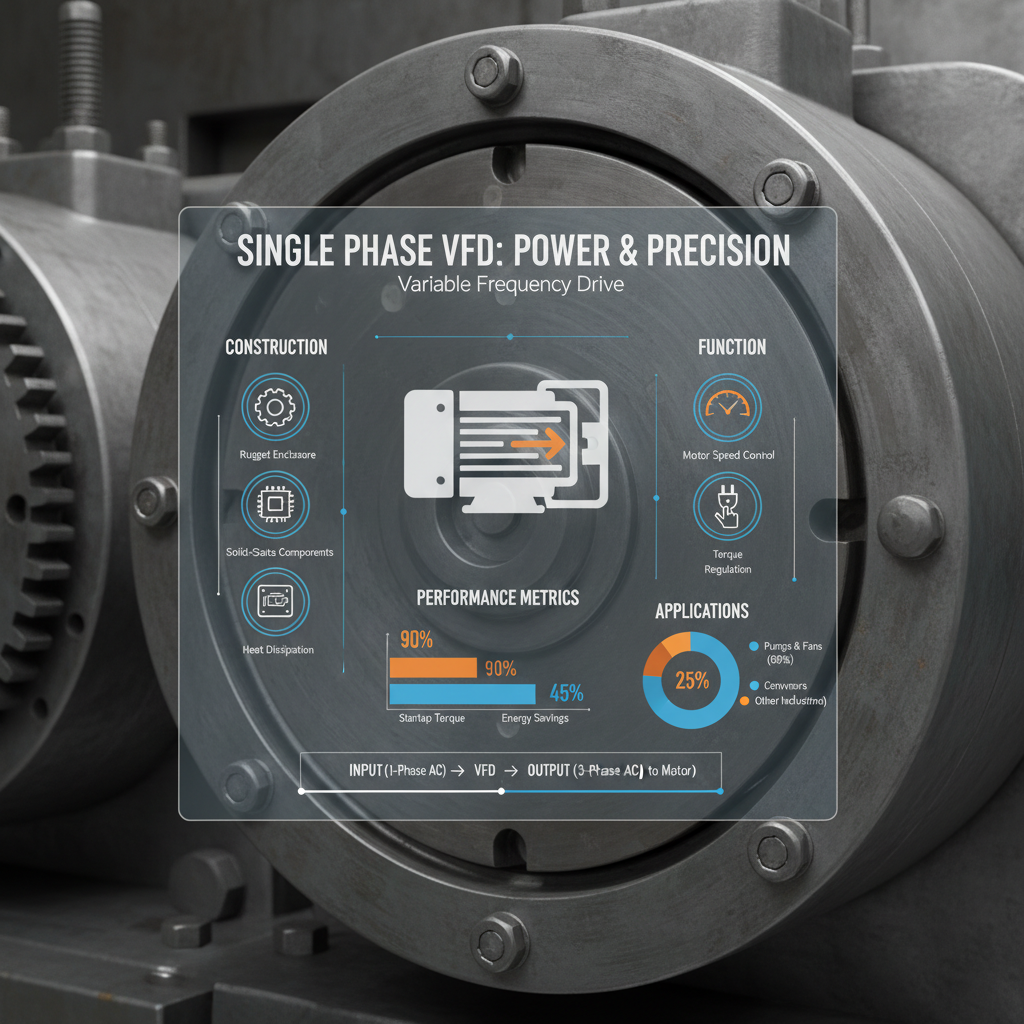
In simple terms, vfd electrical engineering refers to the use of power electronics to convert a fixed-frequency AC power supply into a variable-frequency AC output. This process allows for the seamless control of the rotational speed of an AC induction motor, which is the workhorse of the industrial world.
This technology is deeply connected to modern humanitarian and industrial needs by enabling the efficient operation of water pumping stations, ventilation systems in hospitals, and conveyor belts in food distribution centers. Without the ability to modulate power, these essential services would consume nearly double the energy and suffer from premature equipment failure.
By bridging the gap between high-voltage power distribution and precise mechanical control, the VFD acts as the "brain" of the motor, ensuring that the energy delivered is exactly what is needed for the task at hand, thereby reducing heat waste and mechanical stress.
Core Components of VFD Architecture
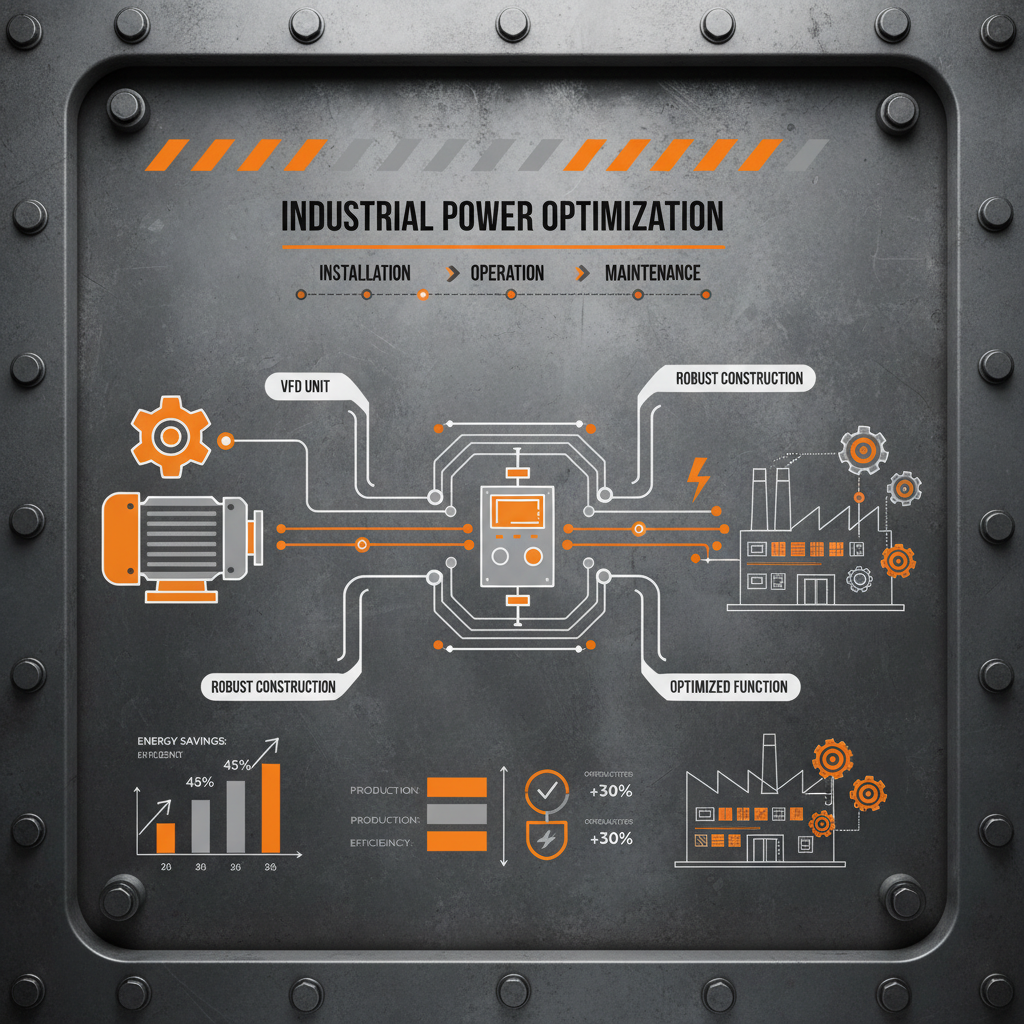
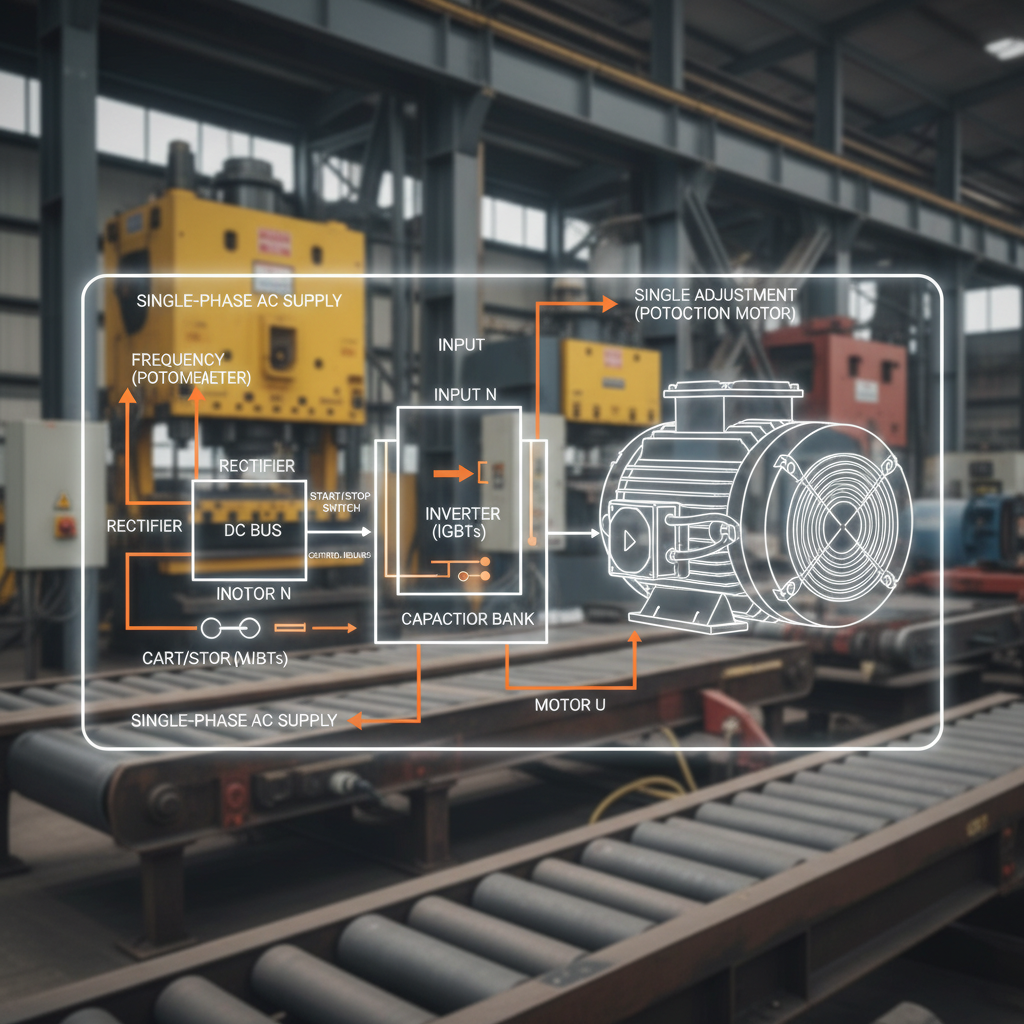
The foundation of any vfd electrical system begins with the Rectifier. This stage converts the incoming alternating current (AC) from the grid into direct current (DC), filtering out noise and preparing the energy for the next phase of processing.
At the heart of the system is the DC Bus and the Inverter. The DC bus stores energy in capacitors to smooth the voltage, while the Inverter uses Pulse Width Modulation (PWM) to turn the DC back into a simulated AC sine wave. This is where the specific frequency—and thus the motor speed—is determined for the vfd electrical output.
Finally, the Control Logic unit manages the entire process. Whether integrated with a S7-1200 or S7-1500 PLC, this unit processes feedback from sensors to adjust the frequency in real-time, ensuring the vfd electrical performance remains stable under varying load conditions.
Key Factors for VFD Performance
When evaluating vfd electrical setups, durability and scalability are paramount. A drive must be able to withstand harsh industrial environments—including dust, moisture, and extreme temperatures—while offering the flexibility to integrate into larger networks as the facility expands its production capacity.
Cost efficiency is not just about the initial purchase price but the Total Cost of Ownership (TCO). This includes the reduction in energy bills and the decrease in maintenance intervals for motors, as soft-start capabilities eliminate the violent mechanical shocks associated with direct-on-line starting.
VFD Electrical Performance Efficiency Comparison
Global Applications and Industrial Use Cases
In real-world contexts, vfd electrical systems are indispensable in the HVAC industry. By modulating the speed of large centrifugal fans and pumps based on building occupancy or temperature, these drives reduce energy costs by up to 50% in commercial skyscrapers across Asia and Europe.
Beyond commercial buildings, these drives are critical in remote industrial zones, such as mining operations in Australia or oil rigs in the North Sea. In these environments, the ability to precisely control the torque of heavy-duty conveyors prevents mechanical breakage and ensures safety in high-risk zones.
Long-Term Value and Sustainability Benefits
The long-term value of investing in vfd electrical technology extends far beyond simple electricity savings. From a logical standpoint, the reduction in peak current during startup prevents expensive voltage drops that can trip other equipment on the plant floor, enhancing overall system reliability.
Emotionally, there is a significant impact on workplace safety and dignity. By eliminating abrupt machine starts and stops, VFDs create a more predictable and less stressful environment for operators, reducing the risk of industrial accidents and fostering a culture of precision and innovation.
Furthermore, the sustainability angle is undeniable. By optimizing the energy-load curve, companies can significantly lower their carbon emissions, aligning their operations with global green energy mandates and building trust with environmentally conscious stakeholders.
Future Trends in Drive Automation
The future of vfd electrical systems is moving toward "Edge Intelligence." We are seeing the integration of AI-driven predictive maintenance, where the VFD monitors harmonic distortion and thermal patterns to predict a motor failure before it happens, shifting maintenance from reactive to proactive.
Digital transformation is also introducing Wide Bandgap (WBG) semiconductors, such as Silicon Carbide (SiC) and Gallium Nitride (GaN), into VFD designs. These materials allow for higher switching frequencies with lower heat loss, meaning VFDs will become smaller, more efficient, and capable of handling higher power densities.
As we integrate these drives with S7-1500 controllers and cloud-based IoT platforms, the vfd electrical network will become a fully transparent data source, providing real-time energy analytics that feed directly into corporate sustainability reports.
Comparative Analysis of VFD Electrical Implementation Strategies
| Implementation Type |
Energy Efficiency |
Initial Investment |
Maintenance Load |
| Standard Scalar VFD |
Moderate (6/10) |
Low |
Low |
| Vector Control VFD |
High (9/10) |
Medium |
Medium |
| Regenerative VFD |
Extreme (10/10) |
High |
Medium |
| IoT-Integrated VFD |
High (8/10) |
Medium-High |
Low (Predictive) |
| Direct-On-Line (Baseline) |
Very Low (2/10) |
Very Low |
High (Wear) |
| Hybrid Smart Drive |
High (9/10) |
High |
Low |
FAQS
The primary advantage is the ability to control motor speed and torque, which leads to significant energy savings. Unlike traditional starters that launch motors at full speed (causing mechanical stress), VFDs provide a "soft start," reducing wear and tear on belts, gears, and bearings while eliminating massive inrush current spikes.
By adjusting the motor speed to match the actual load requirement—such as slowing down a pump when demand is low—VFDs reduce power consumption exponentially (following the Affinity Laws). This drastically lowers the kilowatt-hour usage and the associated carbon emissions of the industrial facility.
Yes, the high-speed switching of the inverter can introduce harmonics into the electrical grid. However, this is solved using vfd electrical accessories like line reactors, DC chokes, or active harmonic filters to ensure compliance with IEEE 519 standards.
Not at all. Most modern VFDs support standard communication protocols such as PROFINET, Modbus TCP, or EtherCAT. Integration with an S7-1200 or S7-1500 typically involves simple GSD file installation and parameter mapping, allowing for centralized control and remote monitoring.
With proper thermal management (cooling fans/cabinets) and filtration, a high-quality VFD can last 10-15 years. The most common wear items are the DC bus capacitors, which may need replacing every 7-10 years depending on the operating temperature.
VFDs are designed primarily for AC induction motors. While most are compatible, it is important to ensure the motor is "inverter-duty" rated. Inverter-duty motors have better insulation to handle the voltage spikes (dV/dt) caused by the PWM output of the vfd electrical drive.
Conclusion
In summary, vfd electrical systems represent the vital intersection of power electronics and mechanical efficiency. By mastering the control of frequency and voltage, industries can achieve unprecedented levels of energy conservation, equipment longevity, and operational precision. From the core components of the rectifier and inverter to the integration with advanced PLC systems, the VFD is the engine of modern industrial sustainability.
Looking forward, the transition toward AI-integrated drives and wide-bandgap semiconductors will further redefine the boundaries of automation. For companies seeking to remain competitive in a green economy, investing in robust, scalable VFD solutions is no longer optional—it is a strategic necessity for growth and reliability. To explore high-performance automation solutions, visit our website: www.tianjinyongkai.com