Single phase VFDs, or Variable Frequency Drives, are becoming increasingly vital in a world demanding efficient energy usage and precise motor control. These devices offer a cost-effective solution for adjusting the speed of single-phase motors, leading to significant energy savings and improved process control. Understanding the intricacies of single phase VFDs is crucial for engineers, technicians, and anyone involved in industrial automation and energy management.
The global market for VFDs is experiencing substantial growth, driven by factors such as stringent energy efficiency regulations, the increasing adoption of automation technologies, and the demand for optimized motor performance. According to recent reports, the VFD market is projected to reach billions of dollars in the coming years, with single phase VFDs constituting a significant portion due to their accessibility and ease of implementation in smaller applications.
The importance of single phase VFDs extends beyond mere energy conservation. They enhance system reliability, reduce mechanical stress on equipment, and enable greater flexibility in process control. From residential pumps and fans to light industrial machinery, these devices play a critical role in improving the performance and longevity of countless applications. You can find more about our range of products at single phase vfd.
Introduction to Single Phase VFDs
Single phase VFDs represent a significant advancement in motor control technology, allowing for precise speed regulation and improved energy efficiency in a variety of applications. They bridge the gap between traditional motor control methods and the demands of modern industrial environments, offering a flexible and cost-effective solution for optimizing motor performance.
These drives are particularly well-suited for applications powered by single-phase electricity, which is common in residential, commercial, and light industrial settings. By varying the frequency of the power supplied to the motor, a single phase VFD can seamlessly adjust the motor’s speed, enabling precise control and reducing energy waste. Explore more at single phase vfd.
Defining Single Phase VFD Technology
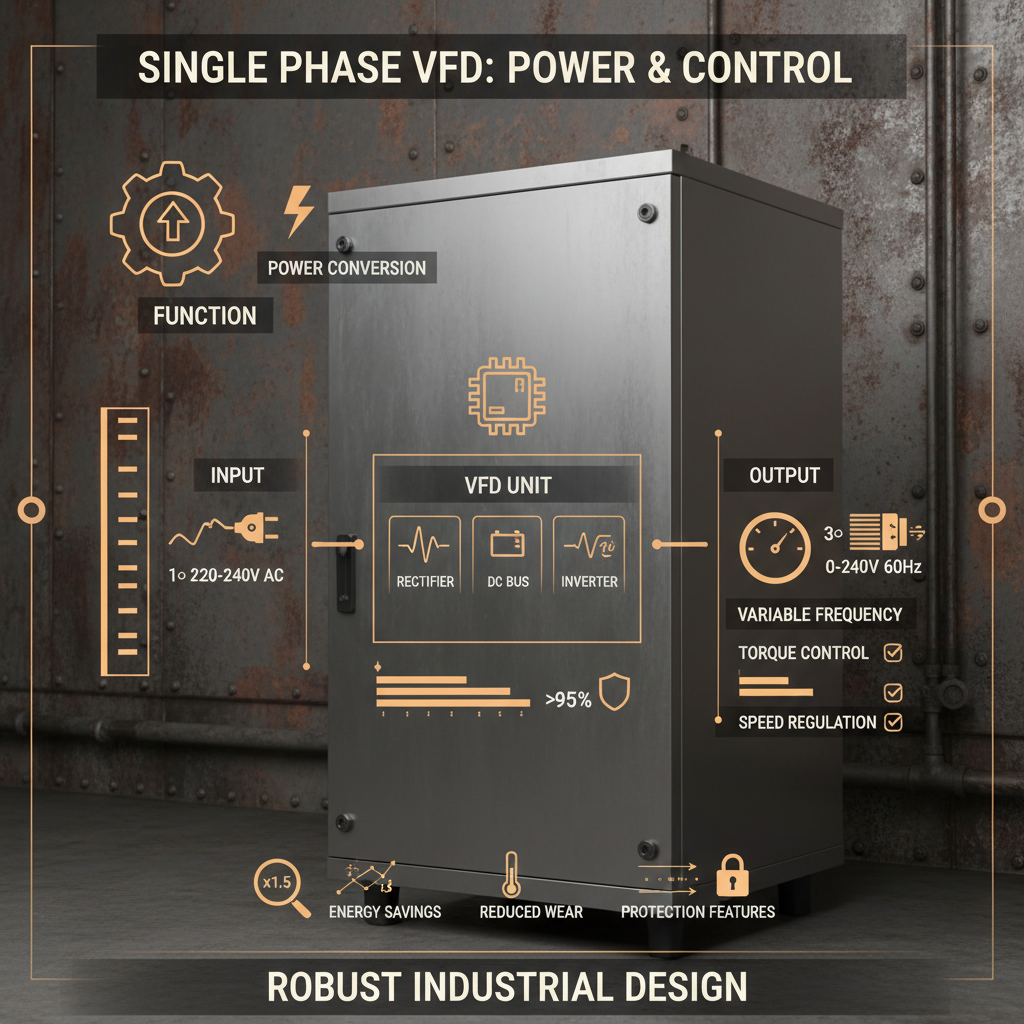
A single phase VFD is an electronic device used to control the speed of a single-phase AC induction motor. Unlike traditional motor starters that simply apply full voltage to the motor, a VFD regulates the voltage and frequency supplied to the motor, allowing for precise speed control. The core functionality relies on converting the incoming AC power into DC power, and then inverting it back to AC power with a variable frequency.
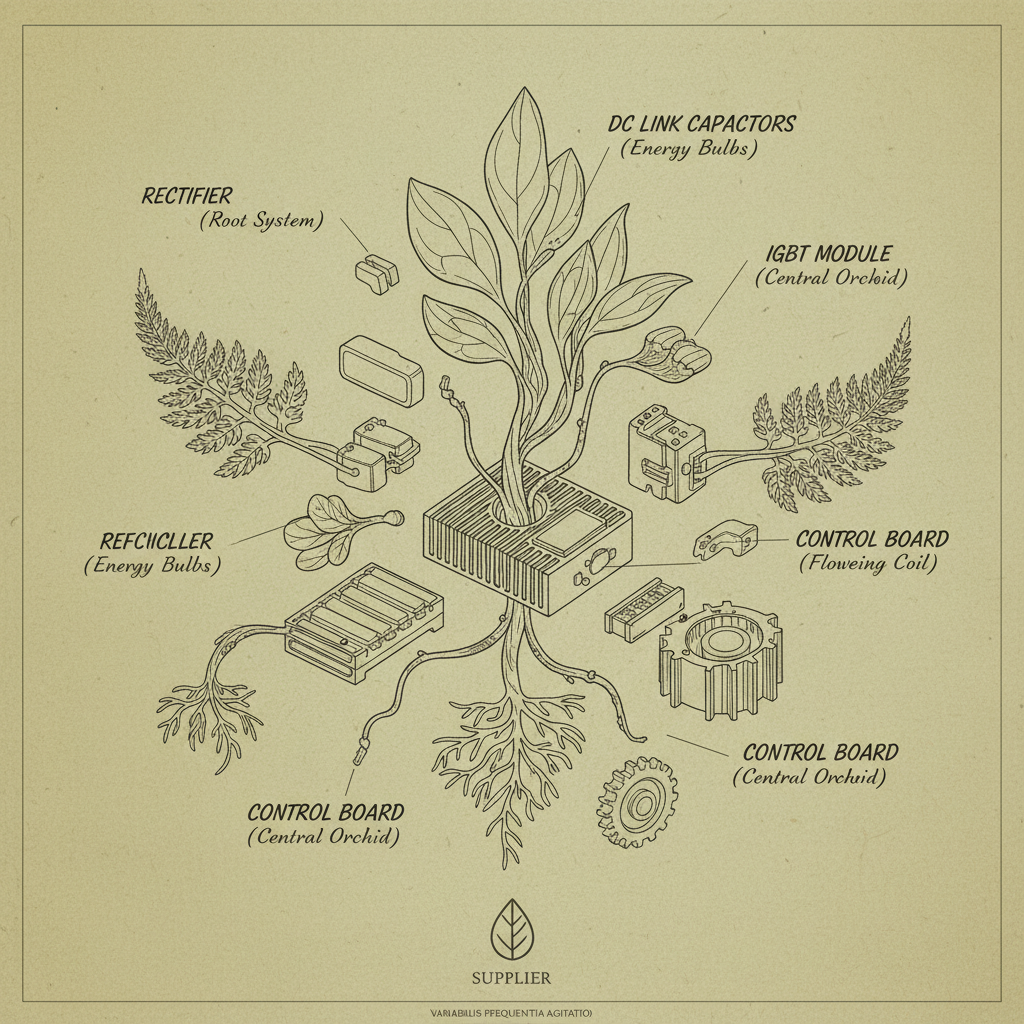
This process is achieved through a series of components, including rectifiers, DC link capacitors, and inverters. The inverter section is particularly crucial, as it utilizes insulated-gate bipolar transistors (IGBTs) to generate a variable frequency AC output. This allows for smooth acceleration, deceleration, and precise speed maintenance, crucial for applications where consistent performance is essential.
The connection of single phase VFDs to modern industry lies in their ability to optimize processes, minimize energy consumption, and improve overall system efficiency. This addresses the increasing need for sustainable and cost-effective industrial solutions, aligning with global environmental goals and operational efficiency targets.
Core Components and Operational Factors
Several key factors contribute to the performance and reliability of a single phase VFD. Firstly, the rectifier converts the incoming AC power into DC power. The quality of this conversion impacts the overall efficiency and harmonic distortion. Secondly, the DC link capacitor filters the DC voltage, providing a stable power source for the inverter. Lastly, and most importantly, the inverter uses IGBTs to synthesize a variable frequency AC waveform, delivering controlled power to the motor.
Other crucial operational factors include the VFD’s switching frequency, which affects the motor’s audible noise and efficiency; the control mode (e.g., Volts per Hertz, Sensorless Vector Control); and the protection features, which safeguard the motor and the VFD from overload, overvoltage, and other potential faults. Proper parameter settings and regular maintenance are vital for optimal performance and longevity of the single phase VFD.
These components work in harmony to ensure precise motor control, optimizing performance and extending the lifespan of both the motor and the connected equipment. Understanding these elements is crucial for effective troubleshooting and maintenance, maximizing the return on investment in a single phase VFD system.
Key Advantages of Single Phase VFDs
The benefits of implementing single phase VFDs are numerous. Primarily, they deliver significant energy savings by matching motor speed to actual demand, eliminating wasted energy. They also improve process control, allowing for precise adjustments and optimization of operations. Furthermore, VFDs reduce mechanical stress on motors and connected equipment, extending their lifespan and minimizing downtime.
Another key advantage is the ability to soft-start motors, reducing inrush current and preventing voltage dips that can disrupt other equipment on the same power circuit. This contributes to a more stable and reliable power supply. These features make single phase VFDs invaluable for applications requiring precise control, energy efficiency, and extended equipment life.
Single Phase VFD Performance Metrics
Global Applications and Diverse Use Cases
Single phase VFDs find applications in a wide range of industries and settings. In residential areas, they are used in pumps, fans, and HVAC systems to optimize energy consumption and improve comfort. In light industrial applications, they control conveyor belts, mixers, and other machinery, enhancing efficiency and process control.
From agricultural irrigation systems to woodworking equipment, the versatility of single phase VFDs makes them a valuable asset across numerous sectors. Their compact size and ease of installation further contribute to their widespread adoption, especially in retrofit projects where space is limited.
Long-Term Value and Tangible Benefits
Investing in single phase VFDs delivers substantial long-term value. The initial cost is quickly offset by energy savings, reduced maintenance expenses, and extended equipment lifespan. Moreover, VFDs contribute to improved system reliability, minimizing downtime and maximizing productivity. The environmental benefits, stemming from reduced energy consumption, align with sustainability goals and corporate social responsibility initiatives.
The enhanced process control provided by VFDs translates into improved product quality, reduced waste, and increased operational efficiency. This combination of economic, environmental, and operational advantages makes single phase VFDs a compelling investment for businesses of all sizes.
Future Trends and Innovative Developments
The future of single phase VFDs is marked by ongoing innovation. Advancements in power electronics, such as the development of more efficient IGBTs and improved control algorithms, are leading to smaller, more powerful, and more energy-efficient drives. Integration with the Industrial Internet of Things (IIoT) is enabling remote monitoring, predictive maintenance, and optimized performance.
Furthermore, the demand for smart VFDs with advanced features like automatic tuning, energy monitoring, and communication capabilities is driving market growth. As sustainability concerns intensify, we can expect to see even greater emphasis on energy efficiency and the development of VFDs optimized for renewable energy sources.
The convergence of these trends promises to unlock new levels of performance, efficiency, and connectivity for single phase VFDs, solidifying their role as a cornerstone of modern industrial automation.
Summary of Single Phase VFD Performance Evaluation
| VFD Model |
Energy Efficiency (%) |
Control Accuracy (RPM) |
Overall Reliability Score (1-10) |
| Model A |
92% |
±1 RPM |
8 |
| Model B |
90% |
±2 RPM |
7 |
| Model C |
88% |
±3 RPM |
6 |
| Model D |
94% |
±0.5 RPM |
9 |
| Model E |
91% |
±1.5 RPM |
7.5 |
| Model F |
89% |
±2.5 RPM |
6.5 |
FAQS
Single phase VFDs offer superior energy efficiency by matching motor speed to demand, reducing energy waste. They also provide precise speed control, improving process accuracy and reducing mechanical stress on equipment, extending its lifespan. Unlike traditional methods, VFDs enable soft-starting, minimizing inrush current and voltage dips.
Generally, yes, but it’s crucial to ensure compatibility. The VFD must be rated for the motor’s voltage, current, and horsepower. You need to verify that the motor is designed to operate with a VFD, as some older motors may not be suitable. Check the motor’s nameplate and consult the VFD’s documentation for compatibility guidelines.
The lifespan of a single phase VFD typically ranges from 8 to 15 years, depending on operating conditions, load profile, and maintenance practices. Factors such as ambient temperature, humidity, and dust levels can affect lifespan. Regular maintenance, including cleaning and inspection of components, can significantly extend the VFD's operational life.
Programming a single phase VFD involves setting various parameters to match the motor and application requirements. This includes parameters for motor voltage, frequency, acceleration/deceleration times, and control mode. Most VFDs have a built-in keypad and display for programming, and many also offer software-based programming options. Refer to the VFD’s user manual for detailed programming instructions.
Common troubleshooting steps include checking the input power supply, verifying the motor wiring connections, and inspecting the VFD’s display for error codes. Also, check for overload conditions, overvoltage/undervoltage issues, and proper grounding. If the problem persists, consult the VFD’s manual or contact a qualified technician.
Yes, single phase VFDs are considered environmentally friendly due to their ability to reduce energy consumption. By optimizing motor speed and reducing energy waste, they lower carbon emissions and contribute to a more sustainable operation. They also minimize mechanical wear and tear, reducing the need for frequent equipment replacements.
Conclusion
Single phase VFDs represent a crucial technology for enhancing energy efficiency, improving process control, and extending equipment lifespan. From their fundamental operating principles to their diverse range of applications, these devices offer tangible benefits for residential, commercial, and industrial sectors. The continuous advancements in power electronics and IoT integration promise to further unlock their potential, driving innovation and sustainability.
Looking ahead, the widespread adoption of single phase VFDs will be instrumental in achieving global energy efficiency goals and creating a more sustainable future. Investing in this technology is not only a sound economic decision but also a responsible step towards a greener planet. For more information and to explore our product range, visit us at single phase vfd.