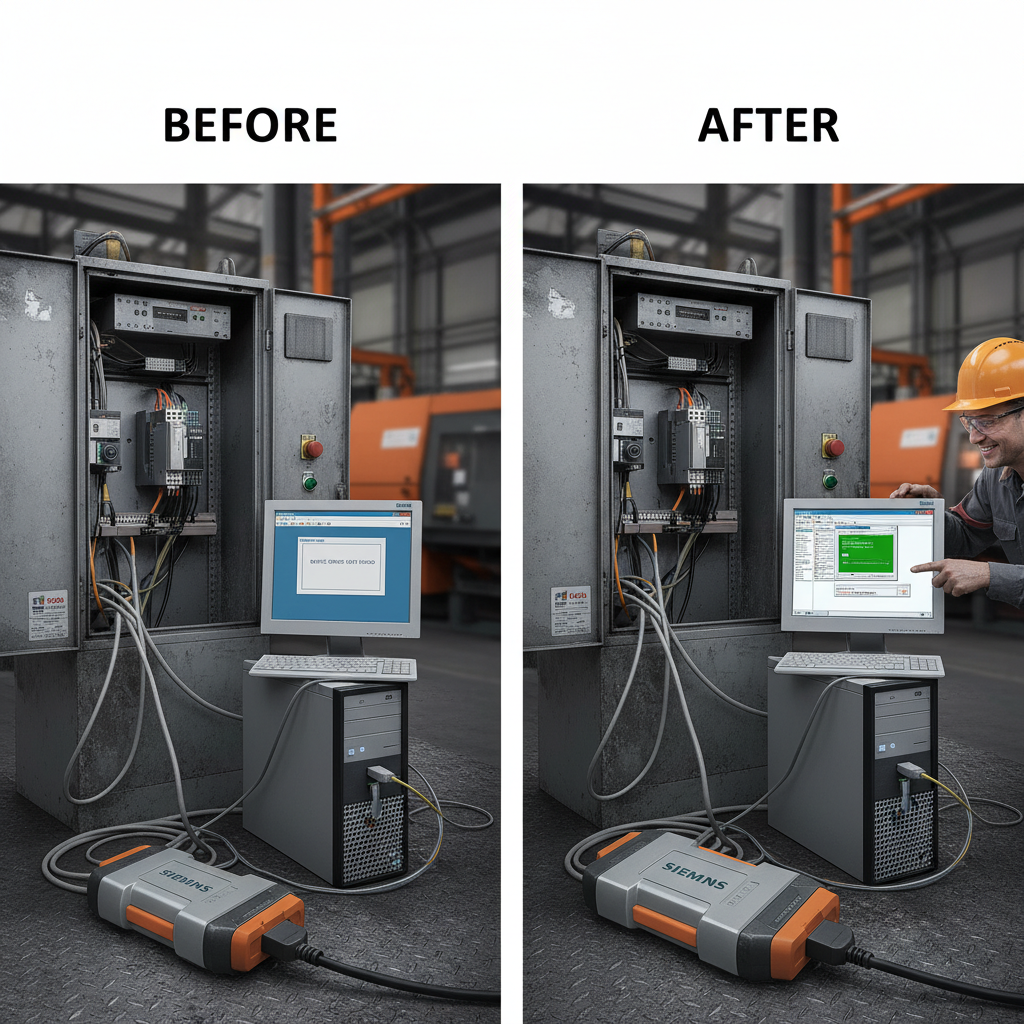
What is a VFD in Motor? Benefits and Vendor Comparison
What is a VFD in motor and Why It Matters
Having put in the years working around industrial motors—well, let's be honest, more than a few decades now—I can tell you that the term "VFD" pops up everywhere. Yet, you might still wonder: what exactly is a VFD in a motor? Simply put, a VFD, or Variable Frequency Drive, is a device that controls the speed and torque of an electric motor by varying the frequency and voltage of its power supply. No mystery there. But the devil—and frankly, the magic—is in how it improves motor performance and saves energy.
Back when I first started, motor control was pretty much “on or off,” often with clunky mechanical starters or simple contactors. VFDs revolutionized that by allowing fine-tuned control. The result? Motors no longer have to run full tilt 24/7 when the load varies, which, in many industrial environments, is most of the time. This translates into considerable energy savings and less wear and tear—a win-win for operators and maintenance folks alike.
Oddly enough, many folks undervalue what a VFD can do beyond speed regulation. For instance, by adjusting the frequency, they can reduce inrush currents during startup, preventing those nasty voltage drops or motor damage. Also, modern VFDs provide smooth ramp-up and ramp-down sequences that help protect connected equipment from mechanical shock. Not to mention, many drives now come with built-in diagnostic and communication features that streamline troubleshooting. I recall one plant manager telling me how a VFD helped them spot a bearing issue before it turned catastrophic—that's value you can't put a price on.
Typical VFD Motor Product Specifications
| Specification | Typical Value |
|---|---|
| Input Voltage | 380V - 480V AC (3-phase) |
| Output Frequency Range | 0 to 400 Hz |
| Control Method | Pulse Width Modulation (PWM) |
| Power Ratings | 0.5 kW to 500 kW+ |
| Overload Capability | 150% rated current for 60 seconds |
| Communication Protocols | Modbus, Profibus, Ethernet/IP |
Comparing Leading VFD Vendors
| Vendor | Key Strength | Typical Applications | Notable Features |
|---|---|---|---|
| Siemens | Reliable & scalable | Heavy industry, automation | Wide communication options, safety functions |
| ABB | Energy efficiency & compact design | Pumps, fans, conveyors | Integrated PLCs, advanced diagnostics |
| Tianjin Yongkai | Cost-effective & customizable | General industry, OEM integration | Flexible design, robust build quality |
| Schneider Electric | User-friendly interface | Commercial HVAC, manufacturing | Smart connectivity, easy integration |
In real terms, the rise of VFDs has reshaped how motors perform in countless applications. I remember a customer in a food processing plant switching to VFDs for their conveyor motors; they reported smoother operation, fewer breakdowns, and a noticeable dip in energy consumption—something that frankly sealed the deal for their return on investment.
Of course, a VFD is not just plug-and-play; selecting the right device calls for understanding the motor specifications, load conditions, and any special environmental factors. But thanks to manufacturers like Tianjin Yongkai, who offer tailored and flexible solutions, there's usually a way to fit the drive perfectly into your system.
All in all, the VFD is a cornerstone of modern motor control. It's an elegant answer to controlling speed, reducing wear, and conserving energy without sacrificing performance. Honestly, if you're still running motors the old-fashioned way, it's time to take a second look at what a VFD can do for you.
Final thought: Investing in a quality VFD isn't just about today’s needs; it lays the groundwork for smarter, more efficient plants tomorrow.
References:
- IEEE Industrial Electronics Handbook (latest edition)
- Manufacturer datasheets from Siemens, ABB, Schneider Electric, Tianjin Yongkai
- Industry case studies on VFD implementations